Hemp Peptide
Hemp peptide is the low molecular weight protein hydrolysate obtained by treating hemp seed protein from Cannabis sativa L. with food grade proteases, cutting the intact storage proteins into short chains of a few amino acids.
The parent protein is dominated by edestin, a globulin that accounts for the greater part of hemp seed protein, together with a smaller albumin fraction. Edestin is poorly soluble near its isoelectric point, which limits what unhydrolysed hemp protein can do in a drink, so hydrolysis is the step that converts a gritty, sedimenting flour into a clear dissolving powder. Typical trade material carries most of its peptide mass below 1000 Daltons.
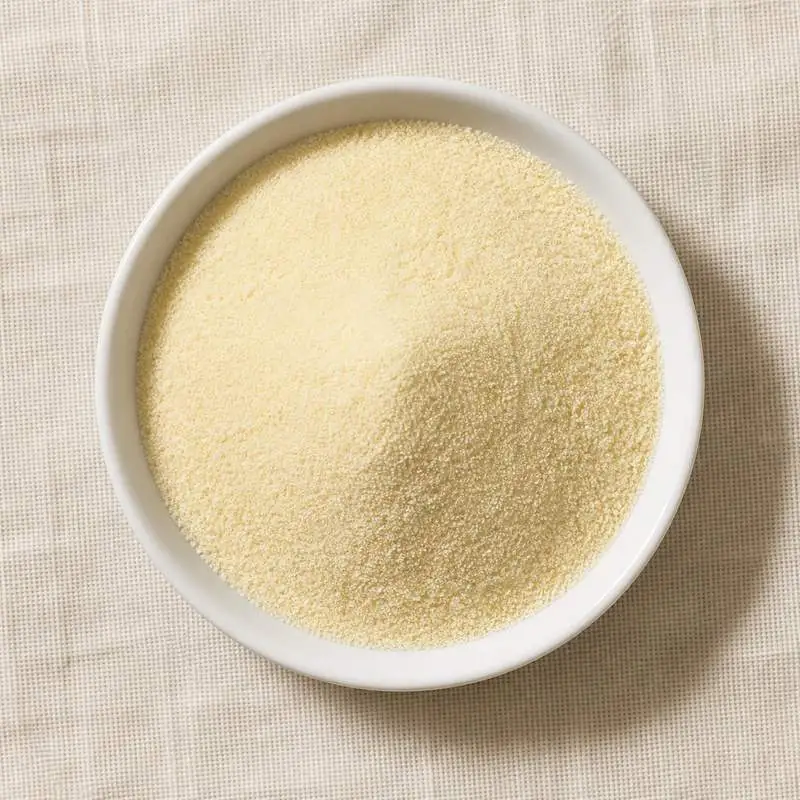
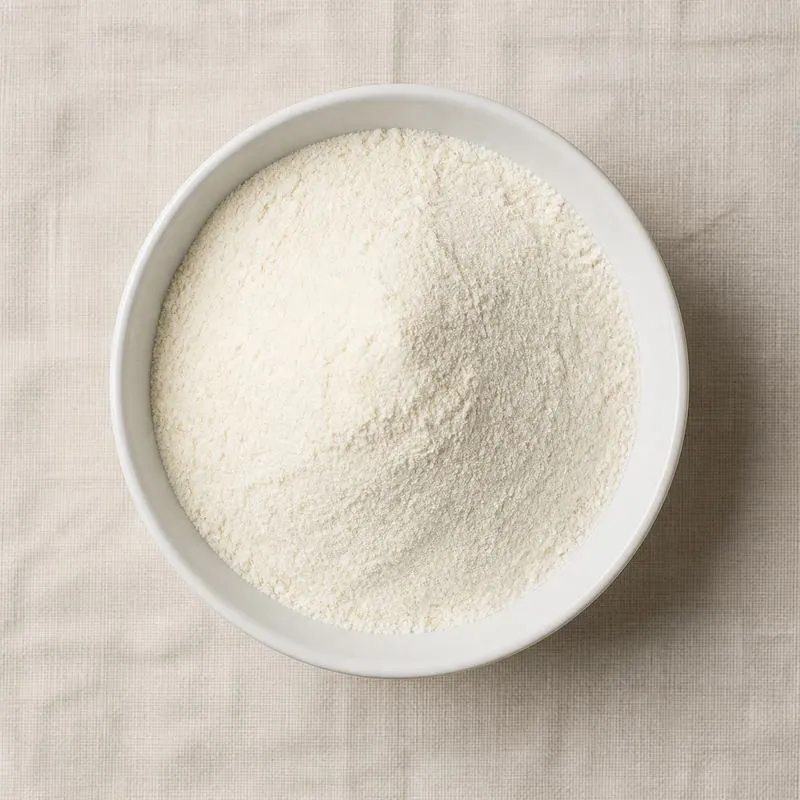
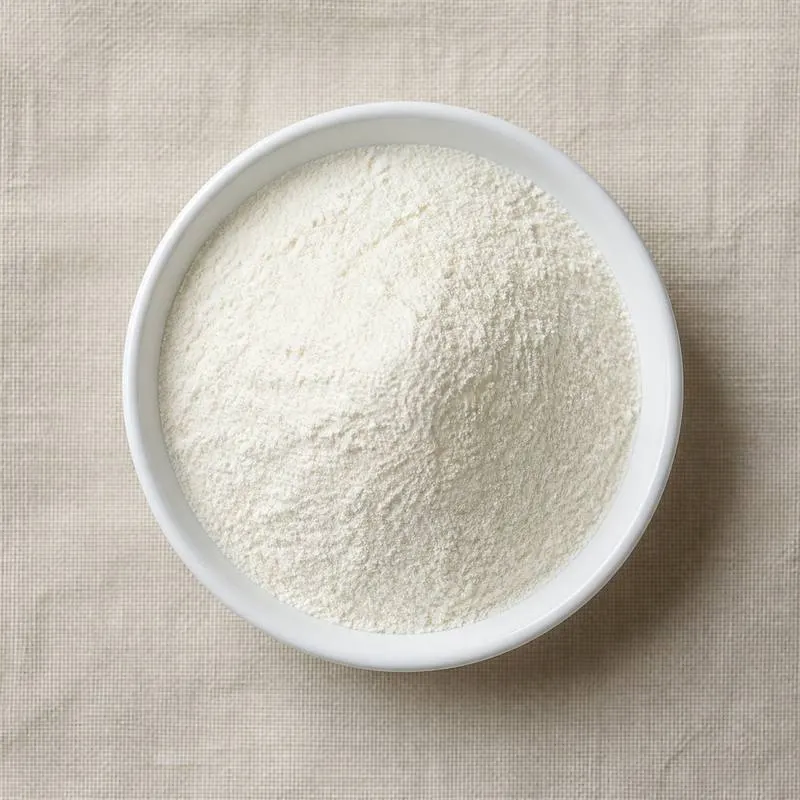
The finished ingredient is a light yellow to pale brown spray dried powder with a mild nutty odour and a degree of bitterness proportional to how far the hydrolysis was taken. It dissolves rapidly in cold and hot water, stays in solution across a wide pH span including the acid range where the intact protein would precipitate, and tolerates pasteurisation and retort without gelling or clouding, which is why it appears in ready to drink formats rather than only in dry blends.
We source bulk Hemp Peptide from top China manufacturers for our partners. The manufacturer is in Liaoning. A smaller requirement can ship in a combined container with other ingredients.
Please send the grade you need, the volume and your destination port, and we will come back with a solution and a price.
or call +86-21-6858 0751
- Function
- Protein
Specifications
| Item | Specification |
|---|---|
| Appearance | Light yellow to pale brown fine powder |
| Odour and Taste | Mild nutty odour, slightly bitter, free from foreign odour |
| Protein (N x 6.25, dry basis) | Minimum 80.0% |
| Peptide Content (dry basis) | Minimum 60.0% |
| Molecular Weight below 1000 Da | Minimum 80.0% |
| Loss on Drying | Maximum 7.0% |
| Ash | Maximum 8.0% |
| pH (1% solution) | 6.0 to 7.5 |
| Tetrahydrocannabinol | Not detected at the reporting limit of the method |
| Lead | Maximum 0.5 mg/kg |
| Arsenic | Maximum 0.5 mg/kg |
| Total Plate Count | Maximum 10,000 cfu/g |
| Yeast and Mould | Maximum 100 cfu/g |
| Escherichia coli and Salmonella | Absent in 25 g |
Common Markets Grades
Hemp peptide is traded mainly on molecular weight distribution and protein content. General food grade runs at 80 percent or more protein on a dry basis with the bulk of the peptides under 3000 Daltons, and suits dry blended powders, bars and tablets. Oligopeptide grade is hydrolysed further so that most fragments sit below 1000 Daltons, giving faster dissolution and a clearer solution for beverages, at the cost of a more pronounced bitter note that formulators mask with cocoa, fruit acid or a debittering treatment during manufacture.
Suppliers also separate material by feedstock and by residue status. Powder made from dehulled, cold pressed seed cake is lighter in colour and lower in fibre than powder made from whole seed meal. Because the raw material is industrial hemp, batches are documented for tetrahydrocannabinol content, and non detect or below limit certificates are a routine part of the grade description for export. Organic certified and non irradiated versions are offered, along with instantised and agglomerated powders for cold water dispersion.
Applications
- Ready to drink sports and recovery beverages, where a plant peptide stays clear and stable in acid conditions that would precipitate intact hemp protein
- Protein powders positioned as vegan or allergen conscious, blended with pea and rice protein to fill out the amino acid profile
- Nutrition bars, where hydrolysed protein contributes protein content without the hardening that whole protein isolates cause over shelf life
- Capsule and tablet supplements sold on antioxidant and post exercise recovery positioning
- Clinical and elderly nutrition formulas, where short peptides are absorbed with less digestive load than whole protein
- Instant cereal and meal replacement powders, where fast cold water dissolution is required
- Functional jellies and gummies, added as a soluble protein source that does not disturb the gel
- Skincare essences and hair care ampoules, where small plant peptides are used as film forming and conditioning agents
- Pet supplements, particularly senior formats where palatability and digestibility decide the choice of protein
- Fermentation and cell culture media, used as a plant derived nitrogen source in place of animal peptone
China Manufacturers of Hemp Peptide
Top Hemp Peptide manufacturers in China.

Company names and logos are the property of the manufacturers themselves. They are listed here because our own directory records them as producing this ingredient. A listing is not an endorsement by them, and we do not represent them or speak on their behalf.
Regulatory Status
In the United States hulled hemp seed and hemp seed protein powder are established food ingredients. The Food and Drug Administration has responded without objection to generally recognised as safe notices covering hulled hemp seed, hemp seed protein powder and hemp seed oil, and hemp peptide made from that protein is handled on the same conventional food basis with self affirmed or notified generally recognised as safe support. The agency's position on cannabidiol does not extend to seed derived protein, provided the material carries no meaningful cannabinoid content, and hemp cultivation itself falls under the federal hemp programme with its tetrahydrocannabinol limit.
In the European Union hemp seed and products derived from hemp seed, including protein and protein hydrolysates, have a history of consumption and are treated as conventional foods rather than novel foods, which is not the case for cannabinoid extracts. Member states apply their own maximum levels for tetrahydrocannabinol residues in hemp seed foods, and the European Commission has set harmonised limits for hemp seed and hemp seed derived products. No E number applies, since the material is a food ingredient. Enzymes used in hydrolysis must be permitted processing aids in the market of sale, and mandatory allergen labelling does not apply to hemp seed in either jurisdiction.
Manufacturing Process
The feedstock is hemp seed cake, the solid residue left after cold pressing dehulled hemp seed for oil. The cake is milled and the residual oil and much of the fibre are removed, either by alkaline extraction of the protein at mild pH followed by isoelectric precipitation, or by dry fractionation with air classification where a lower protein concentrate is acceptable. The recovered protein is resuspended in water and neutralised before hydrolysis.
Hydrolysis is run in a stirred vessel at controlled pH and temperature using food grade proteases, commonly a bacterial endoprotease such as alcalase to open the chains, followed or accompanied by an exopeptidase preparation to trim the hydrophobic terminal residues that carry most of the bitterness. When the target degree of hydrolysis is reached the enzymes are inactivated by heat, and the slurry is centrifuged to drop out undigested protein and fibre. The clarified liquor passes through ultrafiltration to hold back residual high molecular weight material, then optionally through activated carbon or resin for decolourisation and debittering, is concentrated under vacuum, and is spray dried into a fine powder that is sieved and packed.