Hemp Seed
Hemp seed is the achene of Cannabis sativa L. grown as industrial hemp, meaning cultivars bred to contain no more than a legally defined trace of delta-9-tetrahydrocannabinol. Botanically it is a nut rather than a true seed, consisting of a hard outer hull enclosing a soft kernel, and it is the kernel, sold dehulled as hemp hearts, that carries almost all of the nutritional value.
The kernel runs roughly 30 to 35 percent oil and 25 to 30 percent protein. The oil is unusual among common seed oils for its fatty acid balance, with linoleic acid and alpha-linolenic acid present at a ratio near three to one and a small but distinctive gamma-linolenic acid fraction. The protein is dominated by edestin, a globulin, with albumin making up most of the remainder, and it contains all the indispensable amino acids, though lysine is the limiting one. The hull contributes insoluble fibre, most of the mineral content and the majority of the seed ash.
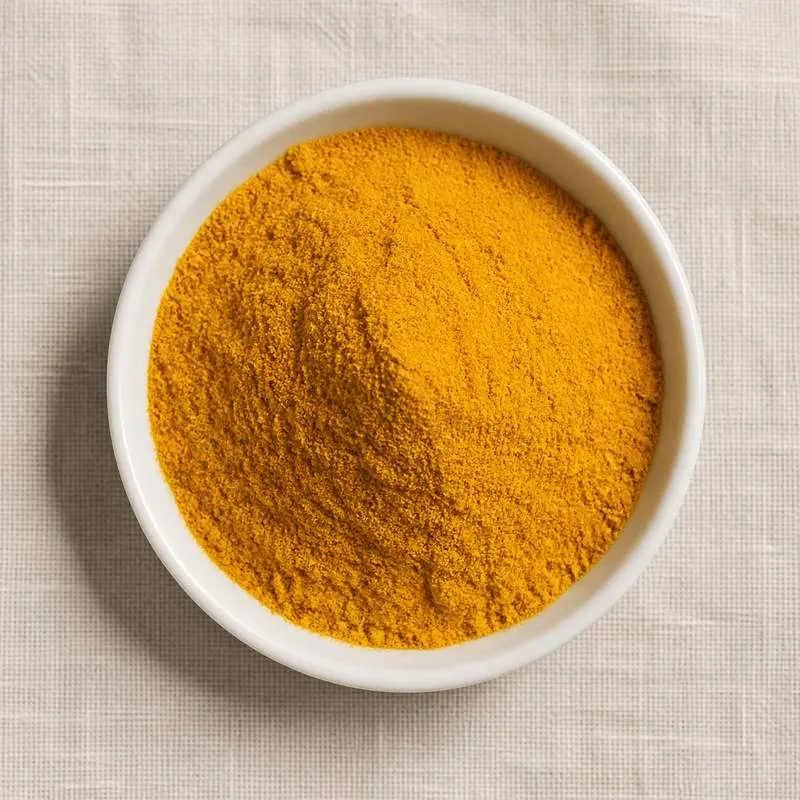
Whole seed is a small round grey-brown to greenish achene; hulled hearts are soft, creamy white to pale green and have a mild nutty flavour. The high polyunsaturated content makes the kernel oxidatively fragile: hulled seed goes rancid within months at ambient temperature and is normally held chilled or packed under nitrogen. Whole seed with the hull intact keeps considerably longer.
We source bulk Hemp Seed from top China manufacturers for our partners. The manufacturer is in Liaoning. A smaller requirement can ship in a combined container with other ingredients.
Please send the grade you need, the volume and your destination port, and we will come back with a solution and a price.
or call +86-21-6858 0751
- Function
- Plant extract
Specifications
| Item | Specification |
|---|---|
| Source | Cannabis sativa L., industrial hemp, dehulled seed |
| Appearance | Creamy white to pale green soft kernels |
| Residual Hull | ≤ 2.0% |
| Protein | ≥ 30.0% |
| Total Fat | 45.0 to 50.0% |
| Moisture | ≤ 8.0% |
| Ash | ≤ 6.0% |
| Peroxide Value | ≤ 5.0 meq/kg fat |
| Delta-9-Tetrahydrocannabinol | Complies with destination market limit |
| Lead | ≤ 0.5 mg/kg |
| Total Plate Count | ≤ 50,000 cfu/g |
| Yeast and Mould | ≤ 1,000 cfu/g |
| E. coli | Negative in 1 g |
| Salmonella | Negative in 25 g |
Common Markets Grades
The trade divides into whole seed and dehulled seed. Whole seed is graded on purity, meaning freedom from stems, immature seed and other crop, on moisture and on germination where it is being sold for planting or sprouting. Dehulled hemp hearts are graded on residual hull content, the figure that separates a premium hearts grade from a standard one, and on colour, since browning indicates oxidation or over-drying.
Downstream products are traded on their own specifications: cold pressed hemp seed oil on fatty acid profile, peroxide value and free fatty acid; hemp protein powder at 50 or 65 percent protein depending on whether it is a screened press cake flour or a further-refined concentrate; hemp protein isolate at 80 percent and above; and hemp seed flour and fibre from the residual meal. Across all of these the certified delta-9-tetrahydrocannabinol level of the lot is a routine and often decisive specification point, together with the cultivar and country of origin. Organic certified material is widely available in this category.
Applications
- Hemp hearts sold direct as a topping for salads, cereals, yoghurt and smoothie bowls
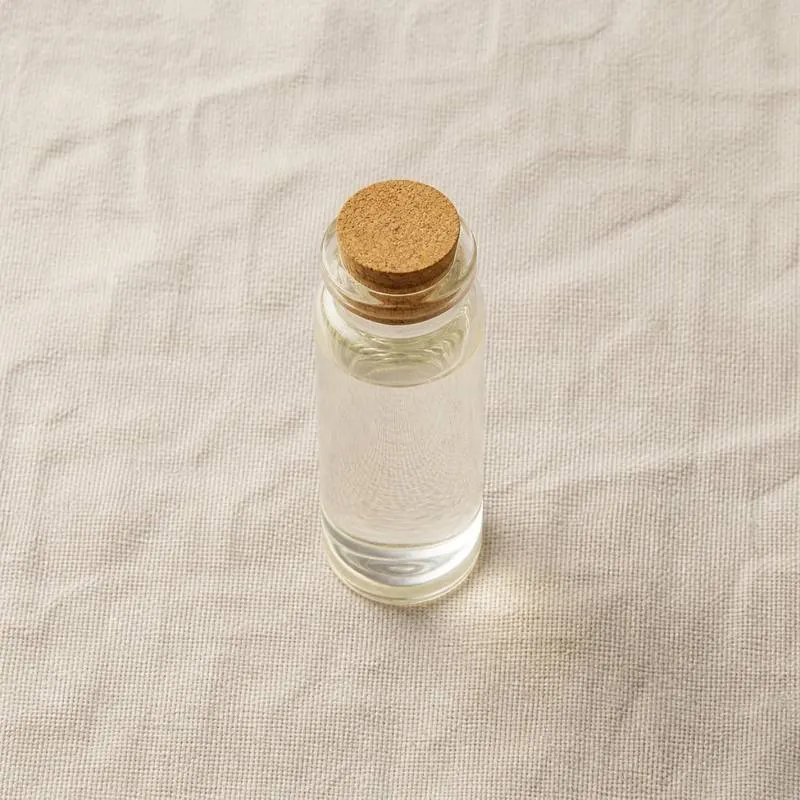
- Cold pressed hemp seed oil for salad dressing and finishing, used unheated because the polyunsaturates degrade on cooking
- Hemp protein powder for sports nutrition and plant protein blends
- Hemp milk and non-dairy beverages made by wet milling the dehulled kernel
- Bakery, snack bars and cereal products, where whole or hulled seed adds texture and protein
- Plant-based meat analogues, using the protein fraction alongside pea and soy
- Confectionery and nut butter style spreads made from ground hearts
- Cosmetic and personal care formulations, where hemp seed oil is used as an emollient carrier
- Animal feed and bird seed, a long-established outlet for whole seed and press cake
- Sprouting and microgreen production from viable whole seed
Brands Using Hemp Seed
Widely-distributed consumer products that list Hemp Seed on the ingredient label.
- NutivaOrganic Shelled Hemp Seeds ↗Organic shelled hemp seeds sold as a whole food source of protein and omega fatty acids.Label verified 2026-08-31
- Manitoba HarvestOrganic Hemp Hearts ↗Organic hemp hearts, the shelled hemp seed, listed at 10 g protein and 12 g of omegas 3 and 6 per serving.Label verified 2026-08-31
- Anthony's GoodsOrganic Hulled Hemp Seeds ↗Certified organic hulled hemp seeds sold plain.Label verified 2026-08-31
- Navitas OrganicsHemp Seeds ↗Organic hemp seeds sold plain as a source of complete plant protein and omega-3s.Label verified 2026-08-31
- Evo HempMOCU Organic Hemp Hearts ↗Organic hemp hearts, the shelled inner kernel of the hemp seed, sold as a single ingredient food.Label verified 2026-08-31
Brand names, product names and logos are the property of their owners. They appear here as published evidence that the ingredient is used, taken from the brand's own label or website. Their appearance is not an endorsement, and it does not mean the brand buys from us or from any manufacturer listed on this site.
China Manufacturers of Hemp Seed
Top Hemp Seed manufacturers in China.

Company names and logos are the property of the manufacturers themselves. They are listed here because our own directory records them as producing this ingredient. A listing is not an endorsement by them, and we do not represent them or speak on their behalf.
Regulatory Status
In the United States hemp seed products became clearly lawful with the 2018 Farm Bill, which removed hemp containing no more than 0.3 percent delta-9-tetrahydrocannabinol on a dry weight basis from the controlled substances schedules. The Food and Drug Administration has responded with no questions to generally recognised as safe notifications covering hulled hemp seed, hemp seed protein powder and hemp seed oil for use in food, which is the basis on which these three ingredients are used in conventional food. That position applies to seed-derived products only and does not extend to cannabidiol or other cannabinoid preparations, which the agency treats separately.
In the European Union hemp seed, hemp seed oil, hemp seed protein and defatted hemp seed flour have a history of consumption before May 1997 and are not novel foods, a position recorded in the Commission novel food catalogue. Cultivation is restricted to varieties on the EU common catalogue below the tetrahydrocannabinol threshold set in the agricultural rules. Maximum levels for delta-9-tetrahydrocannabinol in hemp seed and hemp seed derived foods have been set under the contaminants Regulation following a European Food Safety Authority assessment, and compliance with those levels is the main analytical gate for imported material. Codex has not adopted a commodity standard specific to hemp seed, so international trade relies on the destination market cannabinoid limits.
Manufacturing Process
Seed is combine harvested when the crop has matured, then cleaned of stalk and leaf trash and dried promptly to around 8 to 9 percent moisture, since harvested hemp seed heats and spoils quickly at field moisture. Cleaning runs the seed over gravity tables, aspirators and screens to remove immature seed, weed seed and stones, and an optical sorter is used on the higher grades.
Dehulling is done on impact or roller dehullers that crack the hull without shattering the soft kernel, followed by air aspiration and gravity separation to divide hearts from hull fragments. Hearts are graded, then either packed under nitrogen in barrier film or held chilled. The hull fraction is milled for fibre. Where oil is the objective the cleaned seed, whole or dehulled, is cold pressed on a screw press with the barrel kept below about 45 degrees Celsius to protect the fatty acid profile, and the oil is settled, filtered and filled under nitrogen into light-excluding containers. The press cake left behind is milled and screened to separate a protein-rich fine fraction from a fibre-rich coarse fraction, giving hemp protein powder at 50 to 65 percent protein; further wet processing by alkaline solubilisation and isoelectric precipitation produces the isolate. Every lot is tested for cannabinoid content before release.