Hemp Protein Isolate
Hemp protein isolate is the purified protein fraction of hemp seed, Cannabis sativa L., separated from the oil pressed seed cake and dried to a protein content of roughly 85 percent or more, well above the 50 to 70 percent typical of hemp protein concentrate.
Its protein is mostly edestin, a legumin type globulin, with a minor albumin fraction. The amino acid profile is complete in the sense that all indispensable amino acids are present, arginine is unusually abundant, and lysine is the limiting residue, which is why the isolate is commonly blended with pea or rice protein rather than used alone in nutritional formulas. Removing the hull fibre and the residual oil during isolation is what lifts protein content and removes the gritty mouthfeel of hemp flour.
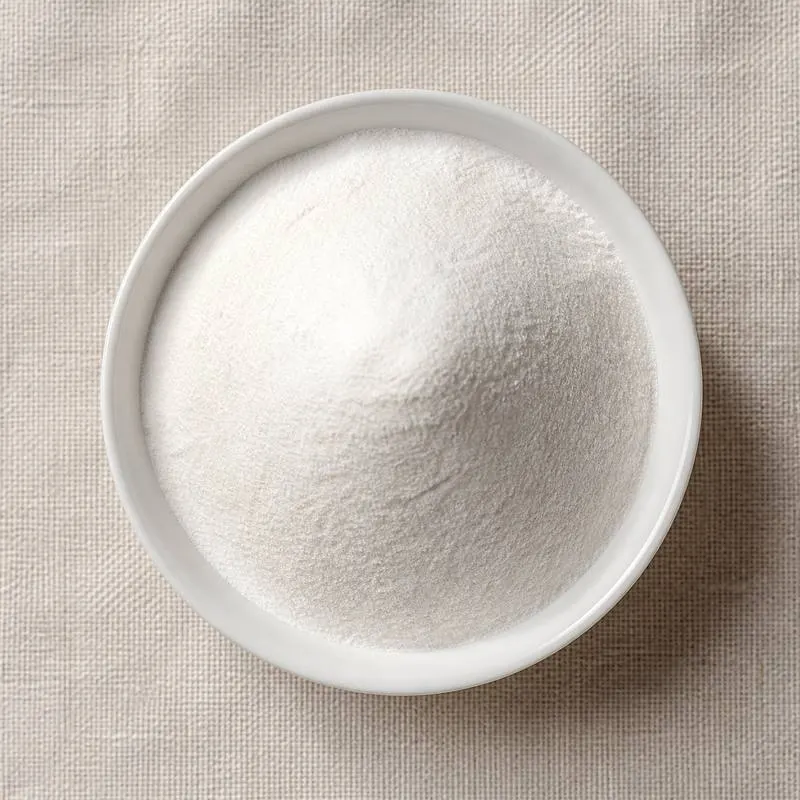
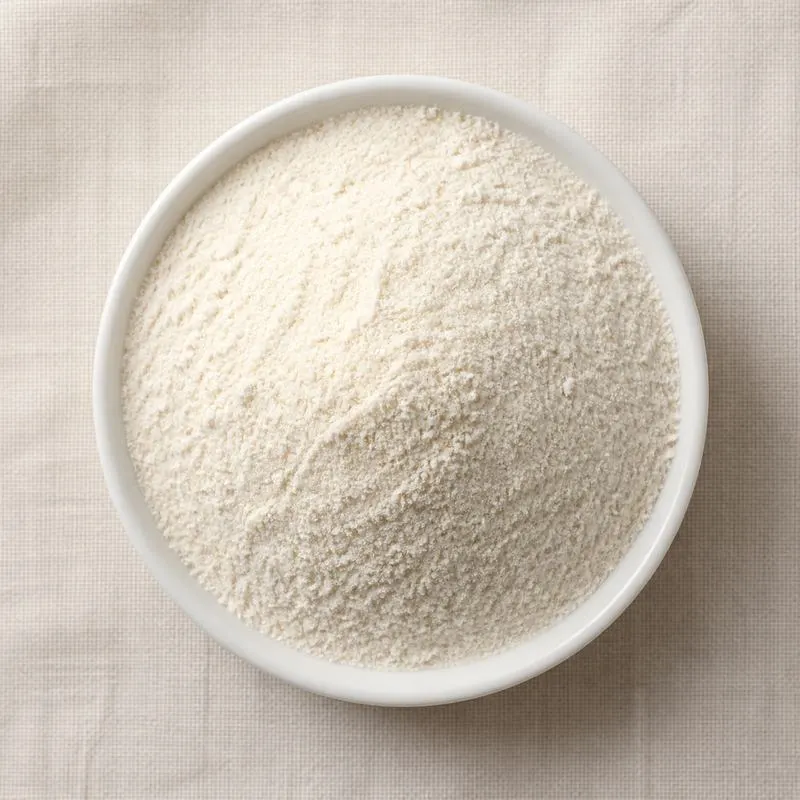
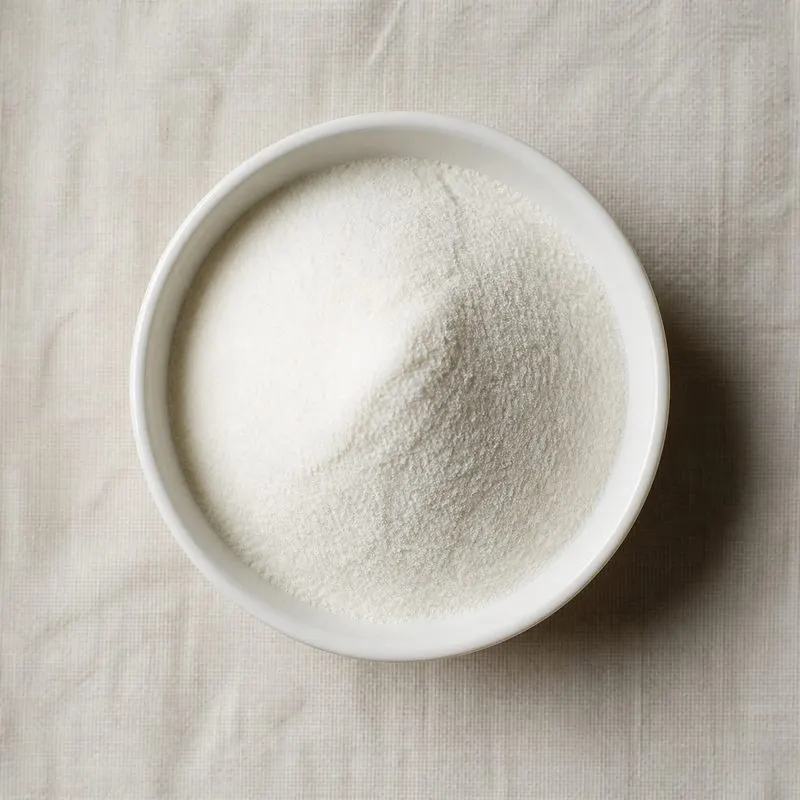
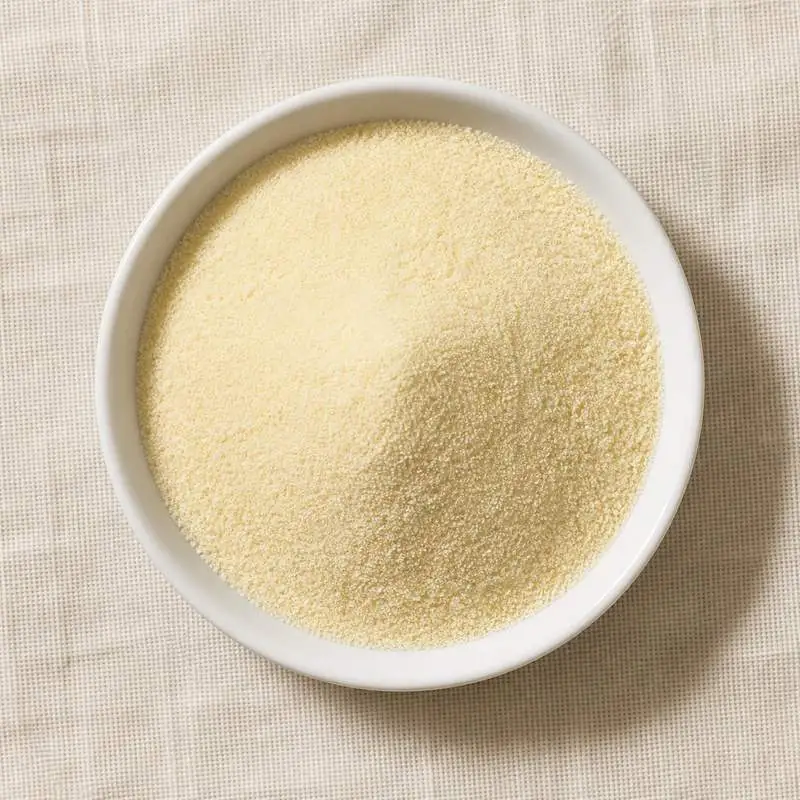
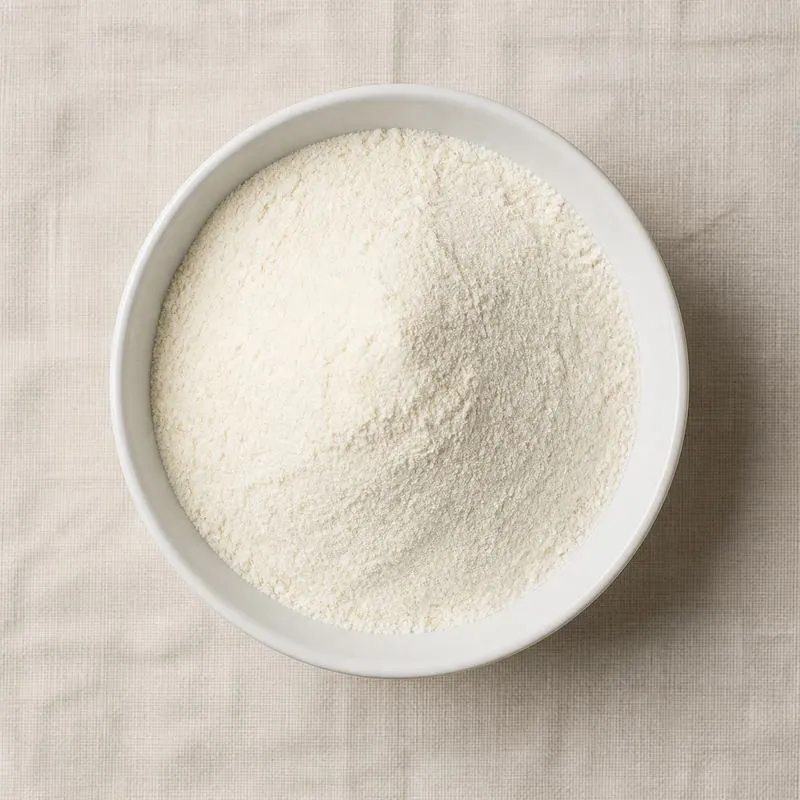
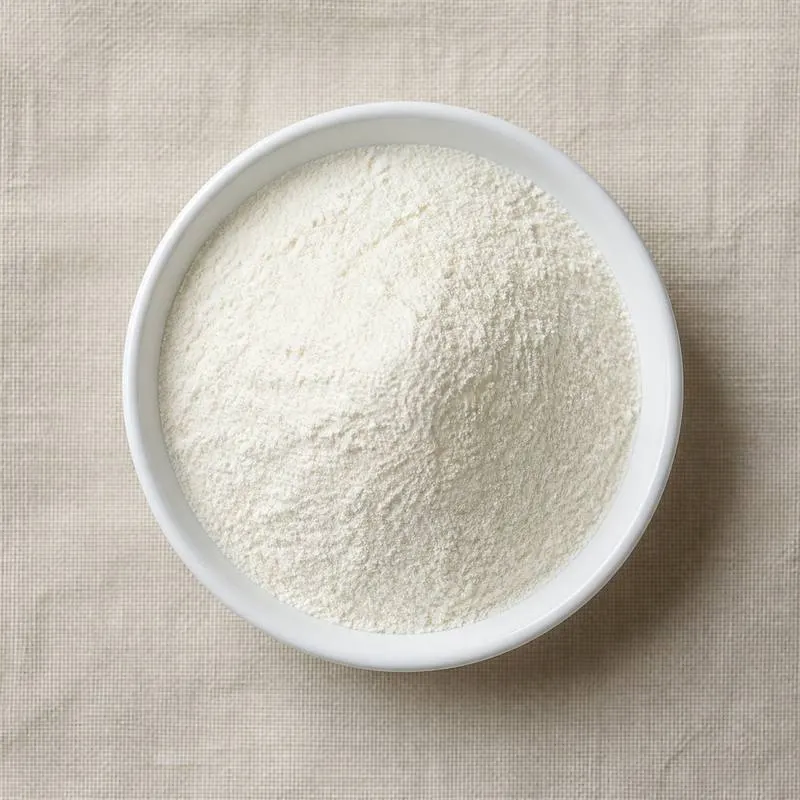
The powder is beige to light green, reflecting residual chlorophyll from the seed hull, with a nutty odour. Solubility is strongly pH dependent, poor near the isoelectric region around pH 4 to 5 and improving above pH 7, so it disperses rather than dissolves in neutral drinks and is normally used where suspension, emulsification or water binding matters more than clarity.
We source bulk Hemp Protein Isolate from top China manufacturers for our partners. The manufacturer is in Liaoning. A smaller requirement can ship in a combined container with other ingredients.
Please send the grade you need, the volume and your destination port, and we will come back with a solution and a price.
or call +86-21-6858 0751
- Function
- Protein
Specifications
| Item | Specification |
|---|---|
| Appearance | Beige to light green fine powder |
| Odour and Taste | Characteristic nutty odour, free from rancid or foreign notes |
| Protein (N x 6.25, dry basis) | Minimum 85.0% |
| Moisture | Maximum 8.0% |
| Fat | Maximum 5.0% |
| Ash | Maximum 6.0% |
| Crude Fibre | Maximum 2.0% |
| Particle Size | Minimum 95% through 100 mesh |
| pH (10% suspension) | 6.5 to 7.5 |
| Tetrahydrocannabinol | Below the reporting limit of the method |
| Lead | Maximum 0.5 mg/kg |
| Arsenic | Maximum 0.5 mg/kg |
| Total Plate Count | Maximum 10,000 cfu/g |
| Escherichia coli and Salmonella | Absent in 25 g |
Common Markets Grades
Trade grades are set principally by protein content and by hull removal. Concentrate at 50 to 70 percent protein is the bulk product and is simply milled, sieved seed cake, while isolate at 85 percent and above requires wet extraction. Within isolate, buyers distinguish standard powder from instantised or agglomerated material lecithinated for cold water dispersion, and from fine milled grades specified through a 100 or 200 mesh screen for smooth beverages.
Further options include organic certified isolate from certified hemp, decolourised grades processed to reduce the green cast for use in pale coloured products, and low tetrahydrocannabinol certified lots documented for export. Every commercial grade is a food grade, and the same material is sold into cosmetics and pet nutrition without a separate specification, and the difference lies in the documentation package rather than in the powder.
Applications
- Plant protein powders and shakes, where it is blended with pea or rice protein to raise total protein and balance the limiting amino acids
- Nutrition bars, where it supplies protein along with the water binding that keeps the bar from drying out
- Meat analogue patties and mince, where it emulsifies fat and holds water through cooking
- Dairy alternative drinks and yoghurt style products, contributing body and protein content to oat and nut bases
- Bakery products marketed on protein content, where it replaces part of the flour in breads, muffins and crackers
- Extruded snacks and puffs, where it feeds into the extruder alongside starch to raise the protein declaration
- Infant and toddler snack formats in markets where hemp seed is an accepted conventional food
- Sports gels and semi solid formats requiring a plant protein with emulsifying capacity
- Cosmetic formulations, used as a plant protein for film forming and moisture retention in skin and hair care
- Higher tier pet food and treats, used as a plant protein source in limited ingredient diets
China Manufacturers of Hemp Protein Isolate
Top Hemp Protein Isolate manufacturers in China.

Company names and logos are the property of the manufacturers themselves. They are listed here because our own directory records them as producing this ingredient. A listing is not an endorsement by them, and we do not represent them or speak on their behalf.
Regulatory Status
In the United States hemp seed protein is an established food ingredient. The Food and Drug Administration reviewed and raised no objection to generally recognised as safe notices covering hulled hemp seed, hemp seed protein powder and hemp seed oil, and isolates made by conventional extraction from the same seed are handled on that basis. Hemp itself must originate from crops grown under the federal hemp programme, which caps tetrahydrocannabinol in the growing plant, and the agency's separate position restricting cannabidiol in food does not apply to seed derived protein carrying no meaningful cannabinoid content.
In the European Union hemp seed and its derived products, protein included, are treated as conventional foods on the basis of significant consumption before the novel food cut off, in contrast to cannabinoid extracts which do require novel food authorisation. Harmonised maximum levels apply to tetrahydrocannabinol in hemp seed and hemp seed derived foods, and consignments are tested against them. No E number is involved because the isolate is a food ingredient rather than an additive, and hemp seed is not a listed allergen requiring declaration in either the United States or the European Union.
Manufacturing Process
Hemp seed is dehulled and cold pressed for oil, and the press cake that remains carries the protein. The cake is milled and screened to strip out the remaining hull fragments, since hull fibre is the main obstacle to reaching isolate level protein. The milled meal is then dispersed in water and the pH raised with food grade alkali to around 9 to 10, which solubilises the edestin fraction while the fibre and residual oil stay insoluble.
The alkaline slurry is separated on decanter and disc centrifuges, leaving a protein rich liquor. Acid is added to bring the liquor to the isoelectric region near pH 4.5, where the protein flocculates and drops out. The curd is recovered by centrifugation, washed to remove salts and soluble sugars, and resuspended and neutralised so that the dried powder disperses properly. A vacuum concentration step precedes spray drying, and the dried powder is milled, sieved, metal detected and packed. Where a lower protein concentrate is the target, the wet route is replaced by dry milling and air classification, which separates protein rich fine particles from the coarser fibre by density.