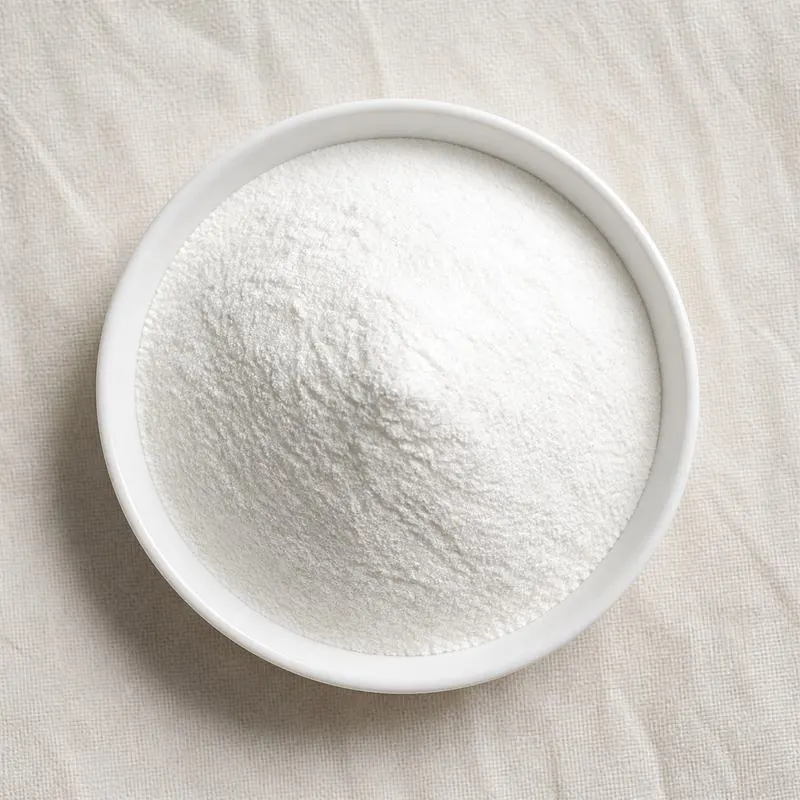
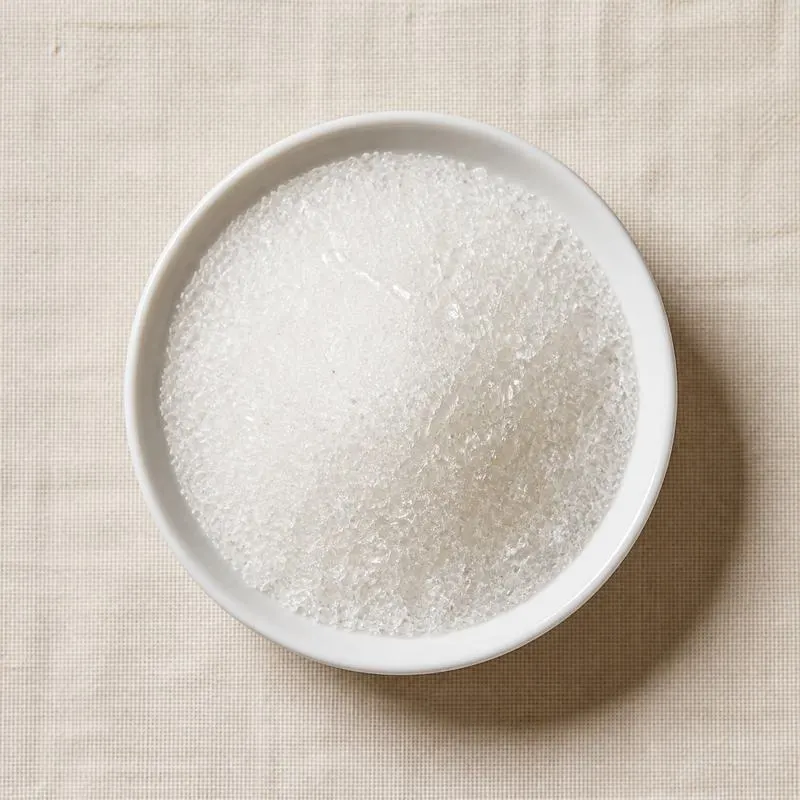
High Concentrated Lactobacillus Fermented
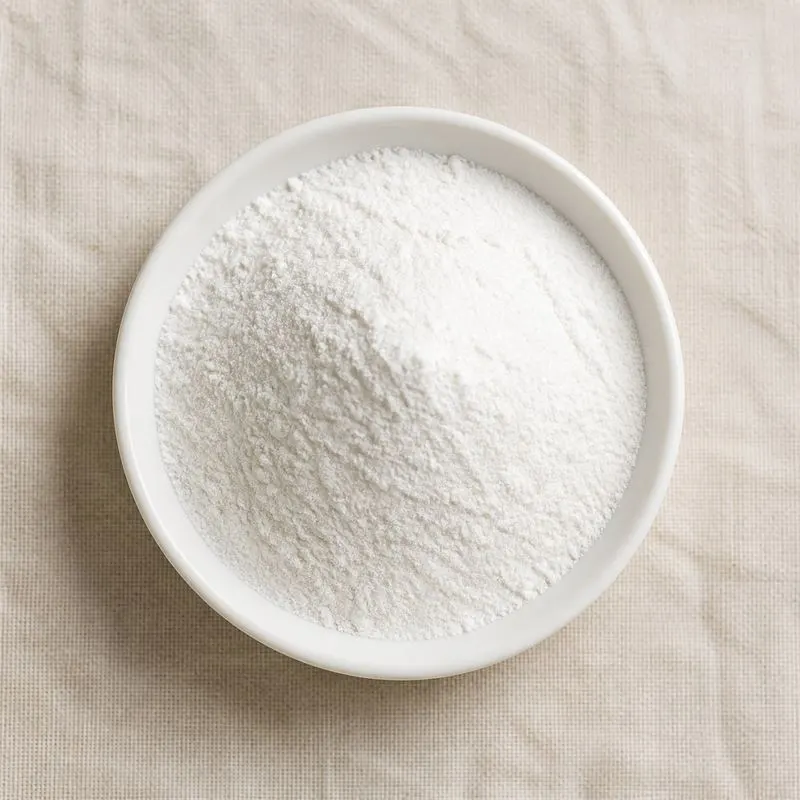
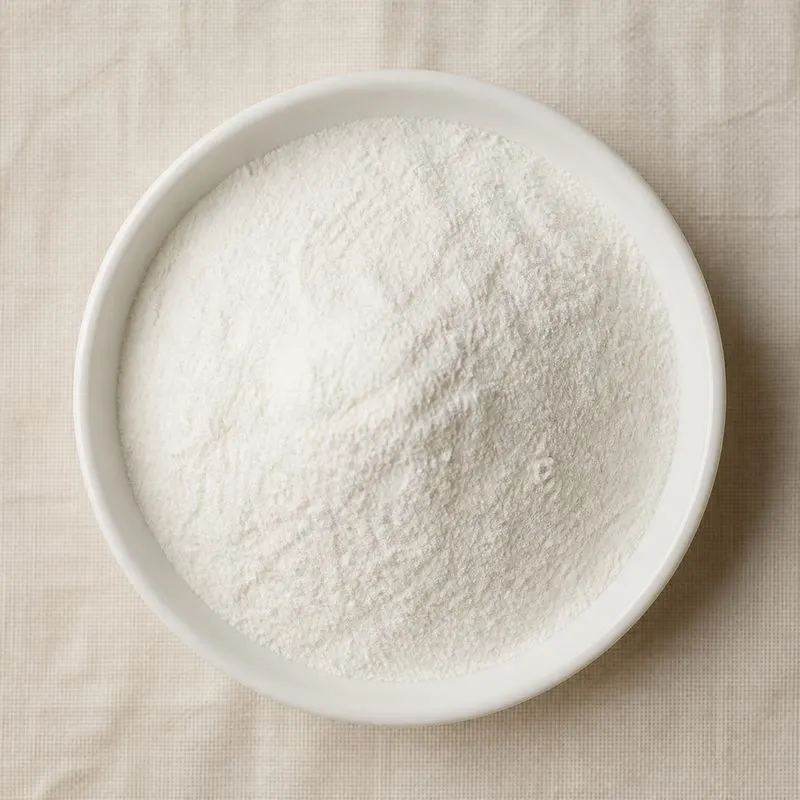
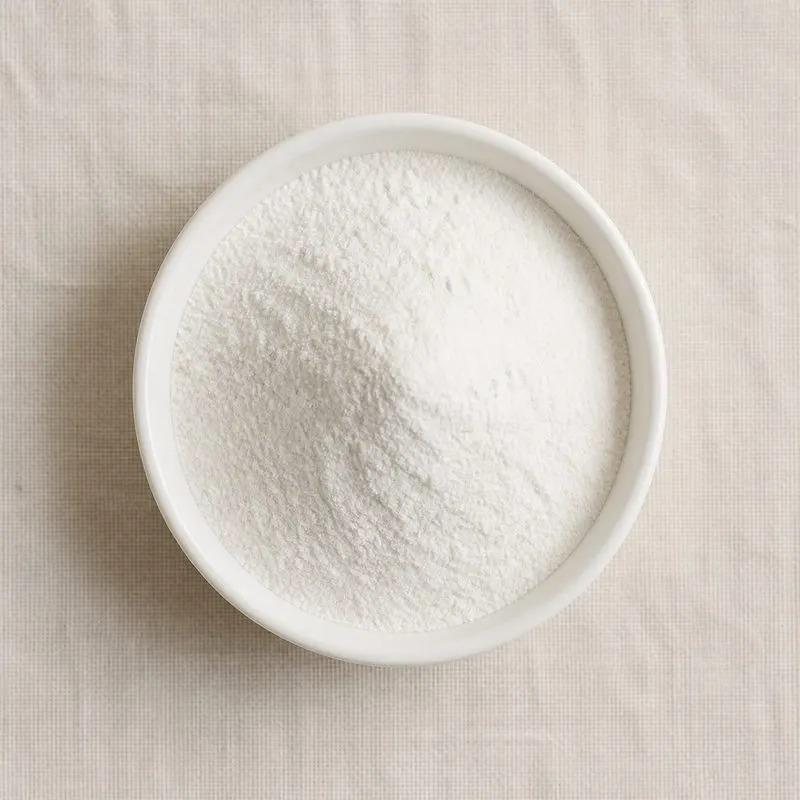
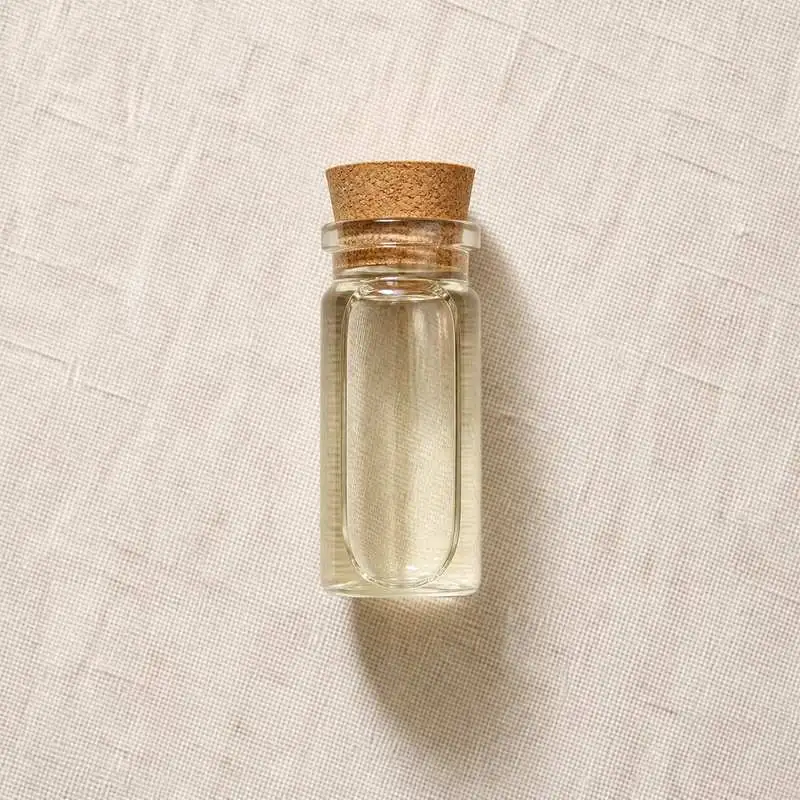
High Concentrated Lactobacillus Fermented is a concentrated fermentate produced by controlled industrial fermentation of selected Lactobacillus strains in a defined nutrient medium, with the spent culture matrix subsequently inactivated, concentrated, and either spray-dried or left as a liquid concentrate.
The finished ingredient contains heat-killed bacterial cells, fermentation metabolites (lactic acid, short-chain fatty acids, exopolysaccharides, free amino acids, vitamins, and bioactive peptides), and a low residual carrier solids fraction.
We source bulk High Concentrated Lactobacillus Fermented from top China manufacturers for our partners. The manufacturer is in Jiangsu. A smaller requirement can ship in a combined container with other ingredients.
Please send the grade you need, the volume and your destination port, and we will come back with a solution and a price.
or call +86-21-6858 0751
- Packaging
- 20 kg fibre drum with double PE liner
- ISO 9001
- HACCP
- Halal
- Kosher
Specifications
Grades / Types Available: Food Grade, Feed Grade
| Item | Specification |
|---|---|
| Appearance | Beige to yellow liquid or suspension |
| Live Count (live version) | ≥1 × 10¹⁰ CFU/ml |
| Solids | 3–8% |
| Lactic Acid | 1.0–2.5% |
| pH | 3.5–4.2 |
| Protein | 1.0–3.0% |
| Pasteurisation (postbiotic) | 80 °C / 10 min |
| Total Plate Count (postbiotic) | ≤100 cfu/ml |
| Coliforms | Negative |
| Salmonella | Absent in 25ml |
| Storage (live) | -18 °C |
| Purity (Food Grade) | ≥ 10 billion CFU/ml |
| Viscosity | < 1000 cP |
| Moisture/Loss on Drying | < 5% |
| Yeast & Mold | < 100 CFU/ml |
Common Markets Grades
Two principal formats reach the market: liquid concentrate and spray-dried powder.
Liquid concentrate runs at total solids of 25 to 45 percent, typically standardised to a defined lactic acid content (often 4 to 8 percent) and a total dead-cell count specification.
Spray-dried powder holds moisture below 6 percent, with maltodextrin or skim milk powder as the standard carriers.
Strain identity is documented at the species level (typically Lactobacillus acidophilus, Lactobacillus rhamnosus, Lactobacillus plantarum, or a defined blend) and verified by 16S rRNA sequencing or species-specific PCR.
Each lot is qualified for total solids, lactic acid content, residual viable count (which should be below the specification limit for a postbiotic ingredient), Enterobacteriaceae, yeasts and moulds, and Salmonella.
Applications
- Functional beverage formulations including dairy and plant-based drinks
- Yogurt-style fermented products and ready-to-drink probiotic-adjacent beverages
- Nutritional supplements in capsule, sachet, and gummy formats
- Infant and toddler nutrition formulations under defined regulatory pathways
- Animal nutrition and aquaculture feeds as a fermentation product
- Skincare formulations in the postbiotic and microbiome-friendly category
- Fermented condiments and traditional pickled vegetable bases
- Sports nutrition and recovery beverages
- Cereal bars and functional bakery products
- Sauces and dressings carrying fermentation-positioned claims
- Frozen desserts and ice creams in the better-for-you category
China Manufacturers of High Concentrated Lactobacillus Fermented
Top High Concentrated Lactobacillus Fermented manufacturers in China.

Company names and logos are the property of the manufacturers themselves. They are listed here because our own directory records them as producing this ingredient. A listing is not an endorsement by them, and we do not represent them or speak on their behalf.
How We Help Source High Concentrated Lactobacillus Fermented
Direct Factory Sourcing
We run the whole process: selecting the manufacturer from the top Chinese food ingredient producers, negotiating the price, verifying quality, and coordinating the logistics. You deal with us instead of with several factories at once.
Original Packaging and Documents from the Manufacturer
The manufacturer sends your High Concentrated Lactobacillus Fermented out of its own factory in the original packing, through to your destination port. The COA, COO, MSDS, TDS and any certifications reach you from the manufacturer as well.
Free Samples and Lead Time
We send 100 to 500 g free for your own laboratory to test and you cover only the courier, usually within 2 to 3 working days. ETD is usually within 7 to 15 days once the order is confirmed, and we check that date against the factory's own manufacturing schedule before we give it to you.
Combined Shipment
We can load High Concentrated Lactobacillus Fermented together with other ingredients such as Postbiotics, Yeast β-Glucan and Selenium Enriched Yeast into one 20' FCL. If your quantity is small, we can also ship LCL.
Regulatory Status
High Concentrated Lactobacillus Fermented is regulated as a fermentation-derived food ingredient rather than a live probiotic.
Because the bacterial cells are inactivated, the ingredient does not fall under the regulatory pathway for live probiotic strains and is generally treated as a postbiotic or a fermentate.
In the U.S. the ingredient is sold under self-affirmed GRAS or FDA GRAS notification depending on strain identity and use level.
In the EU it is treated as a food ingredient or a Novel Food depending on the strain history of safe use.
The International Scientific Association for Probiotics and Prebiotics (ISAPP) published a consensus definition of postbiotics in 2021 that explicitly covers inactivated microbial preparations of this type. Halal, Kosher, and non-GMO certifications are routinely available.
Manufacturing Process
Production starts with selection of a defined Lactobacillus strain or strain blend from a master cell bank.
The working culture is propagated through staged seed fermenters into a production-scale stirred-tank fermenter, typically of 5,000 to 50,000 litre working volume.
The medium is based on a dairy or plant-derived nitrogen source, glucose or lactose as the primary carbohydrate, and a defined mineral and vitamin package.
Fermentation is run at 37 to 42 degrees Celsius under anaerobic or microaerophilic conditions for 16 to 36 hours, with pH controlled by automated addition of ammonia or sodium hydroxide.
At the end of fermentation, the culture is heat-treated at 70 to 90 degrees Celsius to inactivate the bacterial cells and stabilise the matrix.
The inactivated broth is concentrated by ultrafiltration or vacuum evaporation, then either filled as a liquid concentrate or spray-dried with a suitable carrier. Each lot is verified by lactic acid assay, total solids, dead-cell count, and microbial safety panel.