Lactobacillus Rhamnosus
Lactobacillus rhamnosus, reclassified as Lacticaseibacillus rhamnosus, is a facultatively heterofermentative lactic acid bacterium of the casei group and one of the most widely traded probiotic species, sold as a freeze dried culture concentrate standardised on viable count.
The species grows across a wide temperature band, tolerates bile salts and low gastric pH, and adheres strongly to intestinal mucus through pili and surface proteins, which is why it persists in the gut longer than most lactobacilli and why it became the reference organism for probiotic research. It ferments a broad range of sugars, produces lactic acid without appreciable gas, and grows well aerobically as well as anaerobically, which simplifies fermentation compared with the strictly anaerobic species.
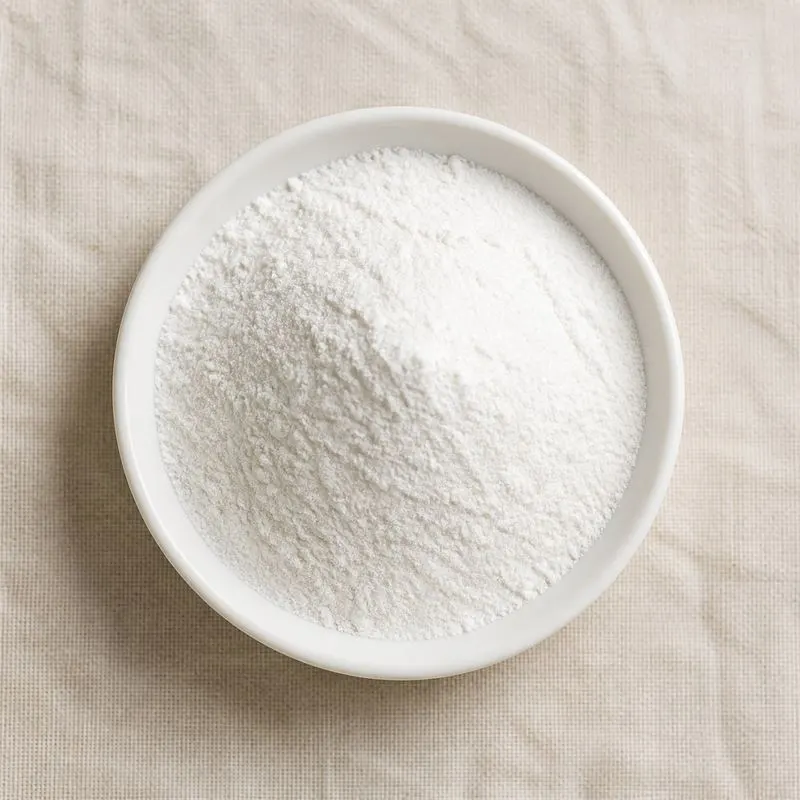
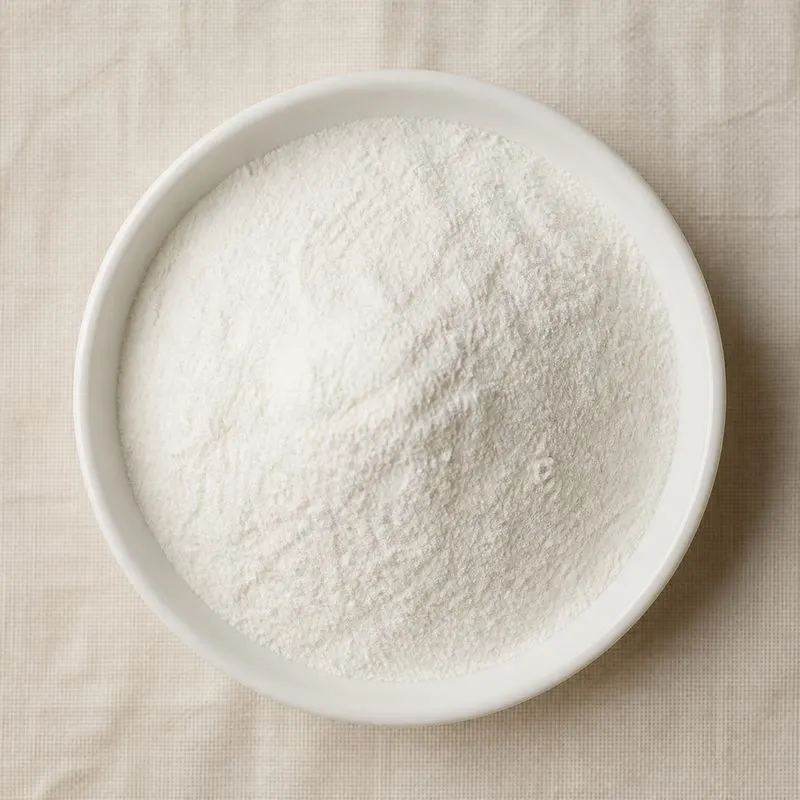
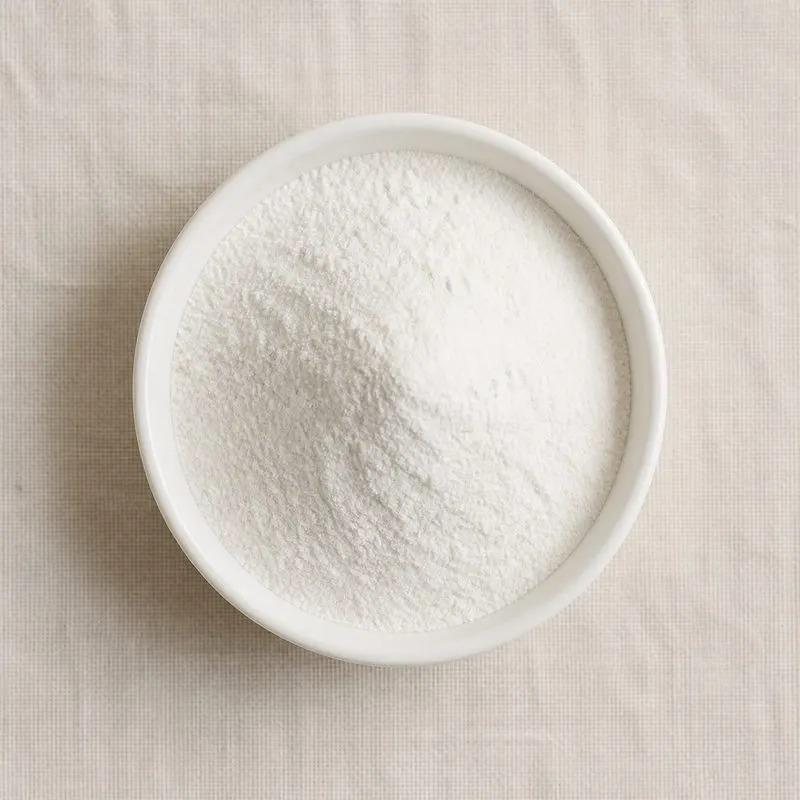
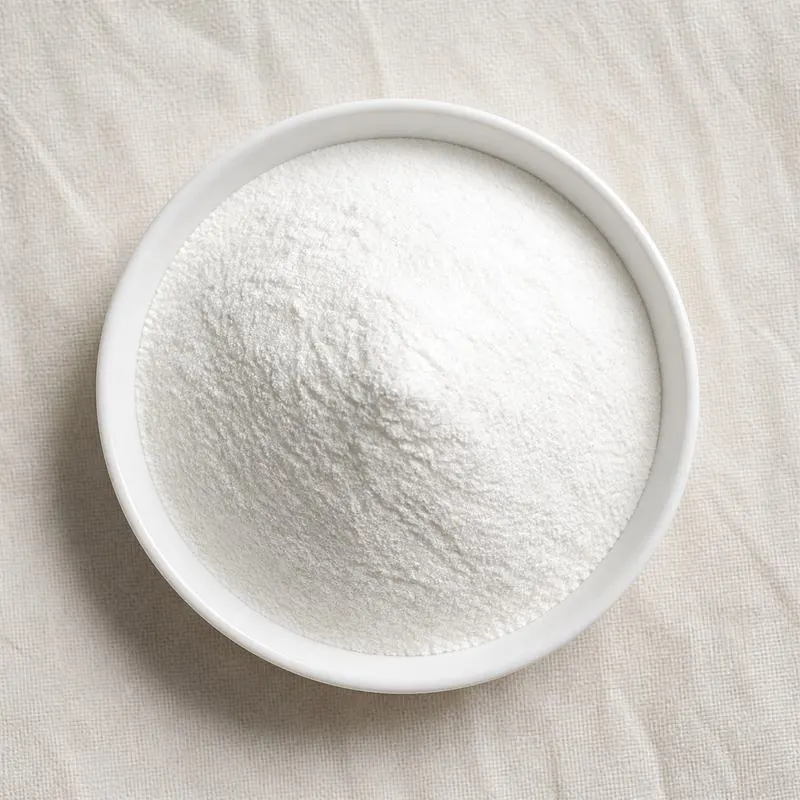
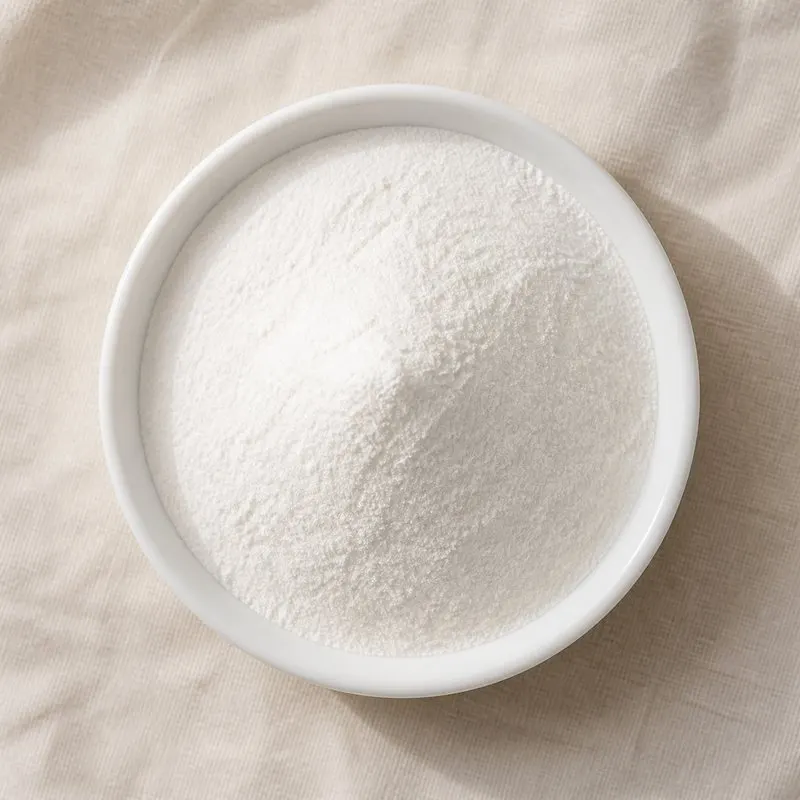
Commercial material is an off-white to cream freeze dried powder standardised with maltodextrin and packed under nitrogen. It is more robust through drying and storage than acidophilus or bifidobacteria, which is one reason it appears in shelf-stable ambient formats, but it remains hygroscopic and is blended under controlled humidity.
We source bulk Lactobacillus Rhamnosus from top China manufacturers for our partners. The manufacturer is in Sichuan. A smaller requirement can ship in a combined container with other ingredients.
Please send the grade you need, the volume and your destination port, and we will come back with a solution and a price.
or call +86-21-6858 0751
- Function
- Probiotic
Specifications
| Item | Specification |
|---|---|
| Appearance | Off-white to light cream free-flowing powder |
| Odour | Characteristic fermented, free of off odours |
| Viable Count at Release | Not less than 100 billion CFU/g |
| Identification | Conforms to strain identity by 16S rRNA sequencing and pulsed field gel electrophoresis |
| Loss on Drying | Not more than 6.0 percent |
| Water Activity | Not more than 0.25 |
| Particle Size | Passes 80 mesh, not less than 95 percent |
| Lead as Pb | Not more than 0.5 mg/kg |
| Arsenic as As | Not more than 0.5 mg/kg |
| Cadmium as Cd | Not more than 0.3 mg/kg |
| Total Coliforms | Not more than 10 CFU/g |
| Yeast and Mould | Not more than 100 CFU/g |
| E. coli | Absent in 1 g |
| Salmonella | Absent in 25 g |
Common Markets Grades
The species is traded as freeze dried powder at declared potencies from around 100 billion to 400 billion CFU per gram on a maltodextrin carrier, and as frozen pellet concentrates above 100 billion CFU per gram for direct vat set in dairy plants.
Coated and microencapsulated grades produced by fluid bed coating or spray chilling into a fat matrix are traded for tabletting, gummies and moist matrices. Oil dispersible grades suspended in medium chain triglyceride are used for infant drops. Heat treated inactivated grades are also offered where a postbiotic rather than a live organism is wanted.
Applications
- Probiotic capsules, tablets and sachets sold on a declared viable count at end of shelf life
- Infant probiotic drops suspended in oil, one of the largest single applications for the species
- Infant and follow-on formula containing declared probiotic strains
- Fermented milk drinks and drinking yoghurts as a probiotic adjunct to the yoghurt culture
- Cheese manufacture as an adjunct culture influencing flavour development during ripening
- Women's health supplements formulated around urogenital flora
- Chewable tablets and gummies using the coated grade to survive compression and gelling
- Fermented plant based yoghurt alternatives and drinks
- Pet supplements and feed additives for gut flora management
Brands Using Lactobacillus Rhamnosus
Widely-distributed consumer products that list Lactobacillus Rhamnosus on the ingredient label.
- Nature's WayFortify 30 Billion Daily Probiotic ↗The Lactobacilli blend in this 11-strain daily probiotic capsule lists Lactobacillus rhamnosus GG and HOWARU Lactobacillus rhamnosus HN001 in the supplement facts panel.Label verified 2026-08-31
- Nature's WayPrimadophilus Reuteri Probiotics ↗A three-strain probiotic capsule whose proprietary blend names Lactobacillus rhamnosus UALr-18 alongside L. reuteri and L. acidophilus.Label verified 2026-08-31
- CodeageDaily Synbiotic ↗A five-strain prebiotic and probiotic capsule delivering 30 billion CFU, with Lactobacillus rhamnosus listed first among the strains.Label verified 2026-08-31
- CodeageSleep Probiotic+ ↗This probiotic and magnesium bisglycinate formula names Lactobacillus rhamnosus in its probiotic blend along with Lactiplantibacillus plantarum and Bifidobacterium longum.Label verified 2026-08-31
Brand names, product names and logos are the property of their owners. They appear here as published evidence that the ingredient is used, taken from the brand's own label or website. Their appearance is not an endorsement, and it does not mean the brand buys from us or from any manufacturer listed on this site.
China Manufacturers of Lactobacillus Rhamnosus
Top Lactobacillus Rhamnosus manufacturers in China.

Company names and logos are the property of the manufacturers themselves. They are listed here because our own directory records them as producing this ingredient. A listing is not an endorsement by them, and we do not represent them or speak on their behalf.
Regulatory Status
In the United States Lacticaseibacillus rhamnosus is used in food under GRAS status, with strain specific GRAS notifications filed for strains intended for infant formula and other defined food applications. Supplement use falls under the dietary supplement framework rather than a food additive regulation.
In the European Union food cultures are ingredients rather than additives and carry no E number. The species is on the EFSA Qualified Presumption of Safety list, which addresses safety at species level and leaves strain level matters such as transferable antibiotic resistance to the individual dossier. Codex recognises starter and probiotic cultures within its standard for fermented milks.
Manufacturing Process
A working vial from the strain bank is propagated through seed flasks and seed fermenters into a production fermenter charged with a sterilised medium of glucose or lactose, a dairy or plant protein hydrolysate, yeast extract and mineral salts. The species grows under both aerobic and anaerobic conditions, so fermentation is usually run with a light headspace overlay at controlled temperature, with alkali dosed continuously to hold pH against the lactic acid formed.
The broth is concentrated by centrifugation or microfiltration to a cell paste and blended with a cryoprotectant such as trehalose, sucrose or skim milk solids. The concentrate is frozen as pellets in liquid nitrogen or as a bulk cake and freeze dried under vacuum, then milled, standardised with maltodextrin to the declared count, blended for uniformity and packed under nitrogen.