High F-value Oligopeptides
High F-value oligopeptides are protein hydrolysates fractionated so that the branched chain amino acids valine, leucine and isoleucine are abundant while the aromatic amino acids phenylalanine, tyrosine and tryptophan are largely removed. The F value, or Fischer ratio, is the molar ratio between those two groups, and commercial material is specified at a ratio of 20 or above against roughly 3 in the parent protein.
Chain length is the second defining attribute. The product is an oligopeptide, most of its mass sitting between two and ten residues, which keeps it soluble and rapidly absorbed compared with an equivalent free amino acid mixture, and avoids the osmotic load and harsh taste that free amino acids bring.
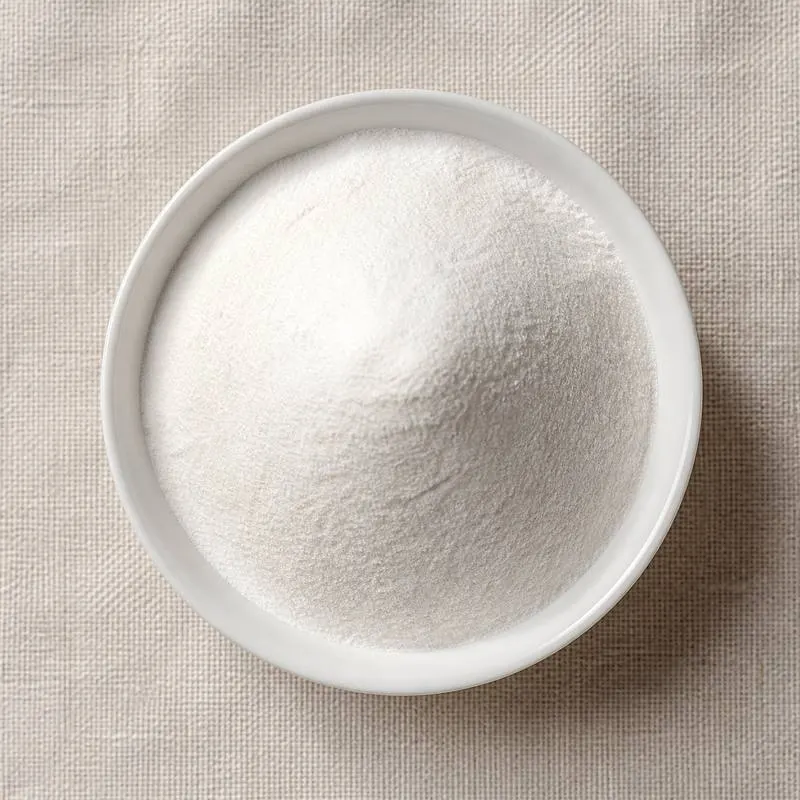
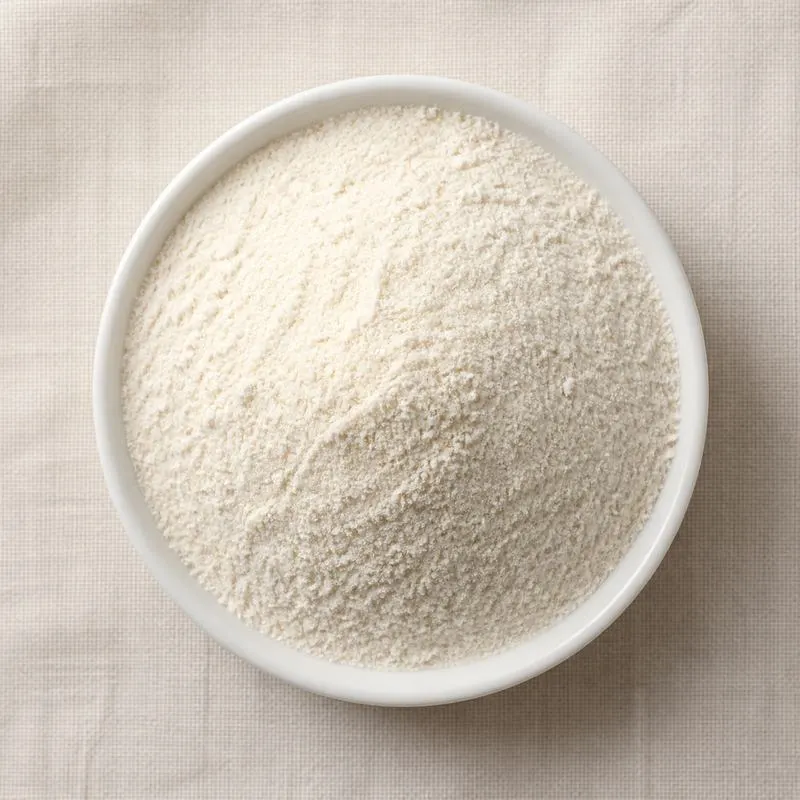
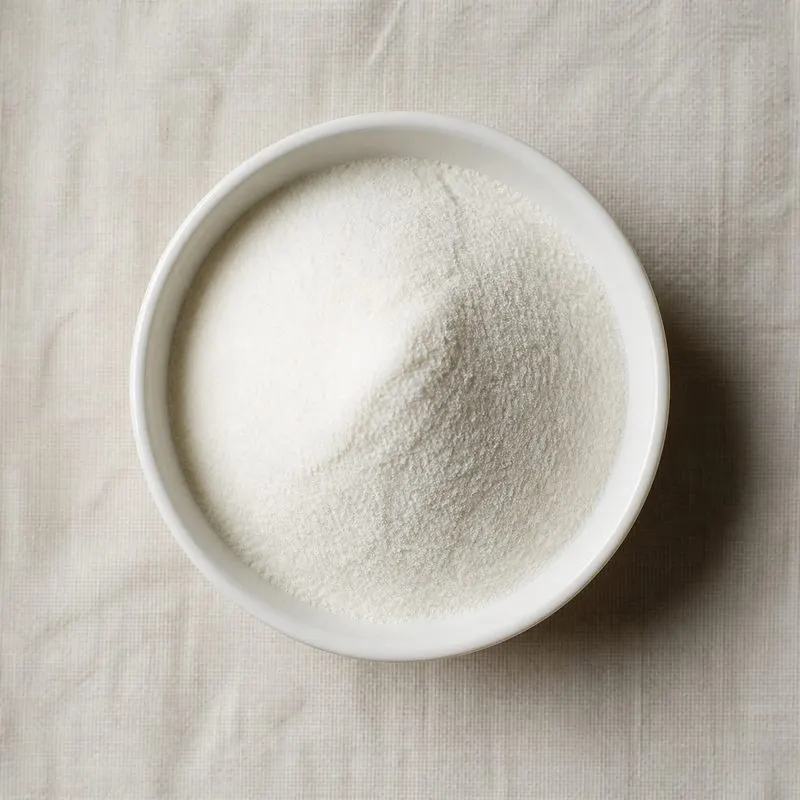
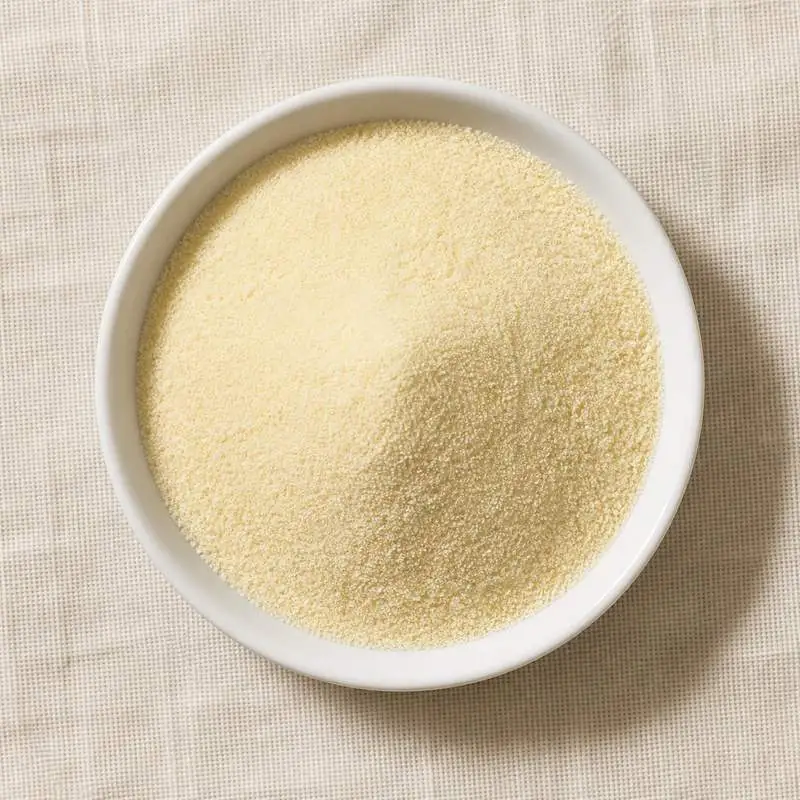
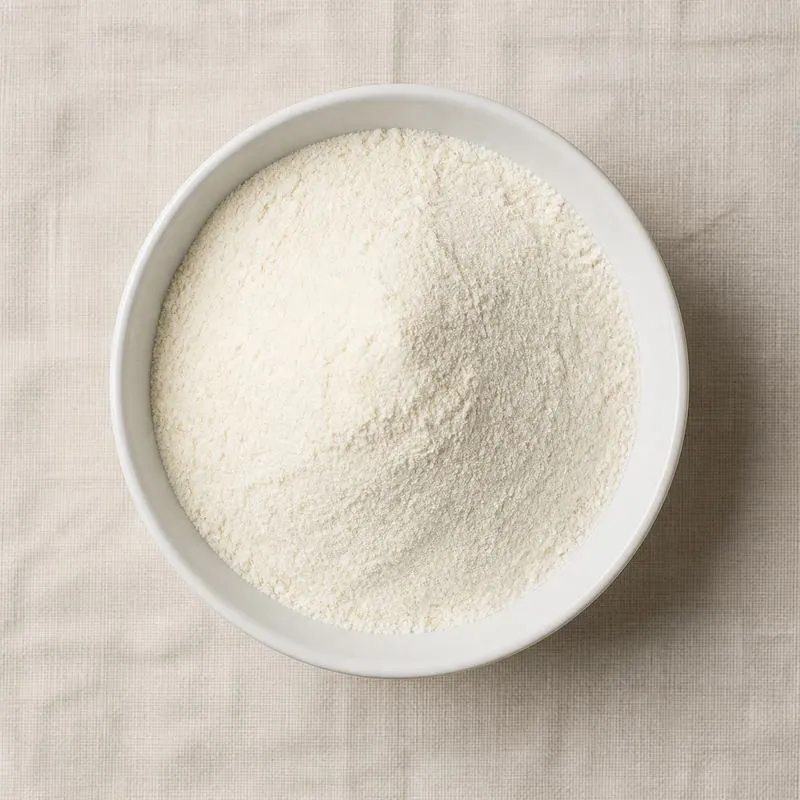
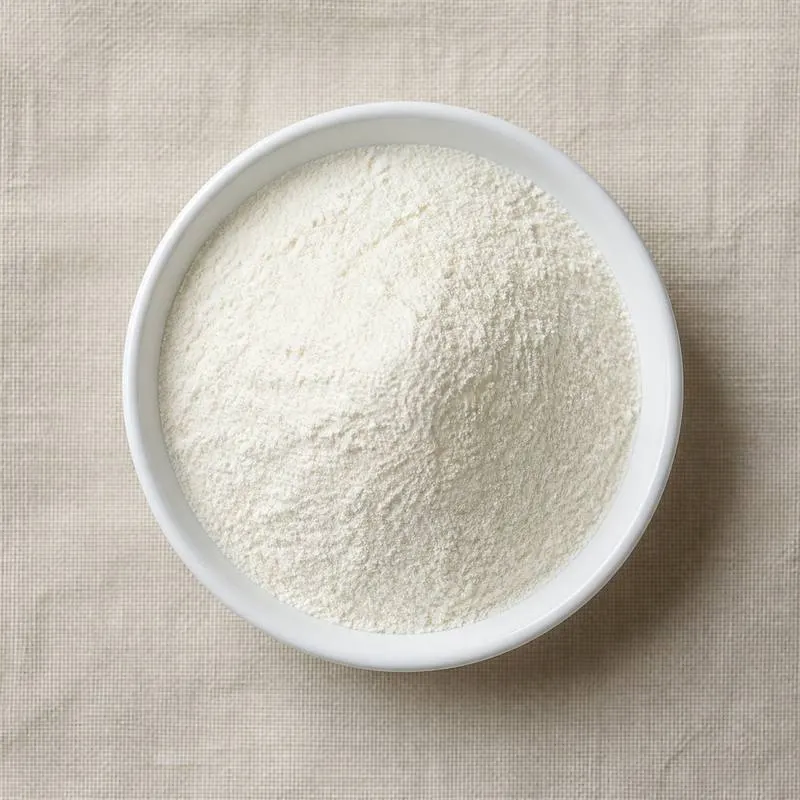
The powder is white to pale yellow, freely soluble in water at any pH of practical interest, and stable to pasteurisation and to the acid conditions of a fruit flavoured drink. Removing the aromatic residues also removes much of the bitterness normally associated with a deep hydrolysate, so solutions taste flat and slightly savoury rather than harsh. The ingredient is bought for that amino acid ratio rather than for any texturising function, and it contributes nothing to viscosity or gelation.
We source bulk High F-value Oligopeptides from top China manufacturers for our partners. The manufacturer is in Shandong. A smaller requirement can ship in a combined container with other ingredients.
Please send the grade you need, the volume and your destination port, and we will come back with a solution and a price.
or call +86-21-6858 0751
- Function
- Protein
Specifications
| Item | Specification |
|---|---|
| Appearance | White to pale yellow fine powder |
| Odour and Taste | Faint characteristic odour, slightly savoury, not bitter |
| Fischer Ratio (BCAA to AAA, molar) | Minimum 20 |
| Protein (N x 6.25, dry basis) | Minimum 85.0% |
| Peptide Content (dry basis) | Minimum 75.0% |
| Molecular Weight below 1000 Da | Minimum 85.0% |
| Free Amino Acids | Maximum 15.0% |
| Loss on Drying | Maximum 6.0% |
| Ash | Maximum 6.0% |
| pH (1% solution) | 5.5 to 7.5 |
| Lead | Maximum 0.5 mg/kg |
| Arsenic | Maximum 0.5 mg/kg |
| Total Plate Count | Maximum 1,000 cfu/g |
| Escherichia coli and Salmonella | Absent in 25 g |
Common Markets Grades
Grades are defined by the Fischer ratio achieved and by the feedstock protein. Ratios of 20 to 30 cover most commercial food grade material, while ratios above 30, which require a further adsorption pass and lose more yield, are used where a formulation is built specifically around the branched chain to aromatic balance. Residual phenylalanine is a stated attribute in its own right, since it is the residue the process is designed to eliminate.
Feedstocks in commercial use include casein and whey protein, maize gluten meal, soy protein and, in some Chinese plants, silkworm pupa and rice protein. The choice decides allergen declaration more than performance, so milk derived and plant derived grades are held as separate lines. Molecular weight is specified alongside the ratio, with most grades holding 85 percent or more of peptide mass below 1000 Daltons, and instantised or granulated versions are offered for stick pack and direct dissolution formats.
Applications
- Medical and clinical nutrition formulas for patients with impaired liver function, where the branched chain to aromatic ratio is the reason the ingredient exists
- Enteral tube feeding preparations requiring a rapidly absorbed nitrogen source with a defined amino acid balance
- Sports recovery drinks and stick packs positioned on branched chain amino acid content without the grittiness of free amino acids
- Anti fatigue and endurance formats in the East Asian functional beverage market
- Hangover and liver support drinks, a large category for this ingredient in China, Japan and Korea
- Convalescent and elderly nutrition powders, where absorption efficiency matters more than protein quantity
- Capsule and tablet supplements sold on amino acid ratio rather than on total protein
- Protein fortified clear beverages, where full solubility at low pH rules out intact protein
- Infant and paediatric specialty formulas in markets that permit hydrolysate based products
China Manufacturers of High F-value Oligopeptides
Top High F-value Oligopeptides manufacturers in China.

Company names and logos are the property of the manufacturers themselves. They are listed here because our own directory records them as producing this ingredient. A listing is not an endorsement by them, and we do not represent them or speak on their behalf.
Regulatory Status
In the United States hydrolysates of milk, soy and maize protein are conventional food ingredients used under good manufacturing practice, and a fractionated oligopeptide made from them is handled on the same basis with a self determined generally recognised as safe conclusion supporting the specific process. Where the product is sold for the dietary management of liver disease it falls under the medical food provisions rather than the additive rules, and where it is sold as a supplement it is a dietary ingredient under the Dietary Supplement Health and Education Act. Allergen labelling applies according to the feedstock, so milk or soy must be declared when either is the source protein.
In the European Union hydrolysates of established food proteins are not novel foods when the parent protein and the process fall within existing use, although a preparation obtained by a substantially new fractionation may need assessment on that point before being placed on the market. Products intended for patients are governed by the framework for food for special medical purposes, which sets compositional and labelling requirements and requires notification to the competent authority. Milk and soy are listed allergens under Regulation (EU) No 1169/2011 and must be emphasised in the ingredient list. There is no E number, since the material is an ingredient rather than an additive, and neither Codex nor JECFA has published a specification for it, though the Codex standard for foods for special medical purposes governs the finished products it goes into.
Manufacturing Process
Production begins with a protein of known composition, most often casein, whey or maize gluten meal, dispersed in water and adjusted to the working pH. The protein is hydrolysed in stages, an endoprotease opening the chains first and an exopeptidase preparation then releasing terminal residues, the reaction being pushed further than in an ordinary hydrolysate because free aromatic amino acids can only be removed once they have been cut loose from the chain. The enzymes are then inactivated by heat and the digest is centrifuged and filtered.
The step that defines the product is selective removal of the aromatic fraction. Activated carbon adsorbs phenylalanine, tyrosine and tryptophan far more strongly than it does the aliphatic and branched chain residues, so passing the hydrolysate through a carbon column, sometimes twice, strips the aromatic amino acids while leaving the branched chain peptides in the effluent. Some plants follow with a hydrophobic or specifically modified resin to lift the ratio further. The treated liquor is then ultrafiltered and nanofiltered to hold the oligopeptide window and remove salts, concentrated under vacuum, and spray dried. The Fischer ratio is verified by amino acid analysis on the finished powder, and material that misses the target is reprocessed rather than blended down.