High Organic Selenium Malt
High organic selenium malt is a barley malt in which selenium has been biologically incorporated during germination, so that the element is carried almost entirely as selenium-substituted amino acids rather than as an inorganic salt.
Barley grown or steeped in a selenium-containing medium assimilates selenite through the sulphur metabolic pathway, replacing sulphur in methionine and cysteine to give selenomethionine and selenocysteine. Selenomethionine typically accounts for the majority of the total selenium, with the balance made up of methylselenocysteine, selenocysteine and small amounts of unconverted inorganic residue. This organic speciation is the reason the material is used in place of sodium selenite, since protein-bound selenium is absorbed by the same routes as ordinary dietary amino acids.
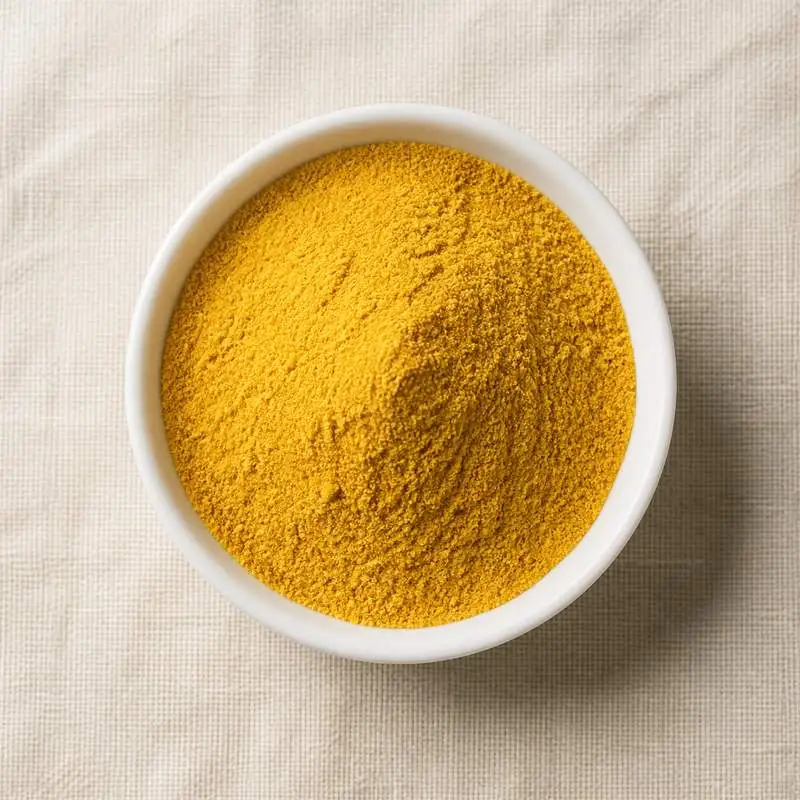
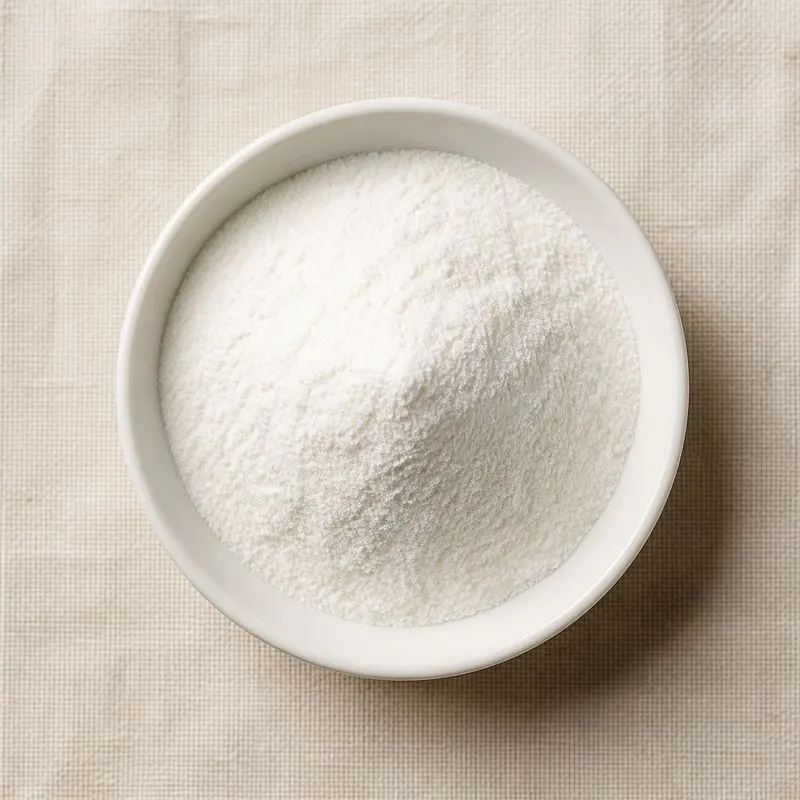
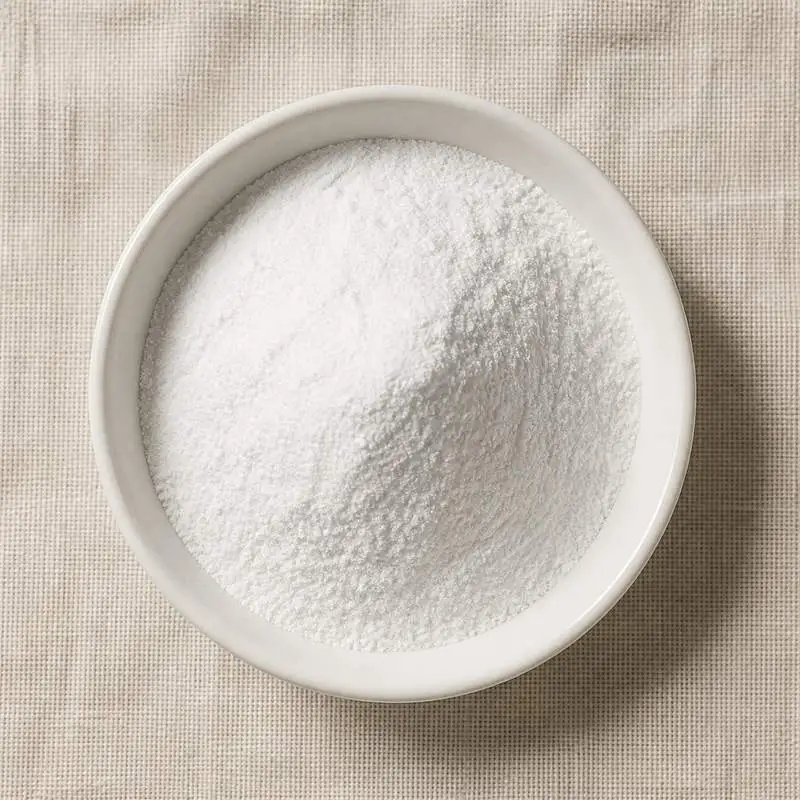
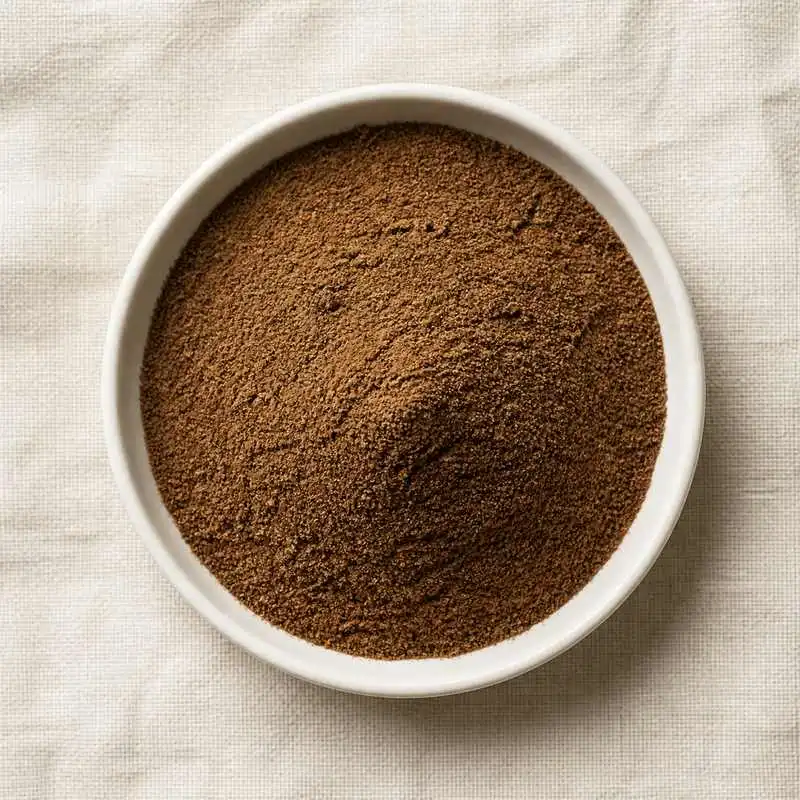
The finished ingredient is a light brown to tan free-flowing powder with a mild cereal odour, milled from kilned malt. It is not water soluble in the sense of a mineral salt: the selenium is bound within the grain protein matrix and is released on digestion, so the powder disperses rather than dissolves. Dry selenium content is stable to normal tabletting and blending, though prolonged high-temperature wet processing degrades the amino acid carriers.
We source bulk High Organic Selenium Malt from top China manufacturers for our partners. The manufacturer is in Beijing. A smaller requirement can ship in a combined container with other ingredients.
Please send the grade you need, the volume and your destination port, and we will come back with a solution and a price.
or call +86-21-6858 0751
- Function
- Nutraceutical
Specifications
| Item | Specification |
|---|---|
| Appearance | Light brown to tan free-flowing powder |
| Odour and taste | Characteristic malt, no foreign odour |
| Total selenium | 2000 mg/kg plus or minus 10 percent |
| Organic selenium | Not less than 98 percent of total selenium |
| Selenomethionine | Not less than 60 percent of total selenium |
| Identification | Conforms by HPLC-ICP-MS speciation |
| Loss on drying | Not more than 8.0 percent |
| Ash | Not more than 6.0 percent |
| Particle size | Not less than 95 percent through 80 mesh |
| Heavy metals | Not more than 10 mg/kg |
| Lead | Not more than 2.0 mg/kg |
| Arsenic | Not more than 1.0 mg/kg |
| Cadmium | Not more than 0.5 mg/kg |
| Total plate count | Not more than 10,000 cfu/g |
| Yeast and mould | Not more than 500 cfu/g |
| E. coli | Negative in 1 g |
| Salmonella | Negative in 25 g |
Common Markets Grades
Trade grades are defined by total selenium loading. Common specifications sit at 500, 1000, 2000 and 3000 mg/kg of total selenium, with 1000 and 2000 mg/kg the volume grades for premix work. Higher-loading material reduces the carrier weight in a tablet but demands tighter blend uniformity control.
The second specification point is the organic fraction, quoted as organic selenium as a percentage of total selenium, usually at a minimum of 97 or 98 percent, with selenomethionine separately declared. Powder runs at 60 to 100 mesh for capsules and tablets, and a coarser 40 mesh granular version is traded for feed premix where dusting matters. Feed grade uses the same fermentation route but carries wider heavy metal and microbiological limits than food and supplement grade.
Applications
- Adult multivitamin and multimineral tablets, supplying selenium in an organic form that avoids the taste and reactivity of selenite
- Single-nutrient selenium supplements, where the malt carrier also provides the tablet bulk
- Antioxidant complex formulas combined with vitamin E, zinc and beta-carotene
- Thyroid support supplements, selenium being a cofactor of the deiodinase enzymes
- Fortified cereal beverages and instant grain powders, where the malt base is compatible with the matrix
- Nutritional bars and functional biscuits, added dry with the flour blend
- Livestock and poultry premixes for selenium-deficient soil regions, improving retention over inorganic sources
- Aquaculture feed for salmonids and shrimp, supporting antioxidant status during grow-out
- Pet food premixes, where organic selenium is preferred for stability alongside vitamin E
China Manufacturers of High Organic Selenium Malt
Top High Organic Selenium Malt manufacturers in China.

Company names and logos are the property of the manufacturers themselves. They are listed here because our own directory records them as producing this ingredient. A listing is not an endorsement by them, and we do not represent them or speak on their behalf.
Regulatory Status
In the United States selenium is an essential nutrient, and the Dietary Supplement Health and Education Act permits it in dietary supplements as a dietary ingredient, with selenium-enriched biomass ingredients marketed on that basis; selenium-enriched yeast, the closest analogue, has been the subject of GRAS notifications for use in foods and infant formula, and 21 CFR Part 107 addresses selenium sources for infant formula. Use in animal feed falls under the FDA selenium feed additive provisions of 21 CFR 573.920, which restrict permitted selenium sources and total added levels.
In the European Union, Regulation (EC) No 1170/2009 amending Annex II of Directive 2002/46/EC lists selenium-enriched yeast as an authorised source of selenium for food supplements; it does not list selenium-enriched malt separately, so material entering the EU is generally assessed against the novel food framework or sold for feed use under the relevant feed additive authorisations. Codex Alimentarius includes selenium compounds in its advisory list of nutrient compounds for use in foods for special dietary uses, and JECFA has evaluated selenium as a nutritionally essential trace element rather than as a food additive.
Manufacturing Process
Two-row or six-row food barley is cleaned, graded and steeped in water to raise moisture to around 45 percent. During the steeping and germination stages the grain bed is dosed with a controlled solution of sodium selenite. Over four to six days of germination at 15 to 18 degrees Celsius, the sprouting grain takes selenium up through its sulphate transporters and enzymatically substitutes it into the methionine and cysteine pool, so that the mineral becomes protein bound.
Germination is halted by kilning, a stepped hot-air drying that takes the green malt from roughly 45 percent moisture down to below 6 percent while keeping the temperature low enough to preserve the selenoamino acids. The kilned malt is derooted, then milled and sieved to the target mesh. Batches are assayed for total selenium by ICP-MS and for speciation by HPLC-ICP-MS, then blended to the declared loading with unenriched malt flour before packing.