High Organic Selenium Malt Peptide
High organic selenium malt peptide is a protein hydrolysate of selenium enriched barley malt, in which selenium is present bound into amino acid residues, principally as selenomethionine, rather than as an added inorganic salt.
The enrichment happens biologically. Barley is steeped and germinated in a solution containing a soluble selenium salt, and the sprouting grain takes the selenium up along the sulphur assimilation pathway, substituting selenium for sulphur in methionine and cysteine as it builds new protein. Hydrolysing that protein releases peptides that carry the selenoamino acids inside the chain, which is what distinguishes the ingredient from a simple physical blend of malt peptide and sodium selenite.
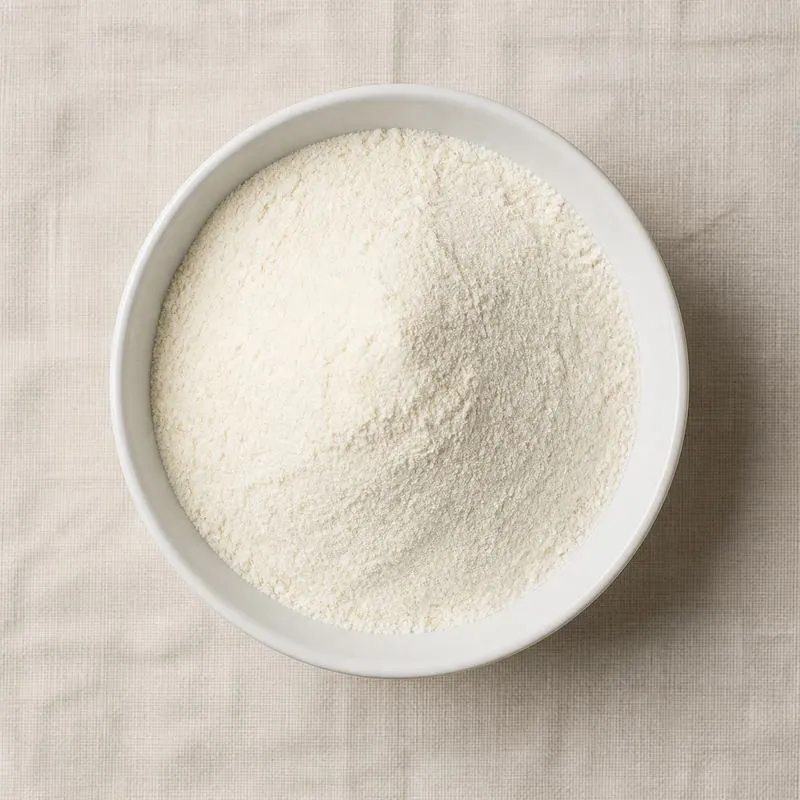
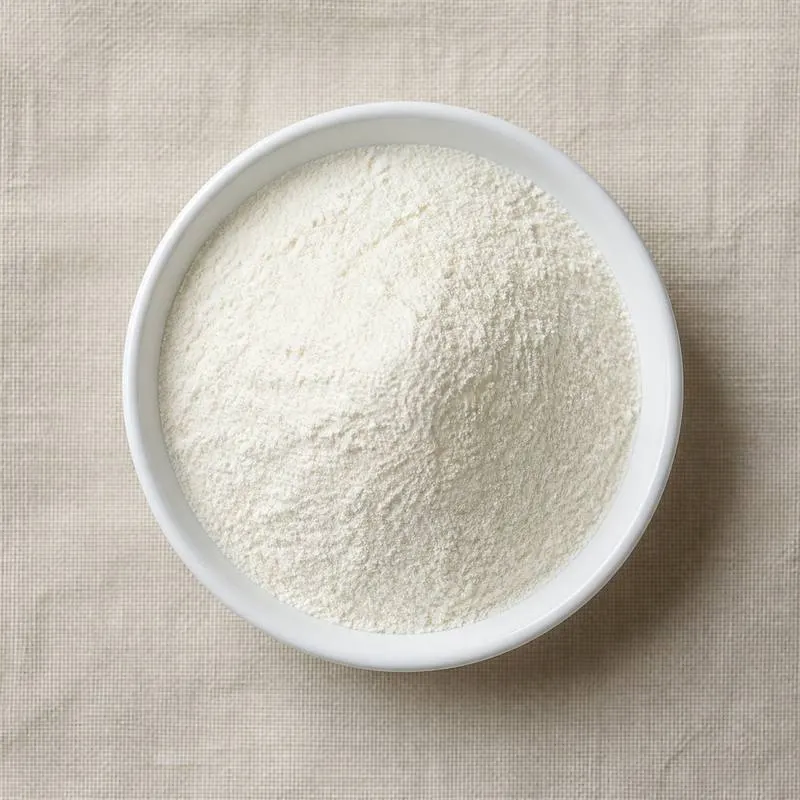
The powder is light yellow to pale brown, freely soluble in water, and mildly malty and sweet in flavour, so it can be dosed into drinks without the metallic note inorganic selenium salts carry. Selenium bound in peptide form is more stable to processing than selenite, which reduces readily, and it survives pasteurisation and dry blending. Total selenium is the main specification, together with the proportion present in organic form, which commercial material states at 95 percent or more of the total.
We source bulk High Organic Selenium Malt Peptide from top China manufacturers for our partners. The manufacturer is in Beijing. A smaller requirement can ship in a combined container with other ingredients.
Please send the grade you need, the volume and your destination port, and we will come back with a solution and a price.
or call +86-21-6858 0751
- Function
- Protein
Specifications
| Item | Specification |
|---|---|
| Appearance | Light yellow to pale brown fine powder |
| Odour and Taste | Characteristic malty odour, mildly sweet, no metallic note |
| Total Selenium | 500 to 2,000 mg/kg, standardised to the declared value |
| Organic Selenium (of total) | Minimum 95.0% |
| Inorganic Selenium | Maximum 2.0% of total selenium |
| Protein (N x 6.25, dry basis) | Minimum 60.0% |
| Molecular Weight below 3000 Da | Minimum 80.0% |
| Loss on Drying | Maximum 7.0% |
| Ash | Maximum 10.0% |
| pH (1% solution) | 5.0 to 7.0 |
| Lead | Maximum 0.5 mg/kg |
| Arsenic | Maximum 0.5 mg/kg |
| Total Plate Count | Maximum 10,000 cfu/g |
| Escherichia coli and Salmonella | Absent in 25 g |
Common Markets Grades
Grades are set by selenium loading rather than by protein content. Concentrated material for supplement and premix use carries several hundred to a few thousand milligrams of selenium per kilogram, while diluted grades standardised with maltodextrin are made for direct addition to beverages and staple foods where the dosing equipment cannot handle a small addition accurately. Every grade states total selenium, organic selenium as a percentage of total, and residual inorganic selenium, since the last of these is what a buyer is paying to avoid.
The peptide side of the specification follows the same pattern as other cereal hydrolysates, with protein at 60 percent or more on a dry basis and most peptide mass below 3000 Daltons. Related products from the same production concept, selenium enriched yeast and selenium enriched protein from other cereals, are traded separately and are not interchangeable in a regulatory sense even where the selenium content matches.
Applications
- Selenium supplements in tablet and capsule form, where an organically bound source is preferred to sodium selenite
- Functional beverages and instant powders in markets where selenium fortification is an established positioning
- Nutritional premixes blended into staple foods such as flour, salt and edible oil in selenium deficient regions
- Elderly and convalescent nutrition formulas, combining a readily absorbed peptide with a trace element
- Sports and antioxidant formulations, where selenium is included for its role in glutathione peroxidase activity
- Confectionery and gummy formats, where the mild malt flavour is easier to mask than an inorganic salt
- Animal feed premixes, particularly for poultry and swine, where organic selenium sources are used in place of selenite
- Cosmetic formulations positioned on antioxidant trace elements
- Selenium enriched agricultural inputs, applied as a foliar nutrient in crop biofortification programmes
China Manufacturers of High Organic Selenium Malt Peptide
Top High Organic Selenium Malt Peptide manufacturers in China.

Company names and logos are the property of the manufacturers themselves. They are listed here because our own directory records them as producing this ingredient. A listing is not an endorsement by them, and we do not represent them or speak on their behalf.
Regulatory Status
Selenium sources permitted for direct addition to conventional food in the United States are specified narrowly, with sodium selenite and sodium selenate named in the food additive regulations, and a selenium enriched cereal peptide is not among them. Its practical route to market is as a dietary ingredient in supplements under the Dietary Supplement Health and Education Act, where a new dietary ingredient notification may be required depending on the history of the specific material, and as a feed ingredient under the separate framework the Association of American Feed Control Officials and the Food and Drug Administration apply to selenium in animal nutrition, which caps selenium addition to feed.
In the European Union the annexes to Regulation (EC) No 1925/2006 and Directive 2002/46/EC list exhaustively the selenium forms that may be added to food supplements and to fortified foods. Those lists include sodium selenate, sodium selenite, sodium hydrogen selenite, L-selenomethionine and selenium enriched yeast produced by a specified culture method, but not selenium enriched malt or its hydrolysate, so this ingredient cannot be used in European Union food supplements unless the lists are amended after a European Food Safety Authority assessment. Codex includes several selenium compounds in its advisory list of nutrient compounds for use in foods for special dietary uses, again by named compound rather than by biological carrier. No E number applies, since selenium sources are nutrients and not additives.
Manufacturing Process
Clean malting barley is steeped in water dosed with a soluble selenium salt, most often sodium selenite, at a concentration high enough to load the grain but below the level at which germination is inhibited. The grain is then germinated under controlled temperature and humidity for several days. During germination the seedling assimilates selenium through the sulphur pathway and incorporates it into newly synthesised protein as selenomethionine and, to a smaller extent, selenocysteine, while its own amylases and proteases begin to break down the endosperm reserves.
The green malt is kilned to stop germination and dried, then milled. The meal is slurried in water and digested with food grade proteases, commonly a bacterial endoprotease followed by an exopeptidase, until the target degree of hydrolysis is reached, after which the enzymes are heat inactivated. The digest is centrifuged and filtered to remove spent grain solids, and the liquor is passed through ultrafiltration to hold back residual protein and starch. Because unassimilated inorganic selenium would otherwise carry through, the liquor is washed and desalted by nanofiltration or ion exchange, and total and inorganic selenium are measured at this point. The purified liquor is concentrated under vacuum, spray dried, standardised to the declared selenium content with maltodextrin where required, and packed.