Selenium Enriched Malt
Selenium enriched malt is a dried yeast or malt sprout preparation grown on a selenium supplemented medium so that the organism incorporates inorganic selenium into its own amino acids, converting it into organic bound forms. The commercial material sold under this name in the ingredient trade is closely related to selenium enriched yeast, and both trade as a whole dried biomass rather than as an isolated compound.
The point of the product is chemical form rather than element content. Sodium selenite and sodium selenate deliver selenium as an inorganic salt, whereas a biologically enriched preparation delivers most of its selenium as selenomethionine, in which selenium replaces the sulphur of methionine, along with smaller amounts of selenocysteine, methylselenocysteine and other seleno amino acids. Selenomethionine is incorporated non specifically into body protein and forms a tissue reserve, which is the basis on which the organic forms are traded at a premium over the inorganic salts.
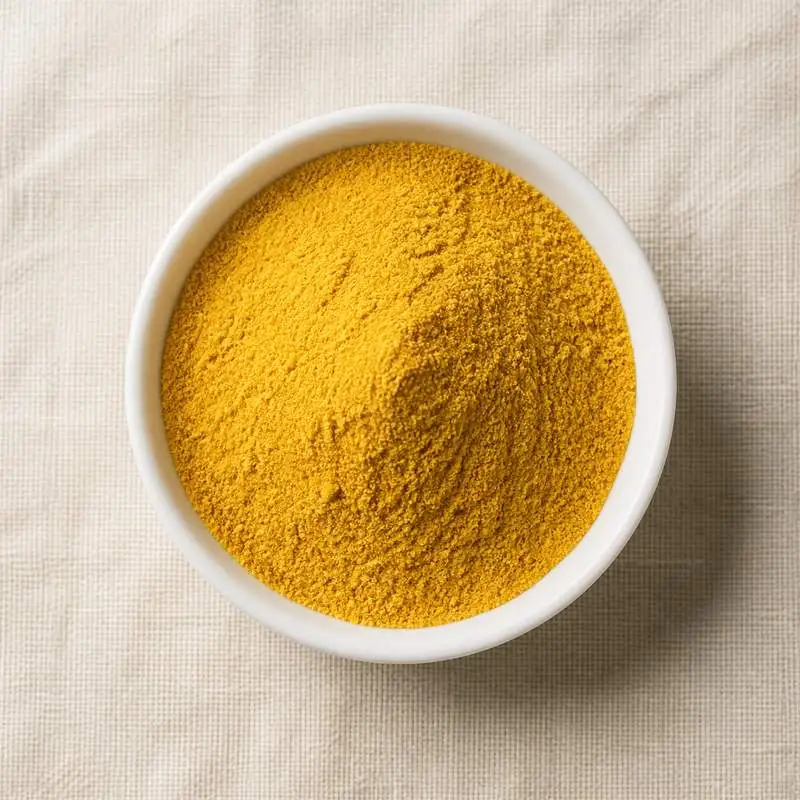
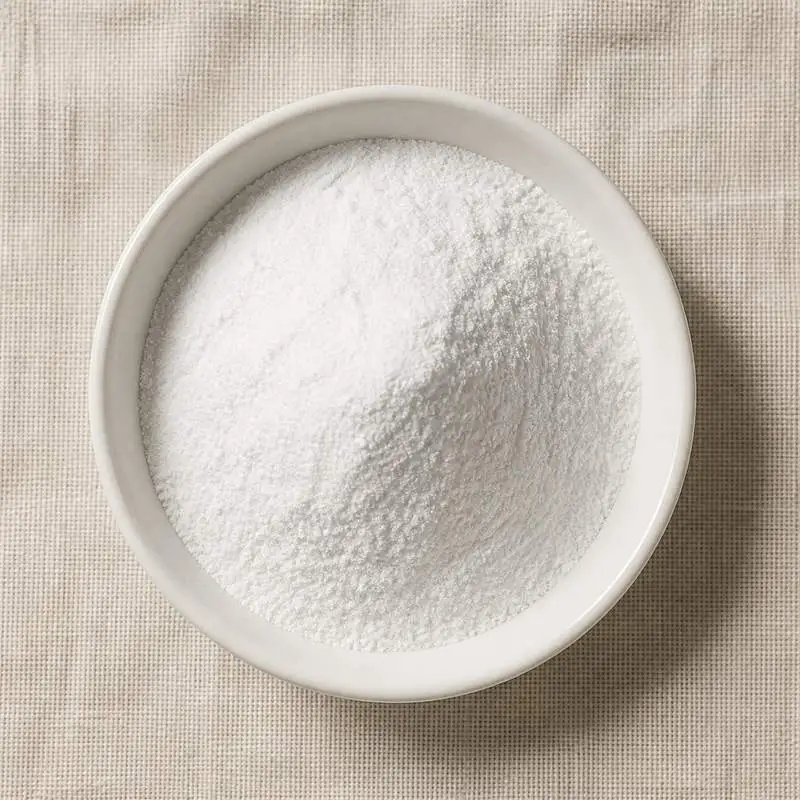
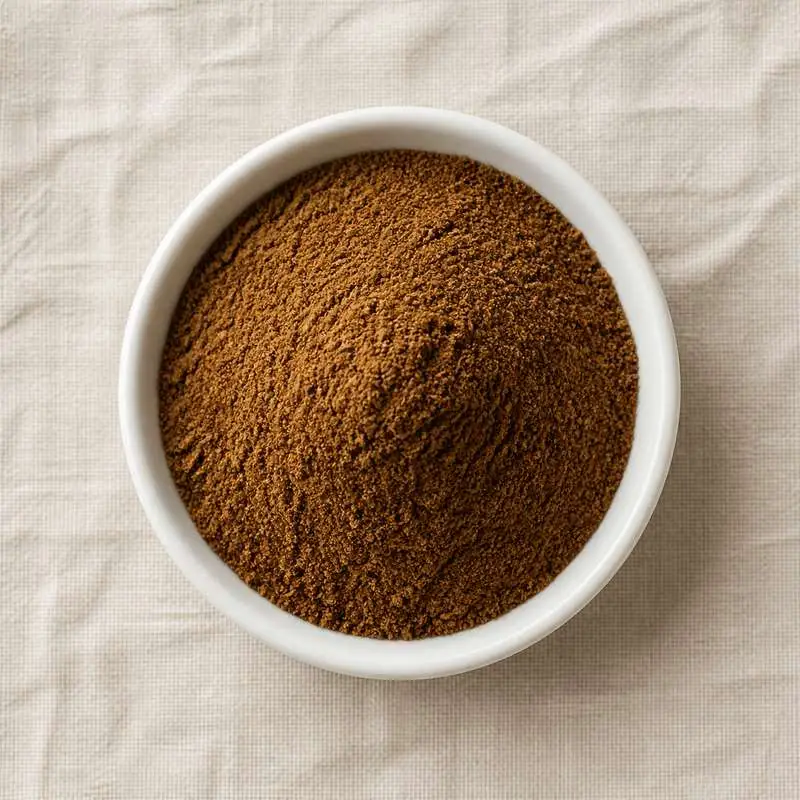
The product is a light brown to tan free flowing powder with a characteristic yeasty or malty odour, dispersible rather than soluble in water. It is stable under normal storage and handling and survives tabletting and most dry blending operations. Selenium content is low relative to the matrix, typically 1000 to 3000 milligrams per kilogram, so the powder is a dilute carrier and is dosed in milligram quantities into a finished formula.
We source bulk Selenium Enriched Malt from top China manufacturers for our partners. The manufacturers are in Beijing. A smaller requirement can ship in a combined container with other ingredients.
Please send the grade you need, the volume and your destination port, and we will come back with a solution and a price.
or call +86-21-6858 0751
- Function
- Nutraceutical
Specifications
| Item | Specification |
|---|---|
| Appearance | Light brown to tan free flowing powder |
| Odour and Taste | Characteristic yeasty or malty |
| Total Selenium | 2000 to 2400 mg/kg |
| Organic Selenium (of total) | Not less than 98.0 percent |
| Selenomethionine (of total selenium) | Not less than 60.0 percent |
| Inorganic Selenium | Not more than 2.0 percent of total |
| Crude Protein | Not less than 40.0 percent |
| Loss on Drying | Not more than 6.0 percent |
| Total Ash | Not more than 10.0 percent |
| Particle Size | Not less than 95 percent through 60 mesh |
| Lead | Not more than 2 mg/kg |
| Arsenic | Not more than 2 mg/kg |
| Cadmium | Not more than 1 mg/kg |
| Mercury | Not more than 0.1 mg/kg |
| Total Plate Count | Not more than 10000 cfu/g |
| Yeast and Mould | Not more than 100 cfu/g |
| E. coli | Absent in 1 g |
| Salmonella | Absent in 25 g |
Common Markets Grades
Grading is by total selenium content and by the proportion of that selenium present as selenomethionine. Common commercial tiers are 1000, 2000 and 3000 milligrams of selenium per kilogram, and the accompanying figure that matters is the percentage of total selenium accounted for by organic forms, normally specified at not less than 97 to 98 percent, with residual inorganic selenite and selenate controlled to a low limit. A specification stating only total selenium is incomplete, since the same number can describe products of quite different biological behaviour.
Beyond the selenium figures, lots are specified on protein, moisture, particle size and microbiological quality as for any dried biomass. Food supplement grade and feed grade are traded separately and are regulated separately, with the feed grade addressed under animal nutrition rules and often carrying a different selenium loading. A standardised diluted grade, blended with maltodextrin or a similar carrier to a fixed selenium content, is used where accurate low dose addition is needed. Physical presentation is limited to powder and granulated powder, with no coated or encapsulated version in general trade.
Applications
- Multivitamin and mineral supplements, where it supplies selenium in an organic bound form
- Antioxidant and thyroid support formulations, where selenium is required for glutathione peroxidase and deiodinase activity
- Men's health and fertility supplements, a long standing position for the mineral
- Immune support blends, where selenium is combined with zinc and vitamins C and D
- Fortified foods and beverages in markets where selenium fortification of staples is practised
- Clinical and enteral nutrition products requiring a defined selenium contribution
- Sports nutrition and recovery formulations aimed at oxidative stress
- Livestock and poultry feed, where organic selenium improves tissue retention compared with selenite
- Aquaculture feeds, where selenium status affects growth and stress tolerance
- Selenium enriched egg and meat production programmes, where the feed additive raises selenium in the edible product
China Manufacturers of Selenium Enriched Malt
Top Selenium Enriched Malt manufacturers in China.
 Beijing Guaran Science And Technology.Co., Ltd.2 ingredients in the directory
 Selenium Noble Man (Beijing) Biotechnology Development Co., Ltd.4 ingredients in the directory
Company names and logos are the property of the manufacturers themselves. They are listed here because our own directory records them as producing this ingredient. A listing is not an endorsement by them, and we do not represent them or speak on their behalf.
Regulatory Status
In the United States selenium enriched yeast preparations are used as sources of selenium in dietary supplements and in fortified foods, since selenium is an essential nutrient with an established daily value, and material is expected to meet the Food Chemicals Codex specification for selenium yeast. Selenium sources for use in animal feed are separately authorised, with selenium yeast permitted as a feed additive at defined inclusion levels for specified species, and the total selenium added to feed is capped.
In the European Union selenium enriched yeast is listed among the permitted sources of selenium for use in food supplements and in the addition of nutrients to foods, with purity criteria and the requirement that the organic selenium content be verified. Separately, selenium enriched yeast preparations are authorised as feed additives in the nutritional additives category for several animal species, again with maximum selenium content in the complete feed. Selenium enriched yeast has also been assessed under the novel food framework where a preparation falls outside the established sources. It is not a food additive and holds no E number. JECFA has evaluated selenium and Codex addresses it among the nutrients that may be added to foods, with national fortification rules setting the practical limits.
Manufacturing Process
Production is a controlled fed batch fermentation in which the selenium loading, not the biomass yield, is the variable being managed. A Saccharomyces cerevisiae strain selected for selenium tolerance is propagated through seed stages, then grown in an aerated stirred fermenter on a molasses or malt derived carbohydrate medium with the usual nitrogen, phosphorus and trace mineral supply. Sodium selenite is metered into the vessel through the growth phase at a rate chosen to keep the free selenite concentration below the level at which it becomes toxic to the culture, while allowing the organism to take it up and route it through its sulphur assimilation pathway, where selenium substitutes for sulphur to give selenomethionine and related seleno amino acids.
At the end of the run the broth is held to allow residual inorganic selenium to be assimilated, then the biomass is separated by centrifugation and washed thoroughly. The washing step is what removes unincorporated selenite and lifts the organic selenium percentage to specification. The washed cream is pasteurised to inactivate the yeast, then dried on a spray drier or a drum drier at a temperature that preserves the amino acid bound selenium. Dried biomass is milled, sieved, and assayed for total selenium and for the organic fraction by chromatographic speciation. Sub lots are blended, and where a fixed lower selenium content is required the powder is diluted with a carrier and remixed to homogeneity. Finished product is metal detected and packed in lined bags.