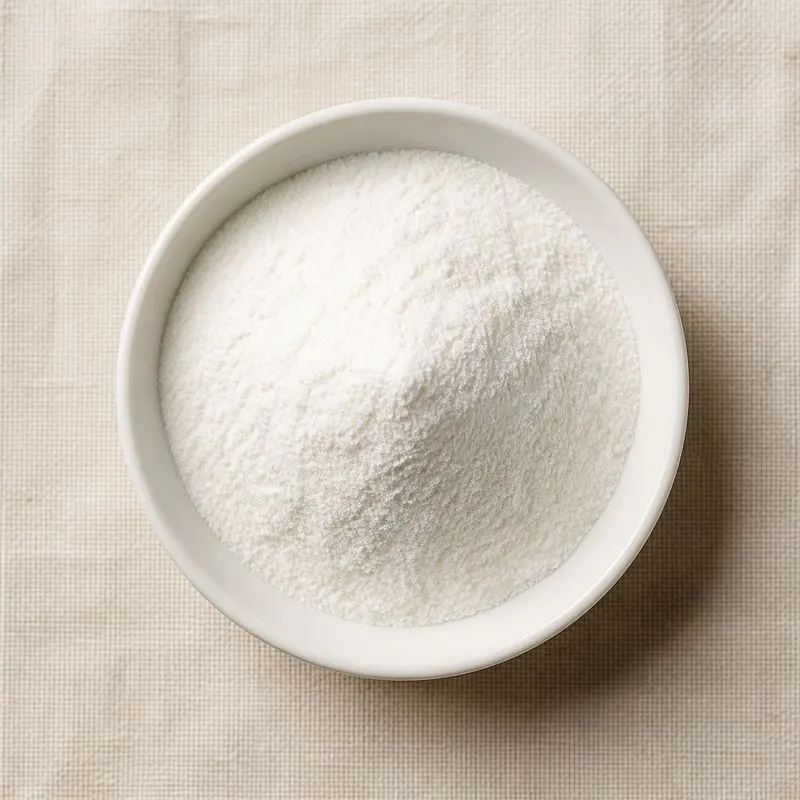
Huoshan Dendrobium
Huoshan dendrobium is the dried stem of Dendrobium huoshanense, a small epiphytic orchid native to the Dabie Mountains around Huoshan County in Anhui province, traded as a botanical nutraceutical raw material.
The stems are short and thick relative to other cultivated Dendrobium species and are dominated by water-soluble polysaccharides, principally glucomannans built on mannose and glucose backbones with acetyl substitution, together with free amino acids, alkaloids at low levels, and trace minerals. Polysaccharide content is the specification that sets value, and it is the basis on which extracts are standardised. Unlike Dendrobium nobile, the species is not traded for its alkaloid content.
The classical trade form is fengdou, in which fresh stems are heated and coiled into tight spirals before drying, giving a hard, horn-like piece that is decocted rather than eaten directly. Modern ingredient forms are a fine milled stem powder and a spray-dried aqueous extract. The extract is freely soluble in water and gives viscous, slightly sweet solutions; viscosity falls with acid or prolonged heat as the glucomannan chain is hydrolysed, which sets the limits on beverage processing.
We source bulk Huoshan Dendrobium from top China manufacturers for our partners. The manufacturer is in Anhui. A smaller requirement can ship in a combined container with other ingredients.
Please send the grade you need, the volume and your destination port, and we will come back with a solution and a price.
or call +86-21-6858 0751
- Function
- Nutraceutical
Specifications
| Item | Specification |
|---|---|
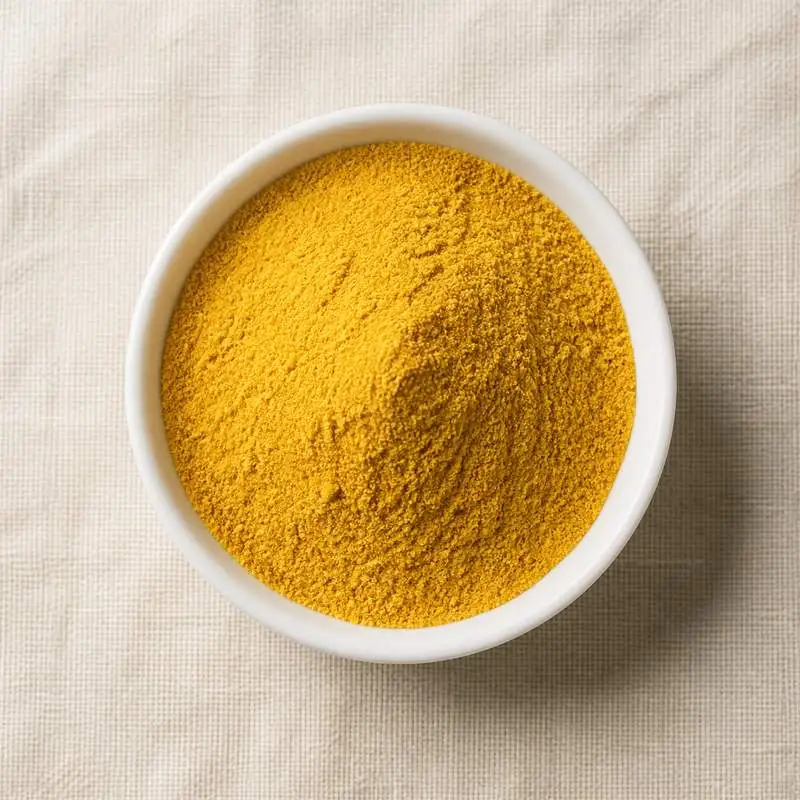
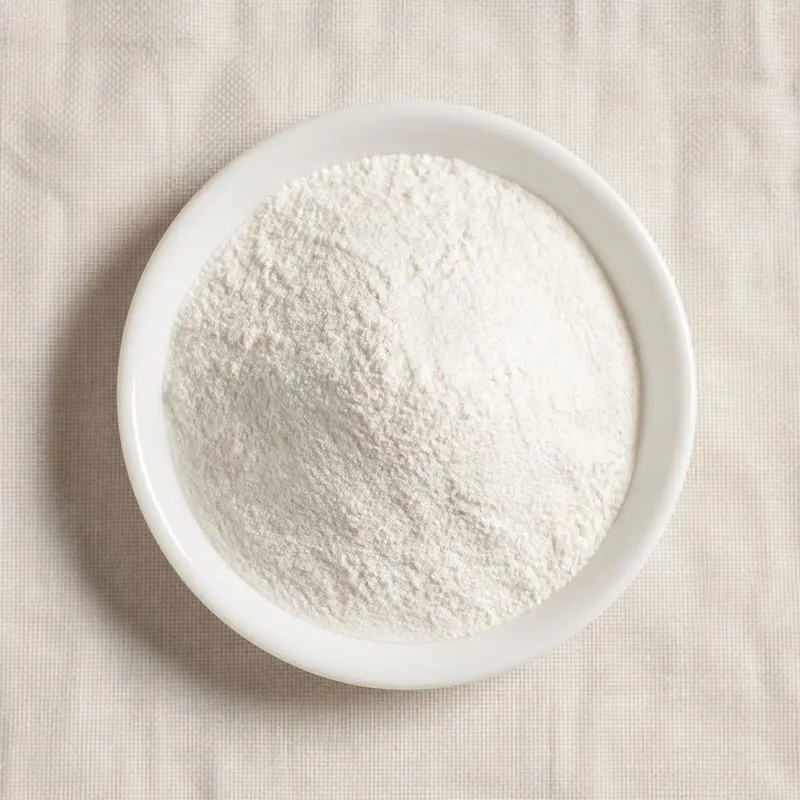
| Appearance | Yellow-brown to light brown fine powder |
| Odour and taste | Characteristic, slightly sweet and mucilaginous |
| Botanical source | Dendrobium huoshanense, dried stem |
| Identification | Conforms by TLC and HPLC fingerprint; species confirmed by DNA barcoding |
| Polysaccharides | Not less than 20.0 percent by phenol-sulphuric acid method |
| Loss on drying | Not more than 8.0 percent |
| Total ash | Not more than 6.0 percent |
| Acid insoluble ash | Not more than 2.0 percent |
| Particle size | Not less than 95 percent through 80 mesh |
| Heavy metals | Not more than 10 mg/kg |
| Lead | Not more than 2.0 mg/kg |
| Arsenic | Not more than 1.0 mg/kg |
| Total plate count | Not more than 10,000 cfu/g |
| Yeast and mould | Not more than 500 cfu/g |
| E. coli | Negative in 1 g |
| Salmonella | Negative in 25 g |
Common Markets Grades
Whole dried material is graded by presentation and origin: spiral fengdou pieces, straight dried stems, and fresh stems for local trade. Within fengdou, grading follows piece size, tightness of the coil, colour and the ratio of stem to leaf sheath residue, with cultivated greenhouse material separated from the far scarcer wild-collected grade.
Processed grades are the ones that carry an assay. Milled stem powder is sold at 80 to 200 mesh with polysaccharide typically declared at 15 to 25 percent. Aqueous extracts are standardised on polysaccharide by the phenol-sulphuric acid method at 10, 20, 30 and 50 percent, and occasionally higher after alcohol precipitation and membrane concentration. Because Dendrobium officinale and other cultivated species are visually similar once milled, DNA barcoding or HPLC fingerprint identification is a routine part of the specification for powdered grades.
Applications
- Herbal tonic capsules and tablets in the traditional Chinese medicine supplement category, taken for throat and digestive comfort
- Instant granules and sachet powders reconstituted as a hot drink
- Bottled and canned herbal beverages, where the polysaccharide contributes body without added hydrocolloid
- Ready-to-drink tea blends combined with goji, chrysanthemum or American ginseng
- Herbal soup and congee bases in the medicinal food category
- Honey and paste preparations, where the extract is dispersed in a syrup carrier
- Throat lozenges and hard candies aimed at voice use and dryness
- Skin care actives, the polysaccharide fraction being used as a humectant and film former
- Fermented drinks and enzyme preparations using the stem as a substrate alongside fruit
China Manufacturers of Huoshan Dendrobium
Top Huoshan Dendrobium manufacturers in China.
Company names and logos are the property of the manufacturers themselves. They are listed here because our own directory records them as producing this ingredient. A listing is not an endorsement by them, and we do not represent them or speak on their behalf.
Regulatory Status
In the United States Dendrobium huoshanense is handled as a botanical dietary ingredient, marketed under the Dietary Supplement Health and Education Act framework with the manufacturer responsible for identity and safety substantiation; it holds no GRAS affirmation for use in conventional food, and there is no monograph in the United States Pharmacopeia for the species. Labelling must name the species and the plant part in line with FDA botanical labelling expectations, which matters because substitution with other cultivated Dendrobium species is common.
In the European Union the species has no record of significant food consumption before May 1997 and is therefore treated as a novel food under Regulation (EU) 2015/2283, requiring authorisation before it can be placed on the market as a food or food supplement ingredient. No Codex commodity standard or JECFA evaluation covers it. Elsewhere in Asia it is long established as a food and medicinal material, and importers generally rely on species identification testing rather than on a pharmacopoeia standard.
Manufacturing Process
Nearly all commercial material comes from tissue-cultured plantlets grown on bark or in shade houses for two to four years before the stems are cut. Harvested stems are trimmed of leaf sheaths and roots and washed. For fengdou the stems are briefly heated to soften them, wound onto a spiral form by hand or machine, and dried in stages with repeated re-tightening until moisture falls below about 12 percent. For ingredient use the washed stems are instead cut, air dried or freeze dried, and hammer milled.
Extract manufacture starts from dried stem, which is extracted with hot water at 80 to 95 degrees Celsius in two or three passes. The liquors are combined, coarse solids removed by plate filtration and centrifugation, and the extract clarified by ultrafiltration, which also strips low molecular weight sugars and raises the declared polysaccharide figure. The retentate is concentrated under vacuum and spray dried, usually onto a small proportion of maltodextrin to control hygroscopicity. High-assay grades add an ethanol precipitation step, in which the polysaccharide is thrown out of the concentrated liquor with alcohol, recovered and redissolved before drying.