Sodium Hyaluronate
Sodium Hyaluronate is the sodium salt of hyaluronic acid, a high-molecular-weight linear glycosaminoglycan made up of repeating disaccharide units of D-glucuronic acid and N-acetyl-D-glucosamine linked by alternating β-1,3 and β-1,4 glycosidic bonds. The CAS number is 9067-32-7.
The polymer is naturally present in mammalian connective tissue, skin, synovial fluid, and the vitreous humour of the eye. Commercial sodium hyaluronate is produced by microbial fermentation of Streptococcus zooepidemicus or, in newer plants, engineered Bacillus subtilis.
We source bulk Sodium Hyaluronate from top China manufacturers for our partners, working with several of them. The manufacturers are in Shandong and Zhejiang. A smaller requirement can ship in a combined container with other ingredients.
Please send the grade you need, the volume and your destination port, and we will come back with a solution and a price.
or call +86-21-6858 0751
- Packaging
- 25 kg kraft paper bag with PE inner liner
- ISO 9001
- HACCP
- Halal
- Kosher
Specifications
| Item | Specification |
|---|---|
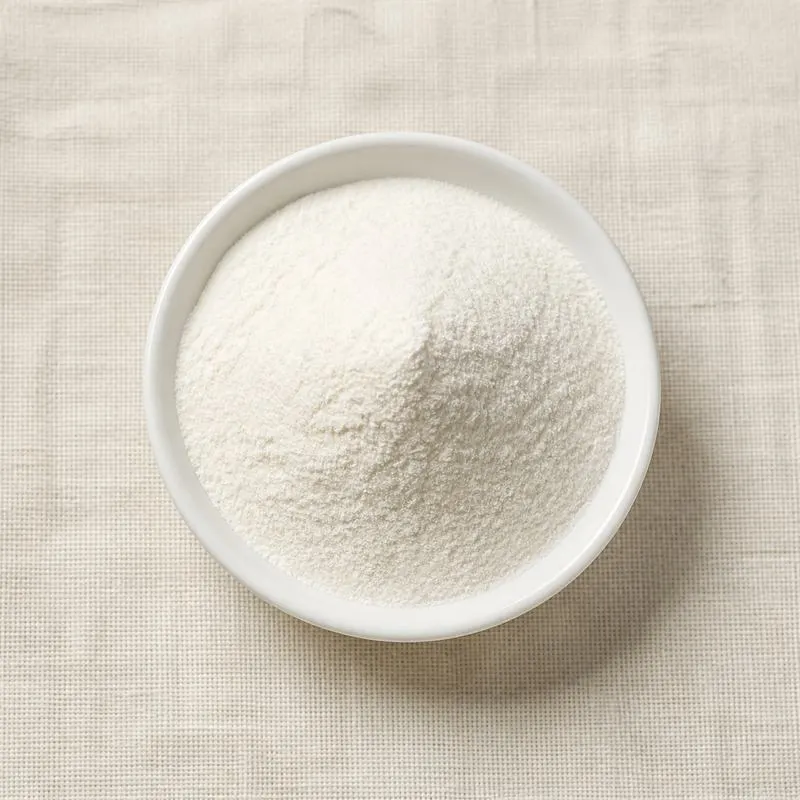
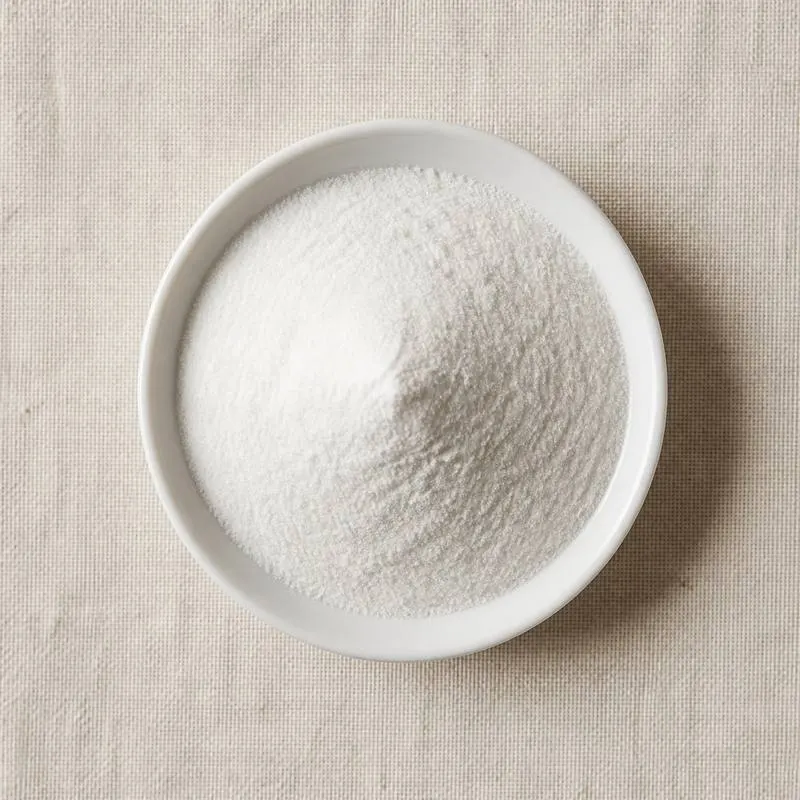
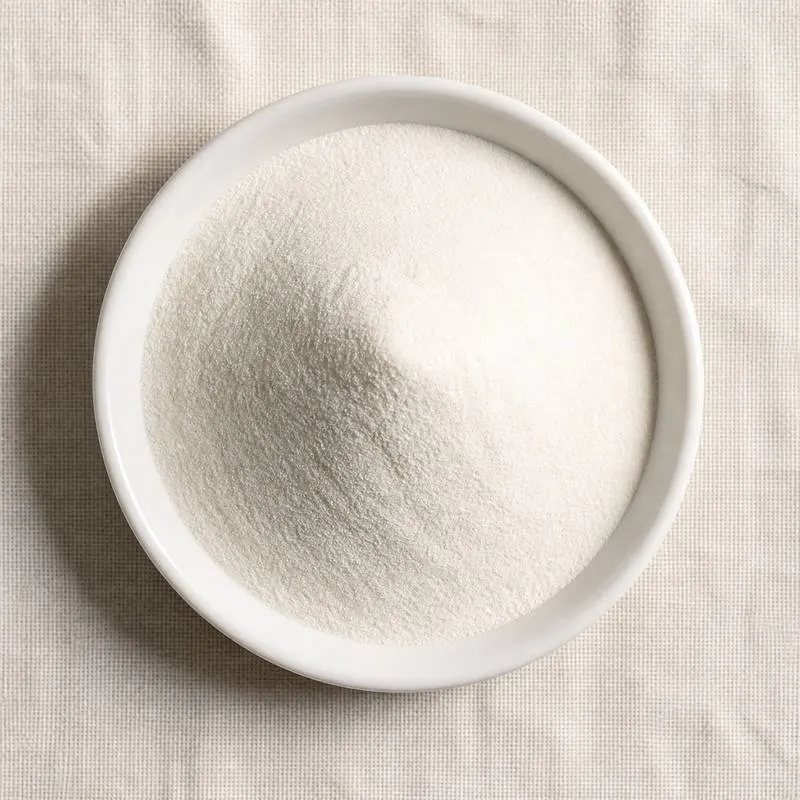
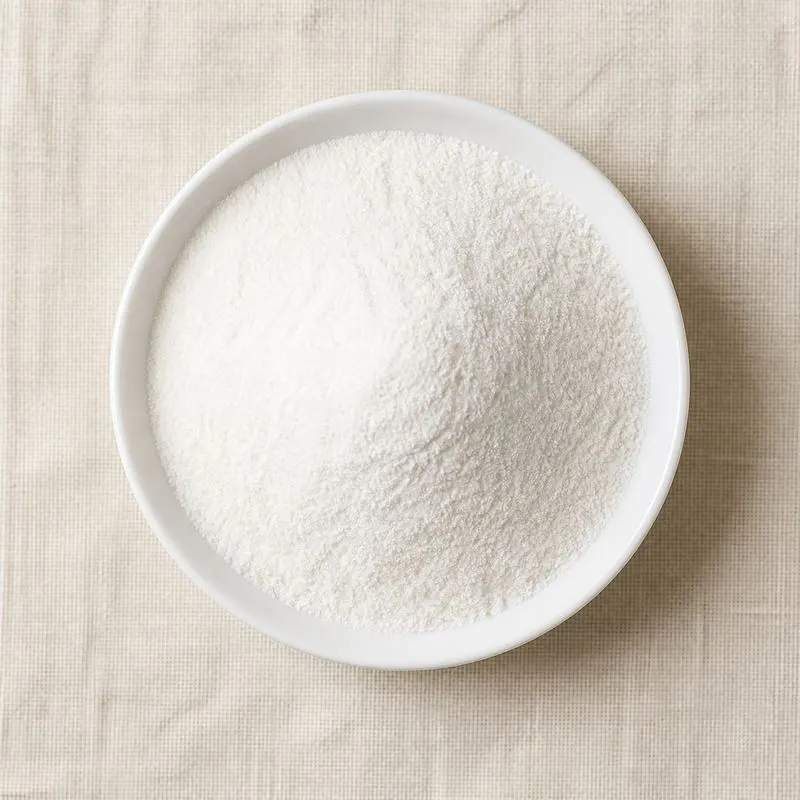
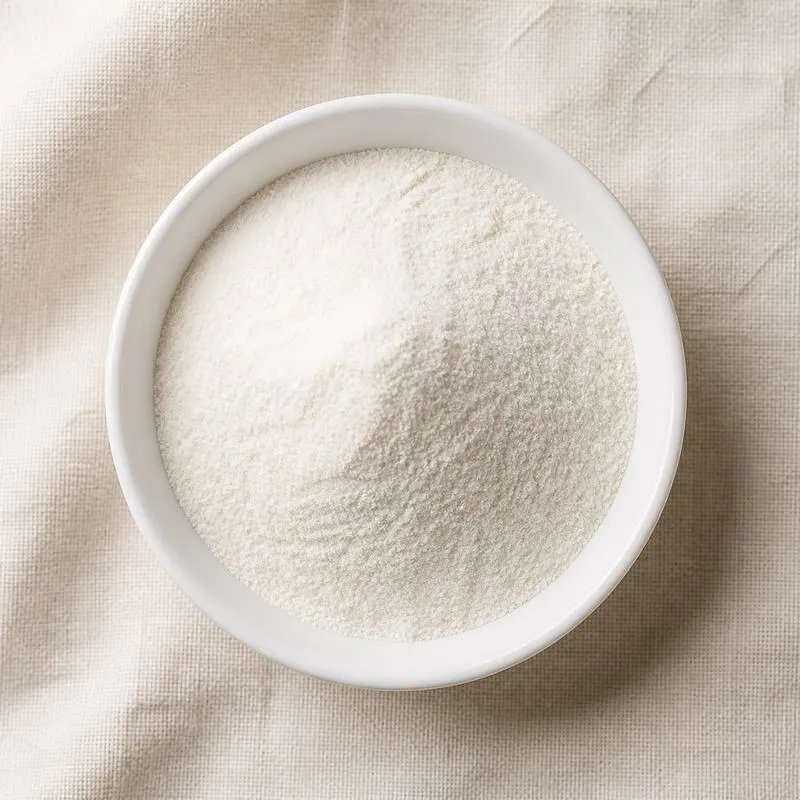
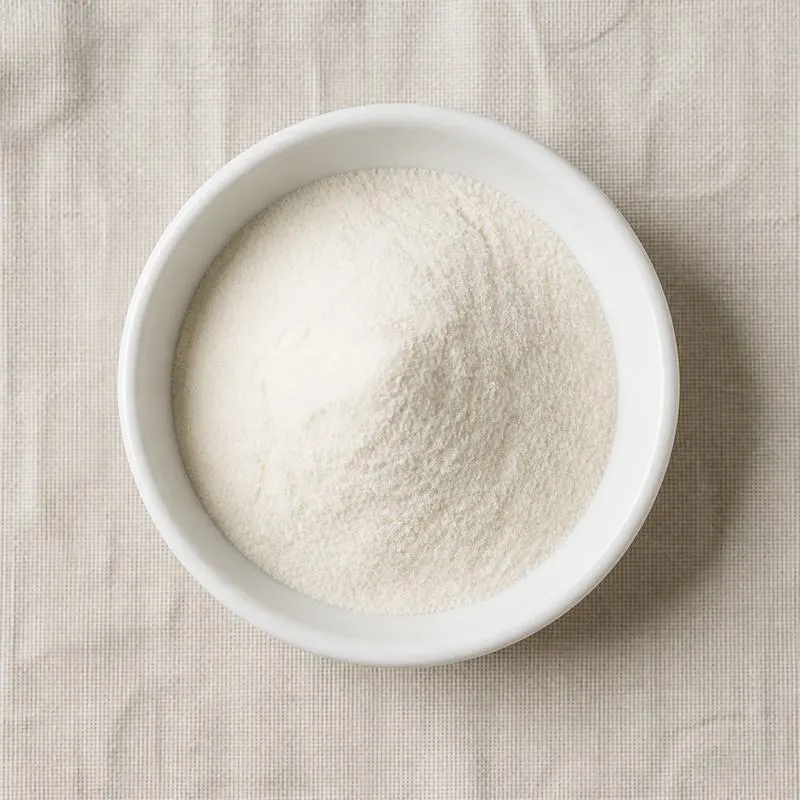
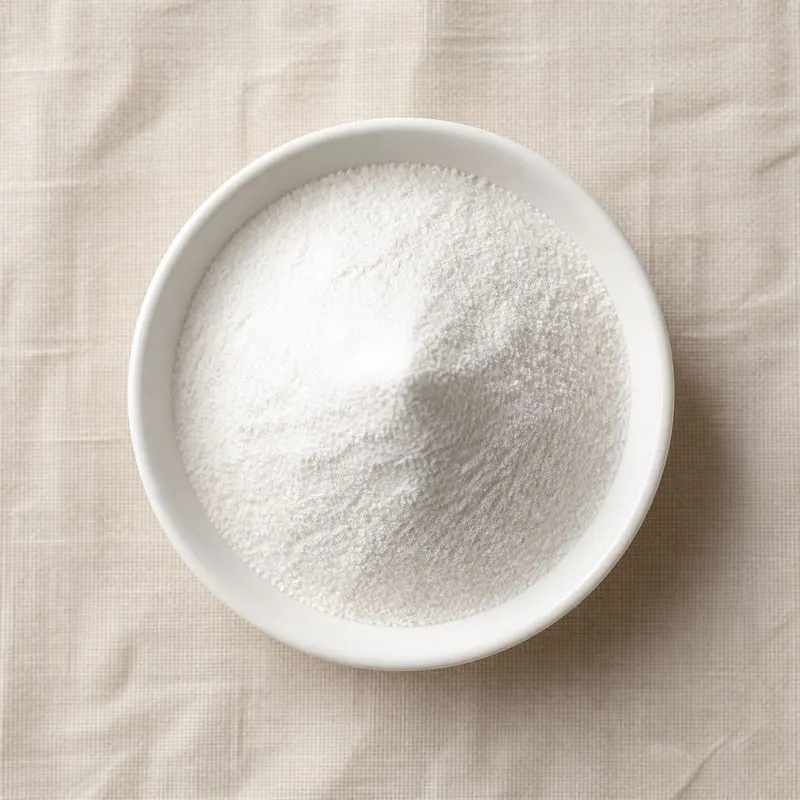
| Appearance | White to off-white powder or fine granules |
| Assay (as Glucuronic Acid, dry basis) | 44.0–52.0% |
| Hyaluronic Acid Content | ≥ 90.0% (dry basis) |
| Molecular Weight | 0.8–2.4 × 10⁶ Da (food/cosmetic grade) |
| Loss on Drying | ≤ 10.0% |
| pH (0.1% solution) | 6.0–7.5 |
| Specific Optical Rotation [α]D²⁰ | −70° to −80° |
| Heavy Metals (as Pb) | ≤ 10 mg/kg |
| Lead (as Pb) | ≤ 2 mg/kg |
| Arsenic (as As) | ≤ 1 mg/kg |
| Mercury (as Hg) | ≤ 0.1 mg/kg |
| Total Plate Count | ≤ 100 CFU/g |
| E. coli | Negative/g |
| Salmonella | Negative/25g |
Common Markets Grades
Sodium Hyaluronate is graded by molecular weight, which determines functional behaviour and end use.
Oligo-HA (under 10 kDa) penetrates the stratum corneum and is used in advanced skincare for deep hydration claims.
Low molecular weight HA (10 to 200 kDa) reaches the deeper epidermis and is used in serums and dietary supplements.
Medium molecular weight HA (200 to 1,000 kDa) forms a film on the skin surface, providing surface hydration and smoothing in cosmetics.
High molecular weight HA (1,000 to 2,500 kDa) is used in joint injections, ophthalmic surgery, and premium skincare for film-forming and lubricating performance.
Ultra-high molecular weight HA (above 2,500 kDa) is used in viscosupplementation for osteoarthritis and surgical viscoelastic products.
Applications
- Premium skincare serums, creams, and masks for hydration and smoothing
- Anti-aging cosmetics across multiple molecular weight tiers in a single formula
- Hair care: leave-in conditioners and scalp serums
- Dermal fillers for facial volume restoration (cross-linked HA gels)
- Intra-articular injections for osteoarthritis viscosupplementation
- Ophthalmic surgical viscoelastic for cataract and corneal procedures
- Eye drops and dry-eye treatments at low viscosity
- Wound-care dressings and post-surgical adhesion prevention
- Oral dietary supplements for joint and skin support
- Functional foods and beverages with beauty-from-within positioning
Brands Using Sodium Hyaluronate
Widely-distributed consumer products that list Sodium Hyaluronate on the ingredient label.
- CeraVeHydrating Hyaluronic Acid Serum ↗Listed: 'AQUA / WATER, GLYCERIN, CETEARYL ETHYLHEXANOATE, DIMETHICONE, AMMONIUM POLYACRYLOYLDIMETHYL TAURATE, SODIUM HYALURONATE, PANTHENOL, CERAMIDE NP, CERAMIDE AP, CERAMIDE EOP...'Label verified 2026-05-24
- CeraVeMoisturizing Cream ↗Listed: '...SODIUM LAUROYL LACTYLATE, SODIUM HYALURONATE, CHOLESTEROL, PHENOXYETHANOL, DISODIUM EDTA...'Label verified 2026-05-24
- The OrdinaryHyaluronic Acid 2% + B5 (Original Formulation) ↗Listed: 'Aqua (Water), Sodium Hyaluronate, Pentylene Glycol, Propanediol, Sodium Hyaluronate Crosspolymer, Panthenol...'Label verified 2026-05-24
- L'Oreal ParisRevitalift Derm Intensives 1.5% Pure Hyaluronic Acid Serum ↗Listed: 'Water, Glycerin, Hydroxyethylpiperazine Ethane Sulfonic Acid, Sodium Hyaluronate, PEG-60 Hydrogenated Castor Oil...'Label verified 2026-05-24
Brand names, product names and logos are the property of their owners. They appear here as published evidence that the ingredient is used, taken from the brand's own label or website. Their appearance is not an endorsement, and it does not mean the brand buys from us or from any manufacturer listed on this site.
China Manufacturers of Sodium Hyaluronate
Top Sodium Hyaluronate manufacturers in China.
 Shandong Focusfreda Biotech Co.,Ltd.2 ingredients in the directory
 Shandong Kunda Biotechnology Co., Ltd.4 ingredients in the directory
 Tianxian Biopharm4 ingredients in the directory
Company names and logos are the property of the manufacturers themselves. They are listed here because our own directory records them as producing this ingredient. A listing is not an endorsement by them, and we do not represent them or speak on their behalf.
How We Help Source Sodium Hyaluronate
Direct Factory Sourcing
We run the whole process: selecting the manufacturer from the top Chinese food ingredient producers, negotiating the price, verifying quality, and coordinating the logistics. You deal with us instead of with several factories at once.
Original Packaging and Documents from the Manufacturer
The manufacturer sends your Sodium Hyaluronate out of its own factory in the original packing, through to your destination port. The COA, COO, MSDS, TDS and any certifications reach you from the manufacturer as well.
Free Samples and Lead Time
We send 100 to 500 g free for your own laboratory to test and you cover only the courier, usually within 2 to 3 working days. ETD is usually within 7 to 15 days once the order is confirmed, and we check that date against the factory's own manufacturing schedule before we give it to you.
Combined Shipment
We can load Sodium Hyaluronate together with other ingredients such as Carrageenan, Sodium Carboxymethyl Cellulose and Agar Agar into one 20' FCL. If your quantity is small, we can also ship LCL.
Regulatory Status
Sodium Hyaluronate is approved across cosmetic, food supplement, medical device, and pharmaceutical regulatory frameworks.
For cosmetics, sodium hyaluronate is listed in the European Union CosIng database and the U.S. INCI dictionary. For food supplements, it is permitted in the European Union under novel-food authorisation and in Japan as a foshu ingredient.
Pharmaceutical and medical device grades are regulated by the European Medicines Agency, U.S. FDA, and PMDA Japan under monograph or device-specific approvals. Halal, Kosher, vegan, and non-GMO certifications apply when the fermentation organism and downstream processing meet the standard.
Manufacturing Process
Modern industrial production uses fermentation of Streptococcus zooepidemicus or recombinant Bacillus subtilis on a glucose- and yeast-extract medium with controlled aeration.
The fermentation runs at 37 °C for 24 to 48 hours. The organism secretes hyaluronic acid into the broth, where it builds viscosity sharply. Adequate oxygen transfer requires careful impeller and aeration design.
After fermentation, the broth is filtered to remove cells, decolourised with activated carbon, and the polymer is recovered by alcohol precipitation. The precipitate is washed in alcohol, dewatered, and dried under vacuum to preserve molecular weight.
Cosmetic-grade and pharmaceutical-grade material undergoes additional purification including ultrafiltration to control molecular weight distribution and remove endotoxin and protein impurities.