Hydrolyzed Pea Protein
Hydrolysed pea protein is pea protein isolate that has been digested with food grade proteases into shorter peptide chains, giving a plant protein that dissolves in water instead of forming the suspension that intact pea protein gives.
The parent protein comes from yellow field pea, Pisum sativum, and is dominated by the globulins legumin and vicilin. Both are poorly soluble around their isoelectric region near pH 4.5, which is the reason a standard pea isolate sediments in a clear acid drink. Cleaving the chains lowers molecular weight, exposes charged groups and pushes solubility above 90 percent across the useful pH range, so the hydrolysate can be formulated where the isolate cannot.
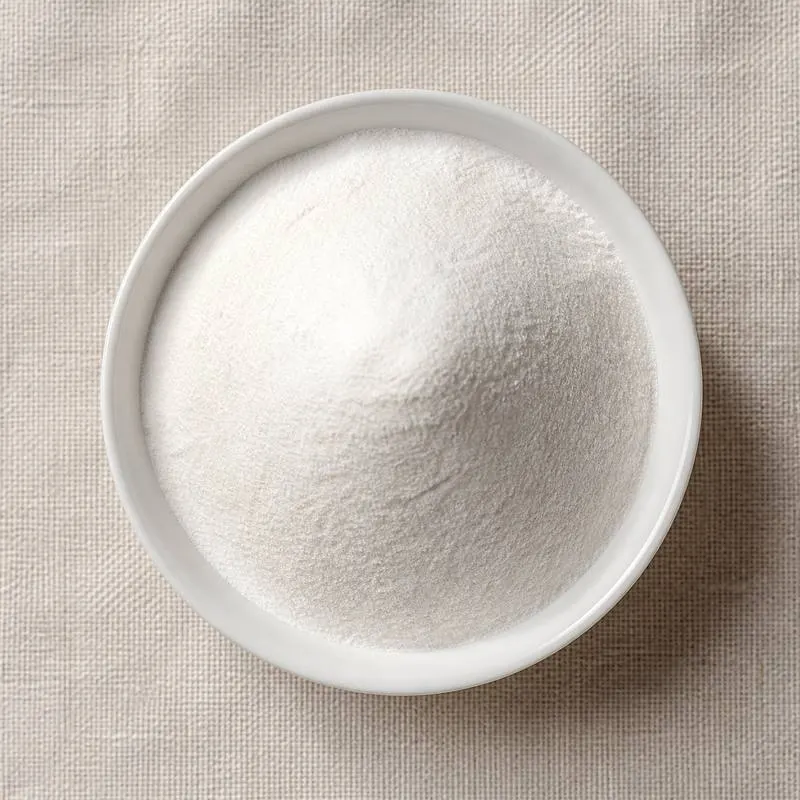
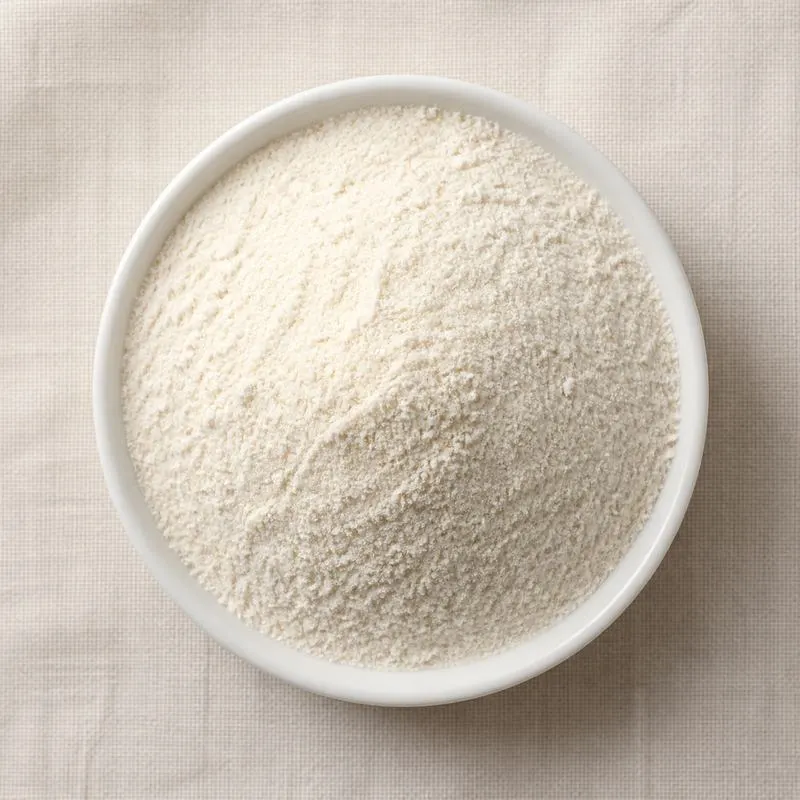
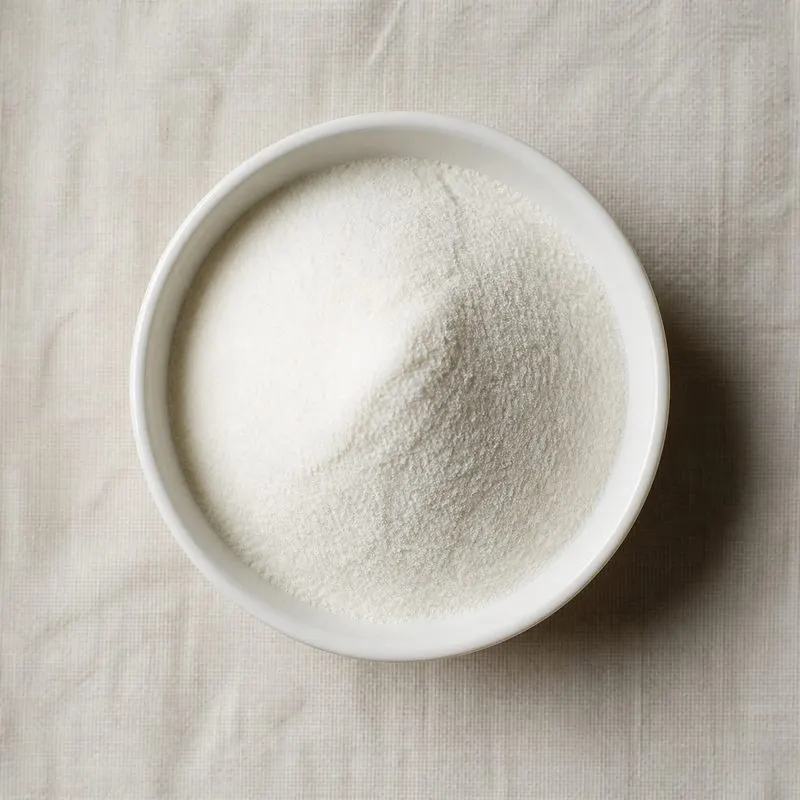
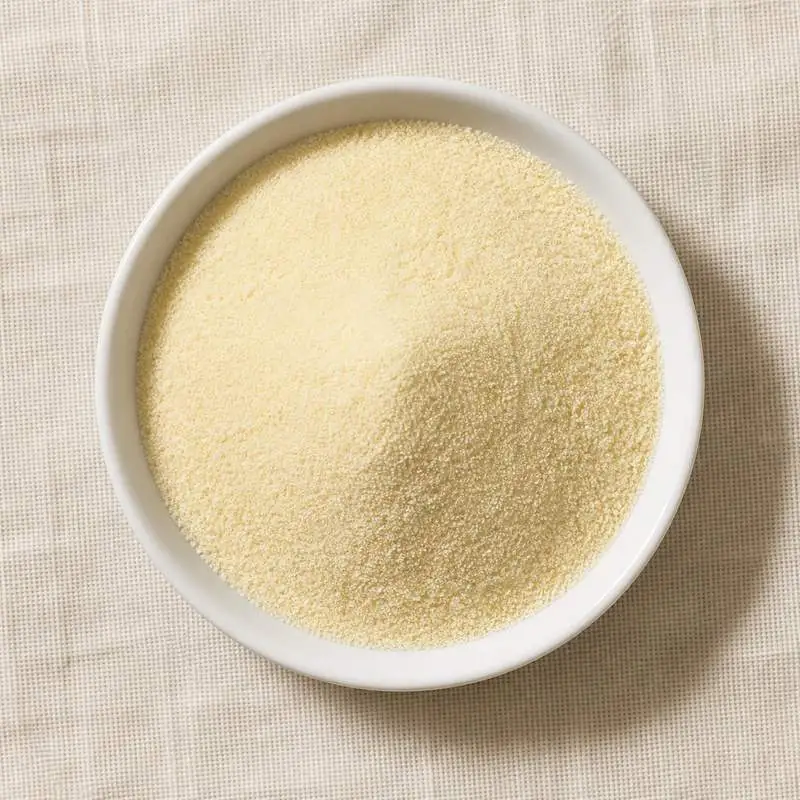
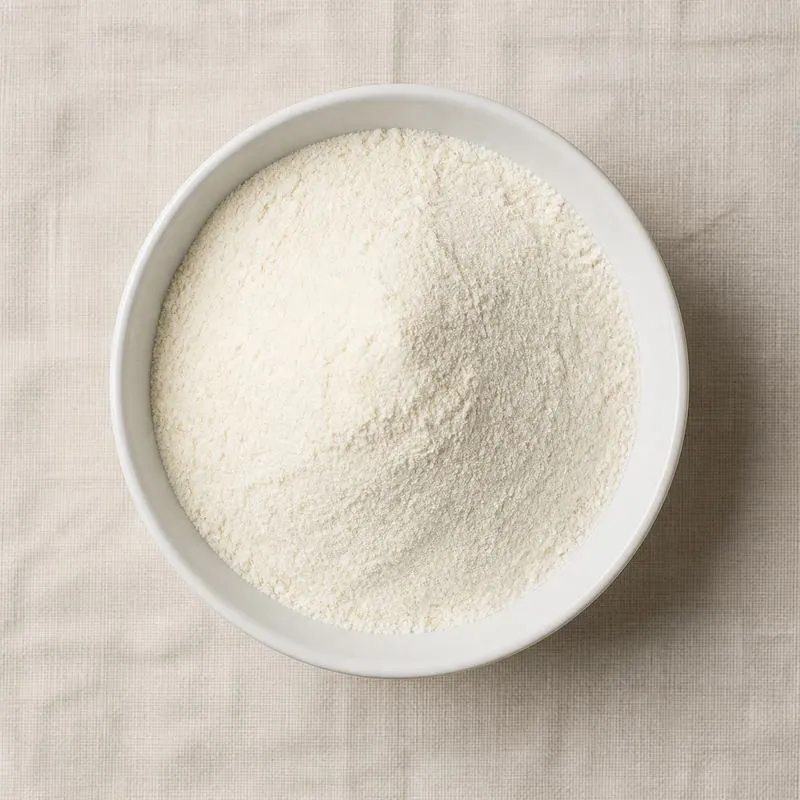
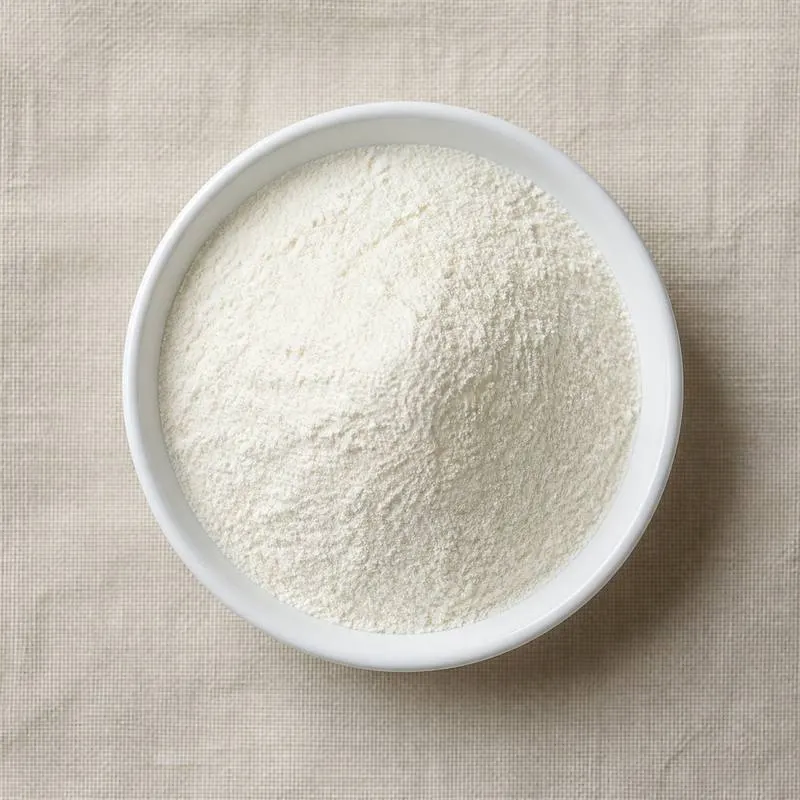
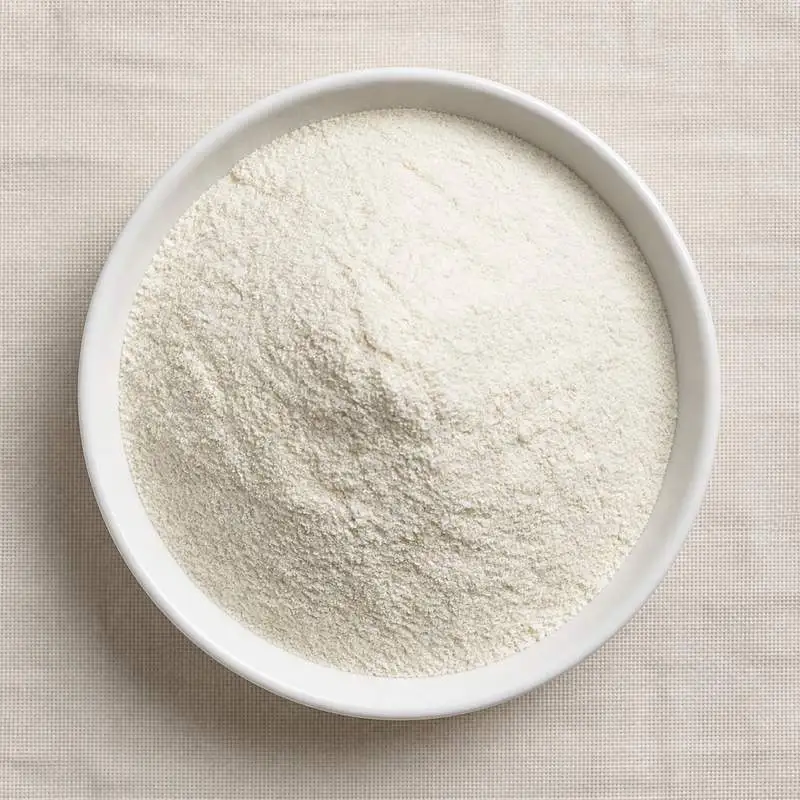
Supplied as a cream to light beige spray dried powder, the ingredient dissolves rapidly in cold water, gives low viscosity solutions that stay clear or lightly hazy, and tolerates pasteurisation and retort without gelling. What it gives up is functionality, since hydrolysis removes most of the gelling, foaming and emulsifying capacity of the isolate. It also develops bitterness in proportion to the degree of hydrolysis, which is why debittering is a standard part of the process rather than an option.
We source bulk Hydrolyzed Pea Protein from top China manufacturers for our partners. The manufacturer is in Shandong. A smaller requirement can ship in a combined container with other ingredients.
Please send the grade you need, the volume and your destination port, and we will come back with a solution and a price.
or call +86-21-6858 0751
- Function
- Protein
Specifications
| Item | Specification |
|---|---|
| Appearance | Cream to light beige fine powder |
| Odour and Taste | Mild characteristic pea note, slightly bitter, free from foreign odour |
| Protein (N x 6.25, dry basis) | Minimum 80.0% |
| Degree of Hydrolysis | 15 to 25% |
| Molecular Weight below 3000 Da | Minimum 80.0% |
| Solubility (1% in water, pH 4) | Minimum 90.0% |
| Loss on Drying | Maximum 7.0% |
| Ash | Maximum 8.0% |
| Fat | Maximum 1.0% |
| pH (1% solution) | 6.0 to 7.5 |
| Lead | Maximum 0.5 mg/kg |
| Arsenic | Maximum 0.5 mg/kg |
| Total Plate Count | Maximum 10,000 cfu/g |
| Escherichia coli and Salmonella | Absent in 25 g |
Common Markets Grades
Grades are defined by degree of hydrolysis and by the molecular weight profile that follows from it. Lightly hydrolysed material, cut just far enough to improve dispersion, keeps some emulsifying capacity and a mild flavour, and is used in bars and dairy alternatives. Deeply hydrolysed grades with most peptide mass below 3000 Daltons, and oligopeptide grades below 1000 Daltons, are made for clear beverages, clinical nutrition and rapid absorption positioning, and require the most debittering work.
Protein content is normally specified at 80 percent or more on a dry basis, rising above 85 percent for ultrafiltered grades. Further options include debittered and carbon treated lots for beverage use, organic certified material, non genetically modified identity preserved documentation, which is straightforward for peas, and instantised or agglomerated powders for cold water dissolution in stick packs. Fermentation grade pea peptone, sold as a plant based replacement for animal peptone in culture media, is the same chemistry held to a different specification.
Applications
- Clear ready to drink protein beverages at low pH, where intact pea isolate would precipitate
- Sports recovery formulas positioned on rapid absorption of plant peptides
- Clinical and enteral nutrition, where short peptides lower the digestive load compared with whole protein
- Hypoallergenic and elimination diet formulas that avoid dairy, soy and wheat protein
- Nutrition bars, where hydrolysed protein limits the hardening that intact protein causes over shelf life
- Dairy alternative drinks and yoghurt style products, adding protein content without grittiness
- Instant powders and meal replacements requiring complete cold water dissolution
- Fermentation and cell culture media, used as a plant derived nitrogen source in place of animal peptone
- Pet food palatants and wet formats, where solubility and digestibility decide the choice
- Cosmetic formulations, where small plant peptides are used for film forming and conditioning
Brands Using Hydrolyzed Pea Protein
Widely-distributed consumer products that list Hydrolyzed Pea Protein on the ingredient label.
- Candy KittensWild Strawberry Gourmet Sweets ↗A vegan gummy sweet whose ingredient list ends with hydrolysed pea protein, used in place of gelatine as the aerating protein.Label verified 2026-08-31
- Candy KittensSour Watermelon Gourmet Sweets ↗A sour vegan gummy whose ingredient list names hydrolysed pea protein after the fruit juice and acids.Label verified 2026-08-31
- ButtermilkCaramel Nougat Choccy Bar ↗A vegan chocolate bar whose nougat ingredient list includes hydrolysed pea protein alongside sunflower and rapeseed lecithin.Label verified 2026-08-31
- ButtermilkPeanut Nougat Choc Bar ↗A vegan peanut nougat bar that lists hydrolysed pea protein in its ingredients.Label verified 2026-08-31
Brand names, product names and logos are the property of their owners. They appear here as published evidence that the ingredient is used, taken from the brand's own label or website. Their appearance is not an endorsement, and it does not mean the brand buys from us or from any manufacturer listed on this site.
China Manufacturers of Hydrolyzed Pea Protein
Top Hydrolyzed Pea Protein manufacturers in China.

Company names and logos are the property of the manufacturers themselves. They are listed here because our own directory records them as producing this ingredient. A listing is not an endorsement by them, and we do not represent them or speak on their behalf.
Regulatory Status
In the United States pea protein and its hydrolysates are conventional food ingredients used under good manufacturing practice, without a dedicated food additive regulation, and pea protein has been the subject of generally recognised as safe determinations covering food use. Peas are not among the major food allergens requiring declaration in the United States, which is a large part of the commercial case for the ingredient, though manufacturers still declare the source in the ingredient statement, and the Food and Drug Administration requires a protein hydrolysate to be named for its source protein rather than generically.
In the European Union pea protein has a long history of food consumption and its hydrolysates are handled as food ingredients rather than novel foods, provided the process falls within established practice. Peas are not listed in Annex II of Regulation (EU) No 1169/2011, so no allergen emphasis is required, although a voluntary cross contact statement is common where a plant also handles soy. No E number applies, since the material is an ingredient and not an additive. The proteases used are processing aids that must be permitted in the market of sale, and Codex covers the product class through its standard for vegetable protein products, which defines such products by minimum protein content on a dry basis.
Manufacturing Process
Manufacture starts from dehulled yellow peas, which are milled and either wet extracted directly or first air classified into a protein rich fraction. The meal is dispersed in water and the pH raised to around 8 to 9, solubilising the globulins while starch and fibre settle out and are removed on decanter centrifuges and hydrocyclones, recovered separately as pea starch and pea fibre. The protein liquor is then acidified to the isoelectric region near pH 4.5, where the protein flocculates and is recovered as a curd, washed and neutralised.
The neutralised protein slurry is the feed for hydrolysis. It is held at 50 to 60 degrees Celsius at controlled pH and digested with a bacterial endoprotease to cut the chains, followed by an exopeptidase preparation that removes the hydrophobic terminal residues largely responsible for bitterness. When the target degree of hydrolysis is reached the enzymes are inactivated by heat. The digest is centrifuged to remove undigested material, passed through ultrafiltration to set the molecular weight window, and treated with activated carbon or adsorbent resin where a bland flavour is required. The clarified liquor is concentrated under vacuum, pasteurised, and spray dried, then sieved, metal checked and packed, with an agglomeration step added for instantised grades.