Pea Fibre
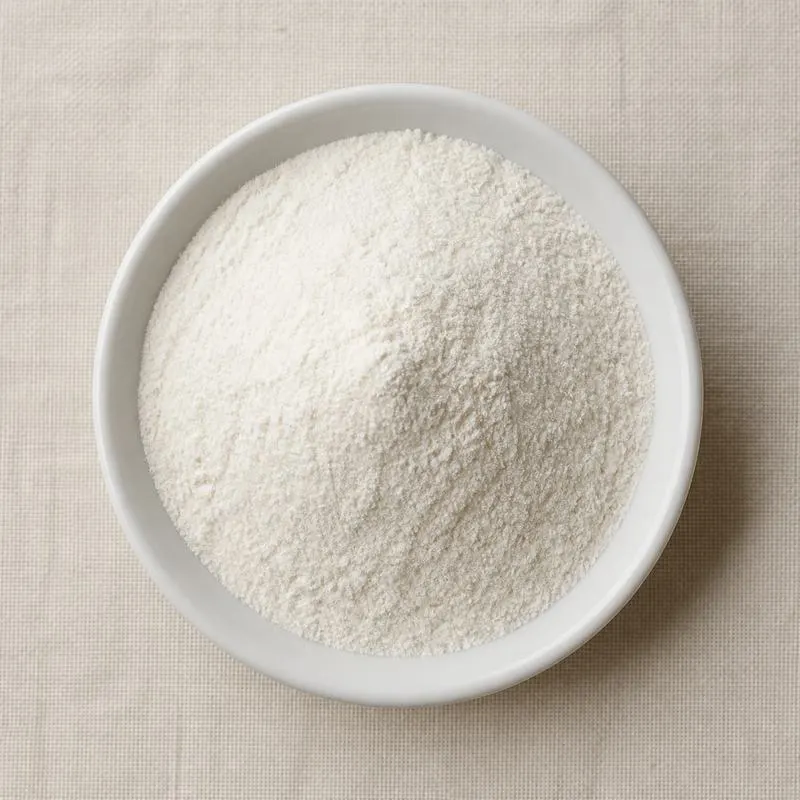
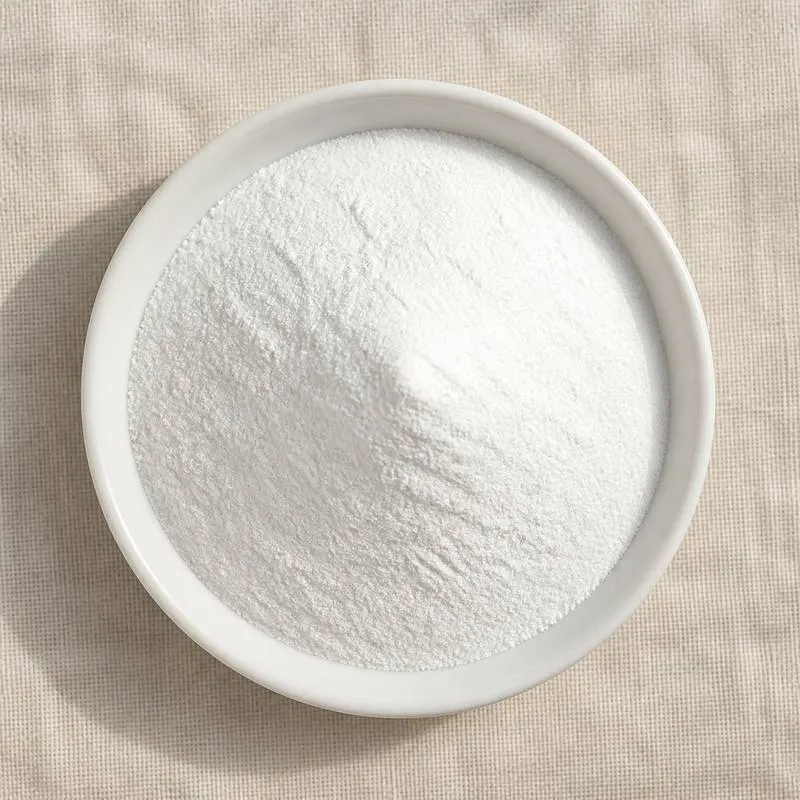
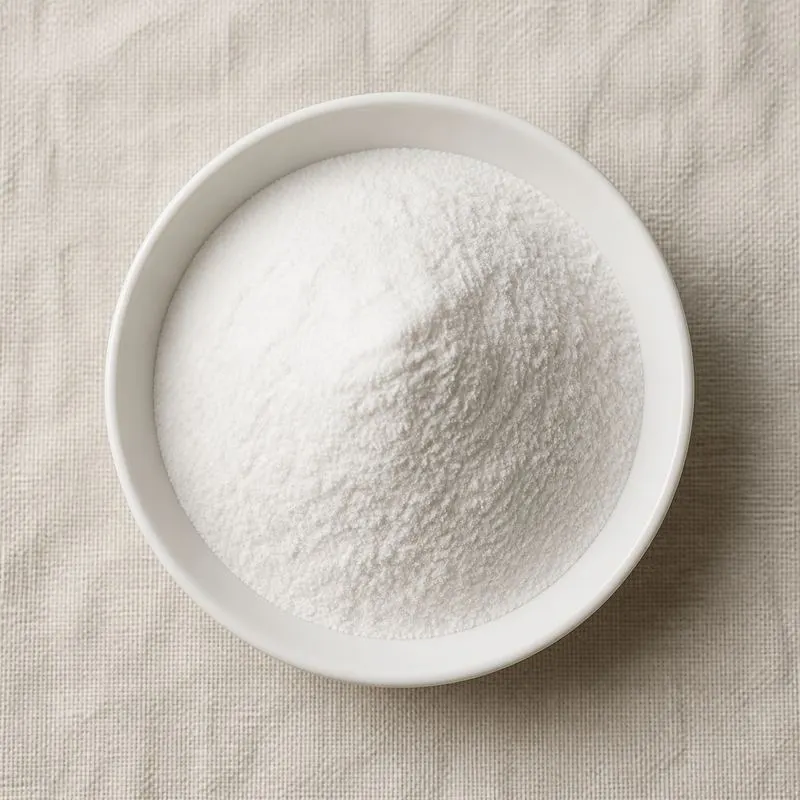
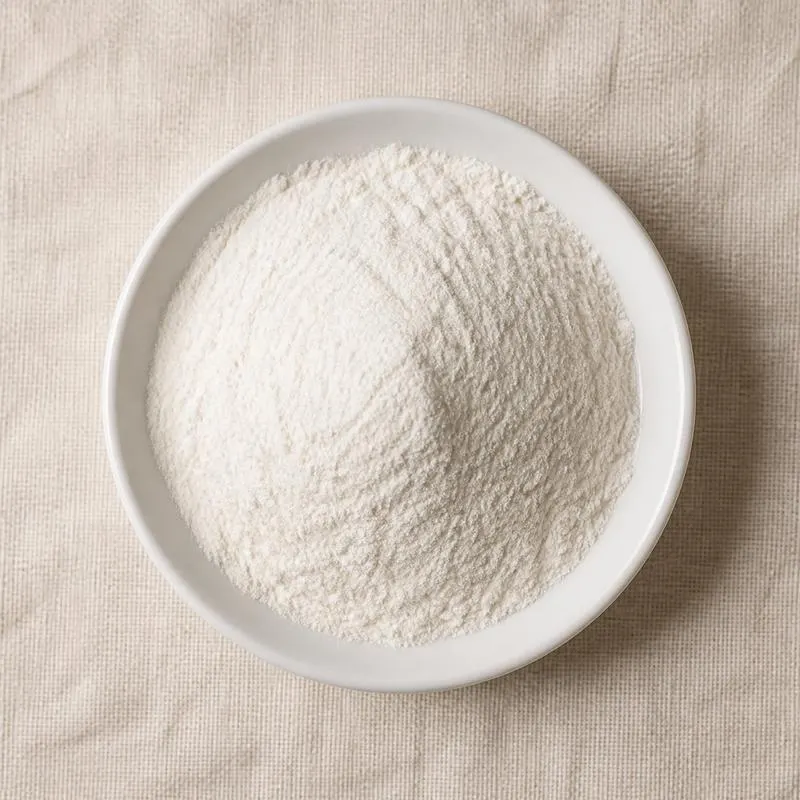
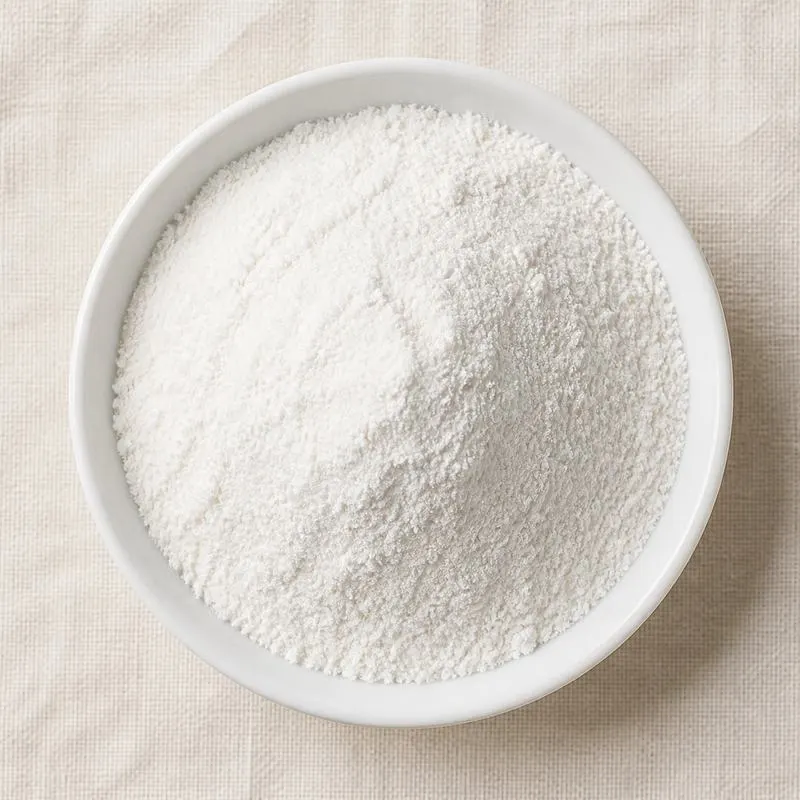
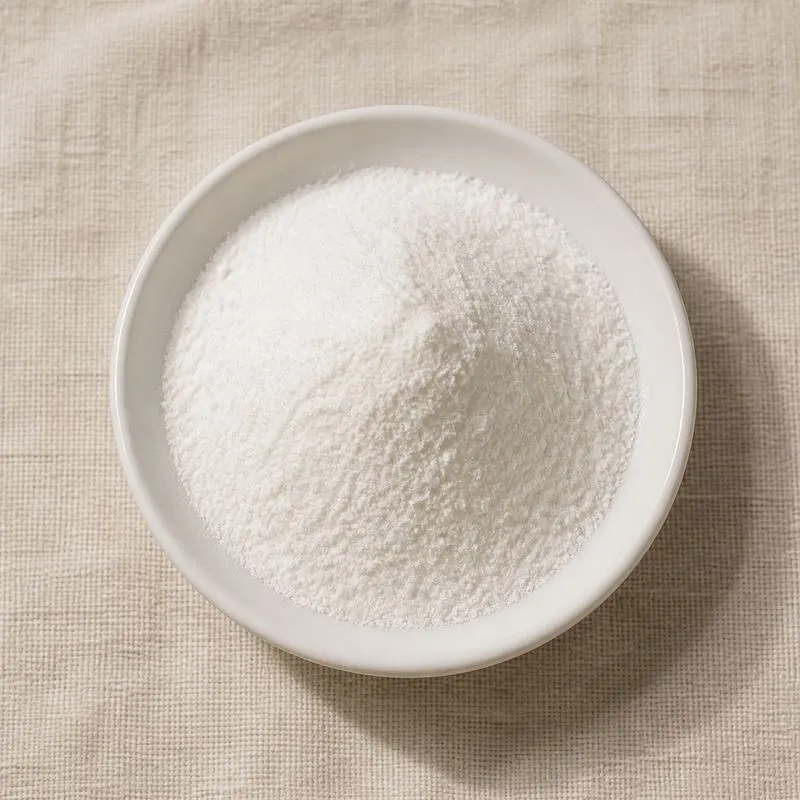
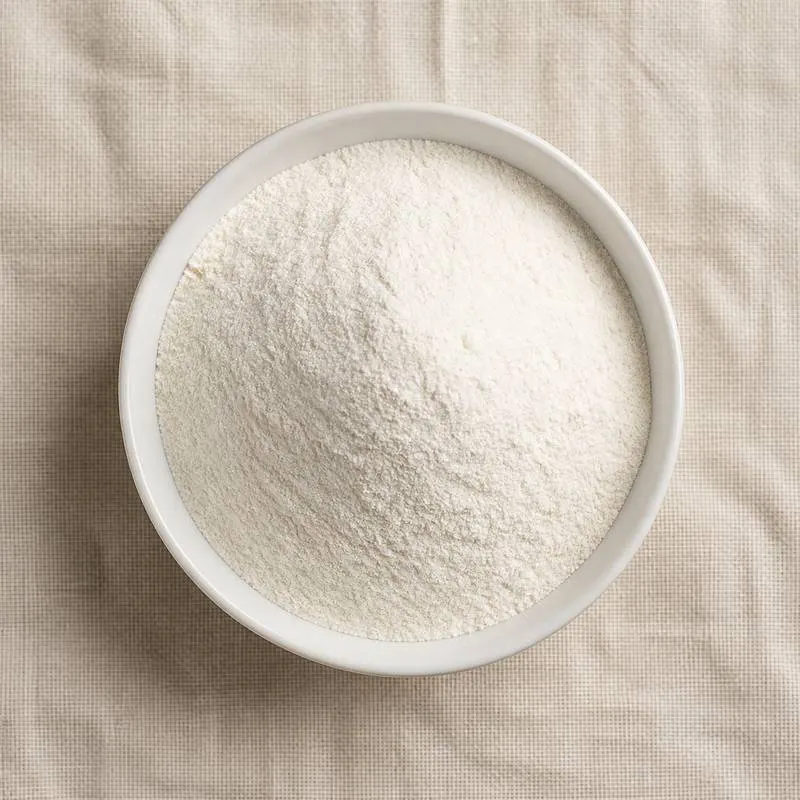
Pea Fibre is the dietary fibre concentrate obtained from yellow field peas (Pisum sativum) after starch and protein have been separated. The ingredient is built primarily from the seed coat (hull) cellulose, hemicellulose, and lignin, and is a cream-coloured neutral-tasting powder.
Inner pea fibre, derived from the cotyledon rather than the hull, is also offered and carries a higher content of soluble pectins and gums.
We source bulk Pea Fibre from top China manufacturers for our partners. The manufacturers are in Shandong. For this ingredient the minimum order is 12,000 kg and a 20-foot container takes 12 MT, and a smaller requirement can ship in a combined container with other ingredients.
Please send the grade you need, the volume and your destination port, and we will come back with a solution and a price.
or call +86-21-6858 0751
- Minimum order
- 12,000 kg
- Qty in 20' FCL
- 12 MT
- Packaging
- 25 kg kraft paper bag with PE inner liner
- Function
- Dietary Fibres
- ISO 9001
- HACCP
- Halal
- Kosher
Specifications
| Item | Specification |
|---|---|
| Appearance | Off-white to light beige free-flowing powder |
| Source | Yellow pea (Pisum sativum) hull or cotyledon |
| Total dietary fiber (AOAC 991.43) | ≥ 50.0% (inner) to ≥ 85.0% (outer) |
| Moisture | ≤ 10.0% |
| Ash | ≤ 4.0% |
| Protein residue | ≤ 8.0% |
| Starch residue | ≤ 5.0% |
| Water-holding capacity | 4 to 7 g water per g fiber |
| Particle size | 80, 100, or 200 mesh; per customer specification |
| Heavy metals (as Pb) | ≤ 2 mg/kg |
| Arsenic | ≤ 1 mg/kg |
| Total plate count | ≤ 10,000 CFU/g |
| Yeast and mold | ≤ 100 CFU/g |
| E. coli and Salmonella | Negative |
Common Markets Grades
Pea fibre is graded by source fraction and total dietary fibre content.
Outer pea fibre from the seed coat ranges from 60 to 90 percent TDF and is dominated by insoluble cellulose. It is the standard grade for bakery, meat, and pet food.
Inner pea fibre from the cotyledon ranges from 45 to 60 percent TDF with a higher soluble fraction. It binds water more strongly and is used in plant-based meat and dairy alternatives.
Both fractions come in coarse (250 micron), medium (150 micron), and fine (50 micron) particle sizes. Bleached and non-bleached colour grades exist to match the finished food's appearance.
Applications
- Plant-based meat patties, sausages, and meatballs for water binding and bite
- Meat and poultry emulsions for cook yield and fat replacement
- Bread, rolls, tortillas, and crackers for fibre fortification and crumb softness
- Gluten-free bakery as a structural fibre and water binder
- Pet food and treats for stool quality and fibre content
- Breakfast cereals, granola, and extruded snacks
- Sauces, dressings, and dips for body and cling
- Yogurt, dairy desserts, and dairy alternatives for texture
- Pasta, noodles, and dumpling wrappers for fibre addition
- Soups and broths for body and mouthfeel
Brands Using Pea Fibre
Widely-distributed consumer products that list Pea Fibre on the ingredient label.
Brand names, product names and logos are the property of their owners. They appear here as published evidence that the ingredient is used, taken from the brand's own label or website. Their appearance is not an endorsement, and it does not mean the brand buys from us or from any manufacturer listed on this site.
China Manufacturers of Pea Fibre
Top Pea Fibre manufacturers in China.
 Shandong Jianyuan Bioengineering Co., Ltd.9 ingredients in the directory
 Shandong Jindu Talin Foods.Co., Ltd.6 ingredients in the directory
Company names and logos are the property of the manufacturers themselves. They are listed here because our own directory records them as producing this ingredient. A listing is not an endorsement by them, and we do not represent them or speak on their behalf.
How We Help Source Pea Fibre
Direct Factory Sourcing
We run the whole process: selecting the manufacturer from the top Chinese food ingredient producers, negotiating the price, verifying quality, and coordinating the logistics. You deal with us instead of with several factories at once.
Original Packaging and Documents from the Manufacturer
The manufacturer sends your Pea Fibre out of its own factory in the original packing, through to your destination port. The COA, COO, MSDS, TDS and any certifications reach you from the manufacturer as well.
Free Samples and Lead Time
We send 100 to 500 g free for your own laboratory to test and you cover only the courier, usually within 2 to 3 working days. ETD is usually within 7 to 15 days once the order is confirmed, and we check that date against the factory's own manufacturing schedule before we give it to you.
Combined Shipment
We can load Pea Fibre together with other ingredients such as Citrus Fibre, Xylo-oligosaccharide and Inulin into one 20' FCL. If your quantity is small, we can also ship LCL.
Regulatory Status
Pea fibre is treated as a food ingredient in all major markets.
It has no E number in the European Union and is declared on labels as pea fibre, pea hull fibre, or inner pea fibre depending on the source fraction. EFSA recognises it as a source of dietary fibre for nutrition claims.
The U.S. FDA accepts pea fibre as a dietary fibre for Nutrition Facts labelling under the 2018 intact plant fibre category.
Halal, Kosher, organic, and non-GMO certifications are widely available, and most pea fibre is naturally gluten-free, with allergen statements covering processing facilities that also handle wheat or soy.
Manufacturing Process
Pea fibre is produced as part of the integrated pea-fractionation process, which simultaneously yields pea protein isolate, pea starch, and pea fibre. The main production hubs are in France, Canada, China, and the United States.
Yellow peas are cleaned and dehulled. The hull fraction goes directly to outer pea fibre production: it is milled, sieved, and air-classified to specification.
The dehulled cotyledons are wet-milled into a slurry. Centrifugal separation pulls out the protein and starch fractions, leaving an inner fibre slurry that is washed, dewatered, and dried.
The final powders are sieved, magnet-checked, and pasteurised to meet finished-food microbiological limits.