Hydroxy-2-decenoic Acid
10-Hydroxy-2-decenoic acid, commonly written 10-HDA and known as queen bee acid, is a ten-carbon unsaturated fatty acid carrying a hydroxyl group at the terminal carbon and a double bond in the alpha-beta position, with the formula C10H18O3.
It is the compound that distinguishes royal jelly from every other bee product and from every other natural material, since it has not been found in significant quantity anywhere else. For that reason it serves a double role in trade: it is sold as an isolated active in its own right, and it is the marker assayed to grade royal jelly, where fresh material is expected to carry roughly 1.4 to 2 percent 10-HDA on a wet basis. In the hive it is produced by the mandibular glands of nurse bees and functions as part of the caste-determining secretion.
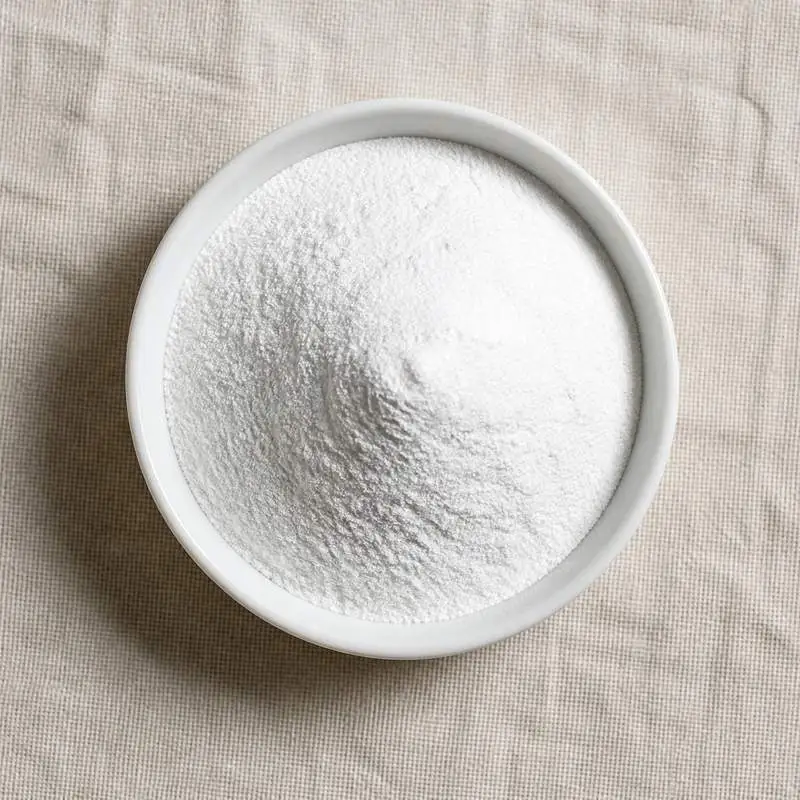
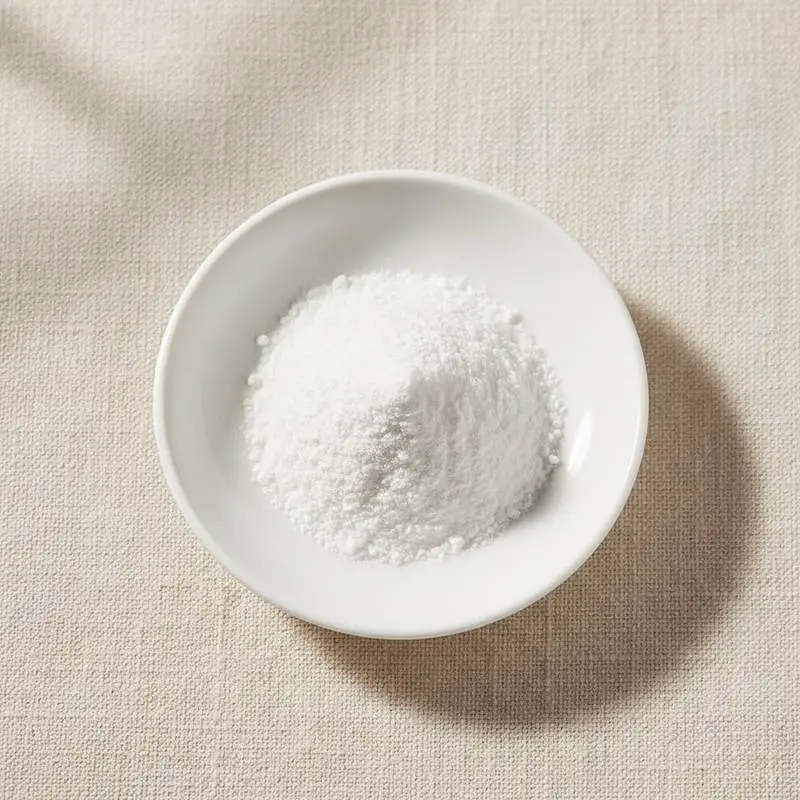
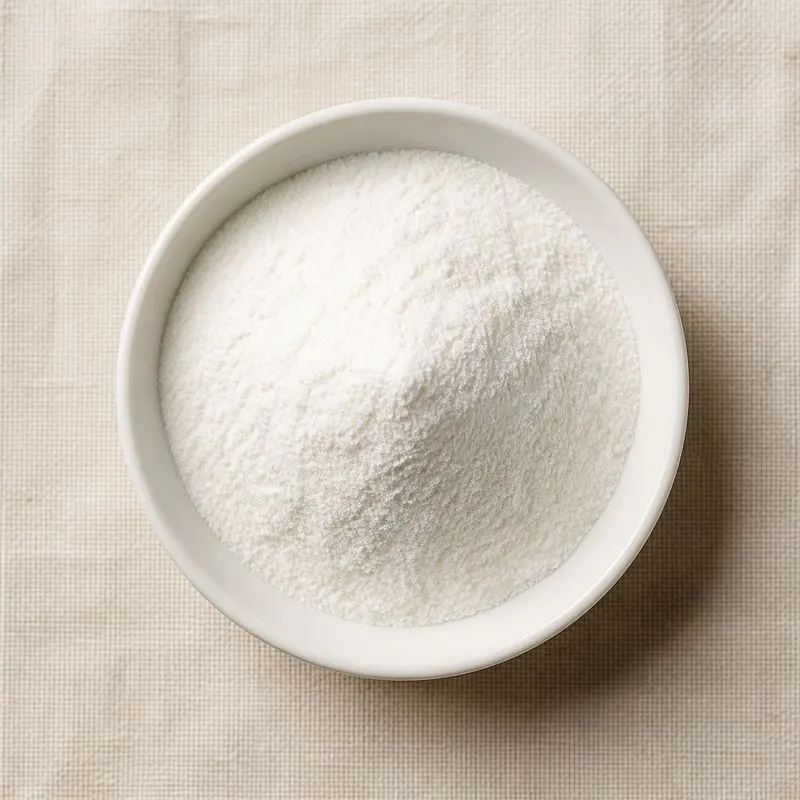
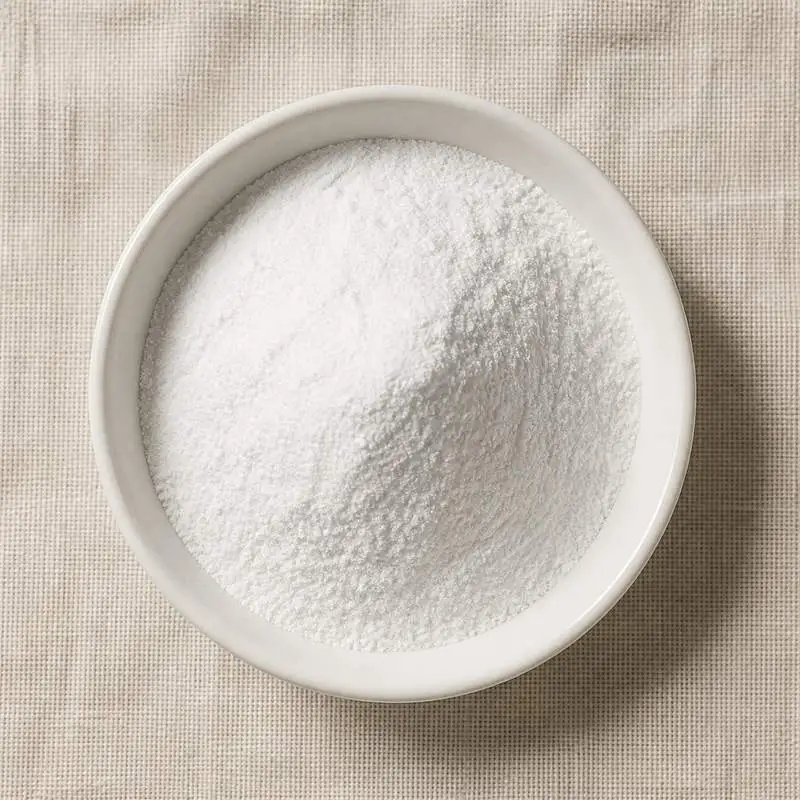
Isolated 10-HDA is a white to off-white crystalline powder with a melting point near 64 degrees Celsius and a faint waxy odour. It is only slightly soluble in cold water, dissolving readily in ethanol, methanol, acetone and dilute alkali, where it forms the corresponding decenoate salt. The material is stable as a dry solid but the alpha-beta unsaturation makes solutions sensitive to prolonged heat and to strong oxidising conditions, so extracts are handled cold and dried under vacuum.
We source bulk Hydroxy-2-decenoic Acid from top China manufacturers for our partners. The manufacturer is in Zhejiang. A smaller requirement can ship in a combined container with other ingredients.
Please send the grade you need, the volume and your destination port, and we will come back with a solution and a price.
or call +86-21-6858 0751
- Function
- Nutraceutical
Specifications
| Item | Specification |
|---|---|
| Appearance | White to off-white crystalline powder |
| Odour | Faint characteristic waxy odour |
| Assay by HPLC | Not less than 98.0 percent |
| Identification | Infrared and HPLC retention conform to reference standard |
| Melting point | 62 to 66 degrees Celsius |
| 10-Hydroxydecanoic acid | Not more than 1.0 percent |
| Loss on drying | Not more than 0.5 percent |
| Residue on ignition | Not more than 0.1 percent |
| Residual solvents | Ethanol not more than 5000 mg/kg; ethyl acetate not more than 5000 mg/kg |
| Heavy metals | Not more than 10 mg/kg |
| Lead | Not more than 1.0 mg/kg |
| Arsenic | Not more than 1.0 mg/kg |
| Total plate count | Not more than 1,000 cfu/g |
| Yeast and mould | Not more than 100 cfu/g |
| E. coli | Negative in 1 g |
| Salmonella | Negative in 25 g |
Common Markets Grades
Two supply routes give two families of grade. Synthetic 10-HDA is the volume material for isolated use and is traded at 98 percent and 99 percent assay by HPLC, with a high-purity 99.5 percent grade for cosmetic actives and research. Purity is quoted alongside residual solvent limits and the content of the related saturated impurity 10-hydroxydecanoic acid, which is the usual process-related contaminant.
Royal jelly derived material is sold either as freeze-dried royal jelly powder standardised to a declared 10-HDA figure, commonly 4, 5 or 6 percent on the dried powder, or as an enriched lipid fraction at 20 to 50 percent. Physical options are limited: the isolated acid is a crystalline powder, usually micronised to 80 to 200 mesh for blending, and occasionally a sodium salt solution for water-based cosmetic bases. There is no encapsulated or coated version in routine trade.
Applications
- Royal jelly supplement capsules and tablets, where the declared 10-HDA figure sets the grade and the price of the base material
- Lyophilised royal jelly powders sold as a standalone supplement, standardised on 10-HDA content
- Analytical reference material for the assay and authentication of royal jelly and royal jelly products
- Anti-ageing skin creams and serums, used as an active in the collagen and barrier support category
- Scalp and hair care formulations built around apiculture actives
- Royal jelly honey blends and oral liquid ampoules, where the acid is the declared active
- Functional beverages and shots in the apitherapy segment
- Sports and immune support formulas combining royal jelly fractions with propolis and bee pollen
- Research chemical supply for studies of antibacterial and neurotrophic activity
Brands Using Hydroxy-2-decenoic Acid
Widely-distributed consumer products that list Hydroxy-2-decenoic Acid on the ingredient label.
Brand names, product names and logos are the property of their owners. They appear here as published evidence that the ingredient is used, taken from the brand's own label or website. Their appearance is not an endorsement, and it does not mean the brand buys from us or from any manufacturer listed on this site.
China Manufacturers of Hydroxy-2-decenoic Acid
Top Hydroxy-2-decenoic Acid manufacturers in China.

Company names and logos are the property of the manufacturers themselves. They are listed here because our own directory records them as producing this ingredient. A listing is not an endorsement by them, and we do not represent them or speak on their behalf.
Regulatory Status
In the United States 10-HDA reaches the market chiefly as a constituent of royal jelly, which is marketed as a dietary ingredient under the Dietary Supplement Health and Education Act; the isolated acid has no GRAS affirmation and no food additive regulation permitting its addition to conventional food, so its food-side use rests on royal jelly as the article of commerce. Royal jelly is a recognised allergen trigger in sensitive individuals, and FDA labelling expectations for bee products reflect that. Cosmetic use is subject to the general safety and labelling provisions administered by FDA rather than to a positive listing.
In the European Union royal jelly has a history of food use predating May 1997 and is handled as a food supplement ingredient under Directive 2002/46/EC and national rules rather than as a novel food, but purified 10-HDA offered as an isolated substance would be assessed under Regulation (EU) 2015/2283. It holds no E number, since it is not an additive. Codex Alimentarius has no commodity standard for royal jelly or for 10-HDA, and JECFA has not evaluated the compound. In practice, buyers rely on supplier HPLC assay methods and on the widely used ISO standard for royal jelly to establish the specification.
Manufacturing Process
Natural material begins with fresh royal jelly, harvested from grafted queen cells and held frozen. The jelly is dispersed in dilute alkali or aqueous ethanol, which brings the acid into solution as its salt while leaving the bulk protein behind, and the proteins are precipitated and removed by centrifugation. Acidification of the clarified liquor with dilute hydrochloric or sulphuric acid throws the free 10-HDA out of solution, and it is taken up into ethyl acetate or a similar solvent. The solvent extract is washed, dried, concentrated under vacuum and the acid recrystallised, usually from an ethanol and water system, to give a crystalline solid that is filtered and vacuum dried. Where the product is a standardised royal jelly powder rather than an isolate, the harvested jelly is instead simply freeze dried and milled, and blended against assay.
The synthetic route, which supplies most isolated material, builds the carbon skeleton from a shorter chain aldehyde or halo-alcohol. A protected 8-hydroxyoctanal or an omega-halo ester is condensed with a malonate or a phosphonate reagent in a Knoevenagel or Horner-Wadsworth-Emmons step, creating the alpha-beta unsaturated ester and setting the trans geometry. Decarboxylation where required, alkaline hydrolysis of the ester and acidification then free the carboxylic acid. The crude acid is decolourised over activated carbon and recrystallised twice from aqueous ethanol before centrifugal separation, vacuum drying and milling.