Instant Pu Erh Tea
Instant pu erh tea is a soluble powder made by extracting post-fermented dark tea from Yunnan, then concentrating and drying the liquor. Pu erh differs from every other tea class in that its character comes from microbial fermentation of the made tea rather than from enzymatic oxidation of the fresh leaf, and that difference carries straight through into the instant product.
The dominant soluble constituents are theabrownins, high molecular weight brown polyphenolic polymers formed as catechins are oxidised and condensed during the pile fermentation. In a ripe pu erh these can account for a large share of the total polyphenols, with free catechins reduced to a small fraction of their original level. Alongside them sit gallic acid, which rises sharply during fermentation, caffeine at 3 to 5 percent, soluble carbohydrate, amino acids and statins and other microbial metabolites where Aspergillus and related fungi have been active.
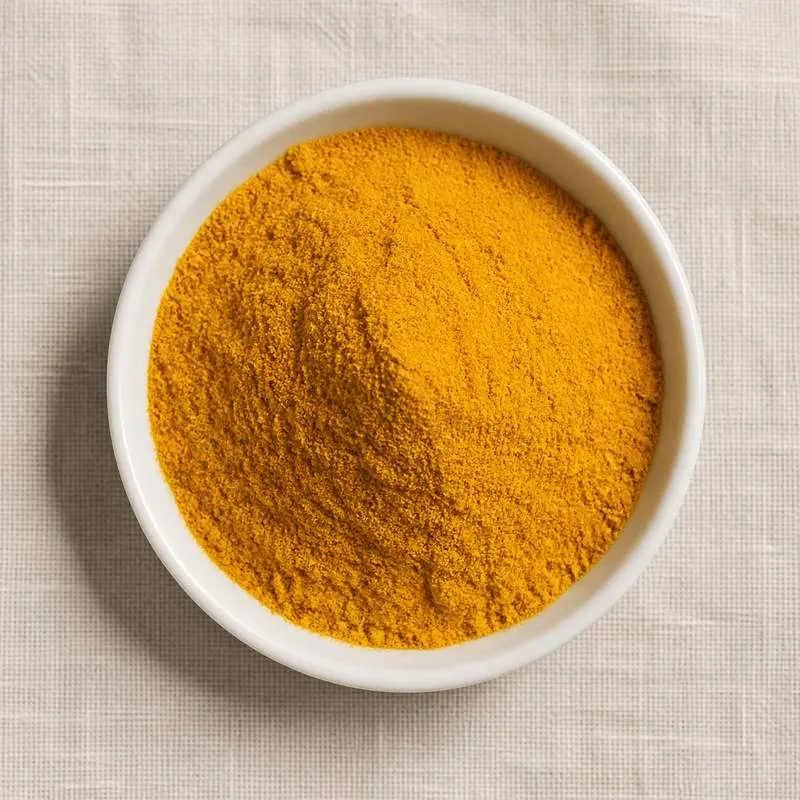
The powder is dark reddish brown to near black, dissolves quickly and completely in both hot and cold water, and gives a deep red-brown liquor with an earthy, woody, mellow taste and almost no astringency. Cold solubility is much better than for green or oolong instant tea, because the polymerised theabrownins do not form the tea cream haze that unpolymerised catechins and caffeine produce on cooling, which is a practical advantage in ready to drink formulation.
We source bulk Instant Pu Erh Tea from top China manufacturers for our partners. The manufacturer is in Shaanxi. A smaller requirement can ship in a combined container with other ingredients.
Please send the grade you need, the volume and your destination port, and we will come back with a solution and a price.
or call +86-21-6858 0751
- Function
- Plant extract
Specifications
| Item | Specification |
|---|---|
| Source | Post-fermented ripe pu erh tea, Yunnan large leaf |
| Appearance | Dark reddish brown to near black fine powder |
| Solubility | Complete in water at 10°C within 60 seconds |
| Total Polyphenols | ≥ 15.0% |
| Caffeine | 3.0 to 5.0% |
| Moisture | ≤ 6.0% |
| Aflatoxin B1 | ≤ 2 µg/kg |
| Ochratoxin A | ≤ 5 µg/kg |
| Lead | ≤ 2.0 mg/kg |
| Arsenic | ≤ 1.0 mg/kg |
| Total Plate Count | ≤ 1,000 cfu/g |
| Yeast and Mould | ≤ 50 cfu/g |
| E. coli | Negative in 1 g |
| Salmonella | Negative in 25 g |
Common Markets Grades
The first grade distinction is between ripe pu erh, shou cha, which has been through accelerated pile fermentation, and raw pu erh, sheng cha, which is compressed and aged slowly without the pile stage. Almost all instant pu erh is made from ripe tea, since raw pu erh is worth more as leaf and its profile is closer to a green tea. Where a raw-based instant is offered, its polyphenol and catechin figures will be substantially higher.
Analytical grades are quoted on total polyphenols, commonly 15 to 30 percent, on theabrownin content where a supplier measures it, on caffeine and on colour value at a defined dilution, colour being unusually important in this product because pu erh is often bought for the depth it gives a beverage. Fermentation degree and the age of the base tea are stated in the higher priced trade. Physical grades run from spray dried powder through freeze dried granules to agglomerated instant granules, and carrier content must be declared where maltodextrin has been added. Because the base tea is microbially fermented, mycotoxin testing is a routine and non-negotiable part of the specification.
Applications
- Ready to drink bottled dark tea and pu erh beverages, where cold solubility and haze stability are the deciding properties
- Instant tea sachets and stick packs, a large domestic Chinese category
- Weight management and digestive supplements formulated on pu erh extract
- Milk tea bases, where the deep colour and low astringency suit dairy blending
- Cold brew and unsweetened tea products
- Natural brown colouring for beverages and confectionery
- Bakery, chocolate and ice cream applications using the earthy, woody profile
- Herbal and slimming tea blends, combined with lotus leaf, cassia seed and other traditional ingredients
- Food service and vending beverage powders
China Manufacturers of Instant Pu Erh Tea
Top Instant Pu Erh Tea manufacturers in China.

Company names and logos are the property of the manufacturers themselves. They are listed here because our own directory records them as producing this ingredient. A listing is not an endorsement by them, and we do not represent them or speak on their behalf.
Regulatory Status
Instant pu erh tea is a conventional food. In the United States tea and tea extracts have an established history of food use and instant tea is regulated as a food, with imported tea subject to inspection for purity and fitness and pesticide residues controlled through tolerances set by the Environmental Protection Agency. Because the base tea is fungally fermented, mycotoxin contamination is the compliance issue that actually determines admissibility, and aflatoxin action levels apply to the product as they do to other foods. Supplement presentations are dietary ingredients under the Dietary Supplement Health and Education Act, manufactured under 21 CFR Part 111.
In the European Union tea, including post-fermented dark tea, is a conventional food and is not a novel food. Pesticide maximum residue levels are set for tea as a dried commodity under Regulation (EC) No 396/2005 and applied to the dry material. Maximum levels for aflatoxins and ochratoxin A are set under the contaminants Regulation and are the principal analytical gate for this product class, since the pile fermentation creates conditions in which toxigenic fungi can establish if the process is poorly controlled. Codex maintains general contaminant standards, including for mycotoxins, and a code of hygienic practice applicable to the product, and the international trade also references the ISO standards for tea sampling and for water extract determination.
Manufacturing Process
The base tea is made before extraction begins. Sun dried Yunnan large leaf material, maocha, is heaped into piles of several hundred kilograms, wetted, and left to ferment under controlled temperature and humidity for four to eight weeks, a process called wo dui. Fungi and bacteria, principally Aspergillus species along with yeasts and lactic acid bacteria, colonise the pile, generating heat that is managed by turning the heap on a schedule. Their enzymes oxidise and condense the catechins into theabrownins and release gallic acid, which is what converts a harsh young tea into a mellow dark one. The fermented tea is dried, sorted and either compressed or sold loose.
Extraction of the fermented tea is straightforward compared with green tea, since the heat-sensitive catechins have already been transformed. Leaf is extracted with hot water at 90 to 100 degrees Celsius in countercurrent columns, and the liquor is centrifuged and filtered to remove leaf fines and residual mycelial material. Concentration is by falling film or plate evaporator under vacuum to 30 to 45 percent solids, and drying is normally by spray drying, with freeze drying used for premium granules. Aroma recovery is less critical than for green or jasmine tea because the pu erh character sits mainly in less volatile compounds. The powder is agglomerated where required, screened, metal detected and packed with a moisture barrier. Every lot is tested for aflatoxins and ochratoxin A before release, because the base tea has been deliberately fungally fermented.