Iprobia Postbiotic Caboost
Iprobia Postbiotic CaBoost is a trade designation for a lactic acid bacteria fermentate marketed as a calcium absorption aid, sold as an inactivated postbiotic powder rather than as a live culture.
The material consists of the dried metabolite fraction of a controlled fermentation together with the heat-killed bacterial biomass. The functional interest lies in the short chain organic acids and low molecular weight peptides produced during fermentation, which lower the pH of the intestinal lumen and are associated with keeping calcium in a soluble ionic form at the point of absorption. It is formulated alongside a calcium salt rather than supplying calcium itself.
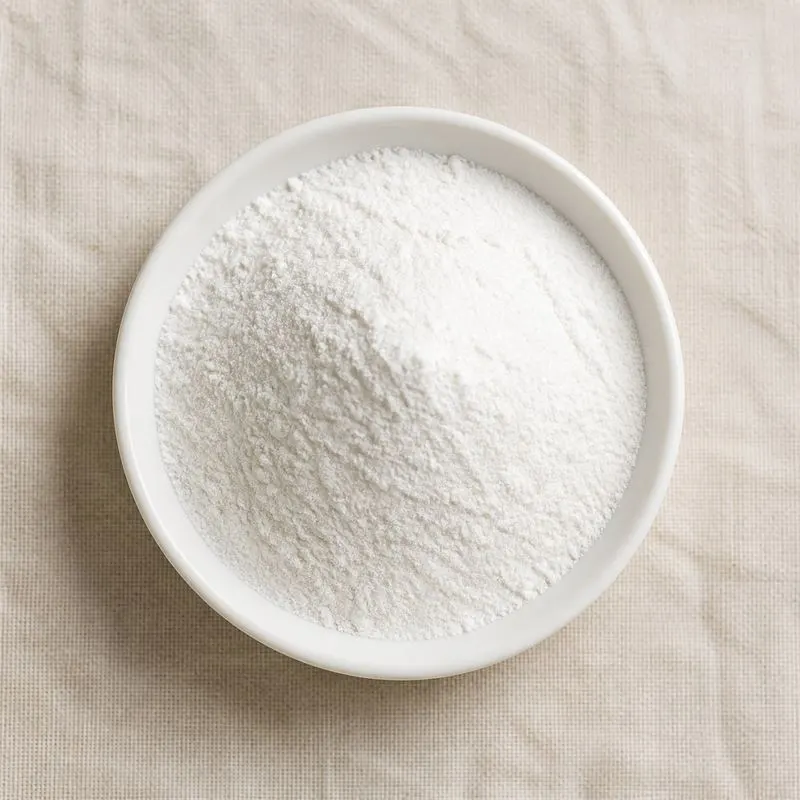
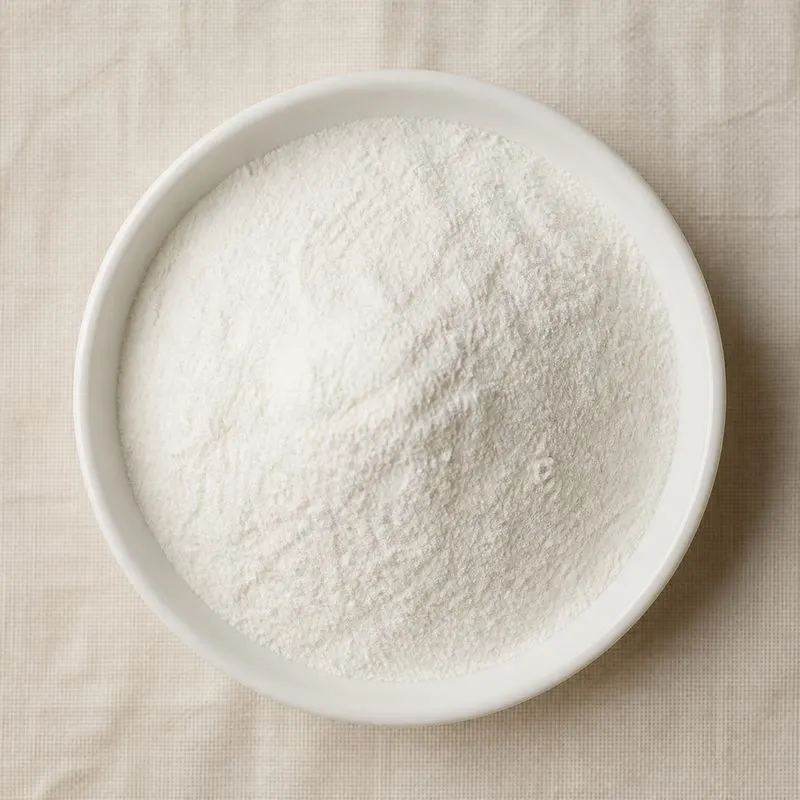
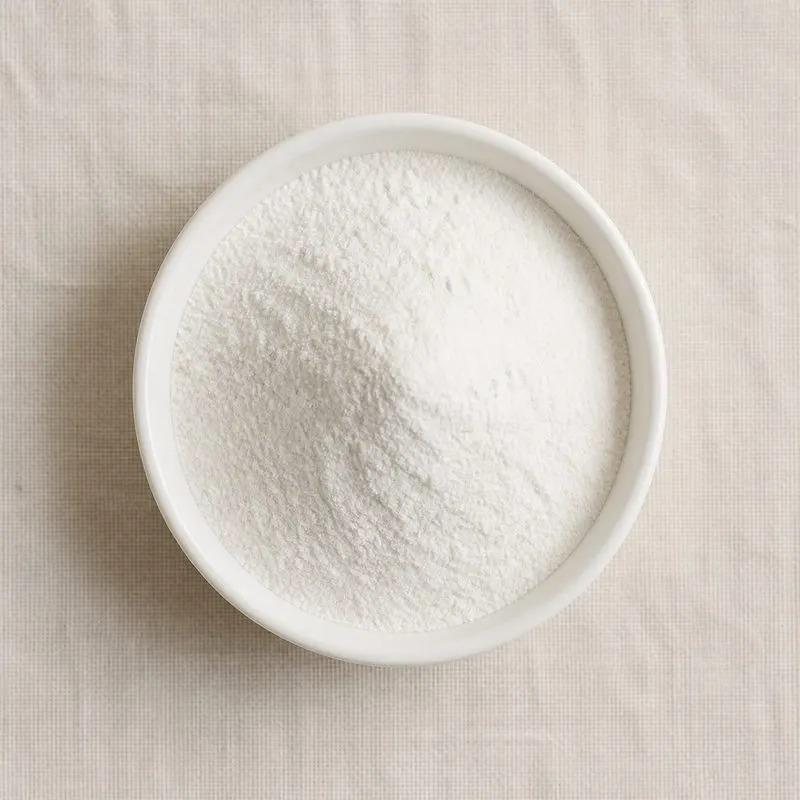
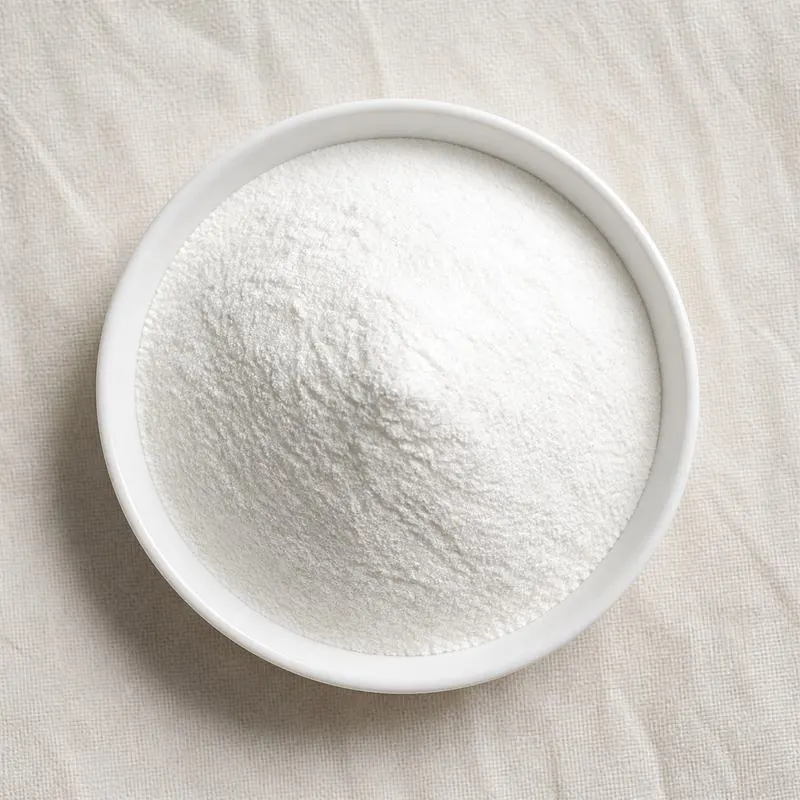
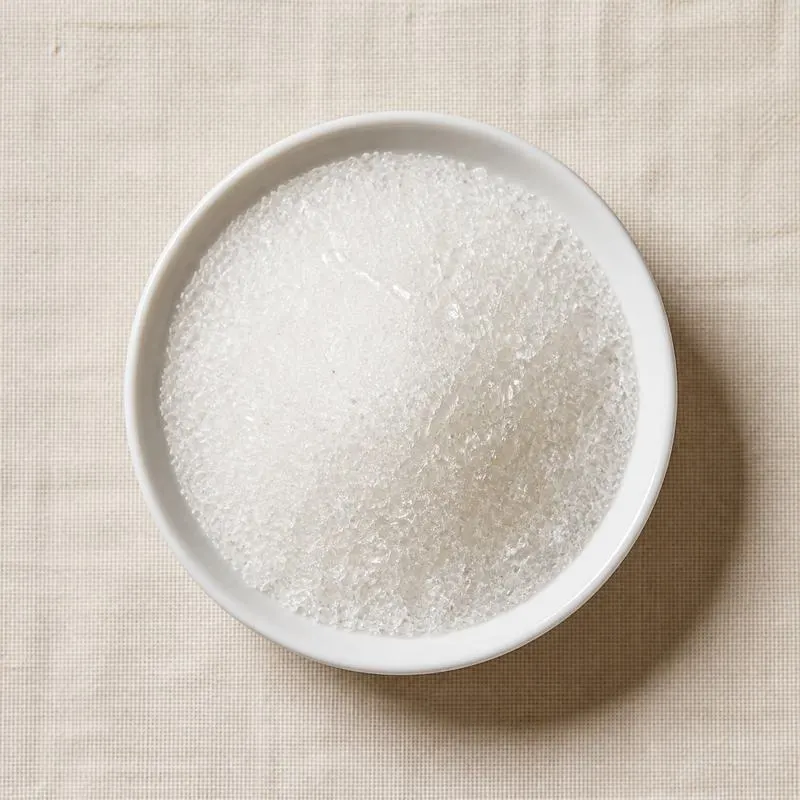
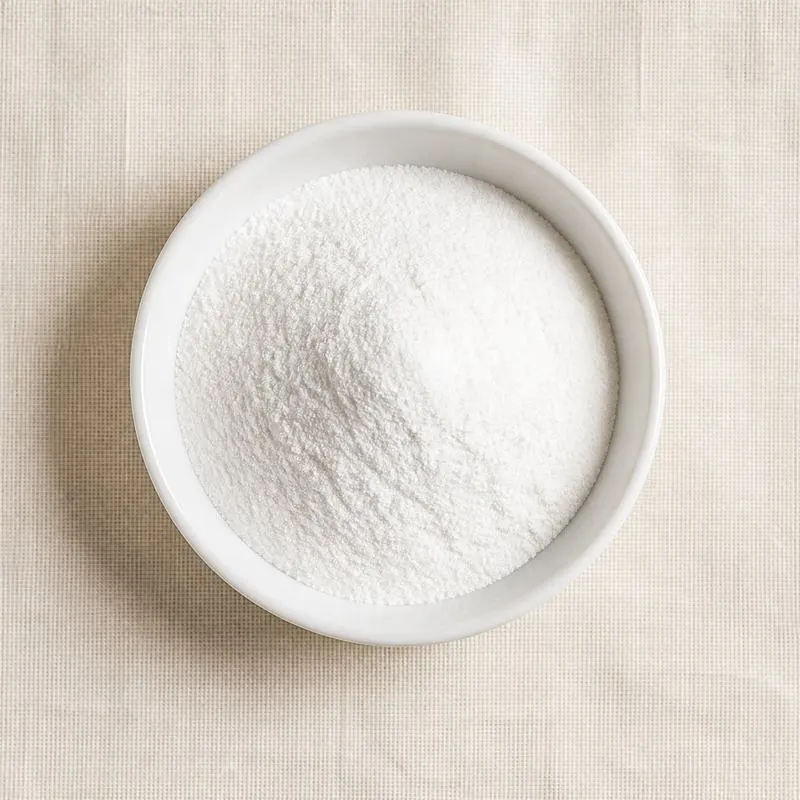
Physically it is an off-white to light cream powder, hygroscopic, with the mildly acidic odour of a dairy fermentate. It disperses readily in water to give a slightly hazy solution. Because the organisms are inactivated, the powder is stable at ambient temperature and survives tabletting, sachet filling and short bursts of heat that would destroy a live culture concentrate.
or call +86-21-6858 0751
- Function
- Probiotic
Specifications
| Item | Specification |
|---|---|
| Appearance | Off-white to light cream powder, free flowing |
| Odour | Mildly acidic, characteristic of a dairy fermentate |
| Strain Identity | Inactivated lactic acid bacteria, identity confirmed by 16S rRNA sequencing |
| Inactivated Cell Count | ≥ 1.0 × 10¹¹ cells/g |
| Residual Viable Count | Not detected (≤ 10 cfu/g) |
| Fermentate Solids | ≥ 50.0% |
| Carrier | Maltodextrin, adjusted to declared fermentate solids |
| Loss on Drying | ≤ 6.0% |
| pH (10% aqueous dispersion) | 3.5 – 5.5 |
| Particle Size | ≥ 95% through 80 mesh |
| Heavy Metals (as Pb) | ≤ 10 mg/kg |
| Total Plate Count | ≤ 1,000 cfu/g |
| Yeast and Mould | ≤ 100 cfu/g |
| Escherichia coli | Negative/25g |
| Salmonella | Negative/25g |
Common Markets Grades
The ingredient is offered as a single food-grade postbiotic powder, standardised on fermentate solids and typically carried on maltodextrin to fix the assay across lots. Direct compression and dry blending versions differ only in granulation, with a coarser agglomerated cut used where flow into high speed tablet presses matters.
Applications
- Calcium supplement tablets and sachets, where it is co-formulated with calcium carbonate or calcium citrate as an absorption aid
- Bone health powders for older consumers, blended with vitamin D3 and vitamin K2
- Fortified milk powders and growing up formulas requiring a heat-tolerant microbiome-directed ingredient
- Ready to drink dairy and plant beverages that are pasteurised after filling
- Chewable tablets and gummies for paediatric calcium supplementation
- Maternal nutrition powders formulated for pregnancy and lactation
- Sports and recovery formulations combining mineral and protein fractions
- Medical nutrition products where live organism intake is restricted
Regulatory Status
In the United States postbiotic fermentate ingredients are marketed under GRAS determinations covering the specific production strains and the fermentation medium, rather than under a food additive regulation. The lactic acid bacteria used are established food fermentation organisms.
In the European Union an inactivated fermentate without a significant history of consumption in the Union before May 1997 falls under the novel food framework and requires authorisation before it can be placed on the market. No E number applies, because the material functions as a food ingredient rather than as an additive. Codex has no standard covering postbiotic preparations, so buyer specifications decide.
Manufacturing Process
Production runs as a submerged liquid fermentation. A defined lactic acid bacteria strain is propagated through seed stages into a stirred fermenter charged with a sterilised medium of carbohydrate, nitrogen source and mineral salts. The batch is held under controlled temperature and pH until the metabolite profile reaches its target, which is monitored by organic acid analysis rather than by cell count.
The whole broth is then heat treated to inactivate all viable organisms. Depending on the specification the biomass is either retained or removed by centrifugation, after which the fermentate is concentrated under vacuum, standardised with a carrier such as maltodextrin, and spray dried. The powder is sieved, blended to homogenise the lot and packed under low humidity.