Jujube Seed Oil
Jujube seed oil is the fixed oil pressed or extracted from the kernel inside the stone of Ziziphus jujuba, most often from the wild or sour variety Ziziphus jujuba var. spinosa, whose seed is the traditional herb suanzaoren. The stone is a by-product of jujube fruit processing, and the oil is recovered from the kernel after the hard woody shell has been cracked away, which is the step that decides the economics of the whole product.
The kernel runs roughly 30 to 35 percent oil. The fatty acid profile is dominated by oleic acid at around 40 to 55 percent and linoleic acid at around 25 to 40 percent, with palmitic and stearic acids making up most of the saturated fraction, so the oil is a monounsaturated-rich liquid oil comparable in profile to a light nut oil. The unsaponifiable fraction carries phytosterols, principally beta-sitosterol, together with tocopherols that contribute natural oxidative stability.
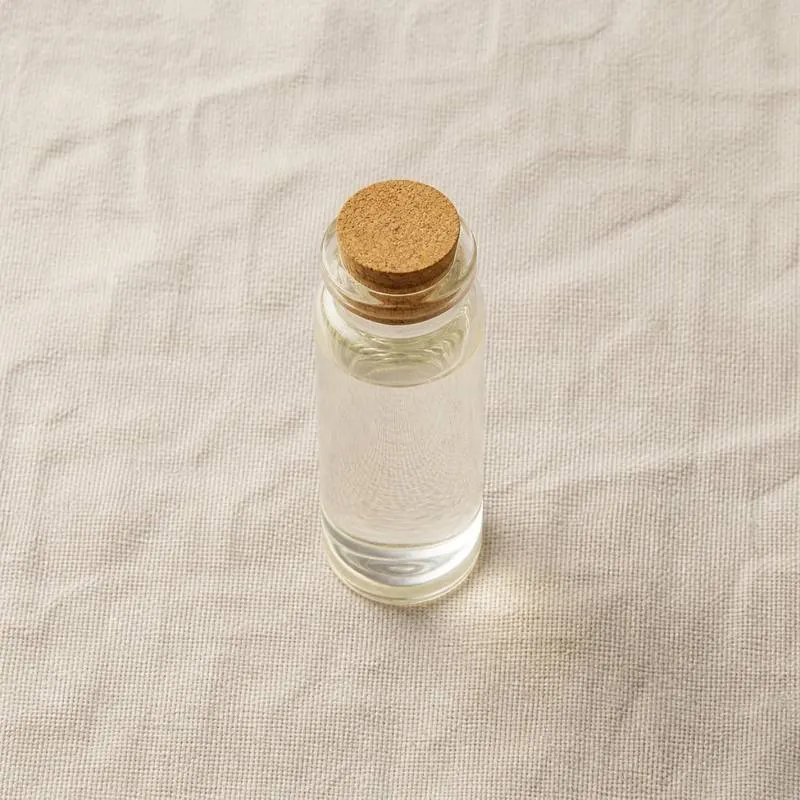
The oil is a clear pale yellow to golden liquid with a mild, faintly nutty odour and a bland taste. It is liquid at ambient temperature and clouds under refrigeration as the saturated triglycerides crystallise. Because the polyunsaturated fraction is substantial it oxidises on prolonged exposure to air, light and heat, and commercial oil is filled under nitrogen into light-excluding containers. Cold pressed oil retains more of the tocopherols and the minor constituents than refined oil, which is the main reason the cold pressed grade commands a premium.
We source bulk Jujube Seed Oil from top China manufacturers for our partners. The manufacturer is in Guangdong. A smaller requirement can ship in a combined container with other ingredients.
Please send the grade you need, the volume and your destination port, and we will come back with a solution and a price.
or call +86-21-6858 0751
- Function
- Plant extract
Specifications
| Item | Specification |
|---|---|
| Botanical Source | Ziziphus jujuba seed kernel, cold pressed |
| Appearance | Clear pale yellow to golden liquid |
| Oleic Acid | 40.0 to 55.0% |
| Linoleic Acid | 25.0 to 40.0% |
| Acid Value | ≤ 2.0 mg KOH/g |
| Peroxide Value | ≤ 5.0 meq/kg |
| Moisture and Volatile Matter | ≤ 0.2% |
| Insoluble Impurities | ≤ 0.05% |
| Saponification Value | 185 to 198 mg KOH/g |
| Unsaponifiable Matter | ≤ 1.5% |
| Residual Hexane | Not detected in cold pressed grade |
| Lead | ≤ 0.1 mg/kg |
| Arsenic | ≤ 0.1 mg/kg |
| Packing and Storage | Nitrogen flushed, light-excluding containers, cool and dry |
Common Markets Grades
The primary distinction is between cold pressed and refined oil. Cold pressed oil is expressed at a barrel temperature below about 50 degrees Celsius, then settled and filtered only, so it keeps its colour, its faint aroma and its full tocopherol content; it is sold for cosmetic and premium edible use and is specified on peroxide value, free fatty acid and cold pressing declaration. Refined oil has been degummed, neutralised, bleached and deodorised, which strips colour and odour and raises the smoke point, and is specified on the standard refined oil parameters.
Solvent extracted oil, produced from the press cake or directly from the kernel with hexane, is a third grade sold at a discount and specified on residual solvent. Beyond the oil itself, the same kernel is the source of jujube seed extract standardised on jujuboside saponins and on spinosin, a flavone glycoside, and these extracts are a separate and generally higher value product line than the oil. Cosmetic grade oil is specified on colour, odour and acid value; edible grade adds the parameters for food oils. Organic certified material follows the certification of the fruit crop it comes from.
Applications
- Cosmetic and skin care formulations, the largest outlet, where the oleic-rich profile suits emollient and massage applications
- Hair oils and scalp preparations, used for its light texture and rapid absorption
- Soap and personal care bases, contributing a mild, non-occlusive fat phase
- Edible finishing oil and salad dressing in premium and regional food markets
- Softgel capsules and oral supplements, where the oil is both carrier and active
- Traditional Chinese herbal preparations based on the sour jujube seed
- Carrier oil for essential oil dilution in aromatherapy
- Feedstock for phytosterol and tocopherol recovery from the deodoriser distillate of refined production
- Animal feed and companion animal supplements, using the press cake alongside the oil
China Manufacturers of Jujube Seed Oil
Top Jujube Seed Oil manufacturers in China.

Company names and logos are the property of the manufacturers themselves. They are listed here because our own directory records them as producing this ingredient. A listing is not an endorsement by them, and we do not represent them or speak on their behalf.
Regulatory Status
In the United States jujube seed oil is handled as a food fat where it is sold for edible use, subject to the general food safety requirements of the Food, Drug and Cosmetic Act and to the preventive controls rules in 21 CFR Part 117; it does not have a dedicated standard of identity. It is not a listed food additive and does not need to be, since fixed vegetable oils of edible plants are conventional foods. Cosmetic use falls under the cosmetic provisions of the Act, which require safety substantiation and ingredient labelling using the assigned cosmetic ingredient nomenclature but do not require pre-market approval.
In the European Union the position depends on the intended use. Ziziphus jujuba fruit has an established history of consumption and is not a novel food, but the seed and preparations from it are recorded separately in the Commission novel food catalogue, and a seed oil without demonstrated significant consumption before May 1997 may require assessment under the novel food Regulation before being sold as a food. Regulation (EC) No 1223/2009 governs cosmetic use and requires a safety assessment and notification but not authorisation for a plant oil of this type. Edible oil placed on the market is subject to the contaminant limits of the contaminants Regulation, including those for polycyclic aromatic hydrocarbons in vegetable oils, and to pesticide maximum residue levels. Codex has adopted a standard for named vegetable oils and a general standard for fats and oils not covered by individual standards, and jujube seed oil is traded against the latter.
Manufacturing Process
Production starts with jujube stones separated from the fruit during pitting, which are washed to remove adhering flesh and dried. The stone has a hard lignified shell and the kernel inside is small, so shelling is the critical unit operation: the stones are cracked on impact or roller shellers set to fracture the shell without crushing the kernel, then the fragments are separated by aspiration and gravity table into kernels and shell. Shell yield is high and the fraction is generally used as fuel or as an abrasive.
Cleaned kernels are conditioned to a suitable moisture content and pressed on a screw press with the barrel temperature held below about 50 degrees Celsius for the cold pressed grade, or run warm for higher yield where a refined oil is the target. The expressed oil is settled, then filtered through plate or bag filters to a clear liquid, and for the cold pressed grade this is where processing ends: the oil is filled under nitrogen into dark containers. For refined oil the crude is degummed with water or phosphoric acid to remove phospholipids, neutralised with dilute alkali to strip free fatty acids, bleached over activated earth to remove colour and trace metals, winterised where a cold-clear oil is needed, and deodorised by steam stripping under high vacuum. The press cake is either solvent extracted for residual oil or milled for feed and for saponin extraction.