L-Ascorbyl-2-Phosphate
L-Ascorbyl-2-Phosphate is a phosphate ester of vitamin C in which the enolic hydroxyl at position 2 of the ascorbic acid ring is capped with a phosphate group, and it is used commercially as the magnesium, sodium or calcium salt.
The position of the ester is the point of the molecule. The 2-hydroxyl is the site through which ascorbic acid is oxidised, so blocking it with phosphate removes the redox activity that makes vitamin C so unstable and yields a compound that survives heat, oxygen, moisture, alkaline pH and metal ions far better than ascorbic acid does. Phosphatases in tissue and in the digestive tract cleave the ester and release free ascorbic acid, so vitamin activity is recovered at the point of use rather than lost in the container.
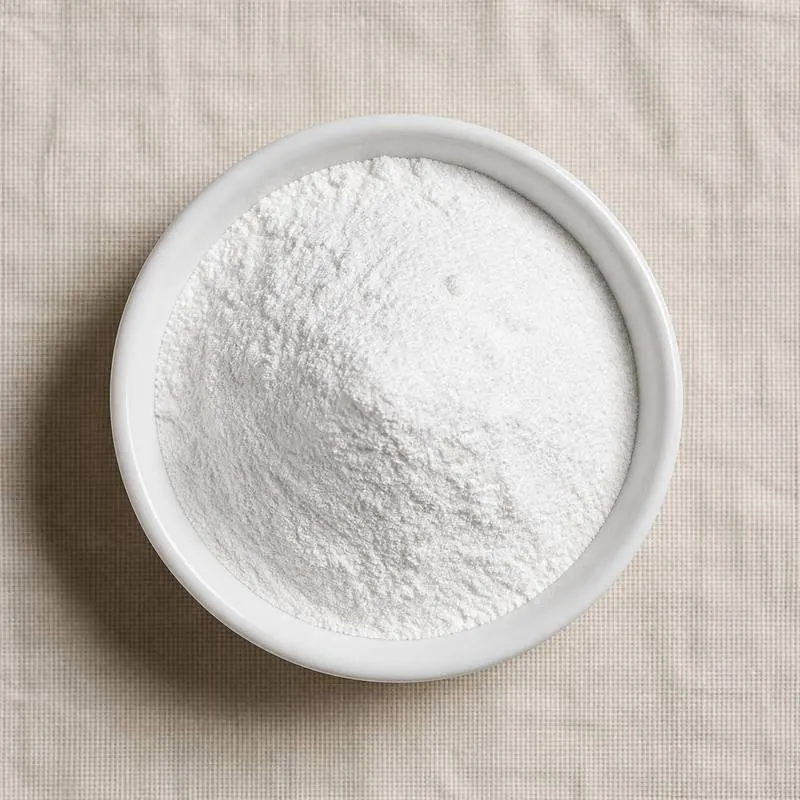
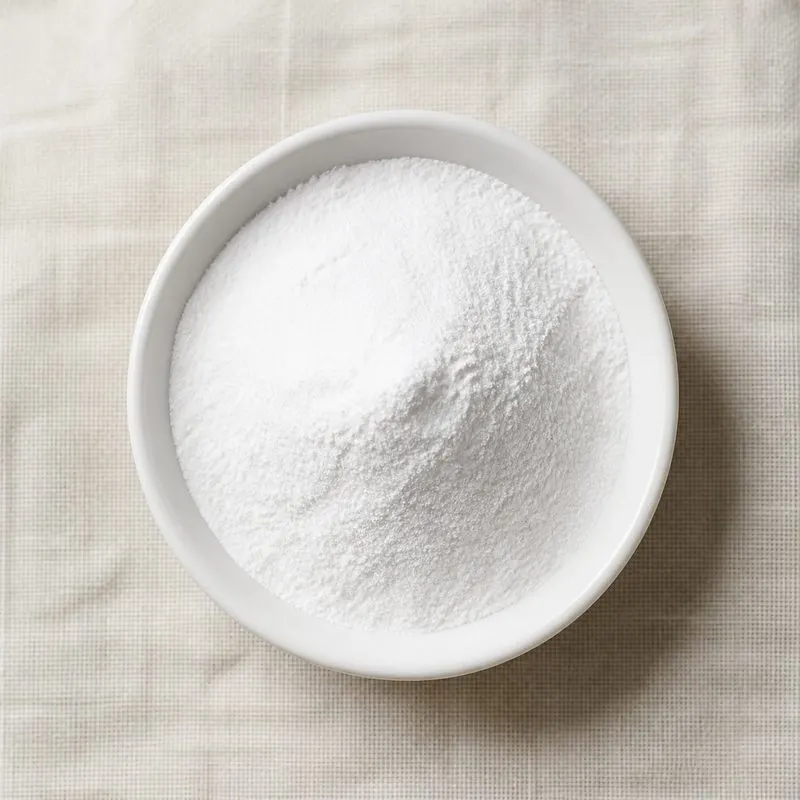
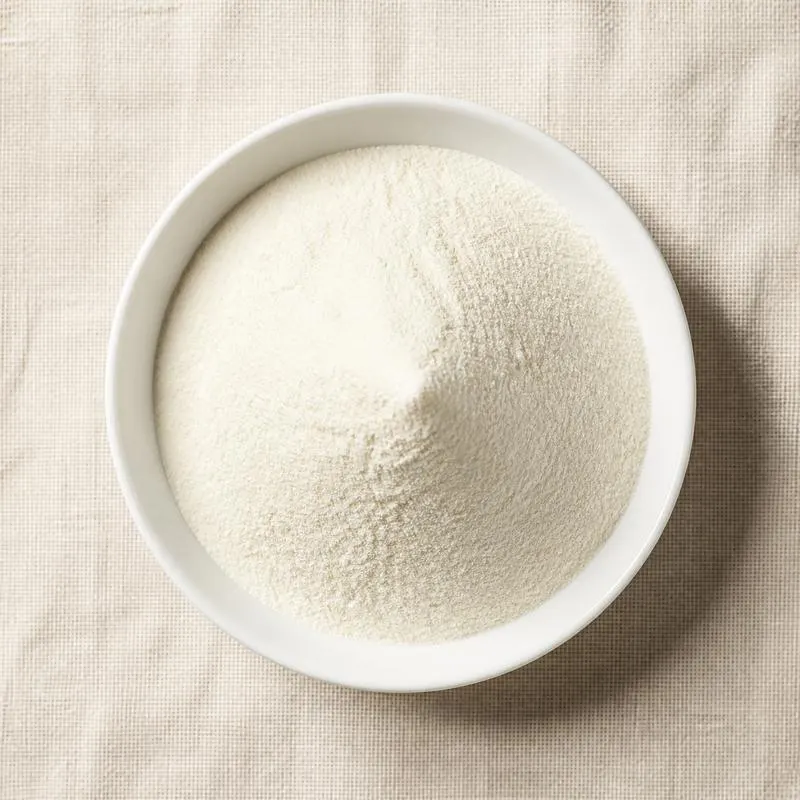
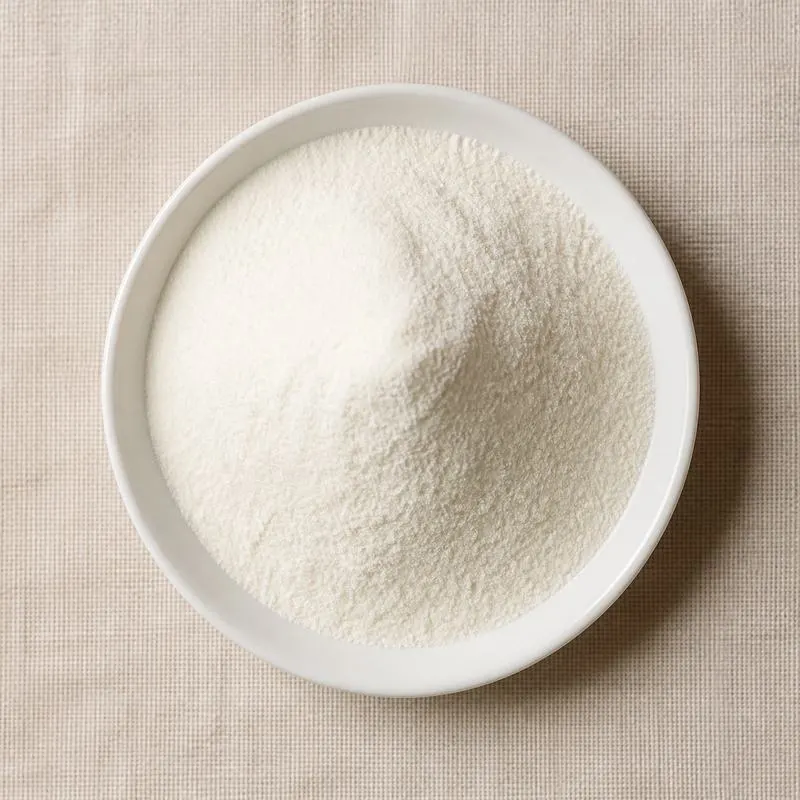
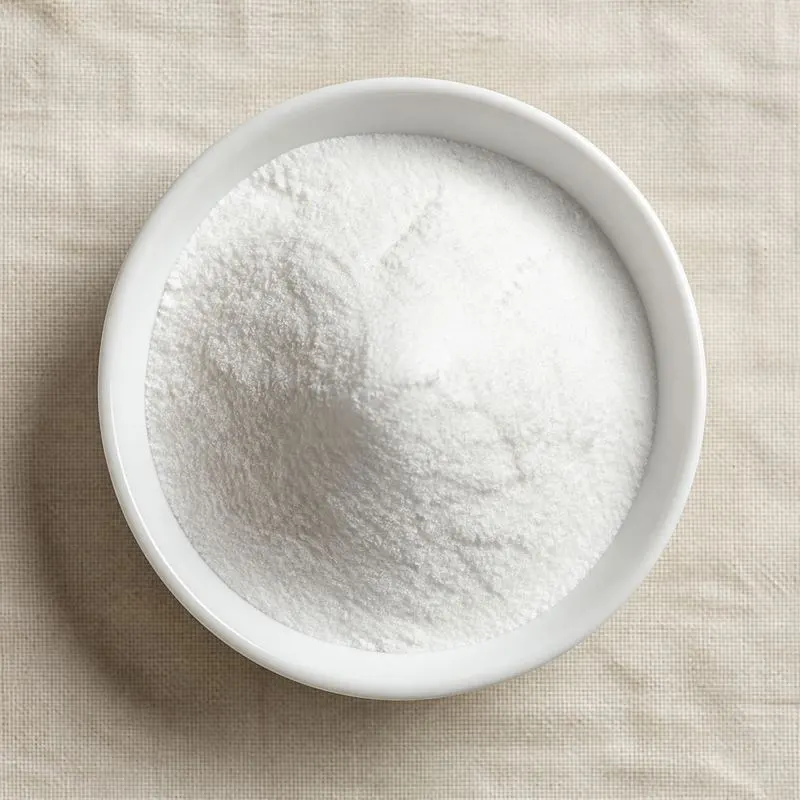
It is a white to pale yellow or off-white powder that is freely soluble in water in the sodium form and less so as the magnesium salt, and practically insoluble in oils. Aqueous solutions are stable near neutral to slightly alkaline pH, which is the opposite of the requirement for ascorbic acid, and the compound does not brown or discolour a formulation the way ascorbic acid does on oxidation. Its two major commercial homes reflect that stability: topical cosmetics, where it is used as a non irritating vitamin C derivative, and aquaculture feed, where ascorbic acid would be destroyed by extrusion and by leaching into water.
We source bulk L-Ascorbyl-2-Phosphate from top China manufacturers for our partners. The manufacturer is in Ningxia. A smaller requirement can ship in a combined container with other ingredients.
Please send the grade you need, the volume and your destination port, and we will come back with a solution and a price.
or call +86-21-6858 0751
- Function
- Vitamin
Specifications
| Item | Specification |
|---|---|
| Appearance | White to pale yellow free-flowing powder |
| Identification | Infrared and HPLC conform to reference standard |
| Assay, as ascorbyl phosphate | ≥ 95.0% for cosmetic grade |
| Ascorbic Acid Equivalent | ≥ 35.0% for feed grade |
| Free Ascorbic Acid | ≤ 1.0% |
| Inorganic Phosphate | ≤ 1.0% |
| Loss on Drying | ≤ 8.0% |
| pH, 1% aqueous solution | 7.0 to 9.0 |
| Clarity of Solution | Clear, no more than slightly coloured at 1% in water |
| Residue on Ignition | Conforms to declared salt content |
| Heavy Metals | ≤ 10 mg/kg |
| Lead | ≤ 2.0 mg/kg |
| Arsenic | ≤ 2.0 mg/kg |
| Total Plate Count | ≤ 1,000 cfu/g |
Common Markets Grades
The trade divides by counter ion and by intended use. Magnesium ascorbyl phosphate and sodium ascorbyl phosphate are the cosmetic grades, sold to a purity above 95 percent with tight limits on free ascorbic acid and on inorganic phosphate, since both affect solution colour and stability in a finished cream. Sodium ascorbyl phosphate is the more water soluble of the two and is chosen for aqueous serums, while the magnesium salt is preferred in emulsions.
Feed grades are a different article. L-ascorbyl-2-monophosphate and L-ascorbyl-2-polyphosphate, usually as mixed calcium and sodium salts, are free flowing powders standardised to a declared ascorbic acid equivalent rather than to a chemical assay, commonly in the region of 35 percent, with the balance made up of carrier and inorganic salts. Coated and granulated feed grades are made to survive pelleting and extrusion, and the specification emphasises retention after processing and resistance to leaching from the pellet into water.
Applications
- Aquaculture feed for fish and shrimp, as the stable vitamin C source that survives extrusion and resists leaching
- Shrimp and larval diets, where the vitamin C requirement is high and ascorbic acid would be lost before ingestion
- Poultry and swine premixes, where a stabilised vitamin C form is wanted for heat stressed animals
- Pet food, supplying vitamin C activity through the extrusion process
- Brightening and anti-pigmentation skin serums, as a non irritating vitamin C derivative
- Anti-ageing creams and emulsions, contributing antioxidant activity after enzymatic cleavage in skin
- Sun care and after sun preparations, included for oxidative protection claims
- Cleansers and toners, where the near neutral pH tolerance suits the base formulation
- Cell culture and laboratory media, as a long lasting ascorbate source
Brands Using L-Ascorbyl-2-Phosphate
Widely-distributed consumer products that list L-Ascorbyl-2-Phosphate on the ingredient label.
- NaturiumVitamin C Complex Serum ↗The serum pairs L-ascorbic acid with sodium ascorbyl phosphate, the sodium salt of ascorbyl-2-phosphate, as a stabilised vitamin C form.Label verified 2026-08-31
- NaturiumVitamin C Complex Serum Jumbo ↗The larger size of the same formula, listing sodium ascorbyl phosphate alongside L-ascorbic acid and a fruit blend.Label verified 2026-08-31
Brand names, product names and logos are the property of their owners. They appear here as published evidence that the ingredient is used, taken from the brand's own label or website. Their appearance is not an endorsement, and it does not mean the brand buys from us or from any manufacturer listed on this site.
China Manufacturers of L-Ascorbyl-2-Phosphate
Top L-Ascorbyl-2-Phosphate manufacturers in China.

Company names and logos are the property of the manufacturers themselves. They are listed here because our own directory records them as producing this ingredient. A listing is not an endorsement by them, and we do not represent them or speak on their behalf.
Regulatory Status
Use depends on the application rather than on a single listing. In the European Union L-ascorbyl-2-monophosphate and L-ascorbyl-2-polyphosphate are authorised as nutritional feed additives in the vitamin C functional group under the feed additives regulation, with target species and conditions of use set in the relevant authorising regulations, and that is the largest regulated use of the substance. In cosmetics Regulation (EC) No 1223/2009 regulates it; the cosmetic ingredient inventory lists magnesium ascorbyl phosphate and sodium ascorbyl phosphate, and neither carries a restriction or a prohibition.
Ascorbyl phosphate is not an authorised food additive in the European Union and has no E number, and it is not among the vitamin C forms listed for the addition of vitamins to foods under Regulation (EC) No 1925/2006 or for food supplements under Directive 2002/46/EC, where ascorbic acid and its sodium, calcium and potassium salts are the listed forms. In the United States it is used in cosmetics, which are not subject to premarket approval, and in animal feed under the Food and Drug Administration's regulations for animal food, while human food and supplement use would require a status that the substance does not presently hold in that market.
Manufacturing Process
The starting material is L-ascorbic acid, itself made from glucose by the two step fermentation route through sorbitol and 2-keto-L-gulonic acid. Because ascorbic acid carries four hydroxyl groups and only the one at position 2 is to be esterified, the synthesis depends on protecting the others first. The 5,6-diol is blocked as the acetonide by reaction with acetone under acid catalysis, and the resulting 5,6-O-isopropylidene ascorbic acid leaves the 2 and 3 positions available.
Phosphorylation is then carried out with phosphorus oxychloride in an alkaline aqueous or mixed solvent system at low temperature, which installs the phosphate selectively at the 2 position, with careful pH control to limit hydrolysis and the formation of inorganic phosphate. The acetonide protecting group is removed under mild acid, and the free phosphate is neutralised with magnesium, sodium or calcium hydroxide to form the desired salt. The salt is precipitated by adding an alcohol, separated on a centrifuge or filter, washed to remove residual salts and free ascorbic acid, and dried under vacuum at low temperature. The dried solid is milled, screened and standardised, with feed grades blended onto a carrier and optionally coated in a fluid bed. The whole sequence runs away from light and under inert gas where free ascorbate is present.