L-Carnitine Orotate
L-Carnitine Orotate is a salt of L-carnitine and orotic acid, positioned for cardiovascular and liver-support supplement applications. Orotic acid is a natural pyrimidine biosynthesis intermediate, and the salt has historically been promoted on the basis that the orotate counter-ion supports nucleotide synthesis in metabolically active tissue such as heart muscle and hepatocytes.
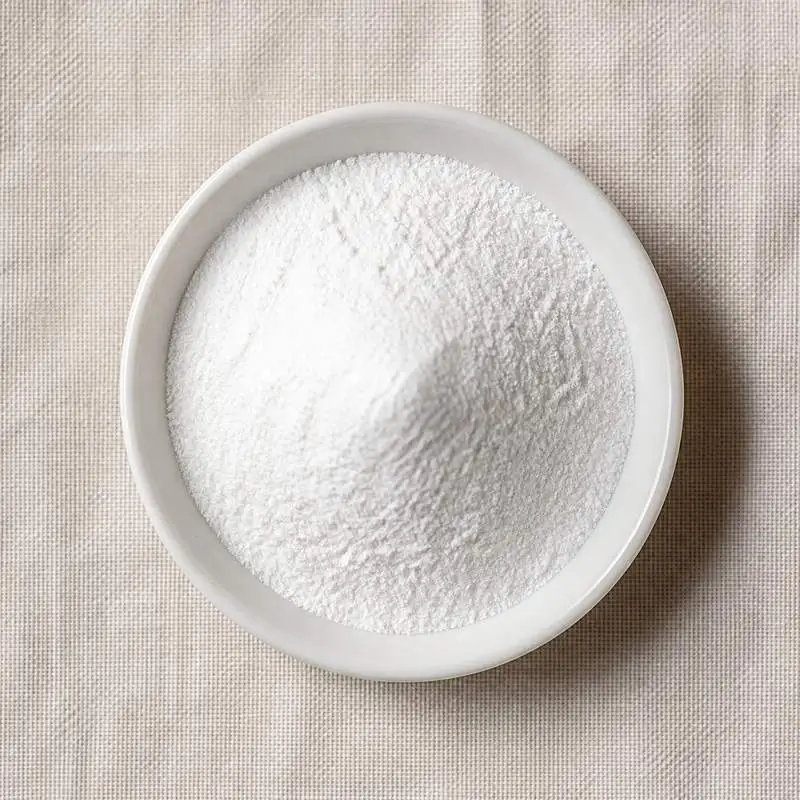
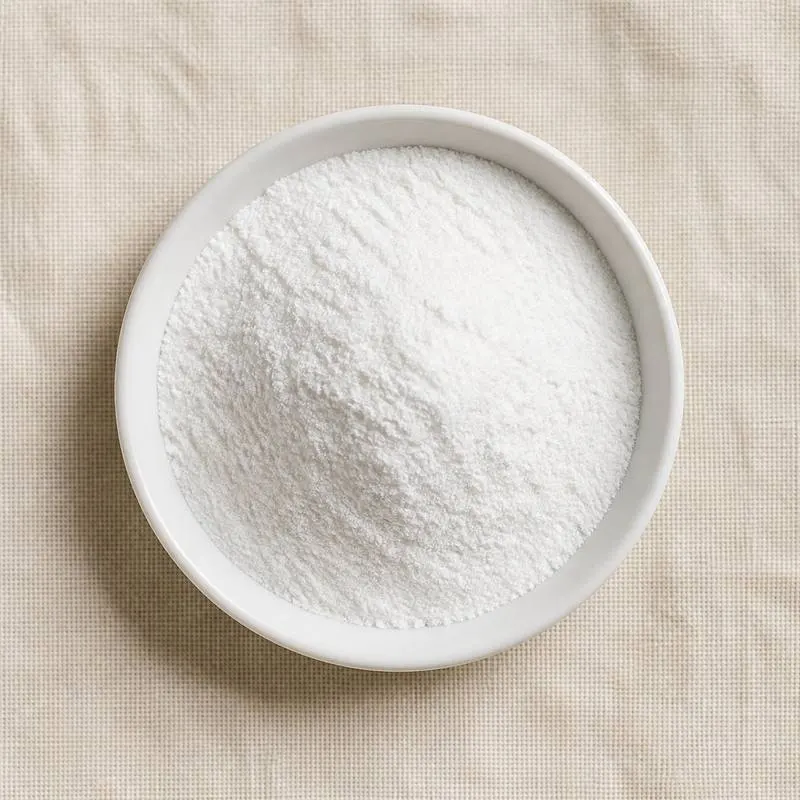
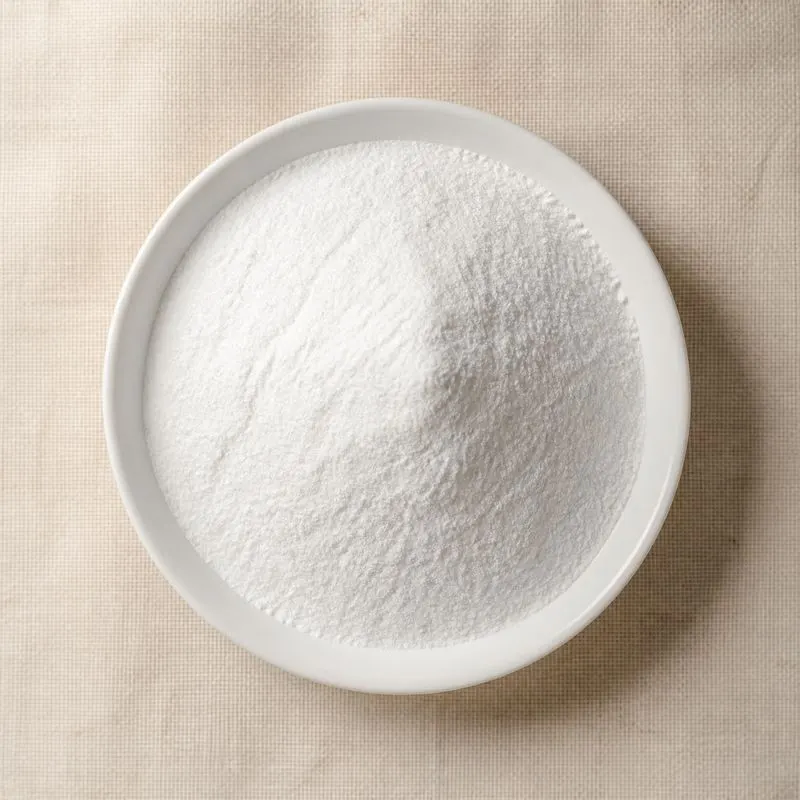
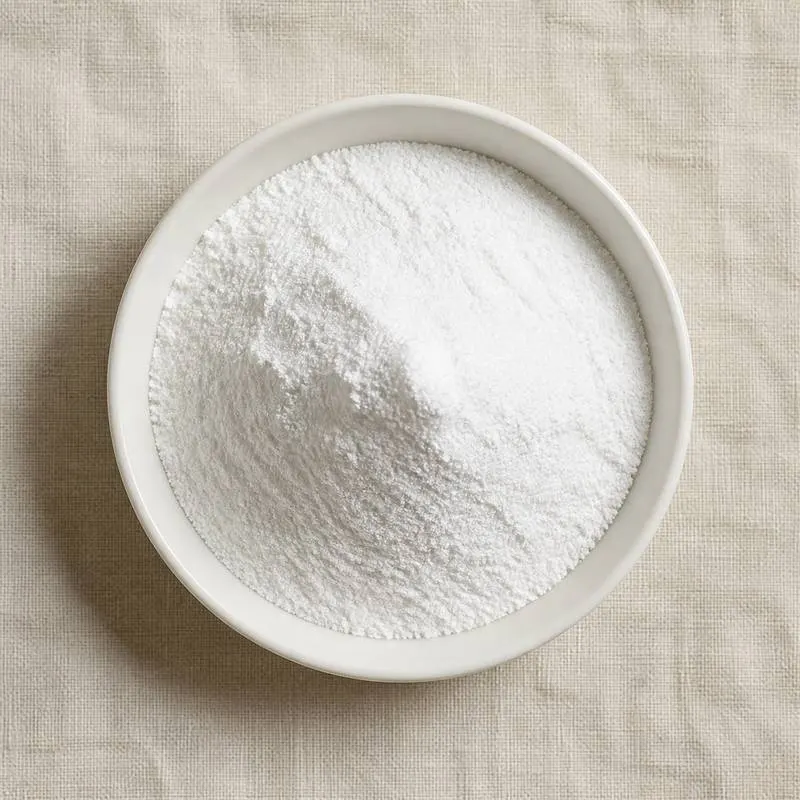
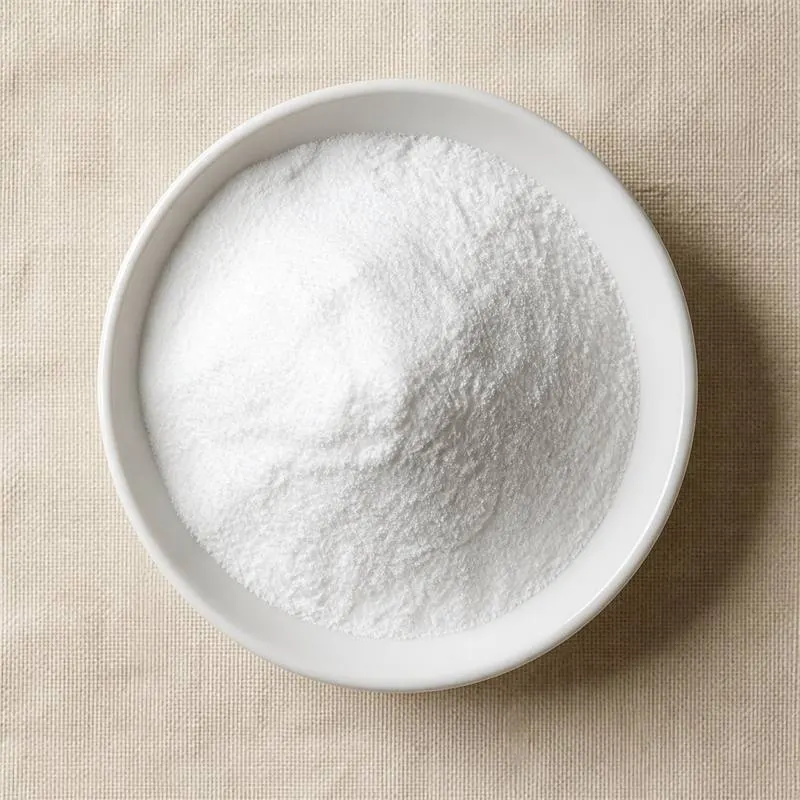
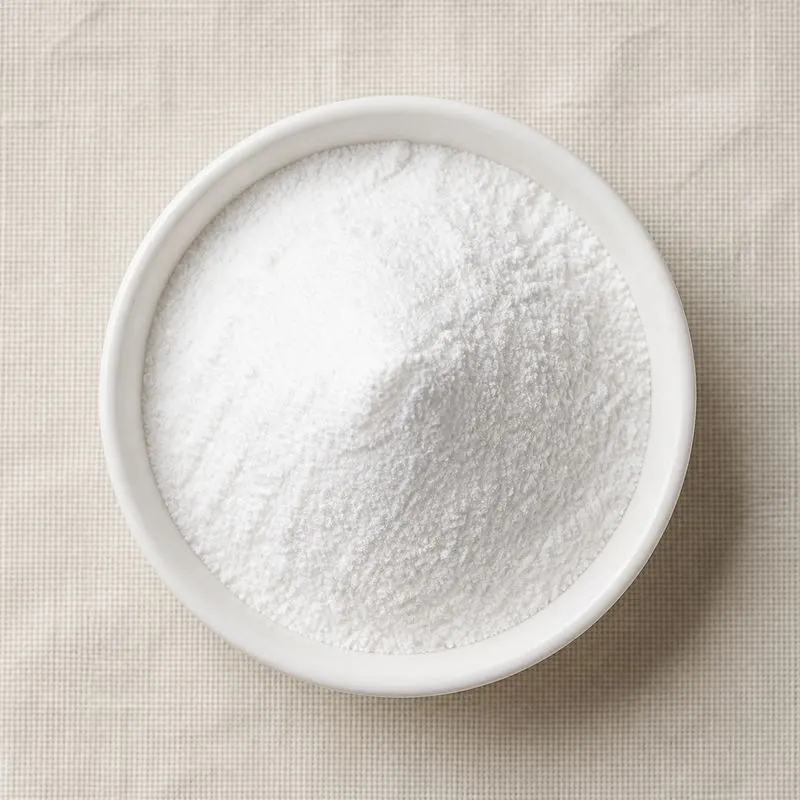
The salt is a white to off-white crystalline powder with L-carnitine content typically around 50 percent and orotic acid contributing the balance.
We source bulk L-Carnitine Orotate from top China manufacturers for our partners. The manufacturer is in Liaoning. A smaller requirement can ship in a combined container with other ingredients.
Please send the grade you need, the volume and your destination port, and we will come back with a solution and a price.
or call +86-21-6858 0751
- Packaging
- 25 kg kraft paper bag with PE inner liner
- ISO 9001
- HACCP
- Halal
- Kosher
Specifications
| Item | Specification |
|---|---|
| Appearance | White to off-white crystalline powder |
| Identification (HPLC and UV) | Conforms to reference standard |
| Assay (as L-Carnitine Orotate, dried basis) | ≥ 98.0% |
| L-Carnitine Content (HPLC) | 48.0 – 52.0% |
| Orotic Acid Content (HPLC) | 46.0 – 50.0% |
| Specific Rotation [α]D²⁰ | -13° to -17° (c = 1, water) |
| D-Carnitine | ≤ 0.5% |
| pH (1% aqueous solution) | 4.0 – 6.0 |
| Loss on Drying | ≤ 1.0% |
| Residue on Ignition | ≤ 0.5% |
| Related Substances (HPLC, total) | ≤ 1.0% |
| Heavy Metals (as Pb) | ≤ 10 mg/kg |
| Arsenic (as As) | ≤ 1 mg/kg |
| Total Plate Count | ≤ 1,000 cfu/g |
| Pathogens (E. coli, Salmonella) | Negative/25g |
Common Markets Grades
L-Carnitine Orotate exists in a single grade, food-supplement.
Standard specifications include L-carnitine content by HPLC, orotic acid content by HPLC or UV, loss on drying, residual solvents, and heavy metals. D-carnitine is controlled to less than 0.5 percent by chiral HPLC or polarimetry.
Particle size is typically a fine to medium powder suitable for capsule and tablet manufacture. The salt has acceptable flow and moderate hygroscopicity, sitting between the HCl and tartrate forms in moisture-uptake behaviour.
The orotate counter-ion contributes a mild, slightly bitter taste that is generally masked in capsule and coated-tablet formats.
Applications
- Cardiovascular-support capsules and tablets
- Liver-support formulations alongside silymarin and choline
- Senior-nutrition supplements for cardiac energy
- Sports and endurance products positioned around tissue oxygenation
- Recovery formulations for after exercise or illness
- Combined cardiovascular blends with coenzyme Q10 and taurine
- Functional shots for athletes and active seniors
- Specialty nutraceutical products in the central European market
- Veterinary cardiac-support products
- Stress and convalescence supplements
- Multivitamin formulations targeting cardiovascular health
- Pharmacist-channel cardiometabolic supplements in Europe
Brands Using L-Carnitine Orotate
Widely-distributed consumer products that list L-Carnitine Orotate on the ingredient label.
Brand names, product names and logos are the property of their owners. They appear here as published evidence that the ingredient is used, taken from the brand's own label or website. Their appearance is not an endorsement, and it does not mean the brand buys from us or from any manufacturer listed on this site.
China Manufacturers of L-Carnitine Orotate
Top L-Carnitine Orotate manufacturers in China.

Company names and logos are the property of the manufacturers themselves. They are listed here because our own directory records them as producing this ingredient. A listing is not an endorsement by them, and we do not represent them or speak on their behalf.
How We Help Source L-Carnitine Orotate
Direct Factory Sourcing
We run the whole process: selecting the manufacturer from the top Chinese food ingredient producers, negotiating the price, verifying quality, and coordinating the logistics. You deal with us instead of with several factories at once.
Original Packaging and Documents from the Manufacturer
The manufacturer sends your L-Carnitine Orotate out of its own factory in the original packing, through to your destination port. The COA, COO, MSDS, TDS and any certifications reach you from the manufacturer as well.
Free Samples and Lead Time
We send 100 to 500 g free for your own laboratory to test and you cover only the courier, usually within 2 to 3 working days. ETD is usually within 7 to 15 days once the order is confirmed, and we check that date against the factory's own manufacturing schedule before we give it to you.
Combined Shipment
We can load L-Carnitine Orotate together with other ingredients such as Glycine, L-Arginine and L-Leucine into one 20' FCL. If your quantity is small, we can also ship LCL.
Regulatory Status
L-Carnitine Orotate is permitted as a food supplement ingredient in several European markets and is included as a recognised source of L-carnitine under the Food Supplements Directive (2002/46/EC) Annex II.
In the United States it is sold as a dietary ingredient under DSHEA, although it is far less common than the HCl or tartrate salts.
Orotic acid itself is not a separately regulated food additive and has been the subject of discussion regarding upper limits in supplement use. Suppliers and formulators monitor the cumulative orotate exposure when combining multiple orotate-salt ingredients in a single product.
Halal and Kosher certifications exist from suppliers operating on non-animal-derived raw materials. Pharmacopoeial coverage is through USP and Ph. Eur. methodology for the parent L-carnitine.
Manufacturing Process
L-Carnitine Orotate is produced by neutralisation of L-carnitine free base with orotic acid in aqueous medium, followed by controlled crystallisation or spray drying.
The L-carnitine starting material is sourced from the asymmetric synthesis or biocatalytic routes. Orotic acid is produced commercially by fermentation of Mycobacterium smegmatis or by chemical synthesis from aspartic acid and urea.
The reaction is run with pH control to deliver the 1:1 salt without free orotic acid contamination, which would otherwise precipitate separately given its very low water solubility.
Final processing includes drying, milling, sieving, and microbiological control. Orotate content is verified by HPLC and the L-carnitine content by polarimetry or HPLC against an external standard.