L-Cysteine Hydrochloride Monohydrate
L-cysteine hydrochloride monohydrate is the hydrated hydrochloride salt of L-cysteine, the sulphur containing proteinogenic amino acid, with the formula C3H7NO2S and one molecule each of hydrogen chloride and water of crystallisation. It is the standard commercial form of cysteine, because the free base oxidises readily in air to the disulphide cystine and is difficult to keep in specification, while the acidic salt is stable and free flowing.
The defining feature of the molecule is the free thiol group. In dough it reduces the disulphide bonds that cross link gluten, which relaxes the protein network, cuts mixing time and energy, improves extensibility and reduces the tendency of a sheeted or moulded dough to shrink back. In a heated system containing reducing sugars the same thiol drives the Maillard chemistry that produces meaty, roasted and savoury aroma compounds, which is why the substance is a mainstay of reaction flavour manufacture.
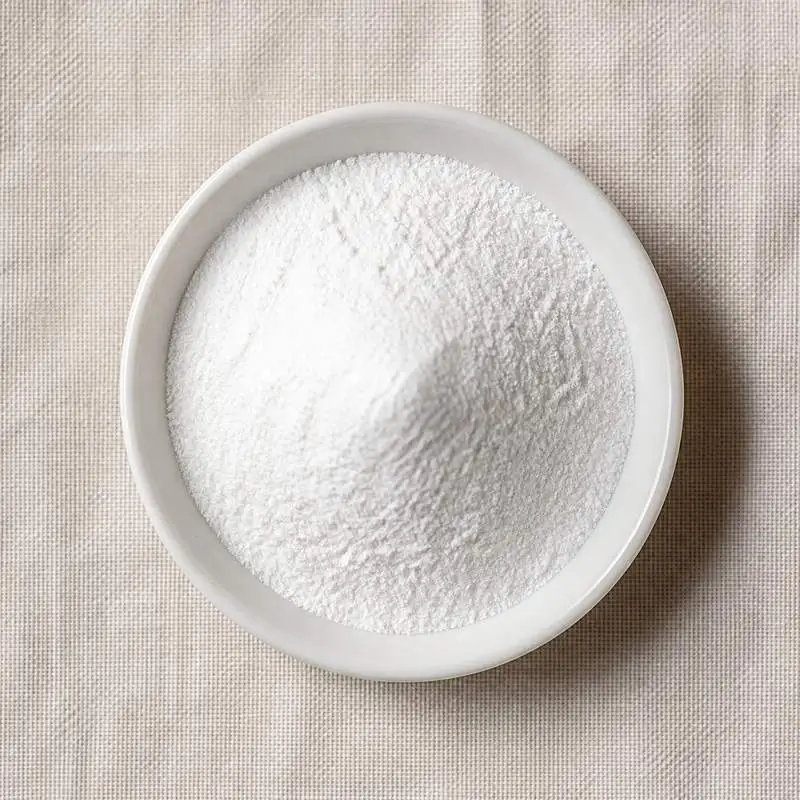
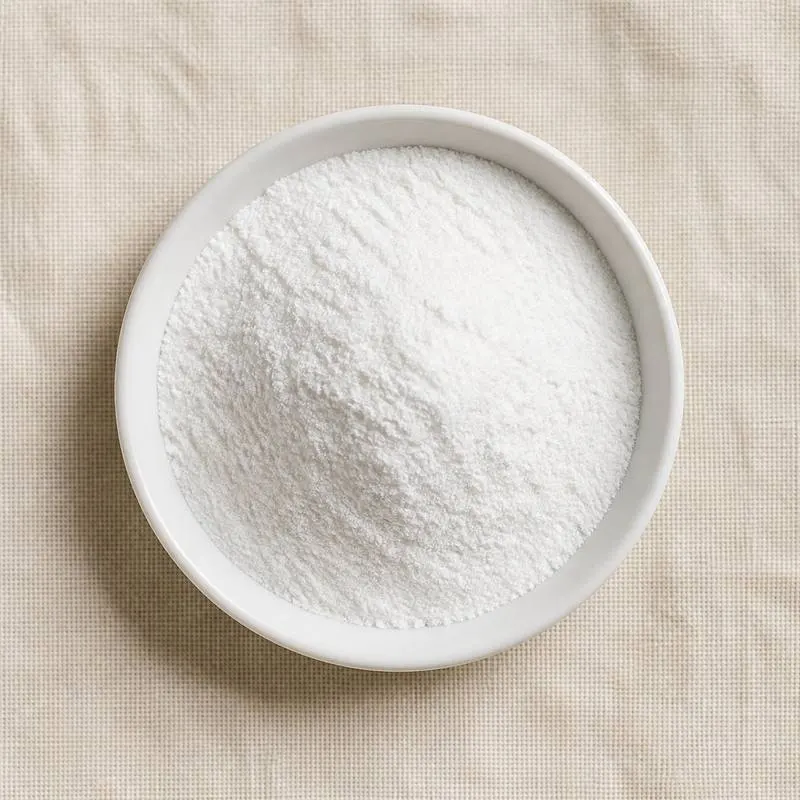
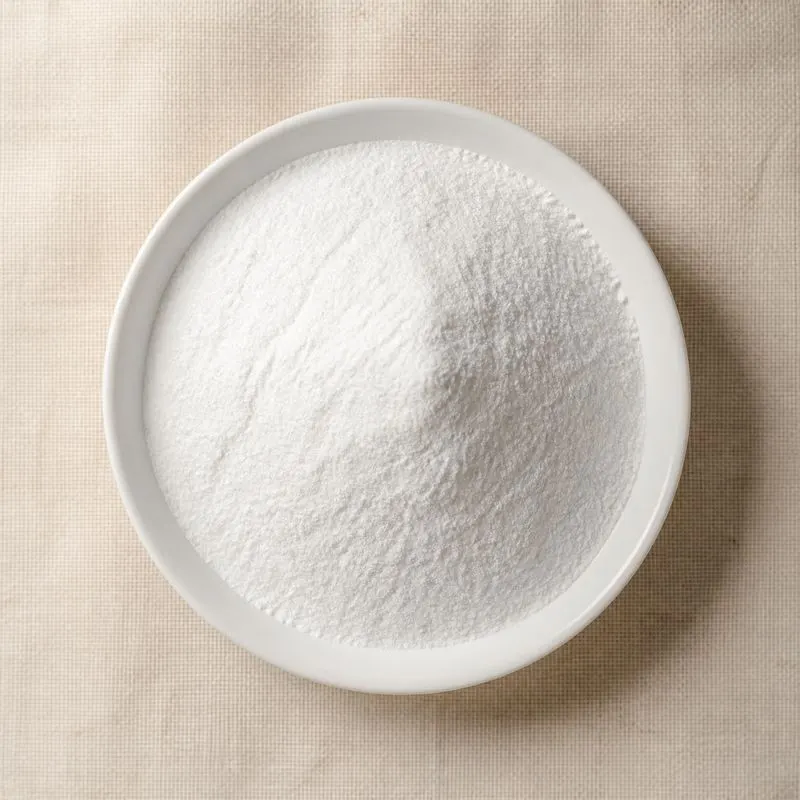
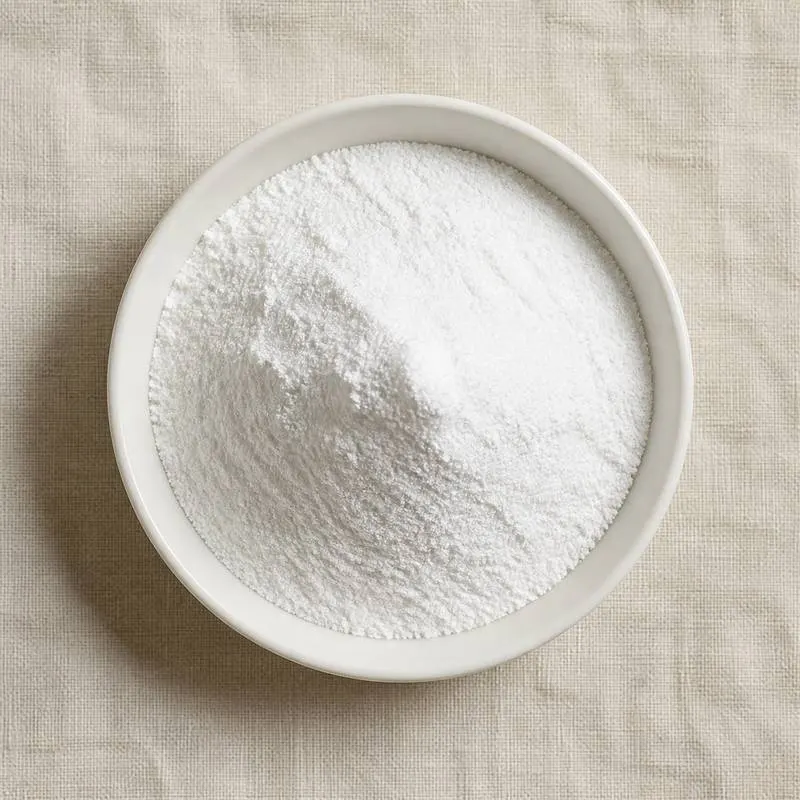
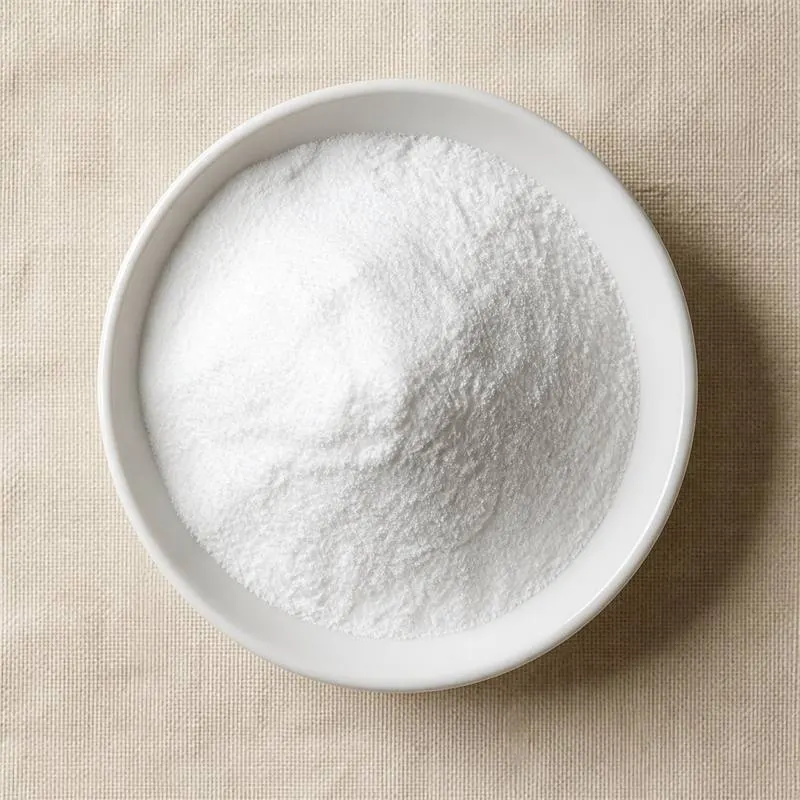
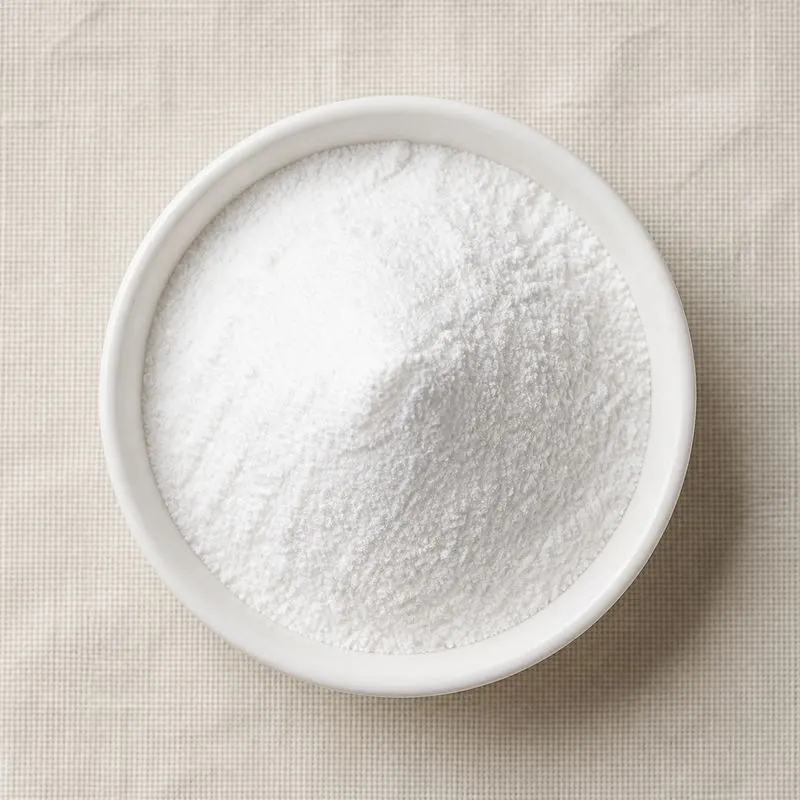
The material is white crystals or a white crystalline powder with a faint characteristic sulphurous odour. It is freely soluble in water, giving a strongly acidic solution near pH 1 to 2, and soluble in ethanol. In neutral or alkaline solution and in the presence of air or trace copper the thiol oxidises to cystine, which precipitates, so solutions are made acidic and used promptly rather than stored.
We source bulk L-Cysteine Hydrochloride Monohydrate from top China manufacturers for our partners, working with several of them. The manufacturers are in Sichuan, Hebei and Jiangsu. A smaller requirement can ship in a combined container with other ingredients.
Please send the grade you need, the volume and your destination port, and we will come back with a solution and a price.
or call +86-21-6858 0751
- Function
- Amino acid
Specifications
| Item | Specification |
|---|---|
| Appearance | White crystals or white crystalline powder |
| Identification | Infrared spectrum conforms to reference; positive for chloride and for thiol |
| Assay, dried basis | 98.5 to 101.5% |
| Specific rotation | Plus 5.5 to plus 7.0 degrees |
| Loss on drying | 8.0 to 12.0% |
| pH, 1% aqueous solution | 1.0 to 2.0 |
| Chloride content | 19.8 to 20.8% |
| Residue on ignition | Not more than 0.1% |
| Cystine and other amino acids | Not detected by thin layer chromatography |
| Sulphate, as SO4 | Not more than 0.03% |
| Arsenic, as As | Not more than 1 mg/kg |
| Lead, as Pb | Not more than 1 mg/kg |
| Total plate count | Not more than 1,000 cfu/g |
| Salmonella | Absent in 25 g |
Common Markets Grades
Food grade is specified at 98.5 to 101.5 percent on the dried basis with the water of crystallisation declared near 10 percent, and comes as a fine to standard crystalline powder. The anhydrous hydrochloride and the free base are separate articles, and because the monohydrate carries around a tenth of its weight as water, dosing calculations must follow which form has been shipped. Pharmaceutical grade is made against pharmacopoeial monographs with tighter limits on cystine, other amino acids and heavy metals, and cell culture grade adds endotoxin and trace metal control.
The production origin is the specification point that carries the most commercial weight. Material made by fermentation or by enzymatic conversion is suitable for vegetarian, vegan, halal and kosher declarations, while material made by acid hydrolysis of keratin from human hair, hog bristle or poultry feathers is not acceptable in many markets and channels, and the two are indistinguishable by assay. The certificate and the supporting audit documentation, rather than the analysis, are what establish the route. Feed and technical grades of lower purity exist and are held apart from food stock.
Applications
- Bread, bun and pizza doughs, where it acts as a reducing agent that shortens mixing time and gives a more extensible dough that sheets and moulds without shrinking back
- Tortilla, flatbread and laminated dough production, where dough relaxation is the limiting step on line speed
- Biscuit and cracker doughs, where controlled gluten reduction prevents distortion of the cut piece during baking
- Reaction flavour manufacture, where it is heated with reducing sugars and other precursors to generate meat, roast and savoury aroma compounds
- Savoury seasonings and bouillon, where those reaction flavours are carried into the finished product
- Cell culture and fermentation media, where it supplies sulphur and maintains reducing conditions
- Parenteral and enteral nutrition, using pharmaceutical grade material, since cysteine is conditionally essential in neonates
- Amino acid supplements and precursor products for glutathione formation
- Antioxidant and browning inhibition in cut fruit and vegetable dips, where the thiol interferes with polyphenol oxidase
- Hair care and permanent waving preparations, where the same disulphide reduction chemistry is applied to keratin
Brands Using L-Cysteine Hydrochloride Monohydrate
Widely-distributed consumer products that list L-Cysteine Hydrochloride Monohydrate on the ingredient label.
Brand names, product names and logos are the property of their owners. They appear here as published evidence that the ingredient is used, taken from the brand's own label or website. Their appearance is not an endorsement, and it does not mean the brand buys from us or from any manufacturer listed on this site.
China Manufacturers of L-Cysteine Hydrochloride Monohydrate
Top L-Cysteine Hydrochloride Monohydrate manufacturers in China.
 Emeishan Longteng Biotechnology Co., Ltd.10 ingredients in the directory
 Hebei Changhao Biotechnology Co., Ltd.10 ingredients in the directory
 Jiangsu Quanjia Shun Health Technology Co., Ltd.12 ingredients in the directory
Company names and logos are the property of the manufacturers themselves. They are listed here because our own directory records them as producing this ingredient. A listing is not an endorsement by them, and we do not represent them or speak on their behalf.
Regulatory Status
In the United States 21 CFR 184.1272 affirms L-cysteine monohydrochloride as generally recognised as safe for use as a food ingredient at levels consistent with good manufacturing practice, and cysteine also appears among the amino acids permitted for nutritive addition to food under 21 CFR 172.320. Its function as a dough conditioner is long established, and the substance is separately recognised for flavour use. Pharmaceutical grade material for parenteral nutrition falls under drug regulation and the corresponding pharmacopoeial monograph.
In the European Union L-cysteine is an authorised food additive with the number E 920, classified as a flour treatment agent, with permitted uses and levels set out in Regulation (EC) No 1333/2008 and identity and purity criteria in Regulation (EU) No 231/2012. Those purity criteria include a requirement on the origin of the material, and the additive is also permitted as an amino acid source in food supplements and, in specified forms, in foods for specific groups under Regulation (EU) No 609/2013. Codex includes cysteine in the General Standard for Food Additives as a flour treatment agent, and JECFA has published specifications for the substance. Where material is produced from keratin of human or animal origin, the declaration of that origin is required by the purity criteria and by the labelling expectations of several markets.
Manufacturing Process
Three routes supply the market and they differ more in acceptability than in the product they yield. The oldest hydrolyses keratin from hair, bristle or feathers in hot concentrated hydrochloric acid, then neutralises, decolourises and separates the cysteine by ion exchange and crystallisation. It is still practised but is excluded from many supply chains on religious, dietary and consumer acceptance grounds.
The routes now dominant in food supply are microbial. In the fermentation route a glucose syrup from hydrolysed maize or cassava starch is fed to stirred, aerated fermenters together with an ammonium nitrogen source and a sulphur source such as sulphate or thiosulphate, and engineered Escherichia coli or Corynebacterium strains, in which the feedback inhibition of the cysteine pathway has been removed and the export system strengthened, secrete the amino acid into the broth. In the enzymatic route a chemically made precursor, DL-2-aminothiazoline-4-carboxylic acid, is converted stereospecifically to L-cysteine by a hydrolase system from a Pseudomonas strain. In either case the broth is clarified by centrifugation and membrane filtration and the amino acid is captured on ion exchange resin. Downstream the process is run under nitrogen and at low pH throughout, because any drift towards neutrality in the presence of air converts the product to cystine and loses yield. Hydrochloric acid is added to form the salt, the liquor is decolourised over activated carbon and concentrated under vacuum at moderate temperature, and the monohydrate is crystallised by cooling under controlled water activity. Crystals are centrifuged, washed, dried in a low temperature fluid bed, milled and sieved, then packed under an inert atmosphere.