L-Cysteine Hydrochloride
L-Cysteine hydrochloride is the hydrochloride salt of L-cysteine, the sulphur containing amino acid whose free thiol group makes it the most chemically reactive of the twenty protein amino acids. The free base oxidises readily in air to the disulphide cystine, so the compound is traded almost exclusively as the acidic hydrochloride, which holds the thiol in its reduced form and gives a stable, storable crystal.
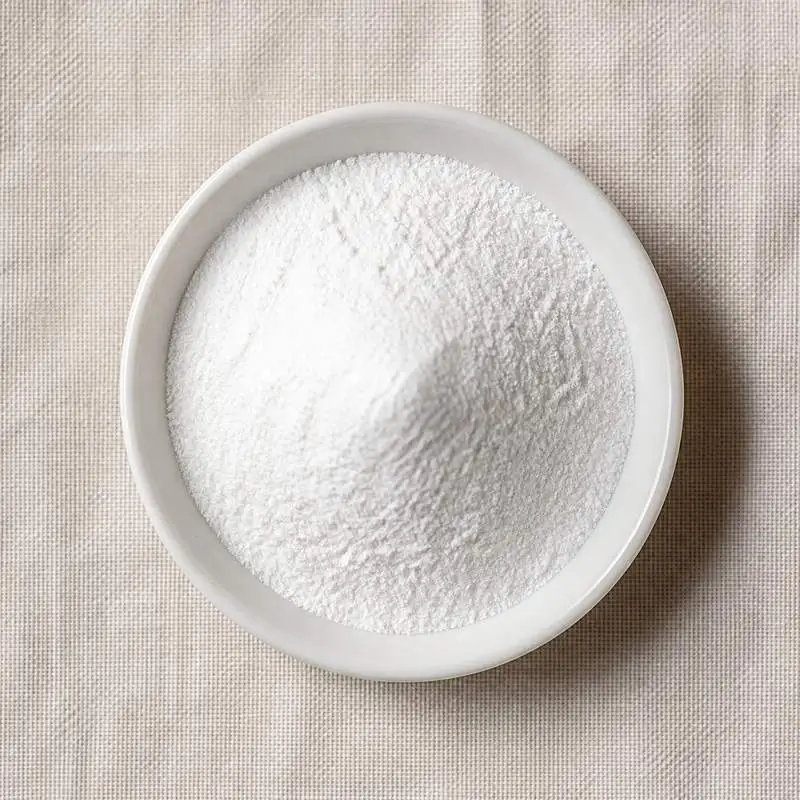
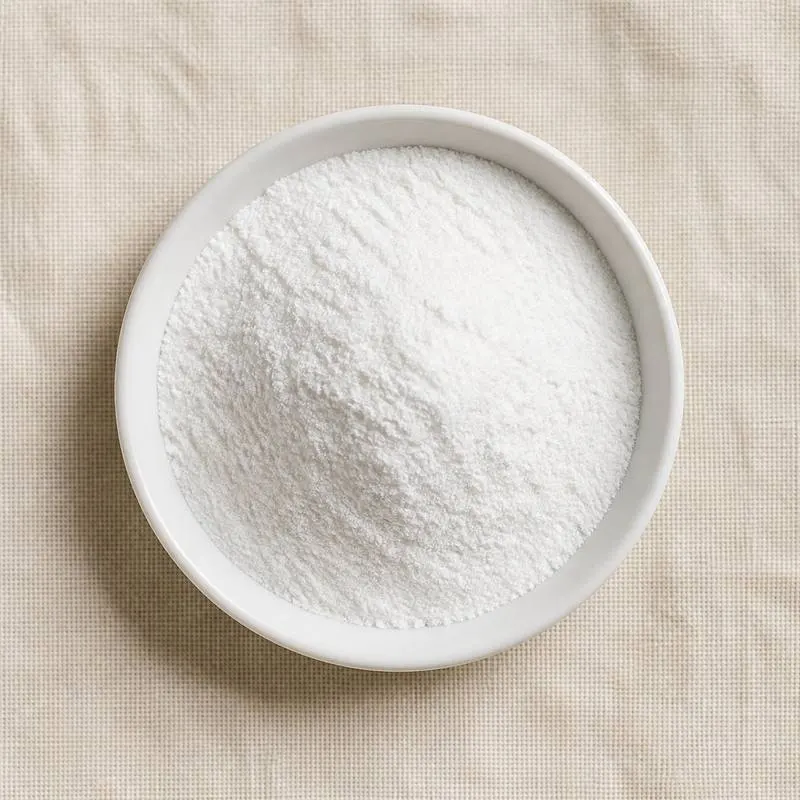
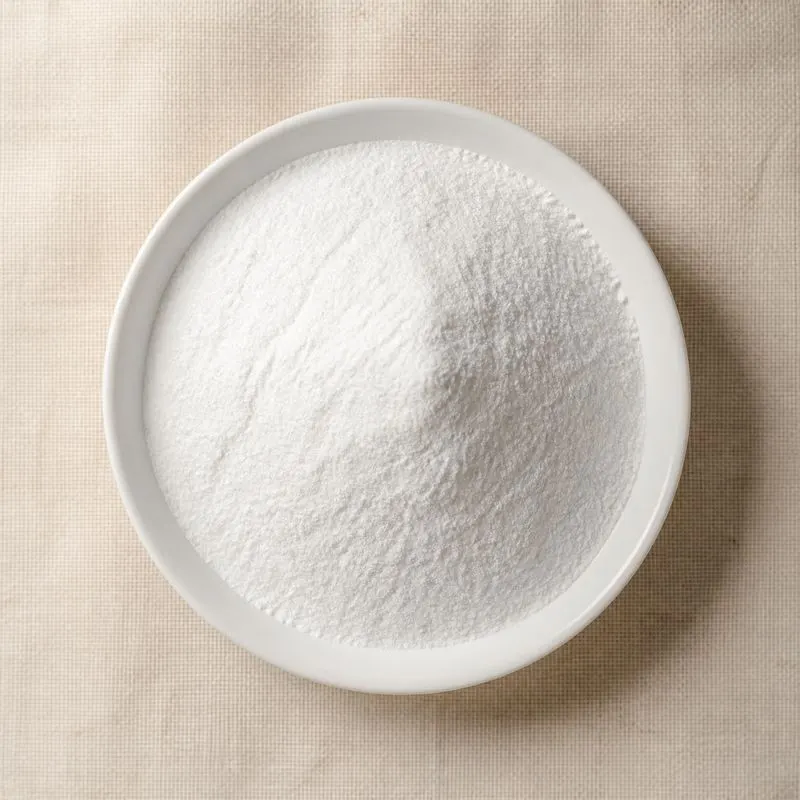
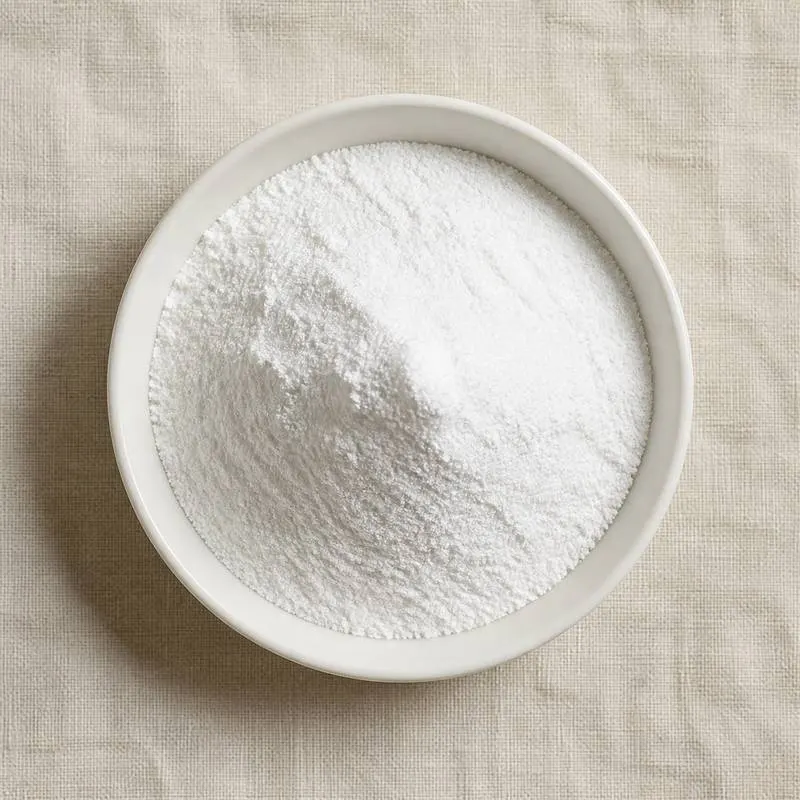
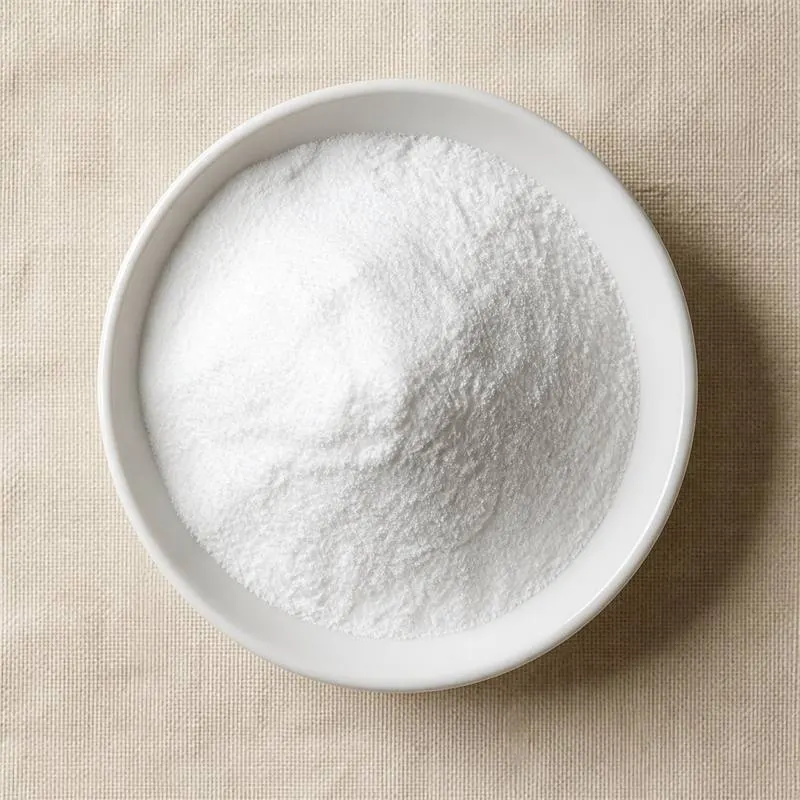
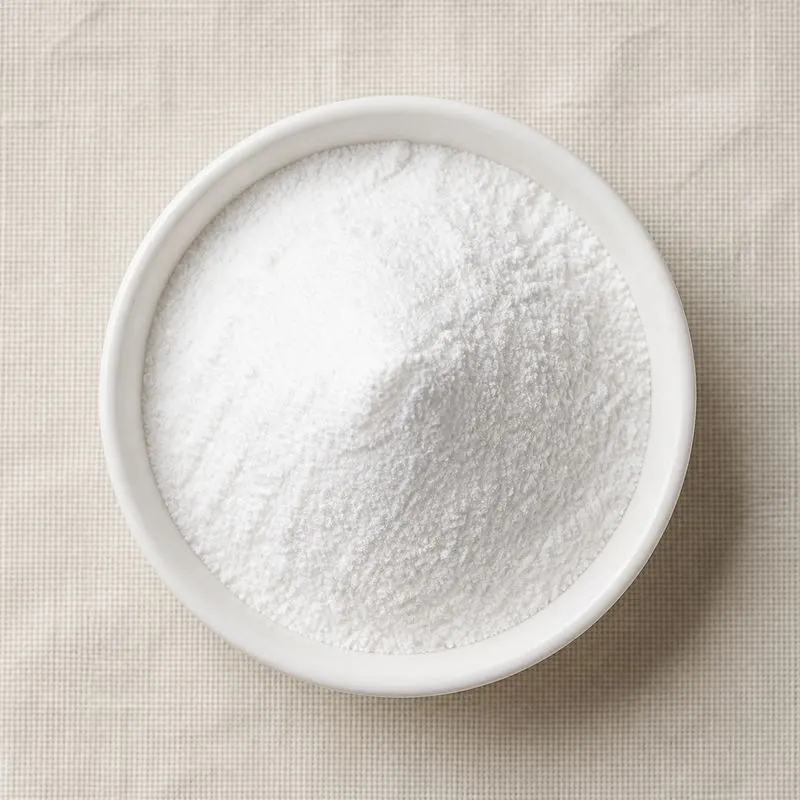
Commercial material is a white crystalline powder with a faint sulphurous odour and a sour, slightly sulphurous taste. It is freely soluble in water, soluble in ethanol and practically insoluble in ether, and a 1 percent solution is strongly acidic, around pH 1.5 to 2.0. Two forms are traded, the anhydrous salt and the monohydrate, and the monohydrate is the more common; the two differ in loss on drying and in molecular weight, so the inclusion rate has to be adjusted when substituting one for the other.
Its functional value in food rests on that thiol group. As a reducing agent it cleaves the disulphide crosslinks in wheat gluten, which is the basis of its use as a dough conditioner, and as a nucleophile it reacts with reducing sugars during heating to build the sulphur heterocycles that carry meat and roast character.
We source bulk L-Cysteine Hydrochloride from top China manufacturers for our partners, working with several of them. The manufacturers are in Hebei and Jiangsu. A smaller requirement can ship in a combined container with other ingredients.
Please send the grade you need, the volume and your destination port, and we will come back with a solution and a price.
or call +86-21-6858 0751
- Function
- Amino acid
Specifications
| Item | Specification |
|---|---|
| Appearance | White crystalline powder, faint sulphurous odour |
| Assay, anhydrous basis | 98.5 to 101.0 percent |
| Identification | Infrared spectrum conforms, positive thiol reaction |
| Specific rotation | Plus 5.0 to plus 8.0 degrees |
| Loss on Drying, 105 degrees Celsius | 8.0 to 12.0 percent for the monohydrate |
| Residue on Ignition | Not more than 0.1 percent |
| pH, 1 percent aqueous solution | 1.0 to 2.0 |
| Chloride content | 19.0 to 21.0 percent |
| Sulphate as SO4 | Not more than 0.03 percent |
| Ammonium | Not more than 0.02 percent |
| Iron | Not more than 10 mg/kg |
| Lead | Not more than 1 mg/kg |
| Arsenic | Not more than 1 mg/kg |
| Total Plate Count | Not more than 1000 CFU/g |
| E. coli and Salmonella | Absent in 10 g and in 25 g |
Common Markets Grades
The material is traded as food grade at 98.5 to 101.0 percent on the anhydrous basis against the Food Chemicals Codex, and as a pharmaceutical grade against the USP and Ph. Eur. monographs, where controls on related substances, cystine, residual solvents and heavy metals are tighter and microbiological limits are specified. A feed grade at similar assay is sold for premix use. The single most important distinction on a specification is anhydrous against monohydrate, since the monohydrate carries roughly 10 percent water of crystallisation and a correspondingly lower cysteine content per kilogram.
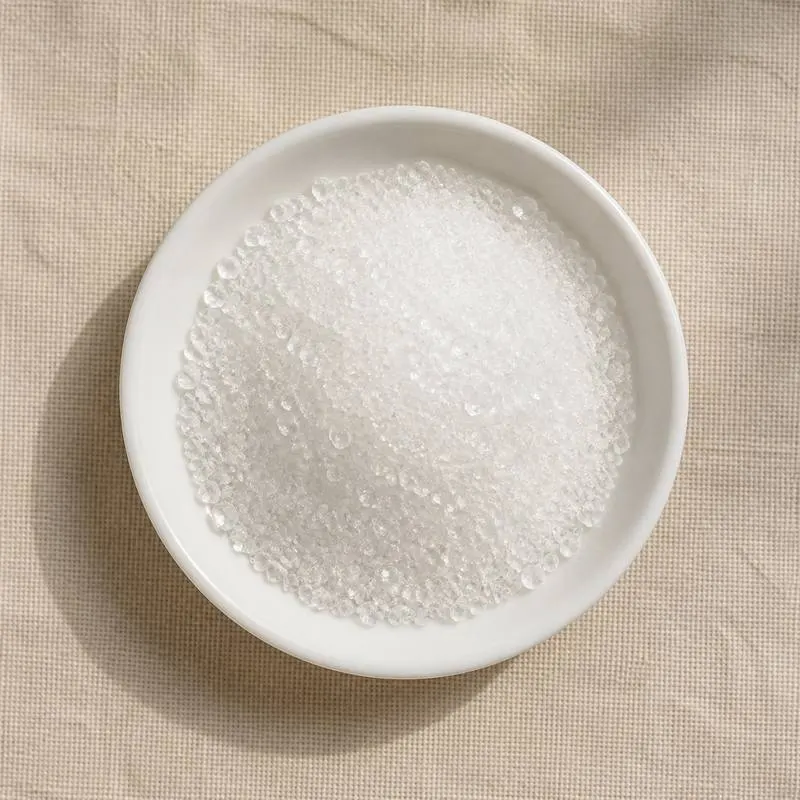
The other distinction buyers draw is the origin of the material. A fermentation derived grade, made with an engineered bacterial strain on a plant sugar substrate, is specified where a vegan, halal or kosher declaration is needed. A keratin hydrolysis grade, made from human hair, duck feathers or hog bristle, remains in the market at a lower cost and is unacceptable in many finished product specifications for exactly that reason, so the route of manufacture is normally stated on the certificate of analysis. Particle size options run from a fine milled powder for bakery premixes to a standard crystal of 40 to 80 mesh.
Applications
- Bread and bun dough as a reducing agent, cleaving gluten disulphide bonds so mixing time and energy fall and the dough relaxes
- Pizza bases, tortillas and laminated doughs, where controlled gluten relaxation lets the sheet be rolled out without snapback
- Frozen and refrigerated dough, improving machinability and extensibility after long hold times
- Savoury reaction flavours, heated with reducing sugars and thiamine to generate the sulphur heterocycles behind beef, chicken and roast notes
- Yeast extract and hydrolysed protein bases, adjusting the sulphur precursor level so the finished reaction profile is reproducible
- Fruit juices and cut fruit, inhibiting enzymatic browning by reducing the quinones formed by polyphenol oxidase
- Infant formula and clinical nutrition, since cysteine is conditionally essential in preterm infants whose cystathionase activity is low
- Parenteral nutrition solutions, where the hydrochloride is added to the amino acid pool because free cysteine is unstable in solution
- Poultry and swine feed premixes, sparing methionine by supplying sulphur amino acid directly
- Hair care and permanent wave formulations, reducing the keratin disulphide bonds that hold hair structure
Brands Using L-Cysteine Hydrochloride
Widely-distributed consumer products that list L-Cysteine Hydrochloride on the ingredient label.
Brand names, product names and logos are the property of their owners. They appear here as published evidence that the ingredient is used, taken from the brand's own label or website. Their appearance is not an endorsement, and it does not mean the brand buys from us or from any manufacturer listed on this site.
China Manufacturers of L-Cysteine Hydrochloride
Top L-Cysteine Hydrochloride manufacturers in China.
 Hebei Huafan Biological Technology Co., Ltd.15 ingredients in the directory
- Hebei Huayang Biological Technology Co., Ltd.13 ingredients in the directory
 Wuxi Jinghai Amino Acid Co., Ltd.18 ingredients in the directory
Company names and logos are the property of the manufacturers themselves. They are listed here because our own directory records them as producing this ingredient. A listing is not an endorsement by them, and we do not represent them or speak on their behalf.
Regulatory Status
In the United States L-cysteine and L-cysteine hydrochloride are affirmed as generally recognised as safe under 21 CFR 184.1271, for use as dough strengtheners and as nutrients, subject to current good manufacturing practice. The compound carries monographs in the United States Pharmacopeia and the Food Chemicals Codex, and cysteine hydrochloride injection is an approved product for addition to parenteral nutrition.
In the European Union Regulation (EC) No 1333/2008 authorises L-cysteine as the food additive E920, a flour treatment agent, with identity and purity criteria in Regulation (EU) No 231/2012. Its use is restricted to flour and to certain bakery applications rather than being general. Where it is added as a nutrient rather than as a processing aid it falls instead under Regulation (EC) No 1925/2006 and Directive 2002/46/EC, and it is a permitted ingredient in infant formula under the relevant delegated regulation. The Joint FAO/WHO Expert Committee on Food Additives has evaluated L-cysteine and its hydrochloride, and the Codex General Standard for Food Additives lists L-cysteine as a flour treatment agent.
Manufacturing Process
Modern production is by fermentation. An engineered Escherichia coli strain, deregulated at serine acetyltransferase and carrying an efflux transporter that exports cysteine before it is degraded, is grown in submerged aerobic culture on glucose from hydrolysed starch with a sulphate or thiosulphate sulphur source and ammonia for nitrogen. Cysteine is toxic to the producing cell, so the process is run so that most of the product is exported and oxidised in the broth to cystine, which precipitates and removes the inhibition.
The broth is heated to stop the fermentation and the cells are removed by centrifugation or membrane filtration. The crude cystine is recovered by isoelectric precipitation and washed, then reduced back to cysteine, either electrolytically in a divided cell or chemically with a sulphide or a metal reduction, under an inert atmosphere. The reduced liquor is acidified with hydrochloric acid, decolourised over activated carbon and polish filtered. Concentration under vacuum followed by controlled cooling crystallisation gives the hydrochloride monohydrate, which is centrifuged, washed with chilled dilute hydrochloric acid, dried at low temperature under nitrogen to avoid reoxidation, then milled, screened and packed. An older route, still in use, hydrolyses keratin from hair or feathers in hot hydrochloric acid and recovers cystine from the hydrolysate before the same reduction and crystallisation train.