L-Isoleucine
L-Isoleucine is an essential branched-chain α-amino acid with the formula C₆H₁₃NO₂ and a molar mass of 131.17 g/mol. It is constitutionally isomeric with leucine but carries the branch on the β-carbon, which gives it a second stereocenter and means that only the (2S,3S) form is incorporated into protein.
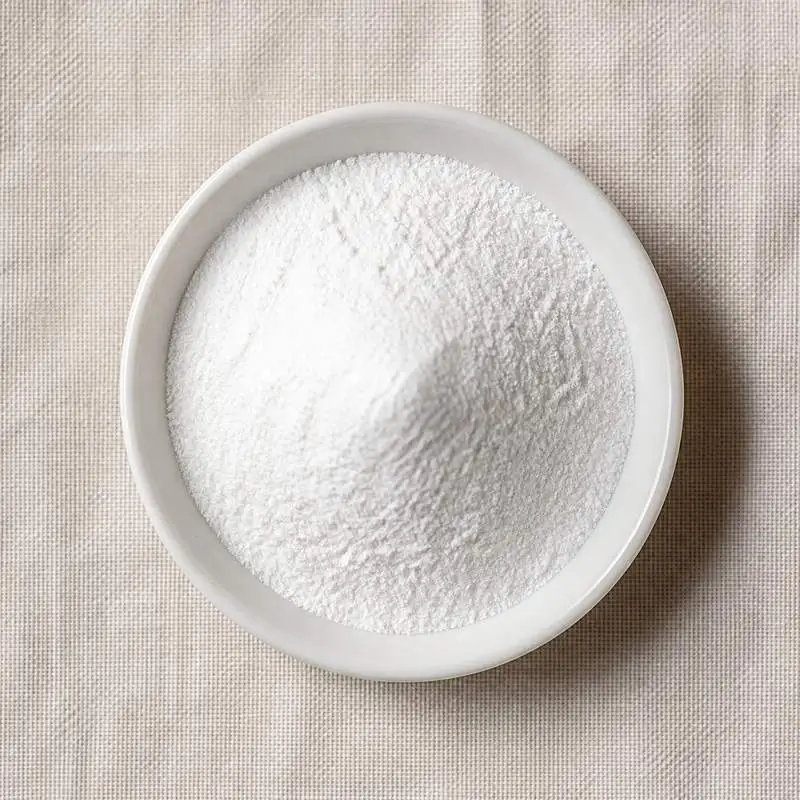
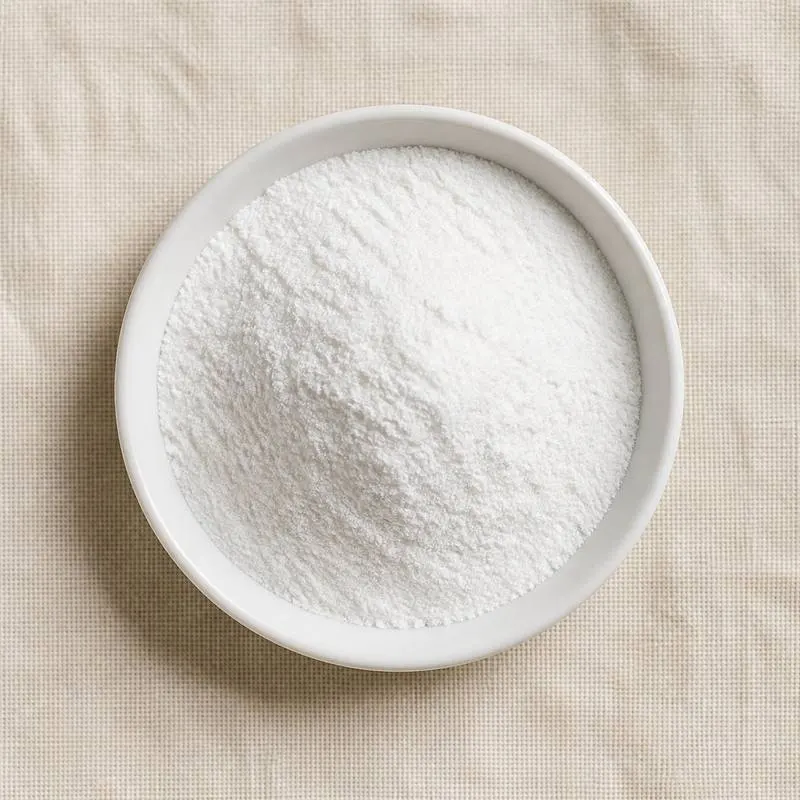
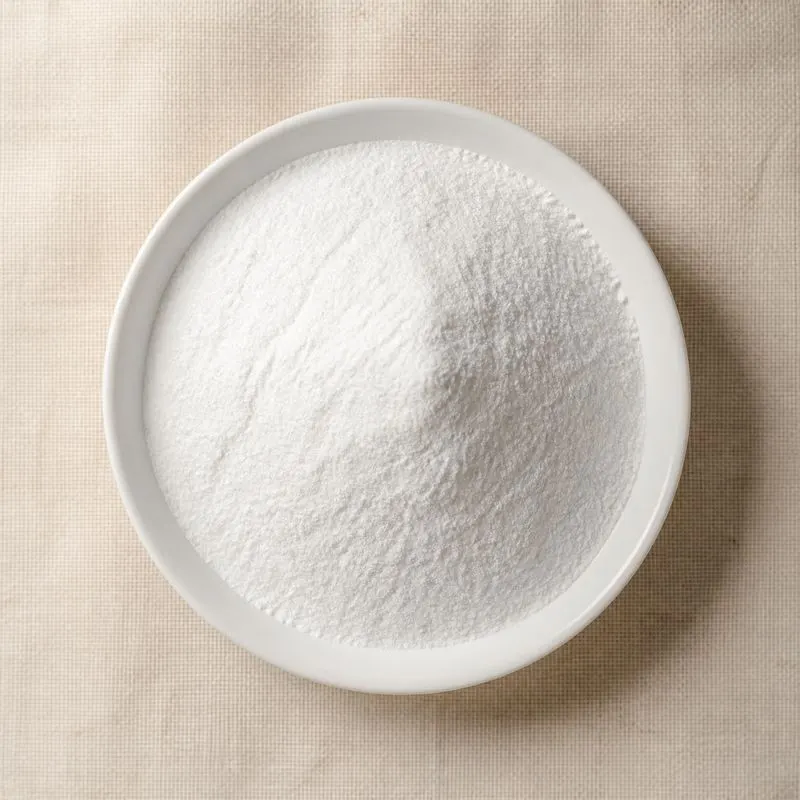
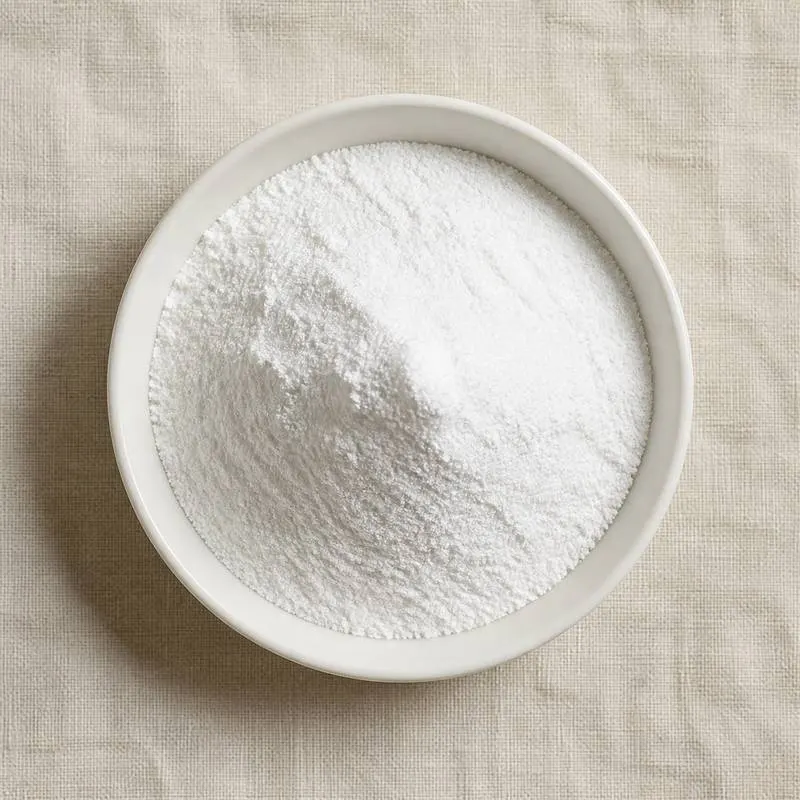
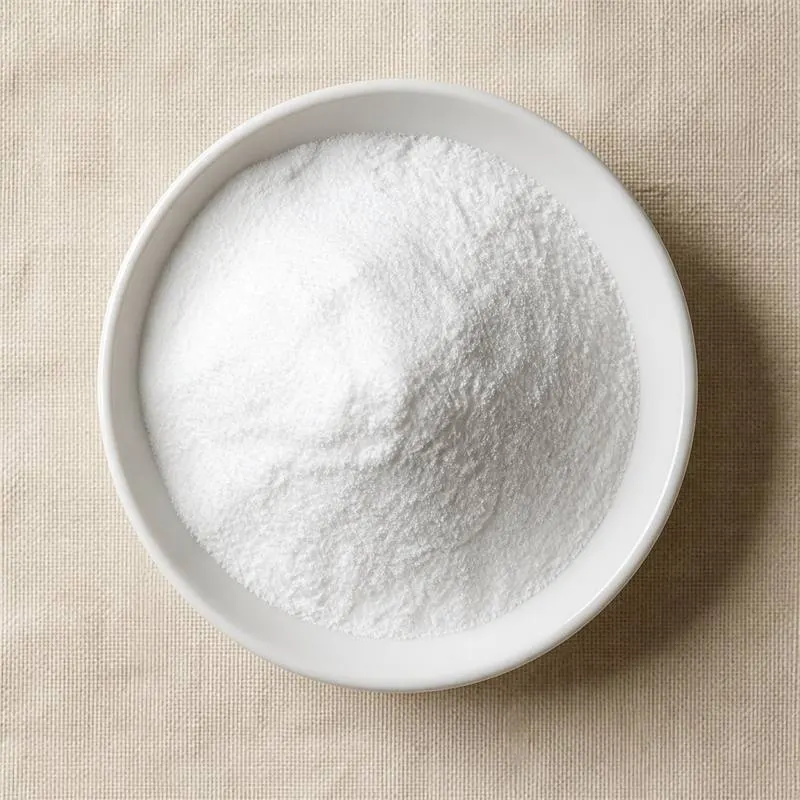
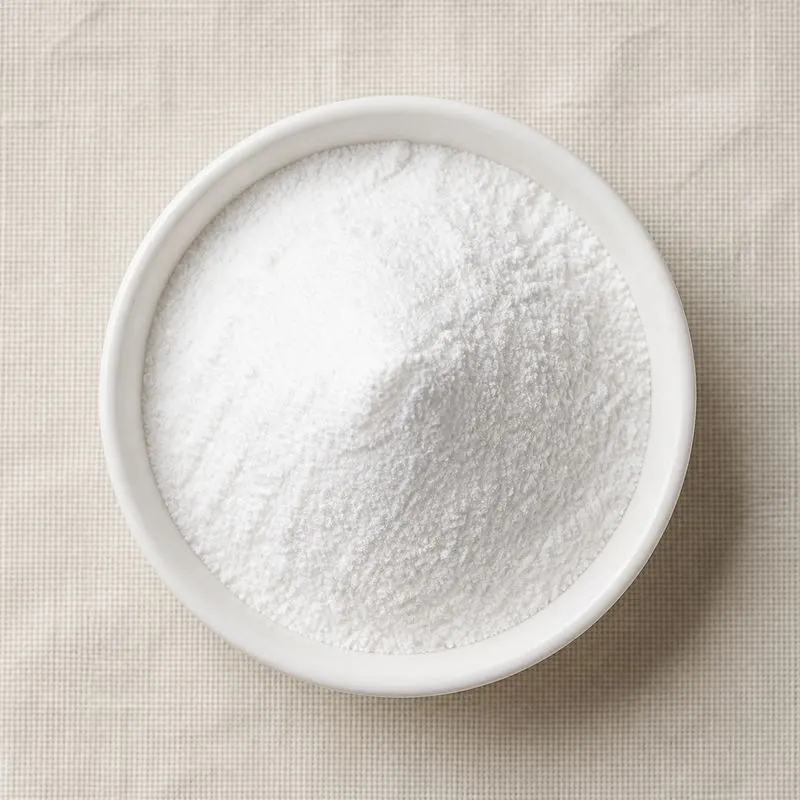
The white crystalline powder is sparingly soluble in cold water and faintly bitter. Together with L-leucine and L-valine, it makes up the trio of branched-chain amino acids that dominate skeletal-muscle amino acid metabolism.
We source bulk L-Isoleucine from top China manufacturers for our partners, working with several of them. The manufacturers are in Hebei and Jiangsu. For this ingredient the minimum order is 500 kg and a 20-foot container takes 10 MT, and a smaller requirement can ship in a combined container with other ingredients.
Please send the grade you need, the volume and your destination port, and we will come back with a solution and a price.
or call +86-21-6858 0751
- Minimum order
- 500 kg
- Qty in 20' FCL
- 10 MT
- Packaging
- 25 kg kraft paper bag with PE inner liner
- ISO 9001
- HACCP
- Halal
- Kosher
Specifications
Grades / Types Available: Food Grade, Feed Grade
| Item | Specification |
|---|---|
| Appearance | White crystalline powder |
| Assay | ≥98.5% |
| Specific Rotation [α]D20 | +39.0° to +42.0° |
| Loss on Drying | ≤0.5% |
| Residue on Ignition | ≤0.1% |
| pH (1% solution) | 5.5–7.0 |
| Heavy Metals (as Pb) | ≤10 ppm |
| Arsenic | ≤1 ppm |
| Chloride | ≤0.02% |
| Total Plate Count | ≤1000 CFU/g |
| Purity (Food Grade) | 98% min |
| Moisture/Loss on Drying | < 5% |
| Ash | < 1% |
Common Markets Grades
L-Isoleucine has four grades: food, supplement, pharmaceutical, and feed.
Food and supplement grade L-isoleucine meets the FCC monograph at 98.5 to 101.5 percent assay on the dried basis. Particle size and bulk density are tuned for BCAA dry-blend powders, intra-workout drinks, and clinical-nutrition stick packs.
Pharmaceutical grade L-isoleucine conforms to USP, Ph. Eur., and JP monographs. The material is used in parenteral nutrition admixtures, oral amino-acid preparations, and as a starting material for chiral pharmaceutical intermediates.
Cell-culture and biochemical grades are produced with low endotoxin counts and verified absence of contaminating amino acids, including the diastereomeric impurities L-allo-isoleucine, D-isoleucine, and D-allo-isoleucine.
Applications
- Sports nutrition: BCAA powders blended in the classic 2:1:1 leucine-isoleucine-valine ratio
- Intra-workout and recovery drinks for amino acid replenishment
- Component of parenteral nutrition admixtures for surgical recovery and trauma
- Nutritional fortification of infant formula and follow-on nutrition products
- Clinical-nutrition products for hepatic encephalopathy, where BCAA balance matters
- Cell-culture and fermentation media for biopharmaceutical manufacture
- Building block in peptide synthesis and pharmaceutical chiral intermediate chemistry
- Substrate for the production of specialty fragrance and flavour compounds
- Cosmetic skin-conditioning agent in amino-acid blend lotions and serums
- Animal feed supplement in piglet, broiler, and aquaculture diets
- Reagent in clinical chemistry kits that measure branched-chain amino acid panels
Brands Using L-Isoleucine
Widely-distributed consumer products that list L-Isoleucine on the ingredient label.
- BulkSupplementsL-Isoleucine Powder ↗A pure unflavoured L-isoleucine powder at 1 g per serving, with no added fillers.Label verified 2026-05-24
- Transparent LabsBCAA Glutamine ↗Supplement Facts list L-Isoleucine 2,000 mg per serving as part of the Fermented Vegan BCAA 2:1:1 matrix.Label verified 2026-05-24
- DymatizeBCAA Complex 5050 ↗5,050 mg free-form BCAA complex with 25% L-Isoleucine (about 1,263 mg) alongside 50% L-Leucine and 25% L-Valine.Label verified 2026-05-24
- Optimum NutritionBCAA Powder (5000 mg) ↗5 g BCAA serving contains 1.25 g L-Isoleucine alongside 2.5 g L-Leucine and 1.25 g L-Valine (2:1:1 ratio).Label verified 2026-05-24
- MyProteinBCAA 4:1:1 Powder ↗Unflavored BCAA 4:1:1 powder contains 17% L-Isoleucine alongside 66% L-Leucine and 17% L-Valine.Label verified 2026-05-24
Brand names, product names and logos are the property of their owners. They appear here as published evidence that the ingredient is used, taken from the brand's own label or website. Their appearance is not an endorsement, and it does not mean the brand buys from us or from any manufacturer listed on this site.
China Manufacturers of L-Isoleucine
Top L-Isoleucine manufacturers in China.
 Hebei Harmony Amino Acid Co., Ltd.7 ingredients in the directory
 Shijiazhuang Haitian Amino Acid Co., Ltd.11 ingredients in the directory
 Wuxi Jinghai Amino Acid Co., Ltd.18 ingredients in the directory
Company names and logos are the property of the manufacturers themselves. They are listed here because our own directory records them as producing this ingredient. A listing is not an endorsement by them, and we do not represent them or speak on their behalf.
How We Help Source L-Isoleucine
Direct Factory Sourcing
We run the whole process: selecting the manufacturer from the top Chinese food ingredient producers, negotiating the price, verifying quality, and coordinating the logistics. You deal with us instead of with several factories at once.
Original Packaging and Documents from the Manufacturer
The manufacturer sends your L-Isoleucine out of its own factory in the original packing, through to your destination port. The COA, COO, MSDS, TDS and any certifications reach you from the manufacturer as well.
Free Samples and Lead Time
We send 100 to 500 g free for your own laboratory to test and you cover only the courier, usually within 2 to 3 working days. ETD is usually within 7 to 15 days once the order is confirmed, and we check that date against the factory's own manufacturing schedule before we give it to you.
Combined Shipment
We can load L-Isoleucine together with other ingredients such as Glycine, L-Arginine and L-Leucine into one 20' FCL. If your quantity is small, we can also ship LCL.
Regulatory Status
L-Isoleucine is broadly accepted as a food ingredient, dietary supplement, and pharmaceutical ingredient.
In the United States it is recognised as a nutrient and dietary supplement, with use in infant formula governed by the Infant Formula Act. Independent GRAS notices cover use in conventional foods, sports beverages, and clinical-nutrition products.
The European Union permits L-isoleucine as a nutrient added to foods for particular nutritional uses, infant formula, and food supplements under Regulation (EU) No 609/2013.
USP, Ph. Eur., JP, and BP monographs cover pharmaceutical applications. Halal and Kosher certifications are routinely available for fermentation-derived material that uses plant-based feedstocks and non-animal nitrogen sources.
Manufacturing Process
The dominant industrial route is direct fermentation of glucose by engineered Corynebacterium glutamicum strains. The branched-chain pathway shares the first three enzymatic steps with valine biosynthesis, then diverges through threonine deaminase into the isoleucine-specific branch.
Productive strains carry feedback-resistant threonine deaminase and acetohydroxyacid synthase, amplified expression of the ilv operon, and an enhanced supply of the precursors threonine and pyruvate. Threonine itself must be present in sufficient pools, so high-isoleucine producers often combine an upstream threonine-overproducer background with an isoleucine-specific outflow.
Downstream processing follows the standard amino-acid train. Cells are removed by ultrafiltration, the broth is acidified, and the amino acid is captured on cation-exchange resin, eluted with ammonia, decolorised, concentrated, and crystallised from aqueous alcohol. A second recrystallisation controls residual L-allo-isoleucine and the D-diastereomers.
Chemical synthesis via the Strecker route on 2-methylbutanal gives a mixture of all four stereoisomers and requires enzymatic resolution to extract pure L-isoleucine. The route is uncompetitive against fermentation and is reserved for small specialty volumes.