L-Lysine-L-Glutamate
L-lysine L-glutamate is the salt formed between the basic essential amino acid L-lysine and the acidic amino acid L-glutamic acid, combined in equimolar proportion. Both ions are nutritionally useful, so unlike a hydrochloride or a sulphate the salt carries no counter ion that has to be tolerated rather than wanted, and it divides roughly evenly by weight between the two amino acids.
The pairing solves two separate problems at once. Lysine free base is alkaline and hygroscopic and cannot be used directly, while glutamic acid is poorly soluble in water at its isoelectric point and is normally sold as its monosodium salt, which is unwelcome where sodium is being reduced. Combining the two gives a freely soluble, near neutral crystalline solid that supplies the limiting amino acid of cereal protein together with a savoury tasting anion and no added sodium or chloride.
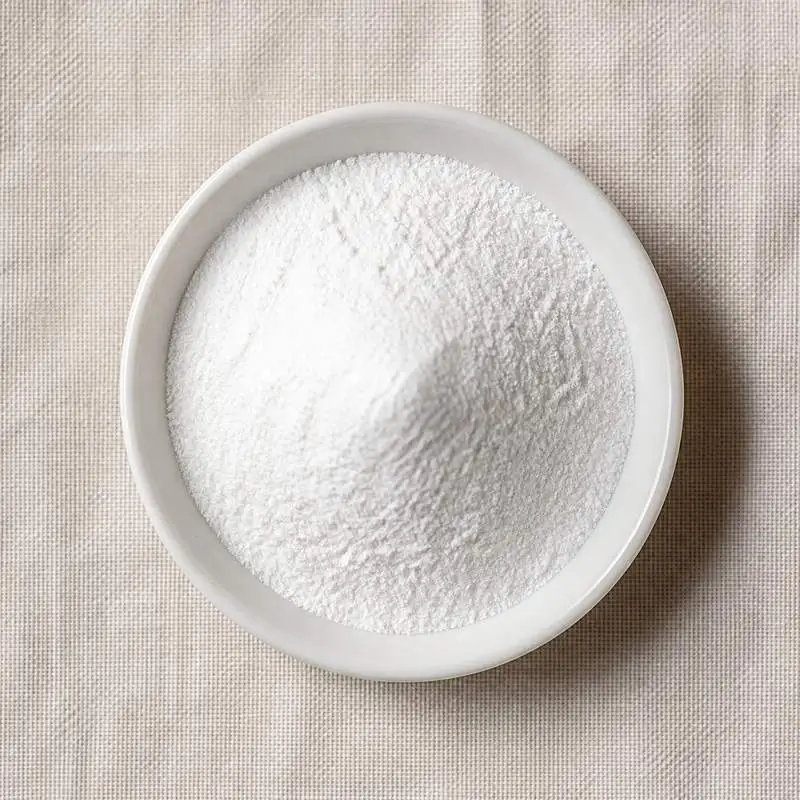
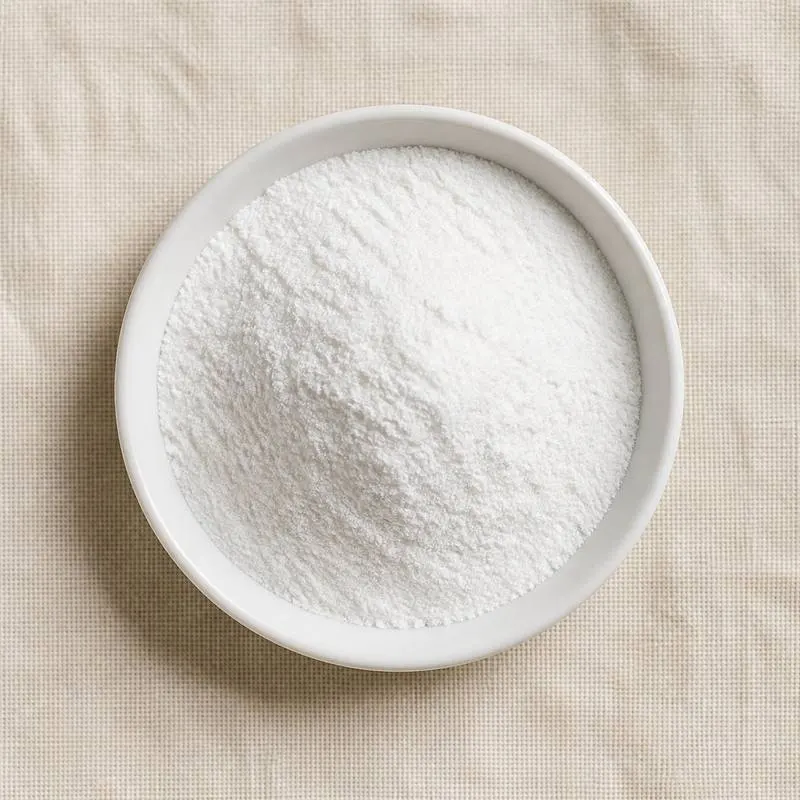
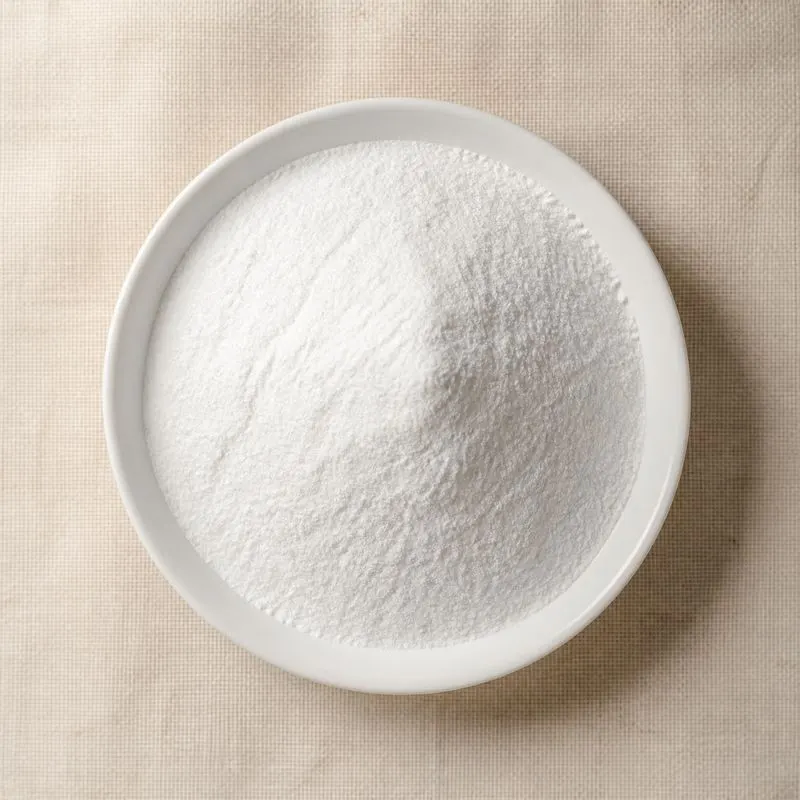
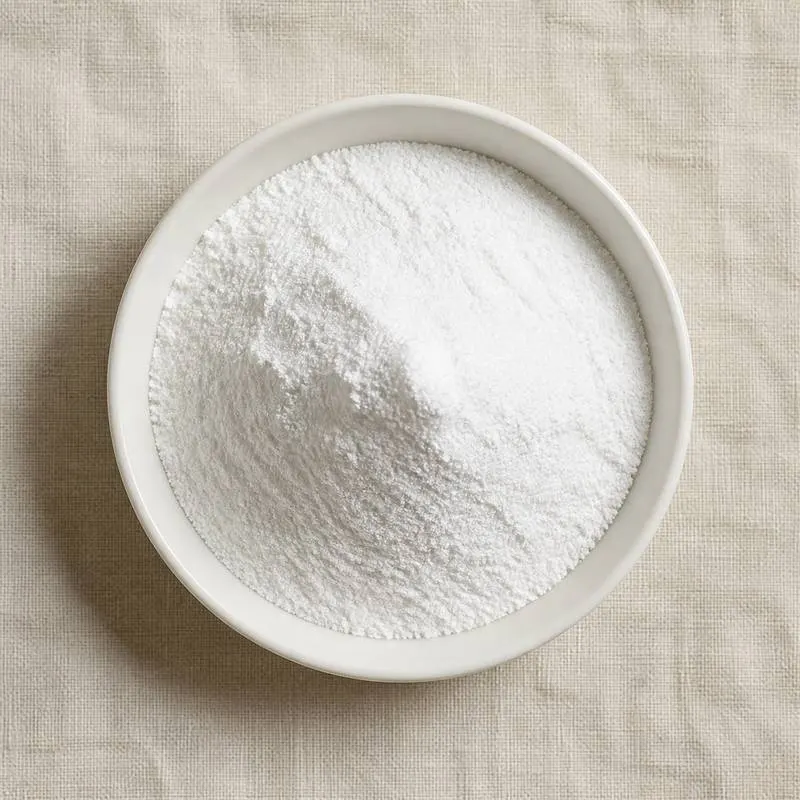
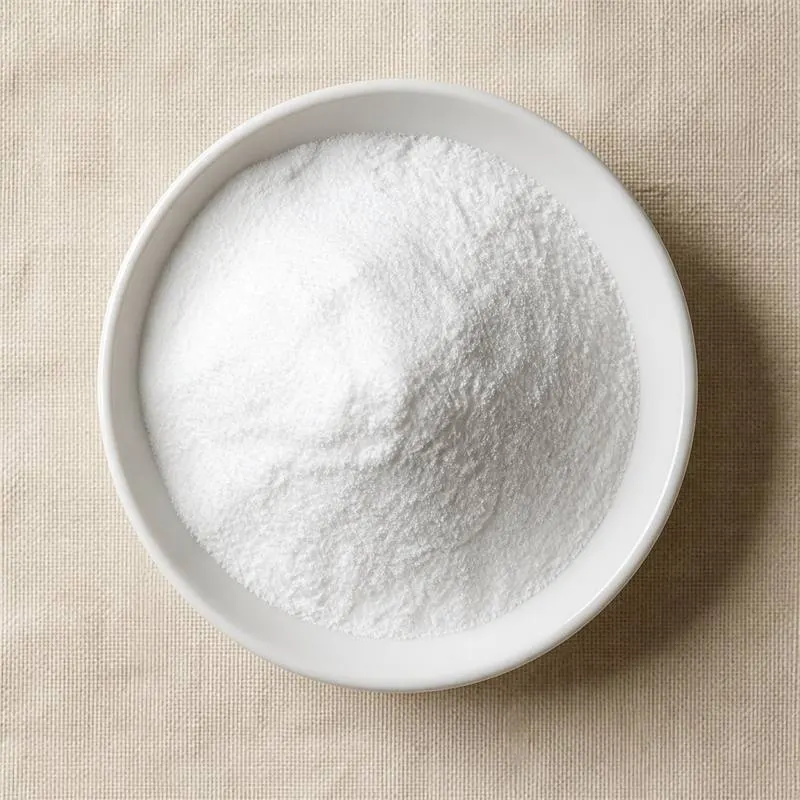
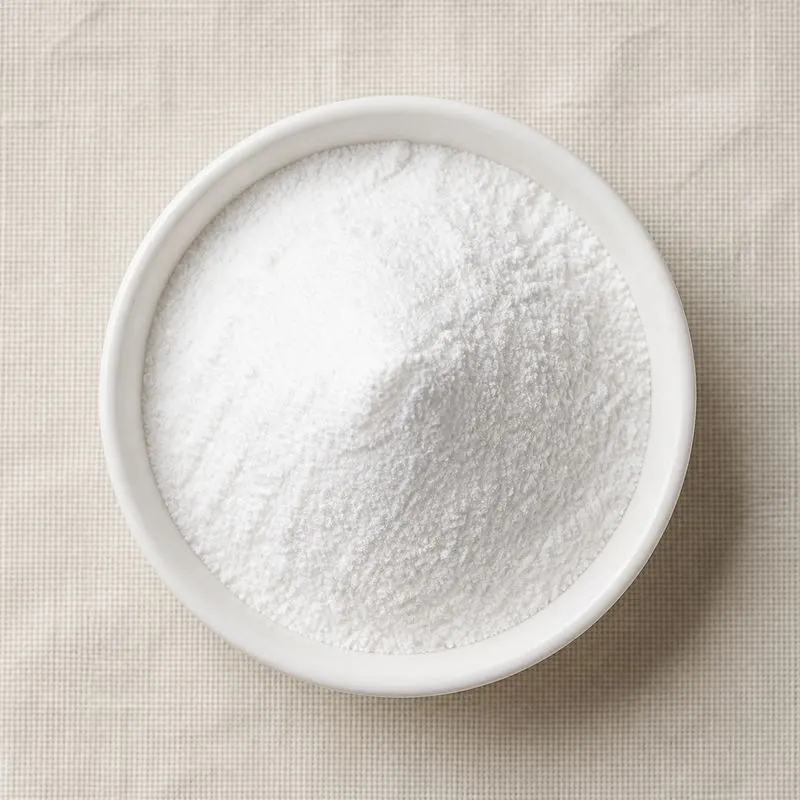
The glutamate fraction is what gives the material its sensory character. In solution it dissociates and the glutamate ion delivers the savoury taste associated with monosodium glutamate, though without the sodium, so the salt behaves both as a nutrient and as a flavour contributor. The commercial product is a white crystalline powder, freely soluble in water, practically insoluble in ethanol, mildly hygroscopic and stable in dry storage, and like all lysine forms it is consumed by the Maillard reaction when heated with reducing sugars.
We source bulk L-Lysine-L-Glutamate from top China manufacturers for our partners. The manufacturer is in Zhejiang. A smaller requirement can ship in a combined container with other ingredients.
Please send the grade you need, the volume and your destination port, and we will come back with a solution and a price.
or call +86-21-6858 0751
- Function
- Amino acid
Specifications
| Item | Specification |
|---|---|
| Appearance | White crystalline powder or colourless crystals |
| Identification | Chromatography shows lysine and glutamic acid in equimolar proportion |
| Assay, dried basis | 98.5 to 101.5% |
| L-lysine content | 48.0 to 51.5% |
| L-glutamic acid content | 48.5 to 52.0% |
| Optical rotation | Conforms to reference standard for the L configuration |
| pH, 5% aqueous solution | 6.0 to 7.5 |
| Loss on drying | Not more than 1.0% |
| Residue on ignition | Not more than 0.1% |
| Sodium, as Na | Not more than 0.1% |
| Arsenic, as As | Not more than 1 mg/kg |
| Lead, as Pb | Not more than 1 mg/kg |
| Total plate count | Not more than 1,000 cfu/g |
| Salmonella | Absent in 25 g |
Common Markets Grades
The salt is traded to a single principal specification at 98.5 to 101.5 percent assay on the dried basis, with the lysine and glutamate contents each declared so that the equimolar ratio can be checked rather than assumed. Pharmaceutical grade is made against pharmacopoeia requirements for use in amino acid solutions and in clinical nutrition, with tighter limits on related amino acids, ammonium and heavy metals; food and supplement grade is written against a food chemicals style monograph.
Physical grades are fine crystalline powder for dissolving into liquid manufacture and for seasoning and drink blends, and granulated grades for tabletting. It is a separate article from L-lysine hydrochloride, L-lysine acetate and monosodium glutamate and cannot be substituted for any of them on a weight basis, since each carries a different proportion of the active amino acid and a different taste and electrolyte contribution. Both components are of fermentation origin in normal commerce, and vegan, allergen and non genetically modified declarations are made on the production strain and the carbohydrate substrate.
Applications
- Cereal and staple food fortification, where lysine corrects the limiting amino acid of wheat, rice and maize protein and the glutamate fraction offsets the flat taste of a fortified product
- Sodium reduced seasonings, where the salt contributes savoury character without contributing sodium
- Clinical and enteral nutrition, where the salt delivers both amino acids in a soluble, near neutral form
- Amino acid solutions and specialised medical nutrition, using pharmaceutical grade material
- Instant noodle and soup seasoning bases, where nutritional fortification and taste are addressed together
- Sports and recovery powders, where the salt is used as a lysine source that dissolves without adjusting pH
- Bakery and cereal products in fortification programmes, dosed after the heat step where possible to limit Maillard loss
- Cell culture and fermentation media, where both amino acids are required and a neutral soluble source is preferred
- Pet food and companion animal supplements, where lysine supplementation and palatability are both objectives
China Manufacturers of L-Lysine-L-Glutamate
Top L-Lysine-L-Glutamate manufacturers in China.
Company names and logos are the property of the manufacturers themselves. They are listed here because our own directory records them as producing this ingredient. A listing is not an endorsement by them, and we do not represent them or speak on their behalf.
Regulatory Status
In the United States both component amino acids appear in the food additive regulation at 21 CFR 172.320, which permits named amino acids to be added to conventional food for nutritive purposes, naming lysine in its hydrochloride form and glutamic acid among the listed acids, and setting conditions on the amino acids used and their proportions. Glutamic acid and its salts are separately affirmed as generally recognised as safe for flavour purposes. Both amino acids are lawful dietary ingredients in supplements. The regulation is framed around the individual amino acids rather than around the salt, so its provisions are read component by component.
In the European Union the salt is not a food additive in its own right and has no E number, although Regulation (EC) No 1333/2008 separately authorises glutamic acid and its sodium, potassium, calcium, ammonium and magnesium salts as flavour enhancers under numbers E 620 to E 625, with permitted categories and levels set there. The lysine glutamate salt is not among those entries. Directive 2002/46/EC as amended permits both amino acids as sources in food supplements, and Regulation (EU) No 609/2013 and the delegated acts made under it govern their use in foods for specific groups. Codex covers glutamates as flavour enhancers in the General Standard for Food Additives and addresses lysine fortification in its guidelines on nutrient addition, and JECFA has published specifications for both amino acids.
Manufacturing Process
The two amino acids are fermented separately and then combined. Both start from the same feedstock, a glucose syrup made by liquefying and saccharifying maize, wheat or cassava starch, or clarified cane molasses, sterilised and charged to stirred, aerated fermenters with an ammonium or urea nitrogen source. Lysine is produced by Corynebacterium glutamicum strains engineered to remove the feedback controls on the lysine pathway, run in fed batch mode with ammonia as both nitrogen and pH control. Glutamic acid is produced by the same species under conditions of biotin limitation or with a surfactant addition, which alters the cell membrane so that the amino acid is excreted rather than retained.
Each broth is clarified by centrifugation and membrane filtration. Lysine, being dibasic, is captured on a strong cation exchange resin and eluted with ammonia to give the free base, which is stripped of ammonia and decolourised. Glutamic acid is recovered by acidifying the broth to its isoelectric point, at which it crystallises directly, and the crystals are separated, washed and redissolved or recrystallised for purity. The two purified streams are then brought together in a jacketed reactor with purified water at an equimolar ratio and warmed with agitation until the salt has formed and the pH has settled near neutral. The solution is polish filtered, concentrated under vacuum and crystallised by cooling, with ethanol added in some processes to improve yield. Crystals are centrifuged, washed, dried in a fluid bed or under vacuum, milled or granulated to the target cut, sieved, checked by metal detection and packed with a moisture barrier.