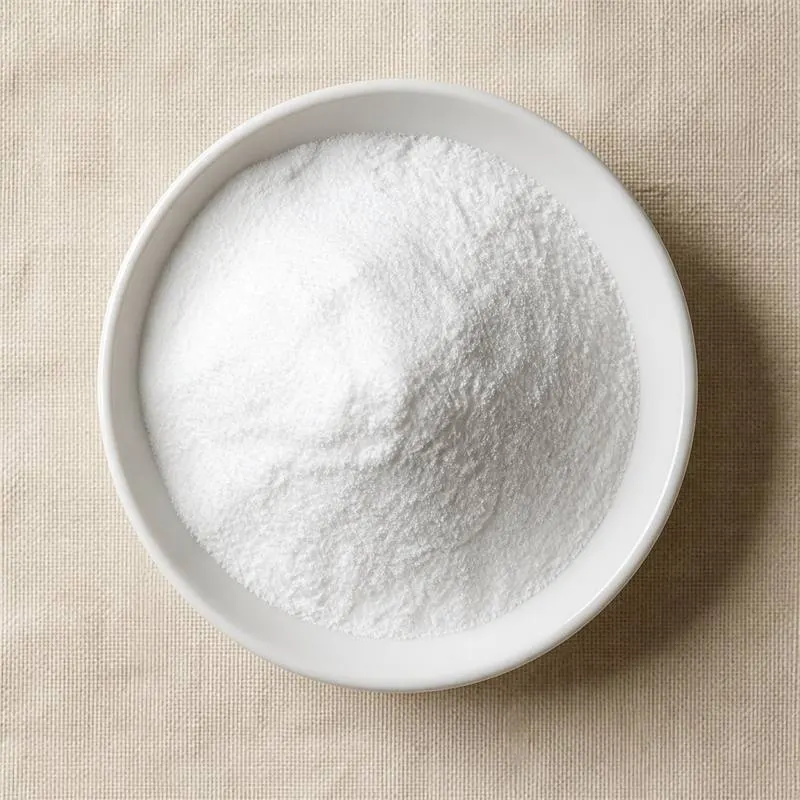
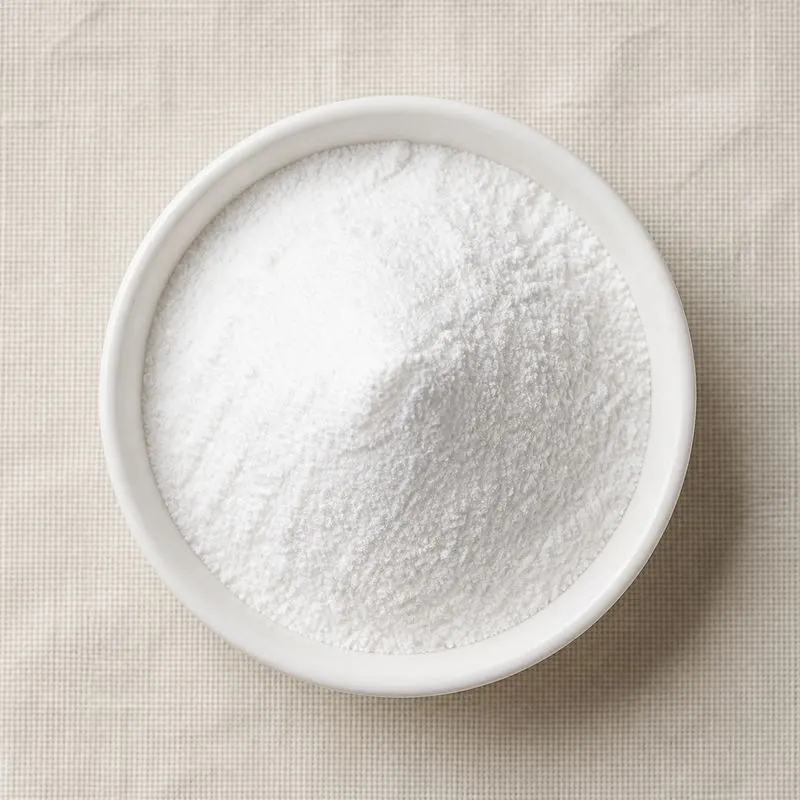
L-Threonine
L-Threonine is an essential amino acid with a hydroxyl-bearing side chain, required for protein synthesis and important to the integrity of mucin and immunoglobulin production in the gut.
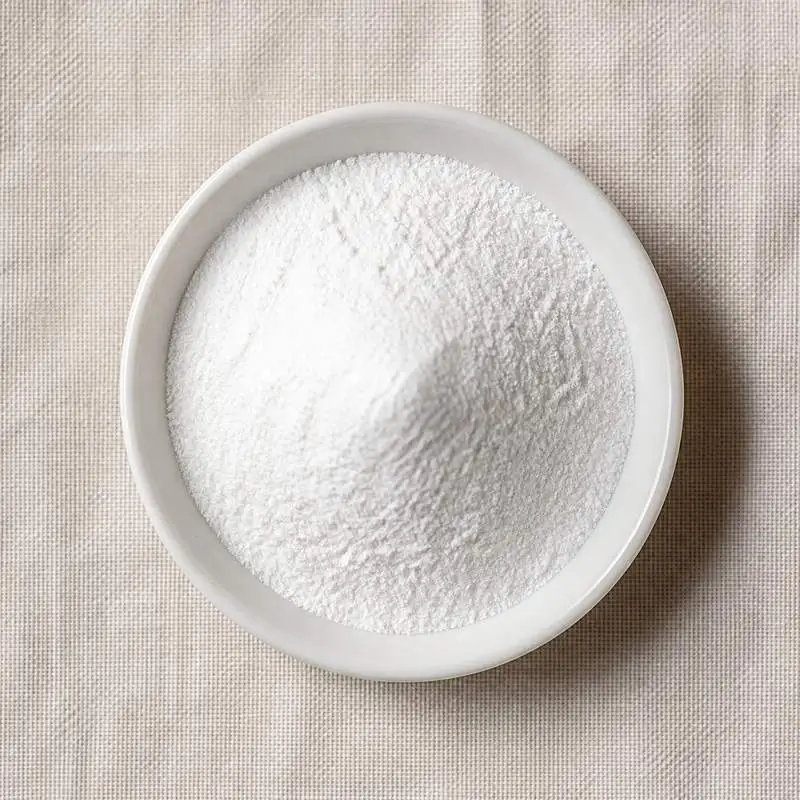
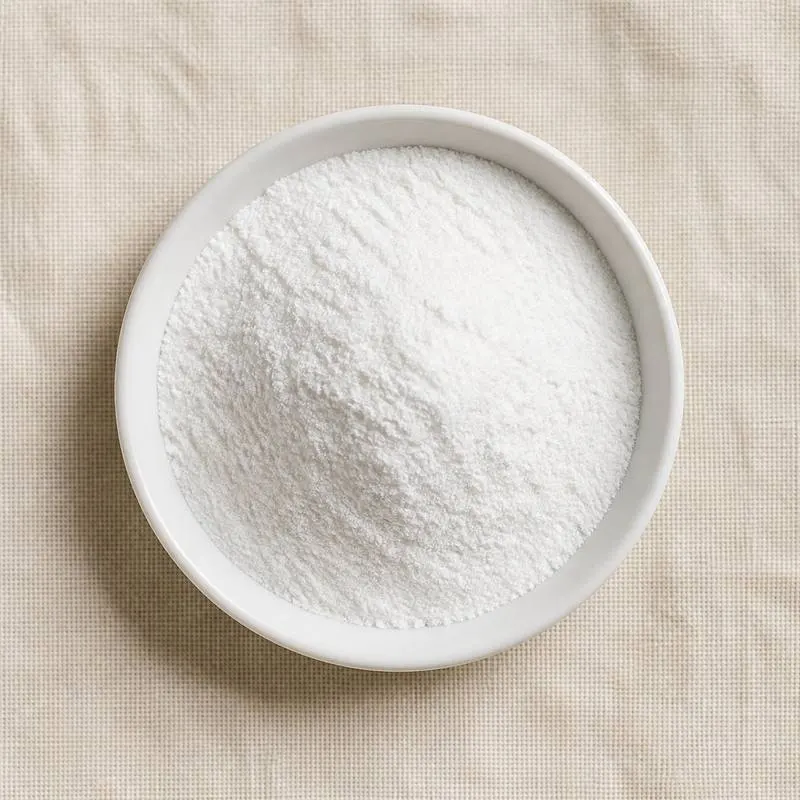
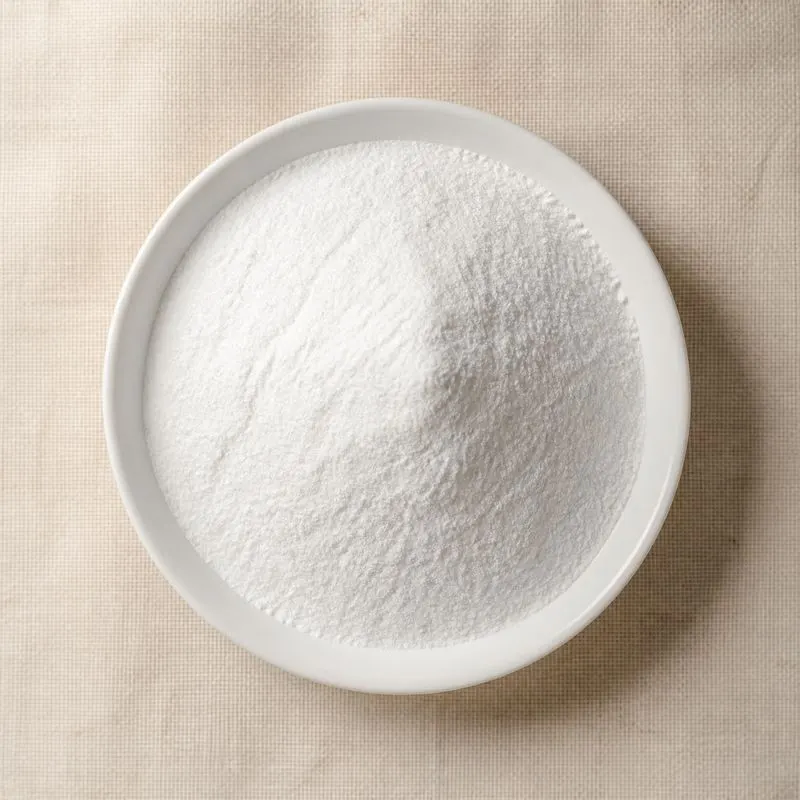
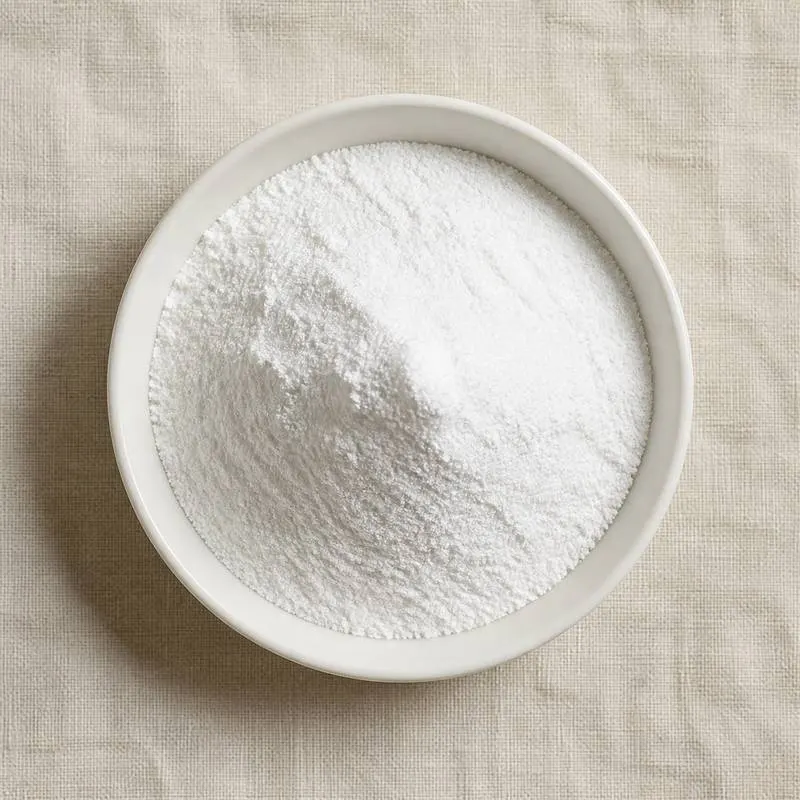
The molecule trades as a white crystalline powder primarily for animal nutrition, where it ranks as the third limiting amino acid in corn-soybean diets after lysine and methionine.
We source bulk L-Threonine from top China manufacturers for our partners, working with several of them. The manufacturers are in Hebei, Jiangsu and Heilongjiang. For this ingredient the minimum order is 3,000 kg and a 20-foot container takes 20 MT, and a smaller requirement can ship in a combined container with other ingredients.
Please send the grade you need, the volume and your destination port, and we will come back with a solution and a price.
or call +86-21-6858 0751
- Minimum order
- 3,000 kg
- Qty in 20' FCL
- 20 MT
- Packaging
- 25 kg kraft paper bag with PE inner liner
- ISO 9001
- HACCP
- Halal
- Kosher
Specifications
Grades / Types Available: CP2020, EP11, USP2023
| Item | Specification |
|---|---|
| Appearance | White crystalline powder |
| Assay | ≥98.5% |
| Specific Rotation [α]D20 | -26.0° to -29.0° |
| Loss on Drying | ≤0.5% |
| Residue on Ignition | ≤0.1% |
| pH (5% solution) | 5.0–6.5 |
| Heavy Metals (as Pb) | ≤10 ppm |
| Arsenic | ≤1 ppm |
| Chloride | ≤0.02% |
| Total Plate Count | ≤1000 CFU/g |
| Iron (CP2020) | ≤10PPM |
| Moulds & Yeasts (CP2020) | ≤ 50 CFU/g |
Common Markets Grades
There are three grades of L-Threonine: feed, food and pharmaceutical.
Feed grade at 98.5 percent minimum assay is by far the largest volume product, sold to compound feed mills for poultry, swine, and aquaculture diets. It is a free-flowing crystalline powder with low dust and good blending properties in premixes.
Food and supplement grade at 99 percent minimum meets FCC specifications and is used in medical foods, infant formula fortification, parenteral nutrition, and dietary supplements.
Pharmaceutical grade meets USP and Ph. Eur. monograph requirements at 98.5 to 101.0 percent on the dried basis. It is used in amino acid infusion solutions and oral pharmaceuticals.
Applications
- Broiler chicken feeds as the third limiting amino acid
- Layer hen and breeder diets
- Swine starter, grower, and finisher diets
- Aquaculture feeds for tilapia, shrimp, and salmonids
- Pet food formulations for dogs and cats
- Infant formula and follow-on formula fortification
- Parenteral and enteral nutrition amino acid solutions
- Medical foods for metabolic disorders
- Sports nutrition and protein supplement blends
- Cell culture media for biopharmaceutical production
Brands Using L-Threonine
Widely-distributed consumer products that list L-Threonine on the ingredient label.
- VitamaticL-Threonine 500 mg Vegetable Capsules ↗Each vegetable capsule supplies 500 mg L-Threonine as an essential amino acid supporting liver, cardiovascular and structural function.Label verified 2026-05-24
- BulkSupplementsL-Threonine Capsules ↗A standalone L-threonine capsule supplying 500 mg per capsule.Label verified 2026-05-24
- Hill's Pet NutritionPrescription Diet r/d Chicken Flavor Wet Dog Food ↗Ingredient panel for Hill's Prescription Diet r/d wet dog food lists L-Threonine as an added essential amino acid in the weight-management formulation.Label verified 2026-05-24
- Hill's Pet NutritionPrescription Diet r/d Chicken Flavor Dry Cat Food ↗Hill's r/d dry cat food formula includes L-Threonine as a supplemental essential amino acid alongside taurine and choline chloride.Label verified 2026-05-24
- Royal CaninVeterinary Diet Canine Gastrointestinal Puppy Dry Dog Food ↗Royal Canin Veterinary Diet Canine Gastrointestinal Puppy dry food ingredient list includes L-threonine as a supplemental amino acid.Label verified 2026-05-24
Brand names, product names and logos are the property of their owners. They appear here as published evidence that the ingredient is used, taken from the brand's own label or website. Their appearance is not an endorsement, and it does not mean the brand buys from us or from any manufacturer listed on this site.
China Manufacturers of L-Threonine
Top L-Threonine manufacturers in China.
 Hebei Huafan Biological Technology Co., Ltd.15 ingredients in the directory
- Hebei Huayang Biological Technology Co., Ltd.13 ingredients in the directory
 Heilongjiang Jinxiang Biochemical Co., Ltd.9 ingredients in the directory
 Jiangsu Quanjia Shun Health Technology Co., Ltd.12 ingredients in the directory
 Shijiazhuang Haitian Amino Acid Co., Ltd.11 ingredients in the directory
 Wuxi Jinghai Amino Acid Co., Ltd.18 ingredients in the directory
Company names and logos are the property of the manufacturers themselves. They are listed here because our own directory records them as producing this ingredient. A listing is not an endorsement by them, and we do not represent them or speak on their behalf.
How We Help Source L-Threonine
Direct Factory Sourcing
We run the whole process: selecting the manufacturer from the top Chinese food ingredient producers, negotiating the price, verifying quality, and coordinating the logistics. You deal with us instead of with several factories at once.
Original Packaging and Documents from the Manufacturer
The manufacturer sends your L-Threonine out of its own factory in the original packing, through to your destination port. The COA, COO, MSDS, TDS and any certifications reach you from the manufacturer as well.
Free Samples and Lead Time
We send 100 to 500 g free for your own laboratory to test and you cover only the courier, usually within 2 to 3 working days. ETD is usually within 7 to 15 days once the order is confirmed, and we check that date against the factory's own manufacturing schedule before we give it to you.
Combined Shipment
We can load L-Threonine together with other ingredients such as Glycine, L-Arginine and L-Leucine into one 20' FCL. If your quantity is small, we can also ship LCL.
Regulatory Status
L-Threonine is authorised as a nutritional feed additive, food-grade amino acid, and pharmaceutical excipient in all major markets.
In the European Union it is listed in the Register of Feed Additives under functional group 3c (amino acids, salts and analogues) for use in all animal species. In the United States it is GRAS under 21 CFR 582.5550 for animal feed use and under 21 CFR 172.320 as a nutrient added to foods.
JECFA has reviewed L-threonine and accepts it as a food-grade amino acid without numerical limit when used in line with good manufacturing practice.
USP and Ph. Eur. monographs govern pharmaceutical use. FAMI-QS, GMP+, and ISO 22000 schemes cover feed-grade manufacturing quality. Halal and Kosher certifications are routinely available.
Manufacturing Process
L-Threonine is produced exclusively by microbial fermentation at very large scale, with global output above one million tonnes per year.
Engineered Escherichia coli and Corynebacterium glutamicum strains convert glucose to L-threonine through the aspartate pathway. Metabolic engineering targets include relieving feedback inhibition of aspartokinase and homoserine dehydrogenase, deleting threonine-degrading pathways, and overexpressing the rhtA and rhtC threonine exporters to drive product secretion.
Major producers include Meihua, Fufeng, Eppen, CJ CheilJedang, and Ajinomoto, with the bulk of capacity located in China alongside lysine production. The same corn or cassava starch feedstocks are typically converted in shared sugar plants supplying both lysine and threonine fermentation.
Downstream recovery uses cell separation, ion exchange capture, activated carbon decolorisation, crystallisation, centrifugation, and drying. Mother liquor recycle and protein-rich biomass byproducts are commonly sold as feed materials in their own right.