L-Tyrosine
L-Tyrosine is a conditionally essential aromatic amino acid synthesised from L-phenylalanine and required as the precursor to dopamine, norepinephrine, epinephrine, melanin, and the thyroid hormones T3 and T4.
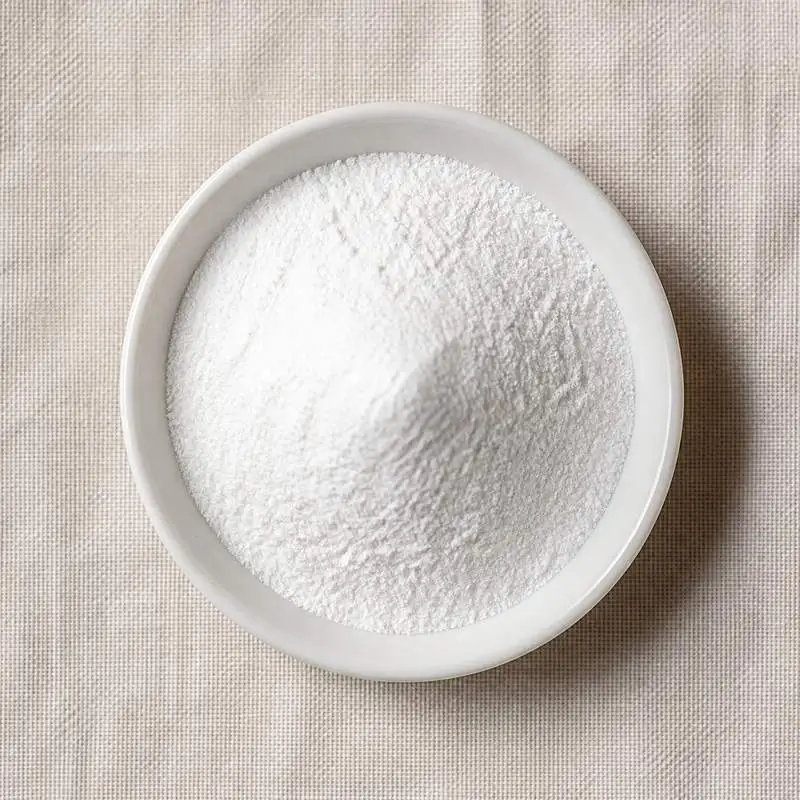
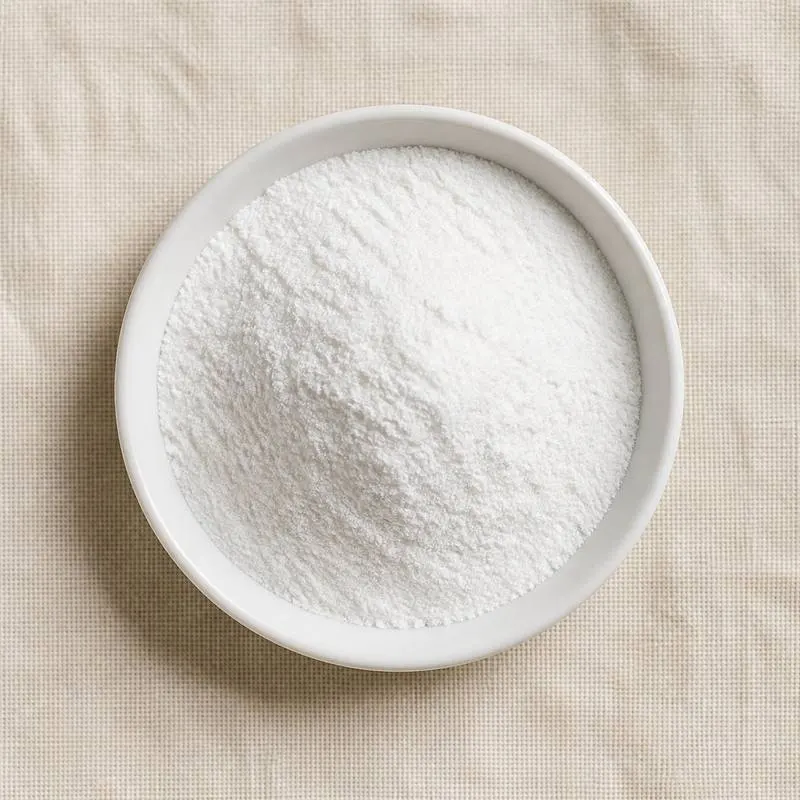
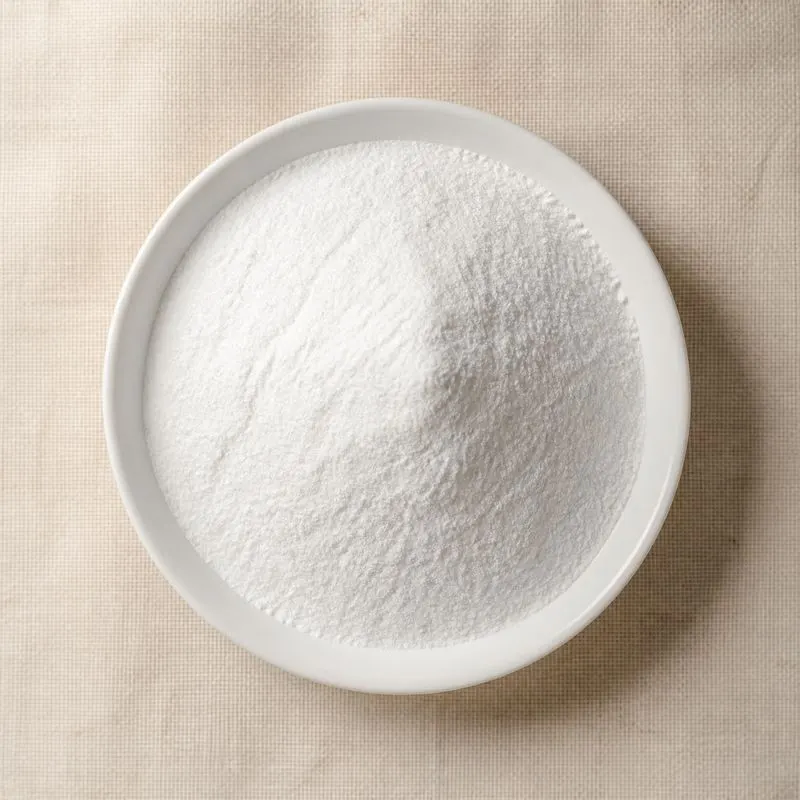
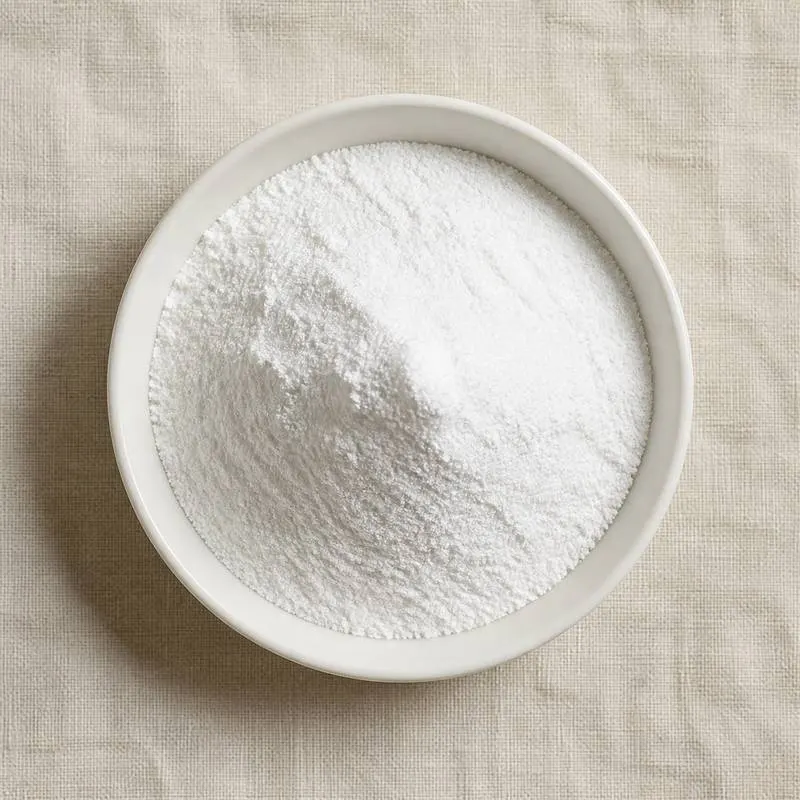
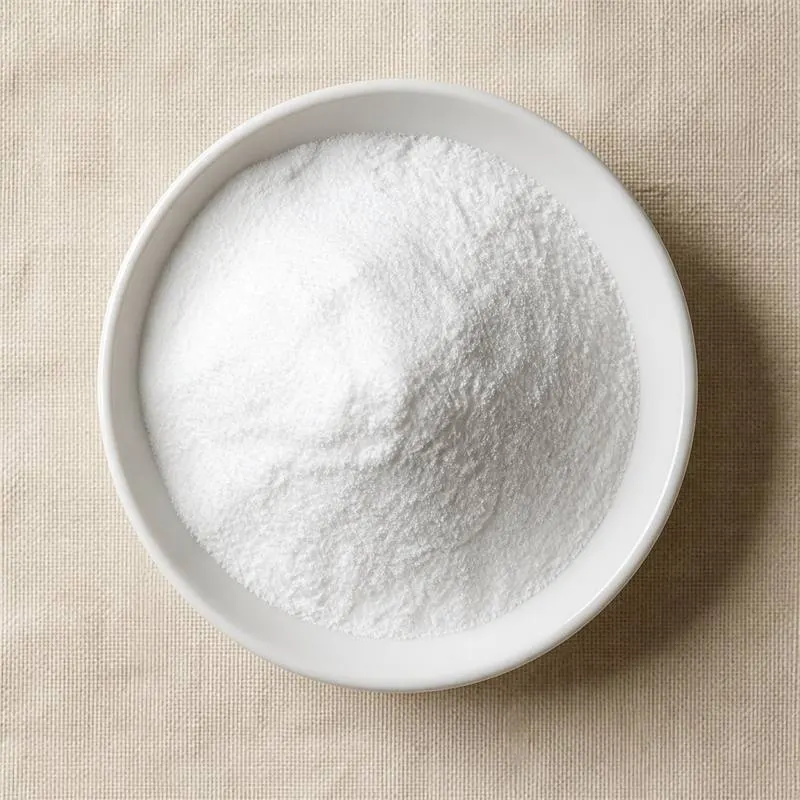
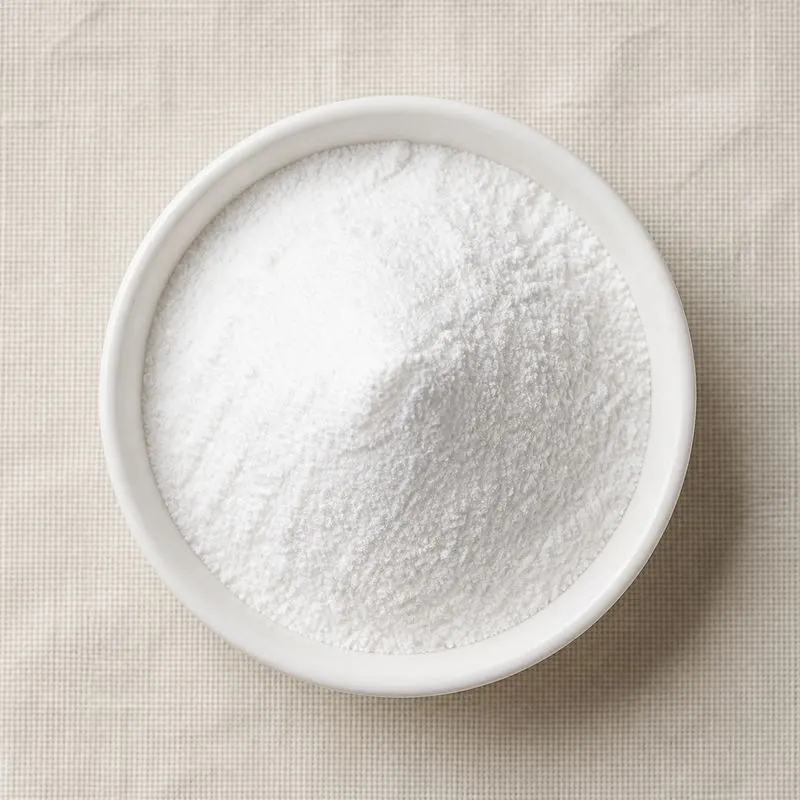
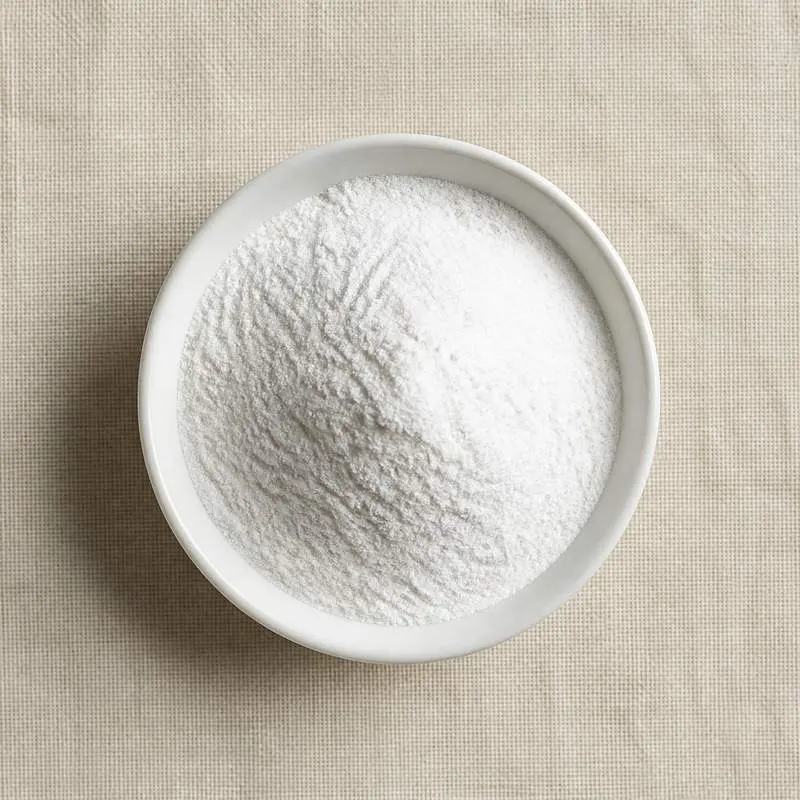
The molecule carries a phenolic side chain that can be iodinated to form thyronine residues and oxidised to form the melanin pigment that colours skin, hair, and eyes. It comes as a white to off-white crystalline powder for pharmaceutical, nutritional, and cosmetic use.
We source bulk L-Tyrosine from top China manufacturers for our partners, working with several of them. The manufacturers are mostly in Jiangsu, Anhui and Sichuan. For this ingredient the minimum order is 500 kg, and a smaller requirement can ship in a combined container with other ingredients.
Please send the grade you need, the volume and your destination port, and we will come back with a solution and a price.
or call +86-21-6858 0751
- Minimum order
- 500 kg
- Packaging
- 25 kg kraft paper bag with PE inner liner
- ISO 9001
- HACCP
- Halal
- Kosher
Specifications
Grades / Types Available: Food Grade, Pharmaceutical Grade
| Item | Specification |
|---|---|
| Appearance | White crystalline powder |
| Assay | ≥98.5% |
| Specific Rotation [α]D20 | -10.0° to -12.5° |
| Loss on Drying | ≤0.5% |
| Residue on Ignition | ≤0.1% |
| pH (saturated solution) | 5.0–6.5 |
| Heavy Metals (as Pb) | ≤10 ppm |
| Arsenic | ≤1 ppm |
| Chloride | ≤0.02% |
| Total Plate Count | ≤1000 CFU/g |
| Purity (Food Grade) | 98% min |
| Moisture/Loss on Drying | < 0.5% |
| Lead | < 2 ppm |
| Yeast & Mold | < 100 cfu/g |
Common Markets Grades
L-Tyrosine has three grades: pharmaceutical, food and cosmetic.
Pharmaceutical grade meets USP and Ph. Eur. monographs at 98.5 to 101.0 percent assay on the dried basis. It is used in amino acid infusion solutions, oral pharmaceuticals, and as a substrate in the synthesis of L-DOPA and related catecholamine drugs.
Food and supplement grade at 99 percent minimum meets FCC specifications and is used in medical foods for phenylketonuria, dietary supplements, sports nutrition, and cognitive support products.
Cosmetic grade material is produced for self-tanning lotions, hair-care formulations, and skin actives that make use of the role of tyrosine in melanin synthesis.
Applications
- Medical foods for phenylketonuria as a substitute for phenylalanine-derived tyrosine
- Parenteral and enteral nutrition amino acid solutions
- Infant formula and follow-on formula fortification
- Sports nutrition and cognitive performance supplements
- Stress, mood, and focus dietary supplements
- Thyroid-support nutraceutical formulations
- Self-tanning lotions and skin-darkening cosmetics
- Pharmaceutical synthesis of L-DOPA and catecholamines
- Cell culture media for mammalian and microbial production
- Reference standard in clinical and analytical chemistry
Brands Using L-Tyrosine
Widely-distributed consumer products that list L-Tyrosine on the ingredient label.
- NOW FoodsL-Tyrosine 500 mg Capsules ↗Each capsule supplies 500 mg L-Tyrosine, a precursor to neurotransmitters dopamine, norepinephrine and epinephrine for mental alertness support.Label verified 2026-05-24
- Source NaturalsL-Tyrosine 500 mg ↗L-tyrosine is presented as a building block for dopamine, norepinephrine and epinephrine, supporting mood, sleep, clarity and cognitive function.Label verified 2026-05-24
- Jarrow FormulasL-Tyrosine 500 mg ↗Supplement Facts list 500 mg crystalline L-tyrosine per capsule.Label verified 2026-05-24
- SolgarL-Tyrosine 500 mg Vegetable Capsules ↗Solgar markets L-Tyrosine as a free-form amino acid that supports neurotransmitter production and the body's response to stress.Label verified 2026-05-24
Brand names, product names and logos are the property of their owners. They appear here as published evidence that the ingredient is used, taken from the brand's own label or website. Their appearance is not an endorsement, and it does not mean the brand buys from us or from any manufacturer listed on this site.
China Manufacturers of L-Tyrosine
Top L-Tyrosine manufacturers in China.
 Anhui Omire Biotechnology Co., Ltd.4 ingredients in the directory
 Emeishan Longteng Biotechnology Co., Ltd.10 ingredients in the directory
- Hebei Huayang Biological Technology Co., Ltd.13 ingredients in the directory
 Jiangsu Quanjia Shun Health Technology Co., Ltd.12 ingredients in the directory
 Shandong Aobo Bio-Tech Co., Ltd.11 ingredients in the directory
 Wuxi Jinghai Amino Acid Co., Ltd.18 ingredients in the directory
Company names and logos are the property of the manufacturers themselves. They are listed here because our own directory records them as producing this ingredient. A listing is not an endorsement by them, and we do not represent them or speak on their behalf.
How We Help Source L-Tyrosine
Direct Factory Sourcing
We run the whole process: selecting the manufacturer from the top Chinese food ingredient producers, negotiating the price, verifying quality, and coordinating the logistics. You deal with us instead of with several factories at once.
Original Packaging and Documents from the Manufacturer
The manufacturer sends your L-Tyrosine out of its own factory in the original packing, through to your destination port. The COA, COO, MSDS, TDS and any certifications reach you from the manufacturer as well.
Free Samples and Lead Time
We send 100 to 500 g free for your own laboratory to test and you cover only the courier, usually within 2 to 3 working days. ETD is usually within 7 to 15 days once the order is confirmed, and we check that date against the factory's own manufacturing schedule before we give it to you.
Combined Shipment
We can load L-Tyrosine together with other ingredients such as Glycine, L-Arginine and L-Leucine into one 20' FCL. If your quantity is small, we can also ship LCL.
Regulatory Status
L-Tyrosine is recognised as a food-grade amino acid and approved for nutritional, supplement, and pharmaceutical use in all major markets.
In the United States it is GRAS under 21 CFR 172.320 for use as a nutrient added to foods, with infant formula use governed by 21 CFR 107. The European Union authorises L-tyrosine as a permitted amino acid for food, food supplement, and food for special medical purposes (FSMP) use.
JECFA has reviewed L-tyrosine and accepts it as a food-grade amino acid without numerical limit when used in line with good manufacturing practice.
USP and Ph. Eur. monographs govern pharmaceutical use. Where animal-derived feedstocks are used (silk waste, feather meal), suppliers provide TSE/BSE certification, and Halal, Kosher, and vegetarian certifications are typically reserved for fermentation-derived material.
Manufacturing Process
L-Tyrosine is produced commercially by microbial fermentation and by direct extraction from protein hydrolysates.
Engineered Escherichia coli and Corynebacterium glutamicum strains convert glucose to L-tyrosine through the shikimate pathway, with engineering focused on relieving feedback inhibition of DAHP synthase and chorismate mutase by tyrosine, and on attenuating the competing phenylalanine branch. Tyrosine fermentation typically operates at lower titer than phenylalanine or tryptophan because of product solubility limits.
A substantial fraction of commercial L-tyrosine is still recovered by acid hydrolysis of cheap protein sources such as silk waste, casein, or feather meal. Tyrosine crystallises preferentially from the hydrolysate at low pH because of its low water solubility (about 0.45 g per L at 25 degrees Celsius), which makes isolation by direct crystallisation economically attractive.
Downstream processing typically involves repeated recrystallisation, decolorisation with activated carbon, washing, and drying. Major suppliers include Ajinomoto, Kyowa Hakko, Evonik, and several Chinese amino acid producers.