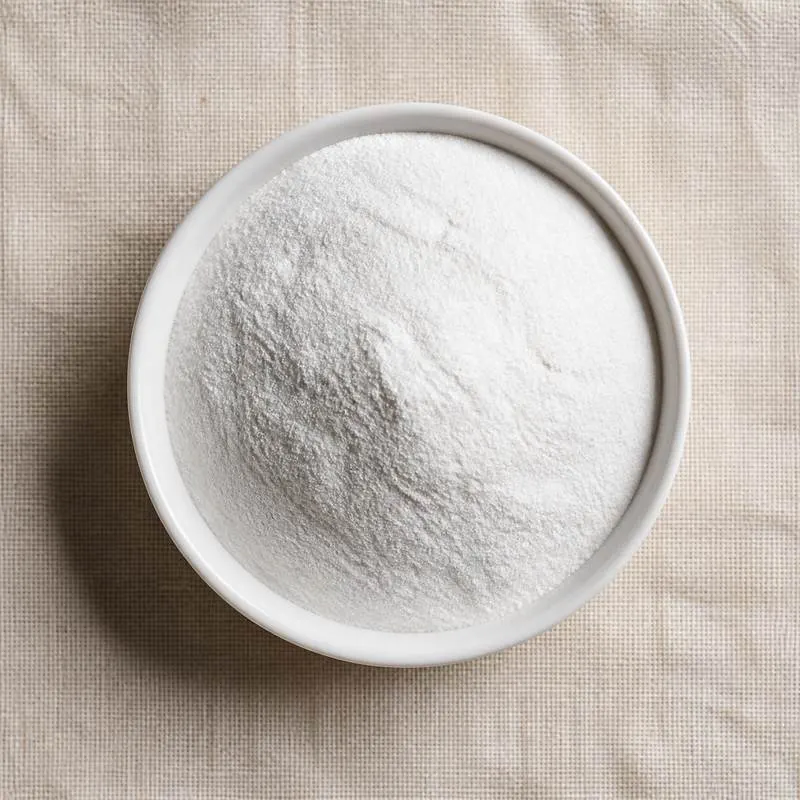
Lactose Monohydrate
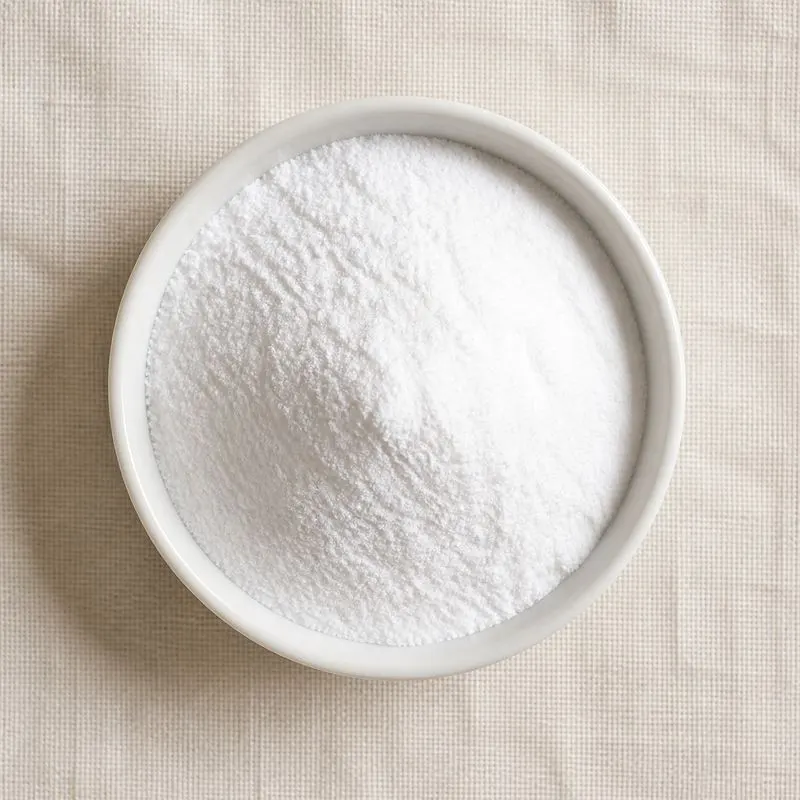
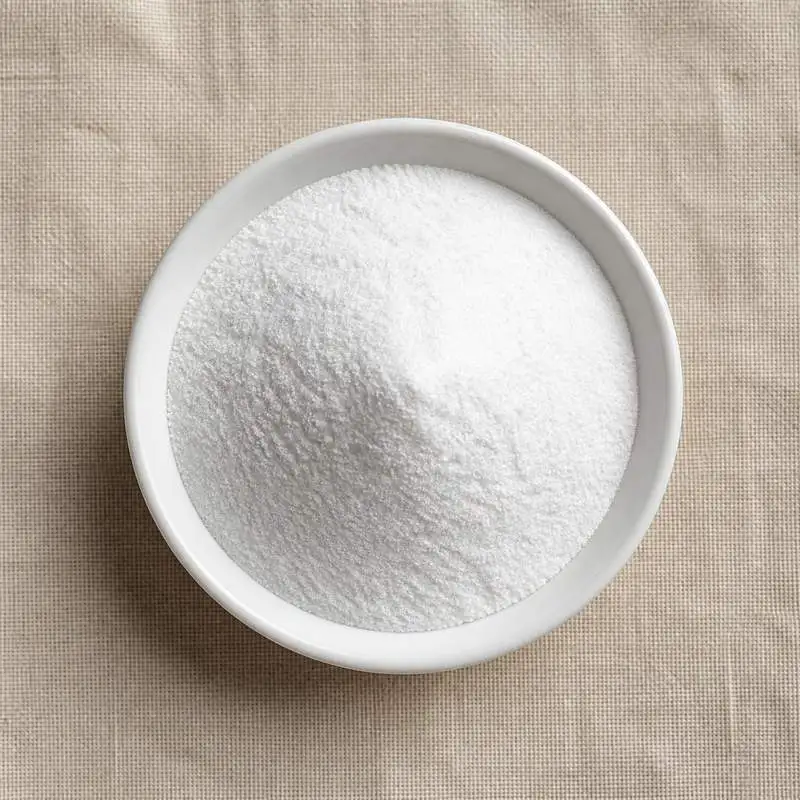
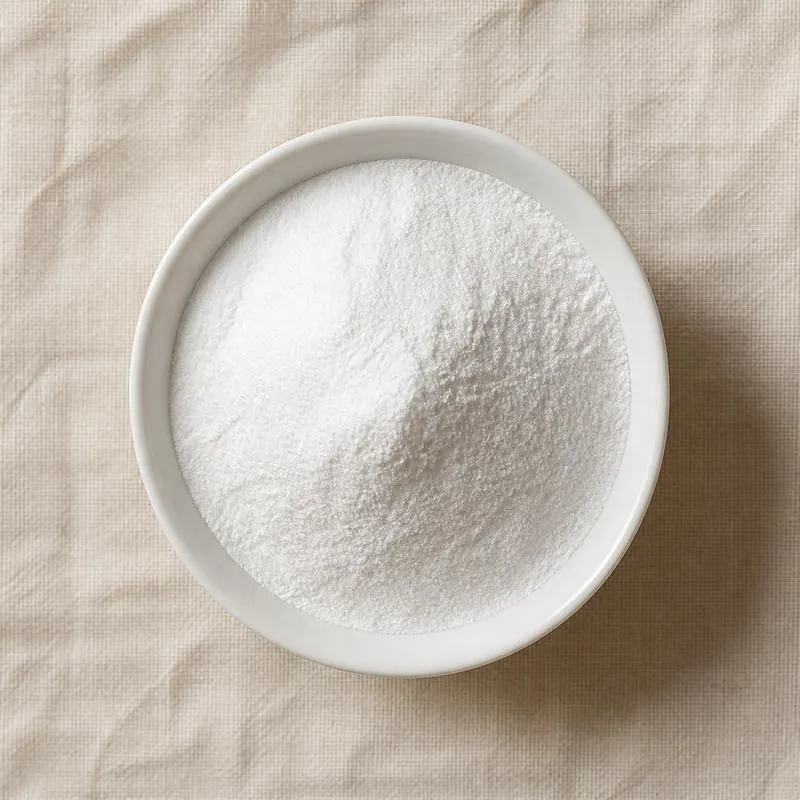
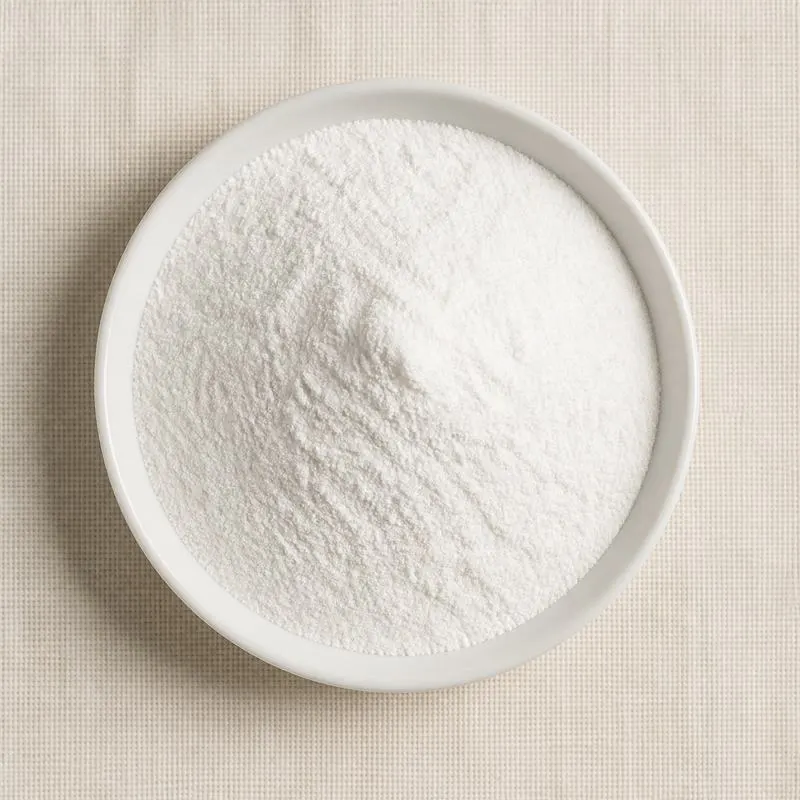
Lactose Monohydrate is the crystalline hydrated form of lactose, the principal sugar of mammalian milk.
The CAS number is 64044-51-5 and the molecular formula is C₁₂H₂₂O₁₁·H₂O. It is a disaccharide of galactose and glucose linked β-1,4.
The crystal is white, free-flowing, mildly sweet (about 15 percent of sucrose sweetness), and shows characteristic alpha-lactose monohydrate crystal habits when produced by standard supersaturation crystallisation.
or call +86-21-6858 0751
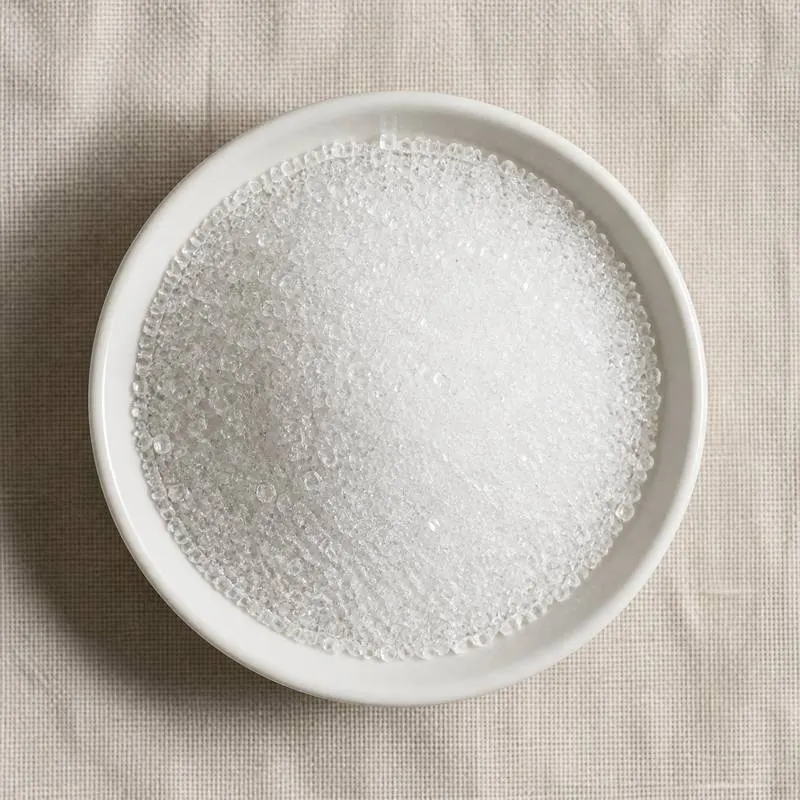
- Packaging
- 25 kg kraft paper bag with PE inner liner
- ISO 9001
- HACCP
- Halal
- Kosher
Specifications
| Item | Specification |
|---|---|
| Appearance | White to off-white crystalline powder, free flowing |
| Identification (IR) | Conforms |
| Assay (Lactose, anhydrous basis) | ≥ 99.0% |
| Specific Rotation [α]D20 | +54.4° to +55.9° (anhydrous basis) |
| Water (Loss on Drying, 80°C) | 4.5-5.5% |
| Sulphated Ash | ≤ 0.1% |
| pH (10% solution) | 4.0-6.5 |
| Protein and Light-absorbing Impurities | ≤ 0.1% |
| Particle Size (through 100 mesh) | ≥ 95% |
| Heavy Metals (as Pb) | ≤ 5 mg/kg |
| Arsenic | ≤ 1 mg/kg |
| Total Plate Count | ≤ 100 CFU/g |
| Yeast and Mould | ≤ 50 CFU/g |
| Salmonella | Negative/25g |
Common Markets Grades
Lactose Monohydrate is graded by particle size, milk source, and channel.
Coarse and fine crystalline grades are the food and dairy standard for general use in infant formula, confectionery, and bakery.
Spray-dried lactose grades are produced for direct-compression pharmaceutical tableting, where the spherical particles flow and compress well.
Inhalation grade is sized to a narrow particle distribution (typically 50 to 200 micrometers) and carries strict bioburden limits for dry-powder inhaler use.
Anhydrous lactose is a separate grade and is preferred where moisture must be excluded.
Applications
- Carbohydrate base in infant formula and follow-on milk products
- Bulking agent in chocolate, confectionery, and bakery
- Direct-compression tablet diluent and filler in pharmaceuticals
- Carrier and bulking aid in dry-powder inhalers
- Flavour and colour development substrate in cured meats and bakery glazes
- Body and mouthfeel in dairy desserts and ice cream
- Fermentation substrate for lactic acid bacteria and ethanol production
- Carrier in spray-dried flavour and probiotic preparations
- Standardisation base in dry pharmaceutical premixes
- Substrate for galacto-oligosaccharide and lactulose production
- Animal feed milk replacers for calves and piglets
Brands Using Lactose Monohydrate
Widely-distributed consumer products that list Lactose Monohydrate on the ingredient label.
- ClaritinClaritin 24 Hour Tablets 10mg (Loratadine) ↗Inactive ingredients include lactose monohydrate, magnesium stearate, and microcrystalline cellulose (pharma tableting excipient).Label verified 2026-05-24
- ZyrtecZYRTEC Tablets (Cetirizine HCl) ↗Lactose monohydrate listed as an inactive ingredient on the official ZYRTEC ingredients page.Label verified 2026-05-24
Brand names, product names and logos are the property of their owners. They appear here as published evidence that the ingredient is used, taken from the brand's own label or website. Their appearance is not an endorsement, and it does not mean the brand buys from us or from any manufacturer listed on this site.
How We Help Source Lactose Monohydrate
Direct Factory Sourcing
We run the whole process: selecting the manufacturer from the top Chinese food ingredient producers, negotiating the price, verifying quality, and coordinating the logistics. You deal with us instead of with several factories at once.
Original Packaging and Documents from the Manufacturer
The manufacturer sends your Lactose Monohydrate out of its own factory in the original packing, through to your destination port. The COA, COO, MSDS, TDS and any certifications reach you from the manufacturer as well.
Free Samples and Lead Time
We send 100 to 500 g free for your own laboratory to test and you cover only the courier, usually within 2 to 3 working days. ETD is usually within 7 to 15 days once the order is confirmed, and we check that date against the factory's own manufacturing schedule before we give it to you.
Combined Shipment
We can load Lactose Monohydrate together with other ingredients such as Fructooligosaccharides, Dextrose and Dextrose Monohydrate into one 20' FCL. If your quantity is small, we can also ship LCL.
Regulatory Status
Lactose Monohydrate is recognised as a food and pharmaceutical ingredient in every regulated market.
The U.S. FDA covers it under GRAS in 21 CFR 184.1979. It appears in the USP-NF, European Pharmacopoeia, Japanese Pharmacopoeia, and Chinese Pharmacopoeia under the monograph Lactose Monohydrate.
Codex Alimentarius treats it as a generally accepted dairy ingredient with no specified intake limit.
Kosher and Halal certifications exist from approved dairies. Lactose is a labelled allergen in most jurisdictions for milk-allergic and lactose-intolerant consumers.
Manufacturing Process
Lactose Monohydrate is produced from cheese whey, a coproduct of cheese manufacture.
Whey is clarified, deproteinated by ultrafiltration, and concentrated by evaporation. The concentrated whey permeate is supersaturated with respect to alpha-lactose.
The supersaturated solution is cooled with controlled agitation in a crystalliser to grow alpha-lactose monohydrate crystals over many hours.
The crystal slurry is centrifuged and washed. The wet crystal is dried in a fluid-bed dryer to a moisture target of around 5 percent total (including the bound water of crystallisation).
The dry crystal is milled, sieved, and packed. Pharmaceutical and inhalation grades undergo additional purification and sizing.