Liposomal Silymarin
Liposomal silymarin is silymarin, the flavonolignan complex of milk thistle seed, encapsulated within phospholipid vesicles so that the poorly water-soluble actives are carried in a dispersible form. It is a delivery system rather than a new chemical entity: the silymarin is unchanged, and what is bought is the phospholipid architecture around it.
Silymarin itself comes from the seed of Silybum marianum and is not a single compound but a mixture, principally silybin A and silybin B, together with isosilybin A and B, silychristin, silydianin and the flavonoid taxifolin. Silybin is the largest and most studied fraction. All of these are practically insoluble in water and only sparingly soluble in ethanol, which is the entire reason the liposomal format exists.
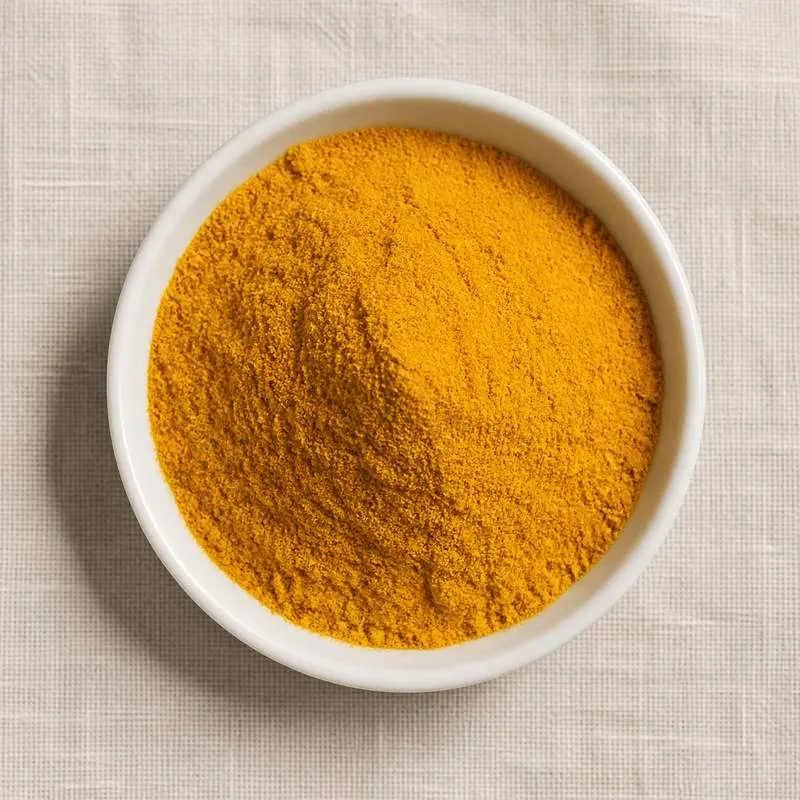
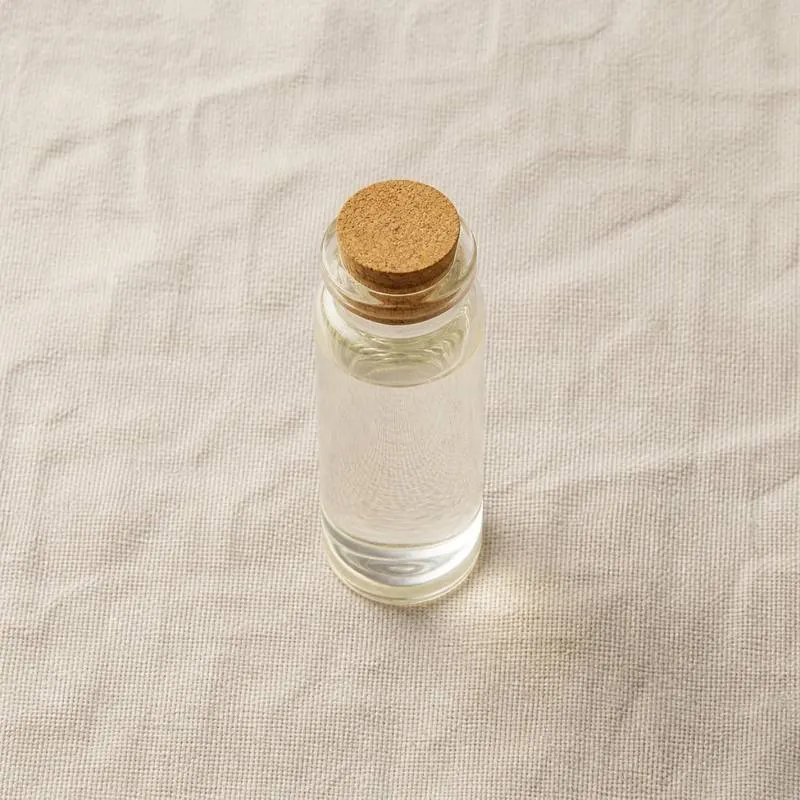
The phospholipid shell is normally phosphatidylcholine from sunflower or soya lecithin, sometimes with cholesterol or a tocopherol added for bilayer stability. The lipophilic flavonolignans sit within the bilayer rather than in the aqueous core. Buyers choose between a liquid dispersion, a translucent to slightly cloudy pale yellow fluid, and a spray dried powder on a carbohydrate carrier that reconstitutes into the dispersion on contact with water. The dispersion is sensitive to freezing, to high ionic strength and to extremes of pH, all of which can aggregate or rupture the vesicles, and the phospholipid fraction oxidises on exposure to air and light, so the material is packed under nitrogen and stored cool.
We source bulk Liposomal Silymarin from top China manufacturers for our partners. The manufacturer is in Shanghai. A smaller requirement can ship in a combined container with other ingredients.
Please send the grade you need, the volume and your destination port, and we will come back with a solution and a price.
or call +86-21-6858 0751
- Function
- Plant extract
Specifications
| Item | Specification |
|---|---|
| Appearance | Pale yellow free-flowing powder |
| Silymarin Content by HPLC | ≥ 20.0% |
| Silybin A and B | ≥ 8.0% |
| Phosphatidylcholine | ≥ 25.0% |
| Encapsulation Efficiency | ≥ 85% |
| Mean Vesicle Size on Reconstitution | 80 to 200 nm |
| Loss on Drying | ≤ 5.0% |
| Residual Solvent (Ethanol) | ≤ 5,000 mg/kg |
| Lead | ≤ 1.0 mg/kg |
| Arsenic | ≤ 1.0 mg/kg |
| Total Plate Count | ≤ 1,000 cfu/g |
| Yeast and Mould | ≤ 100 cfu/g |
| E. coli | Negative in 1 g |
| Salmonella | Negative in 25 g |
Common Markets Grades
Grades are quoted on two figures that have to be read together: the silymarin content of the finished preparation, commonly 10 to 30 percent for a dried liposomal powder, and the assay of the silymarin raw material used, normally 80 percent by ultraviolet method or 30 to 65 percent silybin by HPLC. A preparation described only by its silymarin percentage without the analytical basis is not fully specified, since the ultraviolet and HPLC figures differ substantially on the same material.
Beyond assay, the properties that distinguish commercial offers are particle size, usually quoted as a mean vesicle diameter in the 80 to 200 nanometre range with a polydispersity index, encapsulation efficiency, and zeta potential as an indicator of dispersion stability. The phospholipid source is specified because sunflower lecithin avoids the soya allergen declaration. Liquid and spray dried forms are traded separately, and the carrier used in drying, maltodextrin, gum acacia or a modified starch, is stated because it dilutes the active. Phytosome-type preparations, in which silybin is complexed with phosphatidylcholine in a defined molecular ratio rather than enclosed in a vesicle, are a related but different product and should not be specified interchangeably.
Applications
- Liver support and detoxification supplements, the dominant outlet, in capsule, softgel and sachet form
- Liquid supplements and shots, where the dispersion can be dosed without a solubiliser
- Functional beverages, using the liposomal format to carry an otherwise insoluble active in a clear or lightly hazy drink
- Hangover and metabolic support formulas, often combined with N-acetylcysteine and B vitamins
- Gummies and functional confectionery, where the liquid dispersion incorporates into the hot mass
- Sports nutrition products aimed at recovery and liver load
- Nutricosmetic formulations drawing on the antioxidant profile of the flavonolignans
- Topical creams and serums, where the phospholipid vesicle also assists skin penetration
- Companion animal liver supplements, a substantial application for this ingredient
Brands Using Liposomal Silymarin
Widely-distributed consumer products that list Liposomal Silymarin on the ingredient label.
Brand names, product names and logos are the property of their owners. They appear here as published evidence that the ingredient is used, taken from the brand's own label or website. Their appearance is not an endorsement, and it does not mean the brand buys from us or from any manufacturer listed on this site.
China Manufacturers of Liposomal Silymarin
Top Liposomal Silymarin manufacturers in China.
Company names and logos are the property of the manufacturers themselves. They are listed here because our own directory records them as producing this ingredient. A listing is not an endorsement by them, and we do not represent them or speak on their behalf.
Regulatory Status
In the United States milk thistle and silymarin are marketed as dietary ingredients under the Dietary Supplement Health and Education Act, with manufacture under the good manufacturing practice rules in 21 CFR Part 111. Lecithin and phosphatidylcholine preparations are established food ingredients, with lecithin affirmed as generally recognised as safe in 21 CFR 184.1400, so the components of a liposomal silymarin are individually well established, though the finished delivery system itself has no separate regulatory identity. Where soya lecithin is used, the soy allergen declaration applies.
In the European Union milk thistle fruit has a history of use and the European Medicines Agency has published a herbal monograph for Silybum marianum fruit, which places some presentations in the traditional herbal medicinal product route rather than the food supplement route. As a food ingredient, a purified silymarin preparation and particularly a nanoscale liposomal formulation require careful assessment against the novel food Regulation, since that Regulation explicitly brings within its scope foods consisting of engineered nanomaterials and foods produced by a production process not used before May 1997. A liposomal preparation with a mean vesicle size in the nanometre range may therefore need authorisation even where the underlying silymarin does not. Regulation (EC) No 1333/2008 permits lecithins as food additives under the number E322. No health claim for silymarin appears on the EU register of authorised claims.
Manufacturing Process
Production has two stages, and only the second is specific to the liposomal product. Silymarin is first isolated from milk thistle seed: the defatted, milled seed is extracted with ethyl acetate, methanol or aqueous ethanol, the liquor is concentrated under vacuum, and the crude flavonolignan fraction is precipitated or crystallised from a hydrocarbon and alcohol system, then washed and dried to give the 80 percent standardised silymarin of commerce.
Encapsulation follows. The phosphatidylcholine and the silymarin are dissolved together in ethanol, since both are soluble in it and neither is soluble in water. This organic phase is then injected under controlled rate and agitation into an aqueous phase, where the phospholipid spontaneously self-assembles into bilayer vesicles that entrap the flavonolignans, a route known as ethanol injection. An alternative uses thin film hydration, evaporating the solvent to a lipid film in a rotary evaporator and hydrating it with buffer. The resulting coarse dispersion is passed repeatedly through a high pressure homogeniser or a microfluidiser at several hundred to over a thousand bar, which reduces the vesicles to a narrow size distribution in the nanometre range, and the residual ethanol is stripped under vacuum. The dispersion is filtered, characterised for particle size and encapsulation efficiency, then either filled as a liquid under nitrogen or blended with a carbohydrate carrier acting as a lyoprotectant and spray dried or freeze dried to a powder.