Locust Bean Gum
Locust Bean Gum, also called carob bean gum or LBG, is a galactomannan obtained from the endosperm of the carob tree Ceratonia siliqua. The tree grows along the Mediterranean coast, with Spain, Italy, Morocco, and Portugal supplying most of the world crop.
The polymer has a mannose backbone with a 4:1 mannose-to-galactose ratio, far less substituted than guar. This sparser substitution makes LBG only partially soluble in cold water and gives it a unique ability to form true gels in synergy with xanthan and kappa-carrageenan.
We source bulk Locust Bean Gum from top China manufacturers for our partners. The manufacturers are in Fujian and Zhejiang. For this ingredient the minimum order is 500 kg and a 20-foot container takes 16 MT, and a smaller requirement can ship in a combined container with other ingredients.
Please send the grade you need, the volume and your destination port, and we will come back with a solution and a price.
or call +86-21-6858 0751
- Minimum order
- 500 kg
- Qty in 20' FCL
- 16 MT
- Packaging
- 25 kg kraft paper bag with PE inner liner
- ISO 9001
- HACCP
- Halal
- Kosher
Specifications
| Item | Specification |
|---|---|
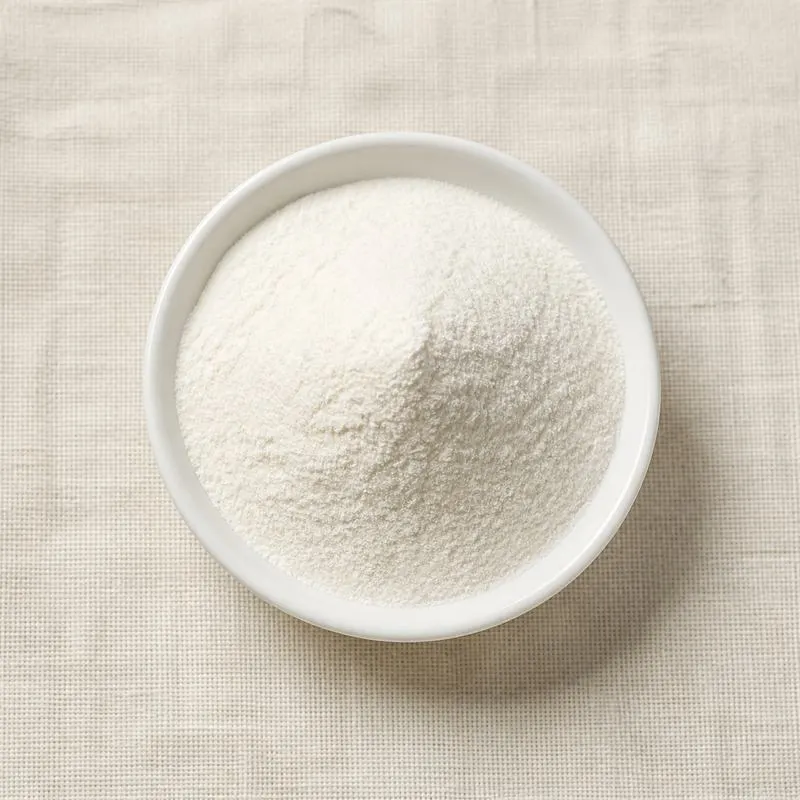
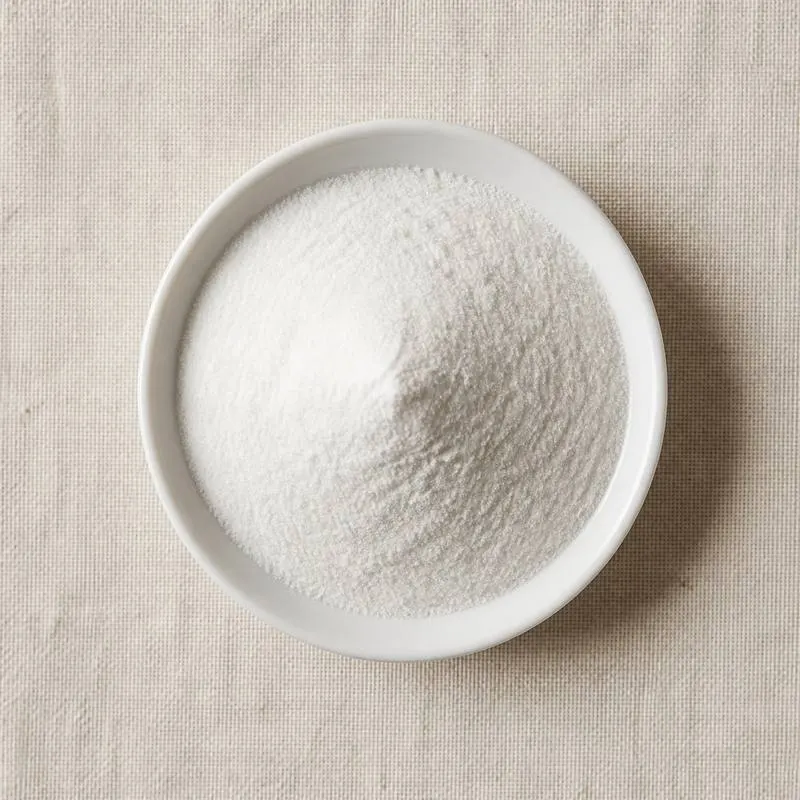
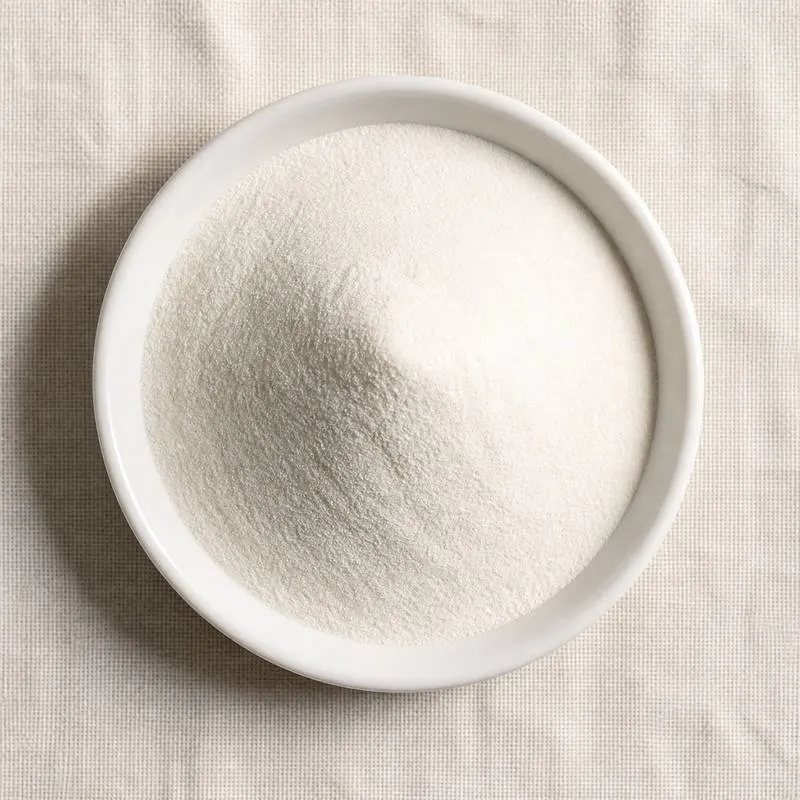
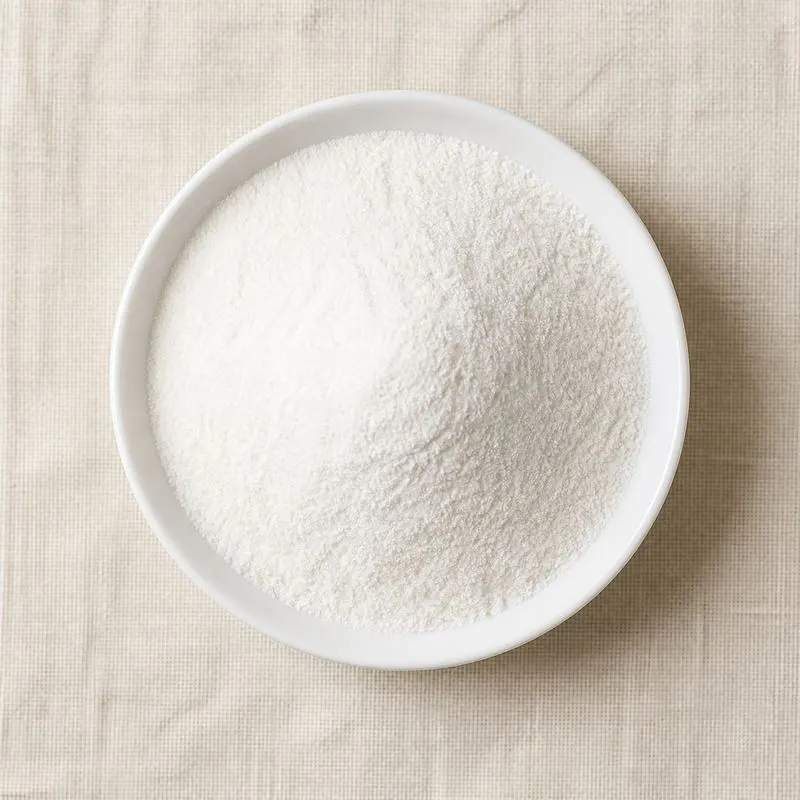
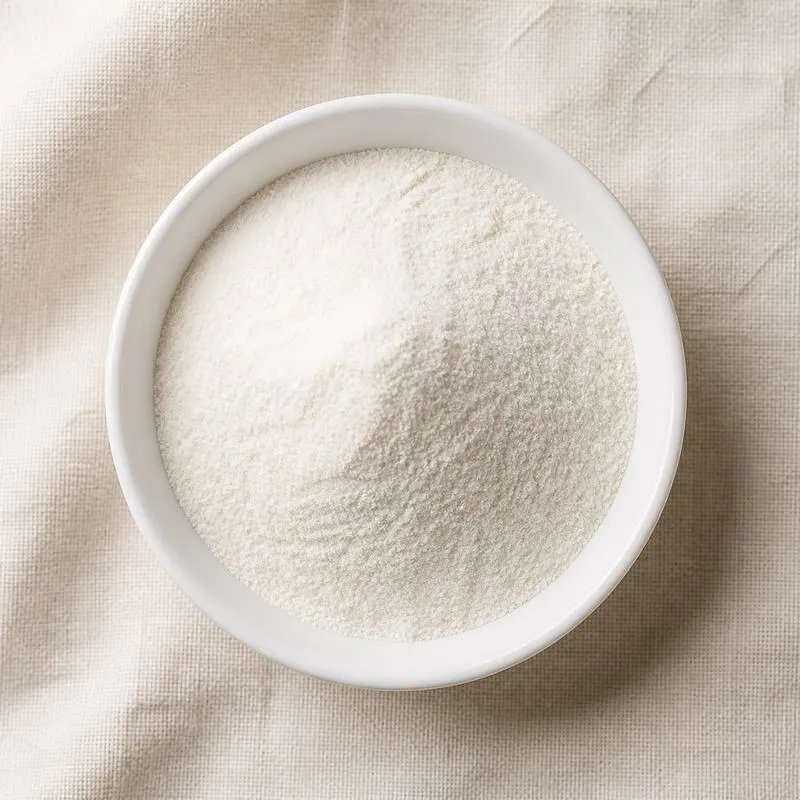
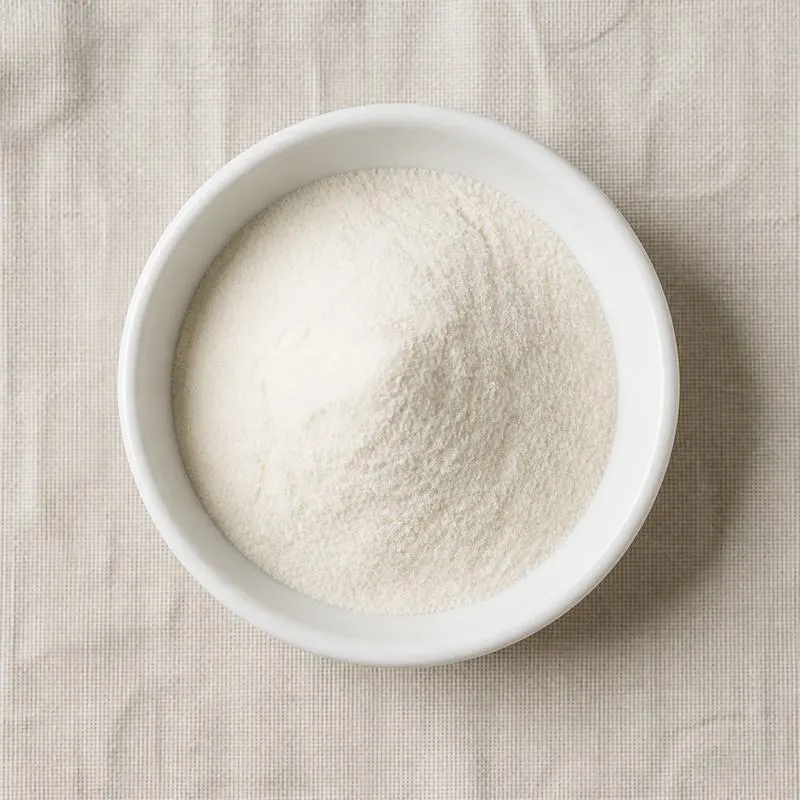
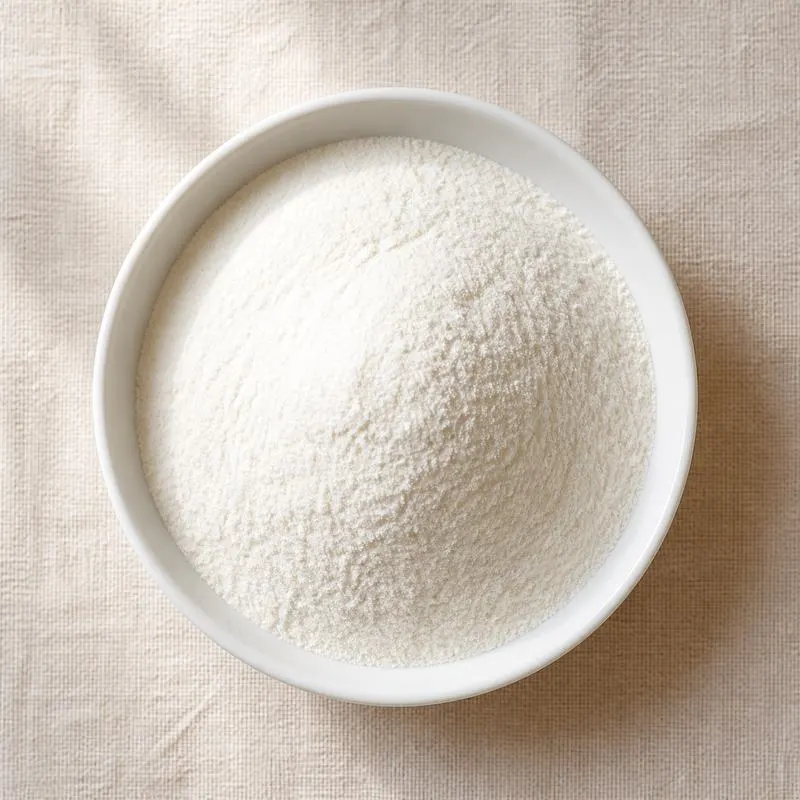
| Appearance | White to off-white free-flowing powder |
| Viscosity (1% solution at 80 °C) | 2200 to 3000 cP |
| Loss on drying | ≤ 14.0% |
| Ash | ≤ 1.2% |
| Protein content | ≤ 7.0% |
| Heavy metals (as Pb) | ≤ 5 mg/kg |
| Arsenic | ≤ 3 mg/kg |
| Particle size | ≥ 95% through 100 mesh |
| Total plate count | ≤ 5000 cfu/g |
Common Markets Grades
Locust Bean Gum is produced mainly in food grade, with viscosity and clarity as the primary specifications.
Standard food-grade LBG runs at 2,200 to 3,000 cP at 1 percent hot solution and is used in ice cream, dairy, and bakery applications. Premium clarified grades are produced for clear desserts and beverages.
Pet-food-grade LBG carries looser limits on protein and ash and is sold to gravy and chunked-meat formulators.
Cold-soluble LBG, made by physical modification of the endosperm, is produced for applications that cannot heat above 60 °C.
Applications
- Ice cream and frozen desserts as the classical stabiliser for ice-crystal control
- Cream cheese, processed cheese, and dairy spreads for body and cling
- Yogurt and cultured dairy for texture without graininess
- Bakery: bread improvers and gluten-free formulations
- Sauces, dressings, and savoury creams for body and freeze-thaw stability
- Confectionery jellies, particularly with xanthan or carrageenan
- Meat and poultry products as a binder and water-holder
- Pet food gravies and chunked-meat suspensions
- Cosmetic emulsions and personal-care creams
- Pharmaceutical tablet binders and controlled-release matrices
Brands Using Locust Bean Gum
Widely-distributed consumer products that list Locust Bean Gum on the ingredient label.
- Ben & Jerry'sMochaccino Chip Non-Dairy Oat ↗A non-dairy oat ice cream whose ingredients include guar gum, pectin and locust bean gum.Label verified 2026-05-24
- Ben & Jerry'sNon-Dairy Chocolate Fudge Brownie Frozen Dessert ↗Listed: contains locust bean gum and guar gum.Label verified 2026-05-24
- BreyersLactose Free Vanilla ↗Listed: contains vegetable gums including carob bean gum (locust bean gum).Label verified 2026-05-24
- BreyersNon-Dairy Vanilla ↗Listed: contains carob bean gum (locust bean gum).Label verified 2026-05-24
- DaiyaDairy-Free Original Cream Cheese ↗Listed: '...Less Than 2% Of: Salt, Cane Sugar, Turmeric (Color), Locust Bean Gum, Lactic Acid.'Label verified 2026-05-24
- PhiladelphiaOriginal Cream Cheese Spread (Tub) ↗Listed on SmartLabel: Pasteurized Milk and Cream, Whey Protein Concentrate, Whey, Salt, Carob Bean Gum, Xanthan Gum, Guar Gum...Label verified 2026-05-24
Brand names, product names and logos are the property of their owners. They appear here as published evidence that the ingredient is used, taken from the brand's own label or website. Their appearance is not an endorsement, and it does not mean the brand buys from us or from any manufacturer listed on this site.
China Manufacturers of Locust Bean Gum
Top Locust Bean Gum manufacturers in China.
 Fuzhou Ruixuan Food Technology Co., Ltd.6 ingredients in the directory
 Zhejiang Top Hydrocolloids Co., Ltd.10 ingredients in the directory
Company names and logos are the property of the manufacturers themselves. They are listed here because our own directory records them as producing this ingredient. A listing is not an endorsement by them, and we do not represent them or speak on their behalf.
How We Help Source Locust Bean Gum
Direct Factory Sourcing
We run the whole process: selecting the manufacturer from the top Chinese food ingredient producers, negotiating the price, verifying quality, and coordinating the logistics. You deal with us instead of with several factories at once.
Original Packaging and Documents from the Manufacturer
The manufacturer sends your Locust Bean Gum out of its own factory in the original packing, through to your destination port. The COA, COO, MSDS, TDS and any certifications reach you from the manufacturer as well.
Free Samples and Lead Time
We send 100 to 500 g free for your own laboratory to test and you cover only the courier, usually within 2 to 3 working days. ETD is usually within 7 to 15 days once the order is confirmed, and we check that date against the factory's own manufacturing schedule before we give it to you.
Combined Shipment
We can load Locust Bean Gum together with other ingredients such as Carrageenan, Sodium Carboxymethyl Cellulose and Agar Agar into one 20' FCL. If your quantity is small, we can also ship LCL.
Regulatory Status
Locust Bean Gum is approved in essentially every regulated market and is one of the oldest authorised food hydrocolloids.
Regulation (EC) No 1333/2008 lists it as E410 in the European Union, and in the United States it is GRAS at 21 CFR 184.1343. JECFA assigned an ADI not specified.
Halal, Kosher, organic, non-GMO, and vegan certifications are routinely available.
Manufacturing Process
Carob pods are harvested by hand or by mechanical shaking, then kibbled to break the tough outer pulp from the hard inner seed. The pulp goes to carob powder and chocolate-alternative markets, while the seed enters gum processing.
The seed is split into hull, endosperm, and germ. The hull is removed by acid or roasting, and the germ is mechanically separated from the endosperm splits.
The splits are flaked, ground in multiple stages, and air-classified to a tight specification. Food-grade material is further purified by water-isopropanol washing, which removes off-flavours and standardises viscosity.
Yields are low: one tonne of pods gives roughly 200 kg of seed and only 30 to 40 kg of gum. This drives the price premium over guar.