Lotus Leaf Extract
Lotus Leaf Extract is a botanical concentrate from the leaves of the sacred lotus, Nelumbo nucifera. It carries a distinctive profile of aporphine alkaloids led by nuciferine, together with flavonoids such as quercetin-3-glucuronide and hyperoside.
The ingredient is best known as a weight-management and lipid-support active in Asian functional formulas, where it is positioned as both an appetite-modulating and a fat-metabolism ingredient.
We source bulk Lotus Leaf Extract from top China manufacturers for our partners. The manufacturer is in Hunan. A smaller requirement can ship in a combined container with other ingredients.
Please send the grade you need, the volume and your destination port, and we will come back with a solution and a price.
or call +86-21-6858 0751
- Packaging
- 25 kg fibre drum with double PE liner
- ISO 9001
- HACCP
- Halal
- Kosher
Specifications
Grades / Types Available: Food Grade, Pharmaceutical Grade
| Item | Specification |
|---|---|
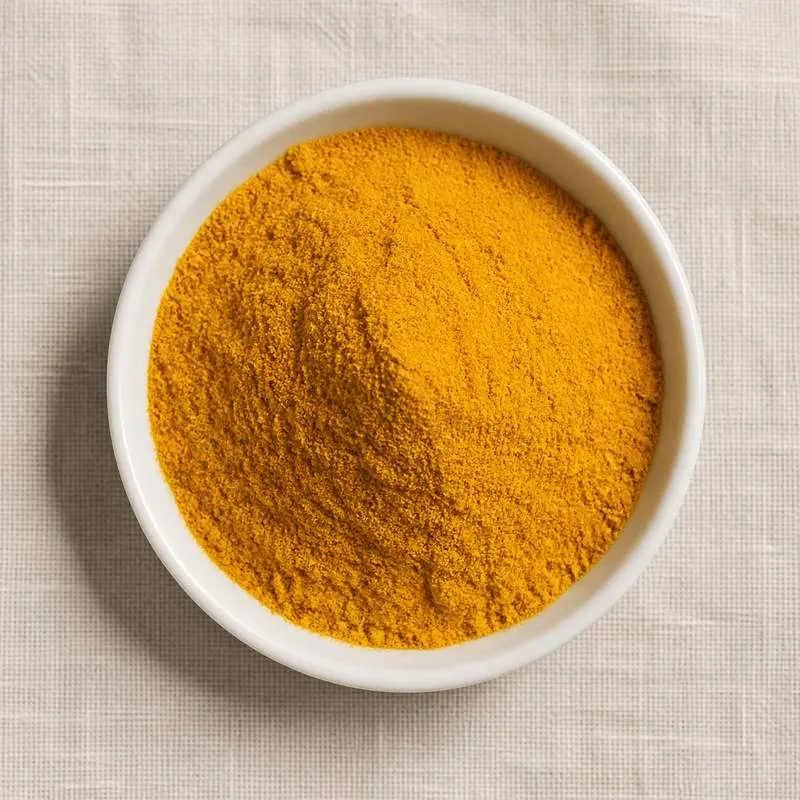
| Appearance | Yellow-brown to dark brown fine powder |
| Nuciferine (HPLC) | 2–98% (grade) |
| Total Flavonoids (UV) | ≥10% |
| Moisture | ≤5.0% |
| Ash | ≤5.0% |
| Extraction Solvent | Water / ethanol |
| Ratio | 10:1 to 20:1 |
| Particle Size (80 mesh) | ≥95% |
| Heavy Metals (as Pb) | ≤2 mg/kg |
| Total Plate Count | ≤10,000 cfu/g |
| Salmonella | Absent in 25g |
| Purity (Food Grade) | 2% Nuciferin |
| Certification and Qualification | USDA NOP, HALAL, KOSHER |
Common Markets Grades
Lotus leaf extract is graded by either total flavonoids or total alkaloids, depending on the intended application.
Total flavonoid grades, measured as nuciferine-free hyperoside or quercetin equivalents, span 2 percent to 30 percent. The 5 percent and 10 percent grades are the workhorses of low-cost weight-management tablets and teas.
Total alkaloid grades, measured by HPLC against a nuciferine reference, range from 2 percent up to 20 percent. The 5 percent and 10 percent alkaloid grades sit at the centre of the premium supplement category.
Pure nuciferine isolates at 98 percent and above are produced for research and high-end formulation work.
Polysaccharide grades at 10 to 30 percent target gut-health and immune formulas.
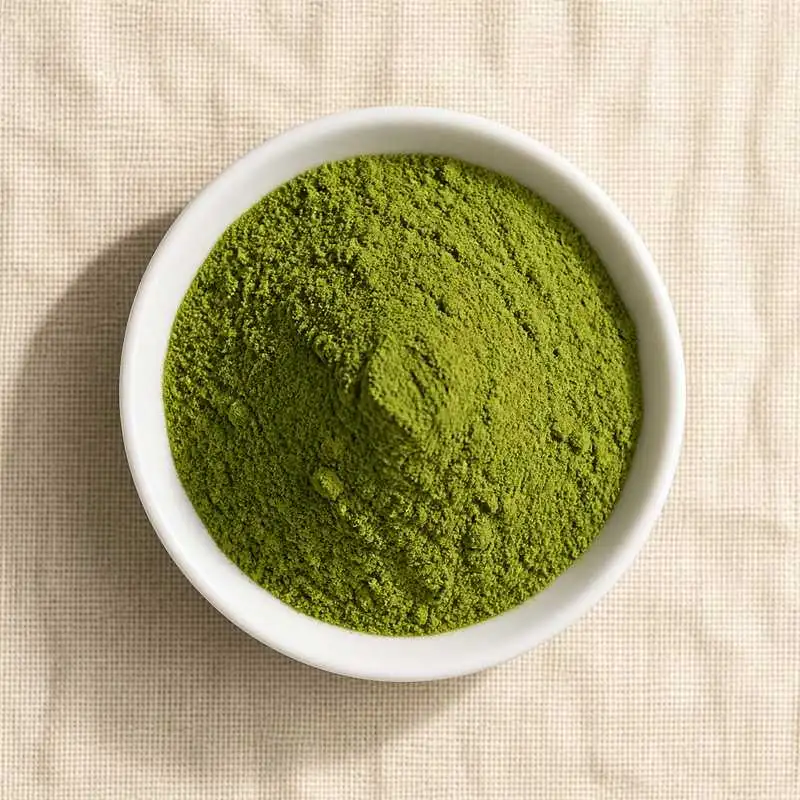
Material is typically a brown to greenish-brown free-flowing powder, with granulated versions for direct compression and water-soluble spray-dried grades for stickpacks and ready-to-drink beverages.
Applications
- Weight-management capsules and tablets in slim-tea and fat-burner positioning
- Lipid-support formulas paired with red yeast rice, policosanol, or plant sterols
- Functional teas in the slimming, detox, and after-meal categories
- Stickpacks and effervescent tablets for post-meal fat-metabolism support
- Traditional Chinese Medicine preparations using He Ye for heat-clearing and dampness-resolving actions
- Sleep and relaxation blends leveraging nuciferine's reported dopaminergic activity
- Skincare ingredients targeting sebum control and oily-skin formulations
- Sports-nutrition recomposition stacks alongside green tea and L-carnitine
- Ready-to-drink herbal beverages in the summer-cooling tea segment
- Hair-care actives in scalp-balancing shampoos and tonics
- Pet supplements for overweight dogs and cats
- Powder blends for meal-replacement shakes positioned on satiety
Brands Using Lotus Leaf Extract
Widely-distributed consumer products that list Lotus Leaf Extract on the ingredient label.
- Lecharm TeaPremium Lotus Leaf Herbal Tea Sachets ↗Tea sachets of lotus leaf (Nelumbo nucifera), a single-ingredient herbal tea.Label verified 2026-05-24
- Blue Mountain Tea CoOrganic Lotus Leaf Tea ↗A single-ingredient organic Nelumbo nucifera lotus leaf herbal tea.Label verified 2026-05-24
Brand names, product names and logos are the property of their owners. They appear here as published evidence that the ingredient is used, taken from the brand's own label or website. Their appearance is not an endorsement, and it does not mean the brand buys from us or from any manufacturer listed on this site.
China Manufacturers of Lotus Leaf Extract
Top Lotus Leaf Extract manufacturers in China.

Company names and logos are the property of the manufacturers themselves. They are listed here because our own directory records them as producing this ingredient. A listing is not an endorsement by them, and we do not represent them or speak on their behalf.
How We Help Source Lotus Leaf Extract
Direct Factory Sourcing
We run the whole process: selecting the manufacturer from the top Chinese food ingredient producers, negotiating the price, verifying quality, and coordinating the logistics. You deal with us instead of with several factories at once.
Original Packaging and Documents from the Manufacturer
The manufacturer sends your Lotus Leaf Extract out of its own factory in the original packing, through to your destination port. The COA, COO, MSDS, TDS and any certifications reach you from the manufacturer as well.
Free Samples and Lead Time
We send 100 to 500 g free for your own laboratory to test and you cover only the courier, usually within 2 to 3 working days. ETD is usually within 7 to 15 days once the order is confirmed, and we check that date against the factory's own manufacturing schedule before we give it to you.
Combined Shipment
We can load Lotus Leaf Extract together with other ingredients such as Astaxanthin, Dehydrated Garlic and Lutein into one 20' FCL. If your quantity is small, we can also ship LCL.
Regulatory Status
Lotus leaf has a long history as both a food wrapper and a medicinal herb in East and South Asia.
In China the leaf is included on the official list of substances that are both food and traditional Chinese medicine, allowing its use in foods, beverages, and dietary supplements.
In the United States lotus leaf extracts are marketed as dietary-supplement ingredients under DSHEA. Conventional-food use is supported by self-affirmed GRAS opinions for specific commercial preparations.
In the European Union lotus leaf has a pre-1997 history of food use in some member states, but standardised alkaloid-enriched extracts may trigger novel-food assessment depending on process and concentration.
In Japan lotus leaf preparations are sold in the Foods with Function Claims and general food-supplement channels.
Manufacturing Process
Cultivated lotus ponds across central and southern China, Vietnam, and parts of India supply the leaf raw material. Hubei and Hunan provinces are the dominant Chinese sources.
Leaves are harvested in summer when alkaloid content peaks, then sun-dried or low-temperature oven-dried. Drying conditions matter because aporphine alkaloids degrade under prolonged heat and UV exposure.
For flavonoid grades the dried leaf is extracted with 50 to 70 percent ethanol, filtered, concentrated under vacuum, and spray-dried.
For alkaloid-enriched grades the crude extract is acidified, defatted with a non-polar solvent, basified, and partitioned into chloroform or dichloromethane. The alkaloid-rich organic phase is concentrated and adsorbed on silica or macroporous resin, then eluted in an ethanol gradient to deliver 5, 10, or 20 percent nuciferine-standardised material.
Pure nuciferine is obtained by crystallisation from the enriched alkaloid fraction.
HPLC with UV detection at 270 nm is the standard alkaloid assay, while flavonoids are read by UV-Vis colorimetry or HPLC against a hyperoside standard.