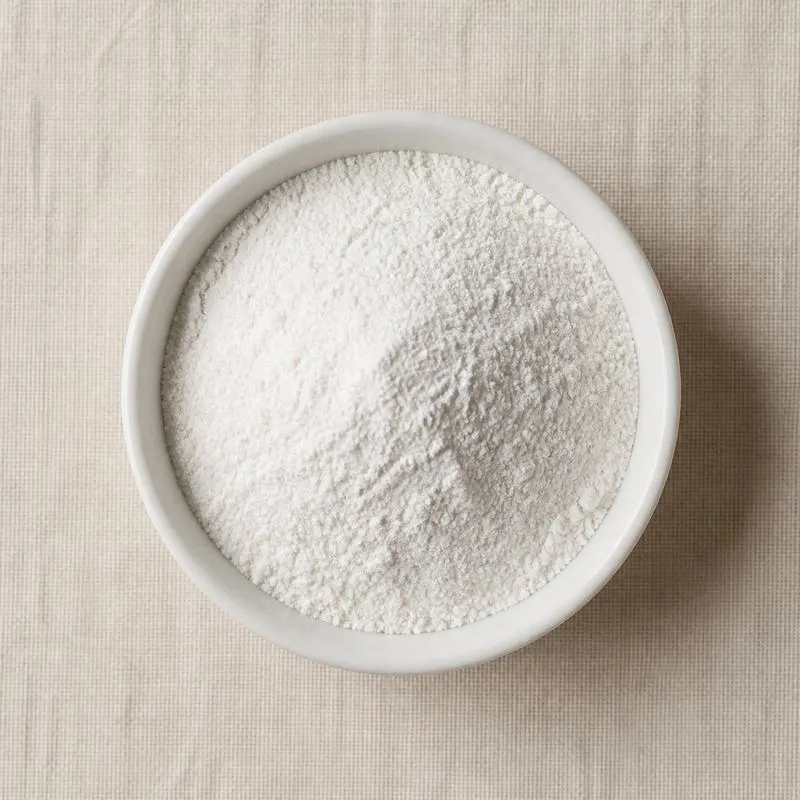
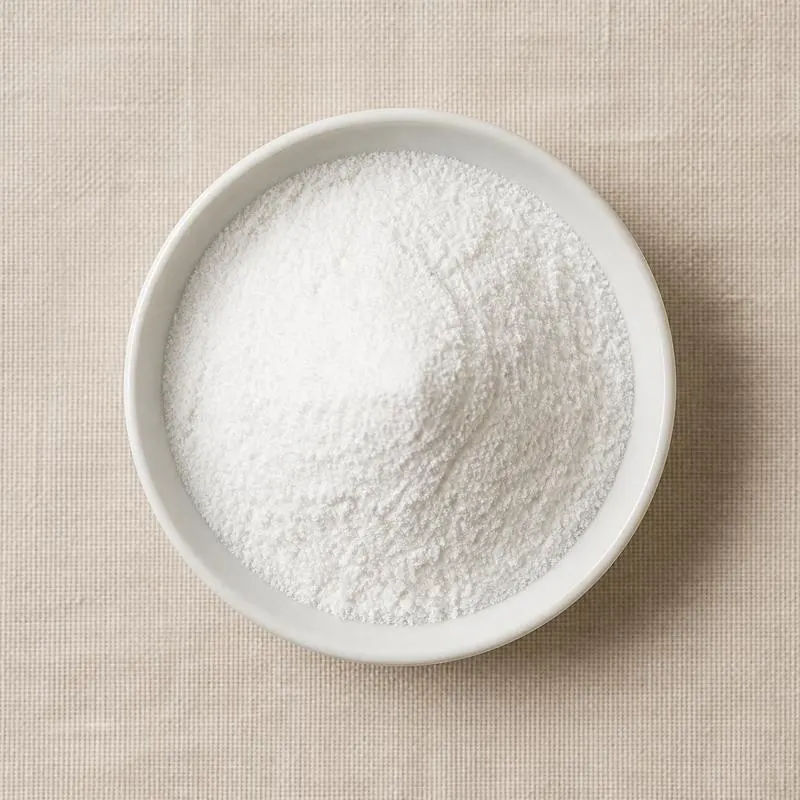
Magnesium Bisglycinate
Magnesium Bisglycinate is a fully chelated mineral salt in which one magnesium ion is bound to two molecules of the amino acid glycine through covalent bonds at the carboxyl and amino positions.
The compound carries the molecular formula Mg(C₂H₄NO₂)₂ and CAS number 14783-68-7. It is regarded as the premium oral magnesium source thanks to a near-neutral pH, high elemental magnesium bioavailability, and a gentle profile in the gastrointestinal tract.
We source bulk Magnesium Bisglycinate from top China manufacturers for our partners. The manufacturers are in Hebei. A smaller requirement can ship in a combined container with other ingredients.
Please send the grade you need, the volume and your destination port, and we will come back with a solution and a price.
or call +86-21-6858 0751
- Packaging
- 25 kg kraft paper bag with PE inner liner
- ISO 9001
- HACCP
- Halal
- Kosher
Specifications
Grades / Types Available: Food Grade, Pharmaceutical Grade
| Item | Specification |
|---|---|
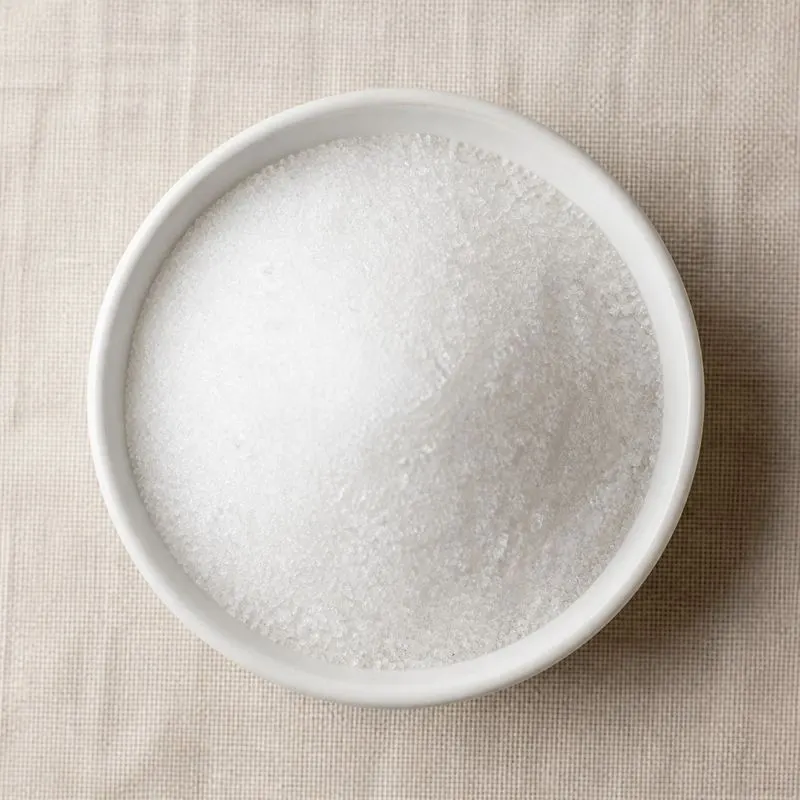
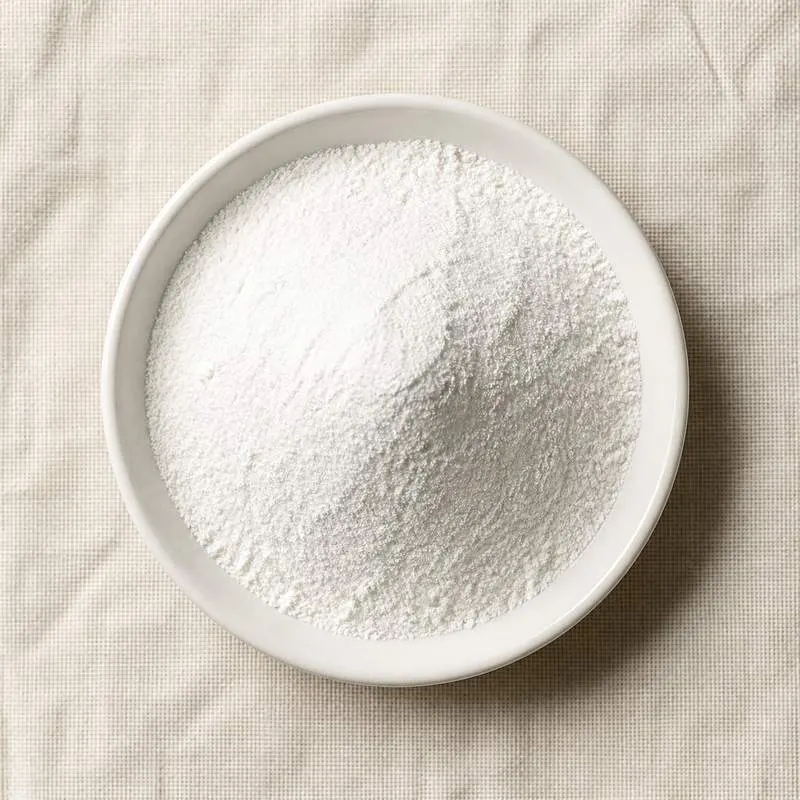
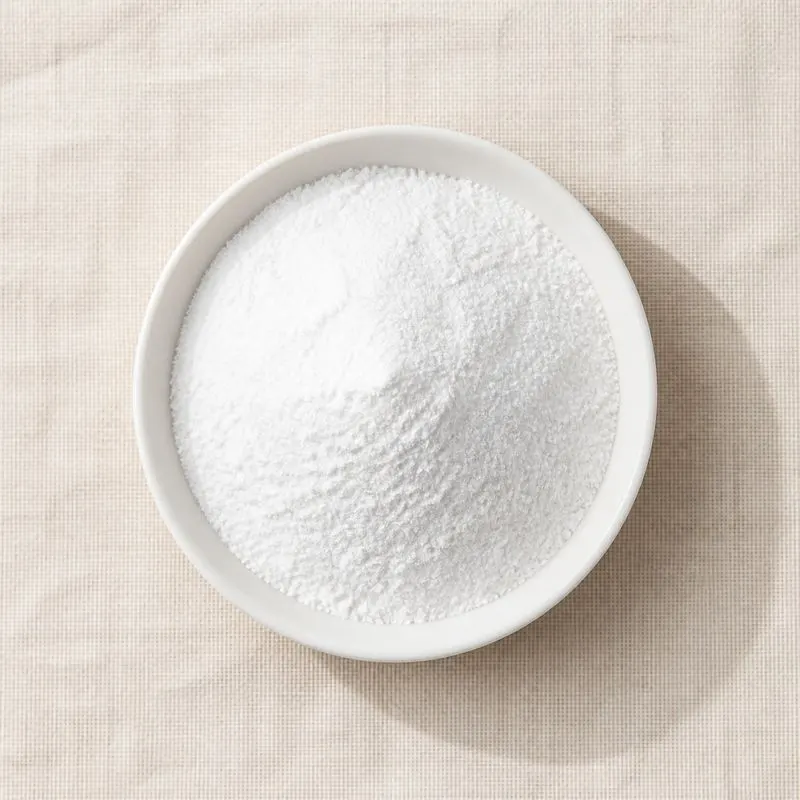
| Appearance | White to off-white powder |
| Assay | ≥ 98.0% |
| Magnesium Content | ≥ 11% |
| Glycine Content | ≥ 60% |
| Loss on Drying | ≤ 2.0% |
| Heavy Metals (as Pb) | ≤ 10 mg/kg |
| Purity/Assay | 98% min (Food Grade) |
| Moisture/Loss on Drying | 5% max |
| pH | 6.0 - 8.0 |
| Lead | 2 ppm max |
| Arsenic | 1 ppm max |
| Total Plate Count | 1000 cfu/g max |
| Yeast & Mold | 100 cfu/g max |
Common Markets Grades
Commercial supply is segmented by chelation degree and elemental magnesium content.
The pharmaceutical-grade fully reacted bisglycinate carries 14 to 16 percent elemental magnesium and meets USP and Ph. Eur. limits for heavy metals, residual solvents, and microbiological purity.
A buffered grade adds magnesium oxide to lift the elemental load to 18 to 20 percent. The buffering reduces tablet size for high-dose products but introduces a partially chelated character.
Granular and direct-compression grades are produced for tablet and stick-pack manufacture, while fine-mesh powders feed capsule and sachet lines. Taste-masked variants exist for chewables and gummies, where the inherent mild flavour of glycine already supports good palatability.
Applications
- Standalone magnesium supplements in capsules, tablets, and softgels for daily mineral support
- Sleep, relaxation, and stress-management formulas, often paired with L-theanine, GABA, or melatonin
- Sports-nutrition products targeting muscle function, cramp recovery, and electrolyte replenishment
- Women's health blends addressing premenstrual symptoms and pregnancy supplementation
- Bone-health combinations alongside calcium, vitamin D₃, vitamin K₂, and boron
- Functional beverages and ready-to-mix powders where low bitterness is required
- Medical foods and clinical-nutrition products for patients with malabsorption or low dietary magnesium
- Pediatric and senior multivitamins where gentle GI tolerance is a selling point
- Veterinary nutrition for working dogs and equine performance supplements
Brands Using Magnesium Bisglycinate
Widely-distributed consumer products that list Magnesium Bisglycinate on the ingredient label.
- ThorneMagnesium Bisglycinate (powder) ↗Each scoop delivers 200 mg of magnesium as magnesium bisglycinate chelate; NSF Certified for Sport.Label verified 2026-05-24
- ThorneMagnesium Bisglycinate Travel Packs ↗Single-serve stick packs supplying magnesium bisglycinate chelate per stick.Label verified 2026-05-24
- Pure EncapsulationsMagnesium Glycinate (Chelate) ↗Highly bioavailable magnesium bisglycinate chelate; 120 mg magnesium per capsule.Label verified 2026-05-24
- Designs for HealthMagnesium Glycinate Complex (formerly Magnesium Buffered Chelate) ↗Provides TRAACS Magnesium Bisglycinate Chelate Buffered (magnesium bisglycinate chelate plus magnesium oxide) at 150 mg elemental magnesium per capsule.Label verified 2026-05-24
- Klaire Labs (SFI Health)Magnesium Glycinate Complex ↗Chelated magnesium bisglycinate complex delivering 100 mg magnesium per capsule.Label verified 2026-05-24
- Bluebonnet NutritionMagnesium Glycinate 400 mg ↗Formulated with 400 mg magnesium from Albion-sourced magnesium bisglycinate chelate.Label verified 2026-05-24
Brand names, product names and logos are the property of their owners. They appear here as published evidence that the ingredient is used, taken from the brand's own label or website. Their appearance is not an endorsement, and it does not mean the brand buys from us or from any manufacturer listed on this site.
China Manufacturers of Magnesium Bisglycinate
Top Magnesium Bisglycinate manufacturers in China.
 Hebei Changhao Biotechnology Co., Ltd.10 ingredients in the directory
 Hebei LiWellso Biotech Co.,Limited11 ingredients in the directory
Company names and logos are the property of the manufacturers themselves. They are listed here because our own directory records them as producing this ingredient. A listing is not an endorsement by them, and we do not represent them or speak on their behalf.
How We Help Source Magnesium Bisglycinate
Direct Factory Sourcing
We run the whole process: selecting the manufacturer from the top Chinese food ingredient producers, negotiating the price, verifying quality, and coordinating the logistics. You deal with us instead of with several factories at once.
Original Packaging and Documents from the Manufacturer
The manufacturer sends your Magnesium Bisglycinate out of its own factory in the original packing, through to your destination port. The COA, COO, MSDS, TDS and any certifications reach you from the manufacturer as well.
Free Samples and Lead Time
We send 100 to 500 g free for your own laboratory to test and you cover only the courier, usually within 2 to 3 working days. ETD is usually within 7 to 15 days once the order is confirmed, and we check that date against the factory's own manufacturing schedule before we give it to you.
Combined Shipment
We can load Magnesium Bisglycinate together with other ingredients such as Sodium Acetate, Calcium Citrate and Sodium Lactate into one 20' FCL. If your quantity is small, we can also ship LCL.
Regulatory Status
Magnesium Bisglycinate is permitted as a magnesium source in food supplements across the major regulated markets.
The European Food Safety Authority evaluated bisglycinate in 2018 and added it to Annex II of Regulation (EU) No 609/2013 for use in food for specific groups, and to Directive 2002/46/EC for general food supplements.
In the United States, the ingredient is recognised as a permitted source of magnesium under 21 CFR 184.1431 and related provisions, with monographs published in the Food Chemicals Codex.
The United States Pharmacopeia and the European Pharmacopoeia both cover the ingredient. Kosher and Halal certifications are routine, as no animal-derived inputs are used in the synthesis.
Manufacturing Process
Industrial synthesis proceeds through a one-pot aqueous reaction between magnesium oxide or magnesium hydroxide and food-grade glycine.
A stoichiometric 2 to 1 ratio of glycine to magnesium is held under controlled heating with continuous stirring. The reaction shifts to chelate as water of reaction is driven off, with the slurry thickening as chelation proceeds.
The wet mass is dried under vacuum or in fluid-bed dryers to lock the chelate structure in place. Excessive drying temperature is avoided, as glycine decomposition above 230 degrees Celsius would lower the assay.
The dried cake is milled, screened, and blended to target particle size. Fourier-transform infrared spectroscopy is used to confirm chelation, with the absence of free carboxyl stretching at 1700 cm⁻¹ taken as proof that the magnesium ion is fully coordinated.
Major producers include Albion Laboratories (now Balchem) in the United States, who hold the original patent on the reacted-chelate process, alongside Indian and Chinese manufacturers that have built capacity over the past decade.