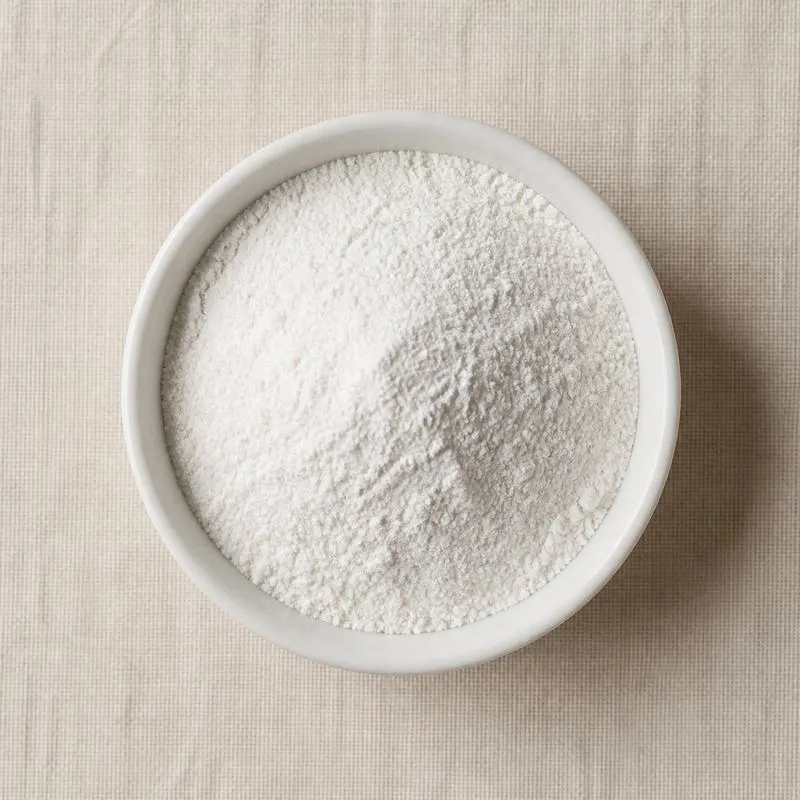
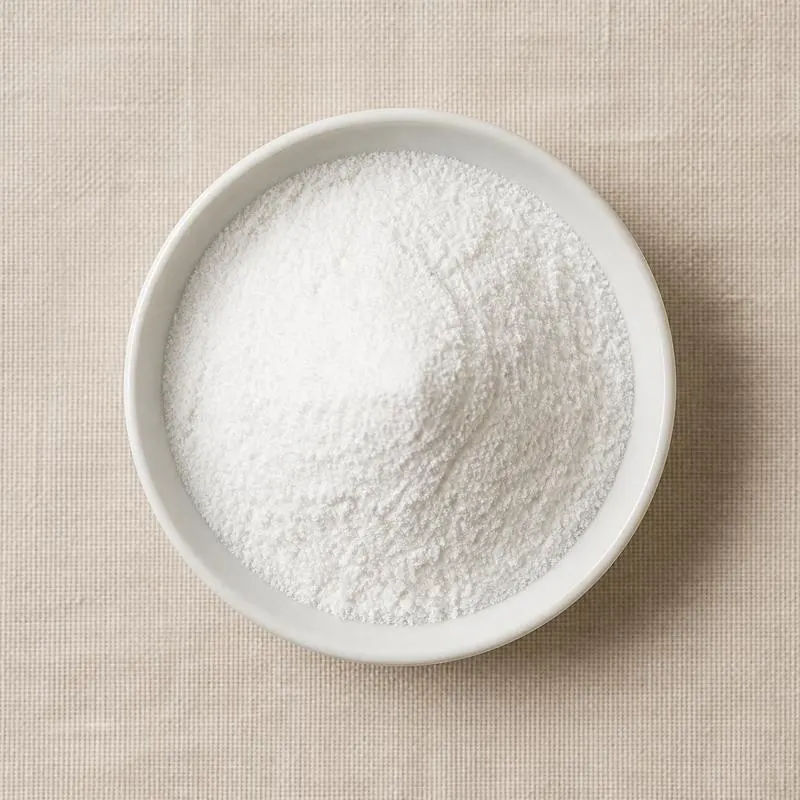
Magnesium Glycinate
Magnesium Glycinate is the commercial supplement category that covers magnesium salts of glycine, ranging from fully chelated bisglycinate to partially chelated monoglycinate and buffered blends.
The category sits at the well-tolerated end of the magnesium spectrum and competes with oxide, citrate, and malate forms across capsule, tablet, and powder applications.
We source bulk Magnesium Glycinate from top China manufacturers for our partners, working with several of them. The manufacturers are in Shandong, Jiangsu and Hebei. A smaller requirement can ship in a combined container with other ingredients.
Please send the grade you need, the volume and your destination port, and we will come back with a solution and a price.
or call +86-21-6858 0751
- Packaging
- 25 kg kraft paper bag with PE inner liner
- ISO 9001
- HACCP
- Halal
- Kosher
Specifications
| Item | Specification |
|---|---|
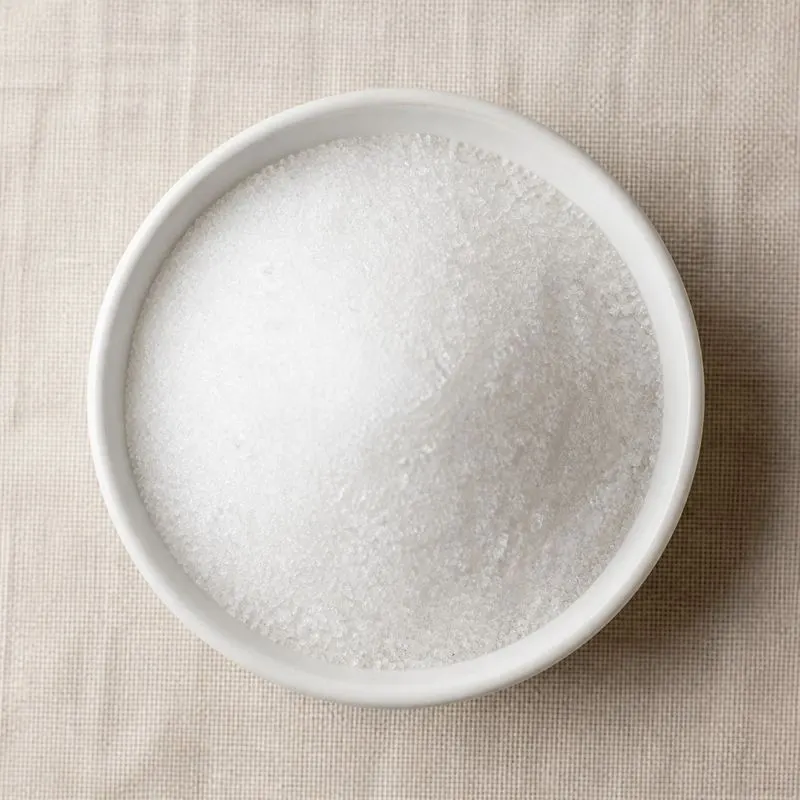
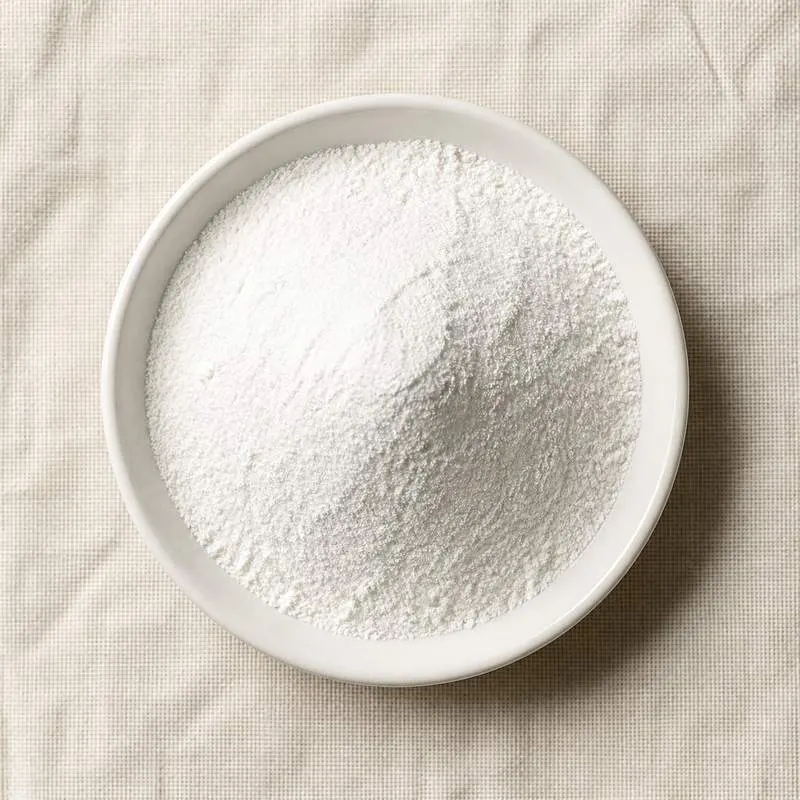
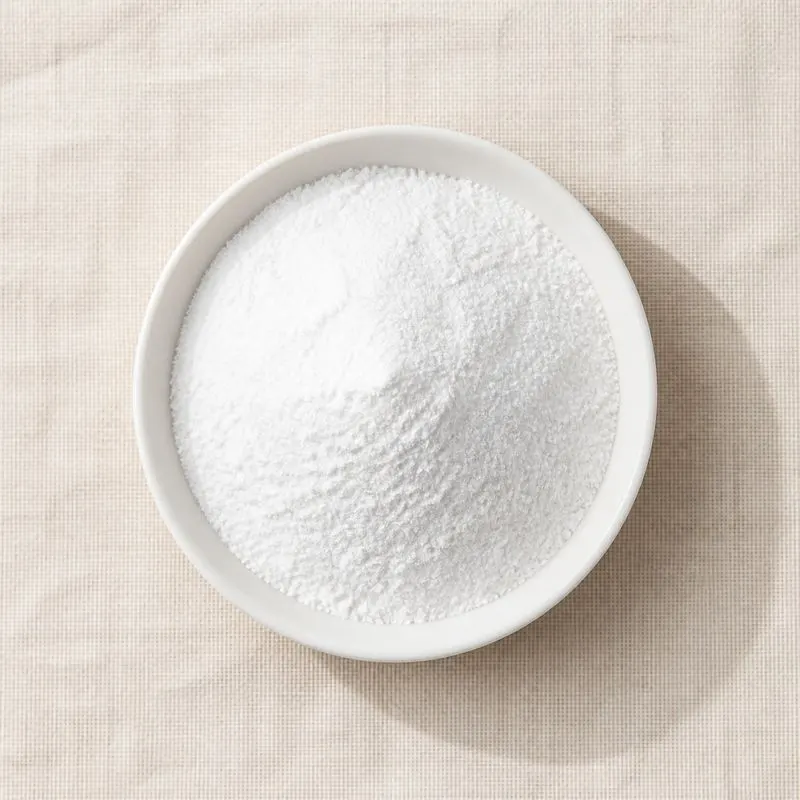
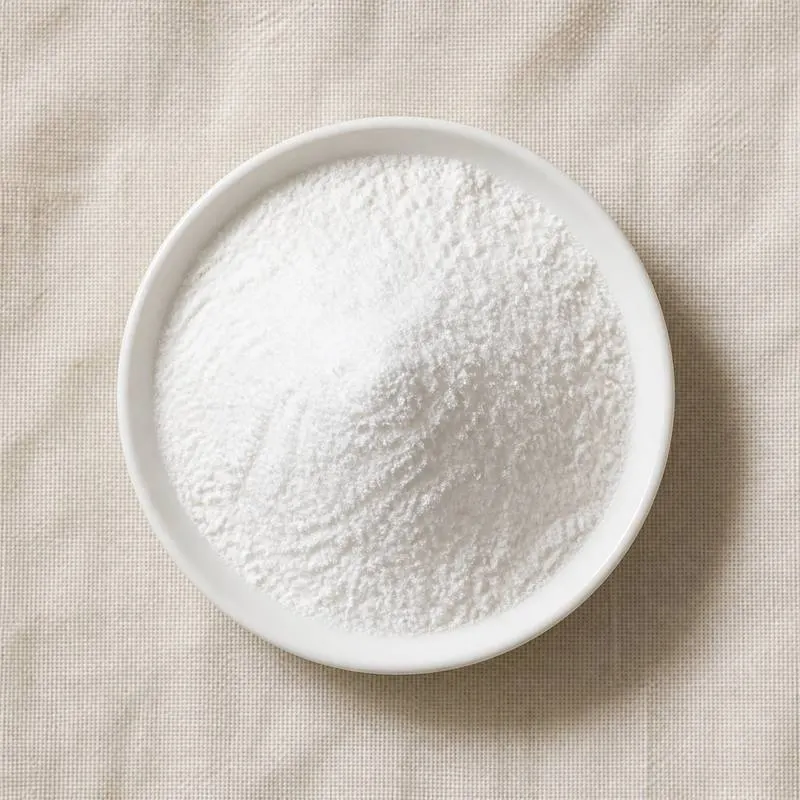
| Appearance | White to off-white odorless free-flowing powder |
| Assay (dry basis) | ≥ 97.0% |
| Magnesium content | 11.0% to 20.0% (grade-dependent) |
| Glycine content | ≥ 70.0% (fully reacted grade) |
| Chelation | Confirmed by FTIR fingerprint |
| Loss on drying | ≤ 5.0% |
| pH (5% solution) | 7.0 to 9.0 |
| Heavy metals (as Pb) | ≤ 3 mg/kg |
| Arsenic | ≤ 2 mg/kg |
| Total plate count | ≤ 1000 CFU/g |
| Yeast and mold | ≤ 100 CFU/g |
| Particle size | Per customer specification |
Common Markets Grades
Industry usage of the name spans several technical specifications.
Fully reacted bisglycinate, the premium tier, delivers 14 to 16 percent elemental magnesium with a 2 to 1 glycine to magnesium ratio. This is the grade most cited in clinical literature.
Buffered magnesium glycinate adds magnesium oxide to the chelate to lift the elemental load to 18 to 20 percent. The composition reduces capsule and tablet size at the cost of a partly inorganic profile.
Monoglycinate, in which only one glycine occupies the coordination sphere, is sold as a lower-cost option with 22 to 24 percent elemental magnesium. Bioavailability sits between the bisglycinate and the buffered grade.
Direct-compression and high-flow granulations support tablet lines, while fine micronized powders suit hard-shell capsules and stick-pack sachets.
Applications
- General-purpose magnesium supplements in capsule, tablet, and softgel formats
- Sleep and relaxation formulas, where glycine itself contributes mild calming activity
- Stress and mood blends paired with B-complex vitamins and adaptogens
- Sports recovery and muscle-cramp products for endurance athletes
- Women's health supplements for premenstrual support and prenatal nutrition
- Bone-health stacks with calcium, vitamin D₃, and vitamin K₂
- Functional beverages and effervescent powders requiring a low-bitter mineral source
- Medical food and clinical-nutrition products for patients with chronic low magnesium
- Senior multivitamins where GI tolerance drives compliance
- Veterinary nutrition for performance horses and working dogs
Brands Using Magnesium Glycinate
Widely-distributed consumer products that list Magnesium Glycinate on the ingredient label.
- NOW FoodsMagnesium Glycinate Tablets ↗Each 2-tablet serving provides 200 mg elemental magnesium from 2,000 mg Magnesium Bisglycinate (Albion).Label verified 2026-05-24
- Doctor's BestHigh Absorption Magnesium Glycinate Lysinate 100 mg Tablets ↗100% chelated magnesium bisglycinate / lysinate using Albion TRAACS technology; 100 mg per tablet.Label verified 2026-05-24
- Nature MadeHigh Absorption Magnesium Glycinate Gummies (100 mg) ↗Chelated magnesium bisglycinate gummies delivering 100 mg magnesium per 2-gummy serving.Label verified 2026-05-24
- SolgarMagnesium Glycinate Vegetable Capsules (120 mg) ↗Highly bioavailable magnesium glycinate at 120 mg per vegetable capsule.Label verified 2026-05-24
- Pure EncapsulationsMagnesium Glycinate (Chelate) ↗Professional-grade magnesium glycinate chelate, 120 mg magnesium per capsule.Label verified 2026-05-24
- ThorneMagnesium Bisglycinate (powder) ↗Powdered magnesium glycinate (bisglycinate) supplying 200 mg magnesium per scoop.Label verified 2026-05-24
Brand names, product names and logos are the property of their owners. They appear here as published evidence that the ingredient is used, taken from the brand's own label or website. Their appearance is not an endorsement, and it does not mean the brand buys from us or from any manufacturer listed on this site.
China Manufacturers of Magnesium Glycinate
Top Magnesium Glycinate manufacturers in China.
 Jiangsu Quanjia Shun Health Technology Co., Ltd.12 ingredients in the directory
 Penglai Marine (Shandong) Co., Ltd.10 ingredients in the directory
 Shijiazhuang Donghua Jinlong Chemical Co., Ltd.9 ingredients in the directory
 Yantai Zhaoyi Biochnology Co., Ltd.5 ingredients in the directory
Company names and logos are the property of the manufacturers themselves. They are listed here because our own directory records them as producing this ingredient. A listing is not an endorsement by them, and we do not represent them or speak on their behalf.
How We Help Source Magnesium Glycinate
Direct Factory Sourcing
We run the whole process: selecting the manufacturer from the top Chinese food ingredient producers, negotiating the price, verifying quality, and coordinating the logistics. You deal with us instead of with several factories at once.
Original Packaging and Documents from the Manufacturer
The manufacturer sends your Magnesium Glycinate out of its own factory in the original packing, through to your destination port. The COA, COO, MSDS, TDS and any certifications reach you from the manufacturer as well.
Free Samples and Lead Time
We send 100 to 500 g free for your own laboratory to test and you cover only the courier, usually within 2 to 3 working days. ETD is usually within 7 to 15 days once the order is confirmed, and we check that date against the factory's own manufacturing schedule before we give it to you.
Combined Shipment
We can load Magnesium Glycinate together with other ingredients such as Sodium Acetate, Calcium Citrate and Sodium Lactate into one 20' FCL. If your quantity is small, we can also ship LCL.
Regulatory Status
Magnesium Glycinate is approved as a permitted magnesium source in food supplements throughout the major regulated markets.
The European Commission lists magnesium bisglycinate in Annex II of Directive 2002/46/EC, following a 2018 EFSA opinion that confirmed safety at typical supplement doses.
In the United States, the category falls under the recognised magnesium salts of food-grade amino acids. Manufacturer self-affirmed GRAS dossiers support its use in foods and beverages, while the Food Chemicals Codex provides identity and purity benchmarks.
Pharmacopoeial coverage exists for the bisglycinate form in the USP. Halal and Kosher certifications are widely available, since the manufacturing process uses no animal-derived inputs.
Manufacturing Process
The manufacturing route varies with the chelation degree targeted.
For the fully chelated bisglycinate tier, magnesium oxide or hydroxide is reacted with two molar equivalents of glycine in aqueous slurry. The mixture is heated under controlled stir to drive off water of reaction and complete the chelate formation.
Buffered grades carry the same reaction forward but with a deliberate excess of magnesium oxide blended into the dried mass. The result is a single-step manufactured powder containing both chelated and inorganic magnesium.
Monoglycinate production uses a 1 to 1 glycine to magnesium ratio with shorter reaction times. The lower chelation degree gives higher elemental content but a less stable coordination sphere.
All grades are dried under vacuum or in fluid-bed dryers, then milled and screened to specification. Quality control relies on FTIR confirmation of carboxyl coordination, atomic absorption for elemental magnesium, and Ph. Eur. or USP methods for residual heavy metals.