Magnesium L-Aspartate
Magnesium L-aspartate is the magnesium salt of L-aspartic acid, an organic acid mineral salt in which one magnesium ion is held by the carboxylate groups of two aspartate anions. It is used as a nutritional magnesium source, with the aspartate acting as the carrier ligand. Depending on hydration, commercial material carries roughly 7 to 10 percent elemental magnesium.
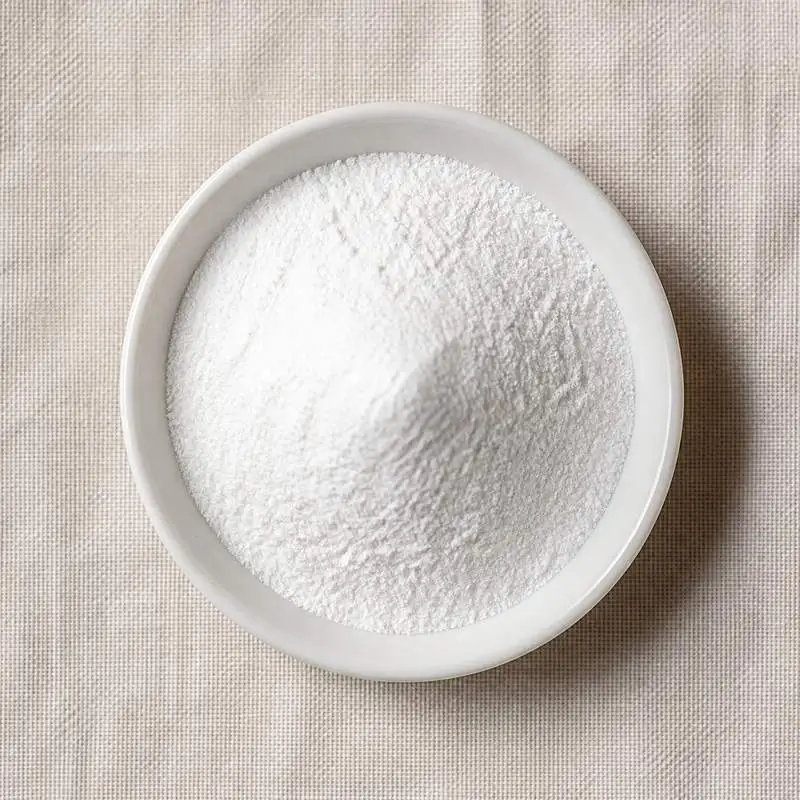
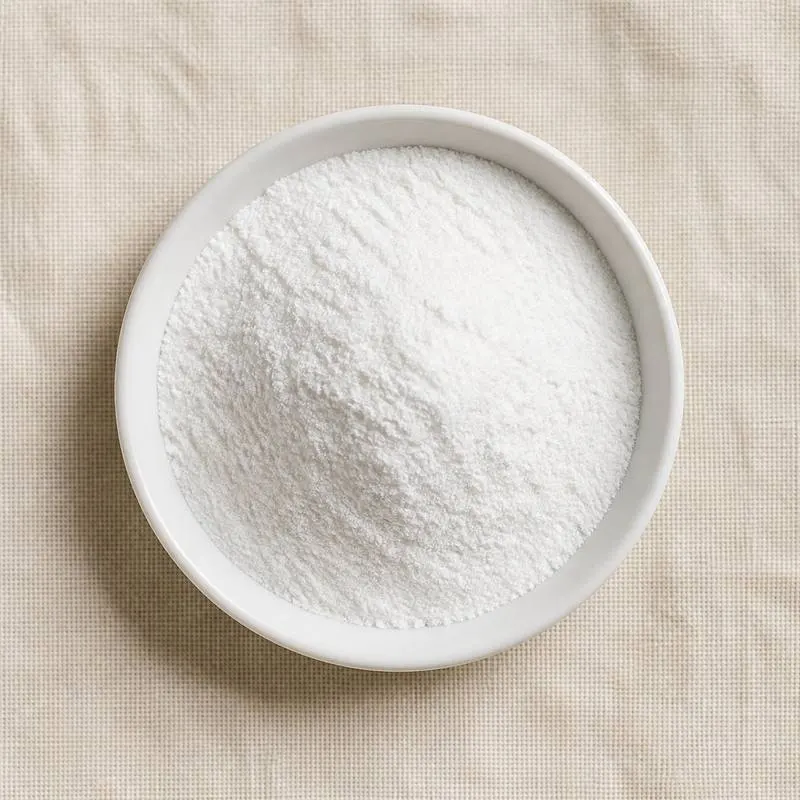
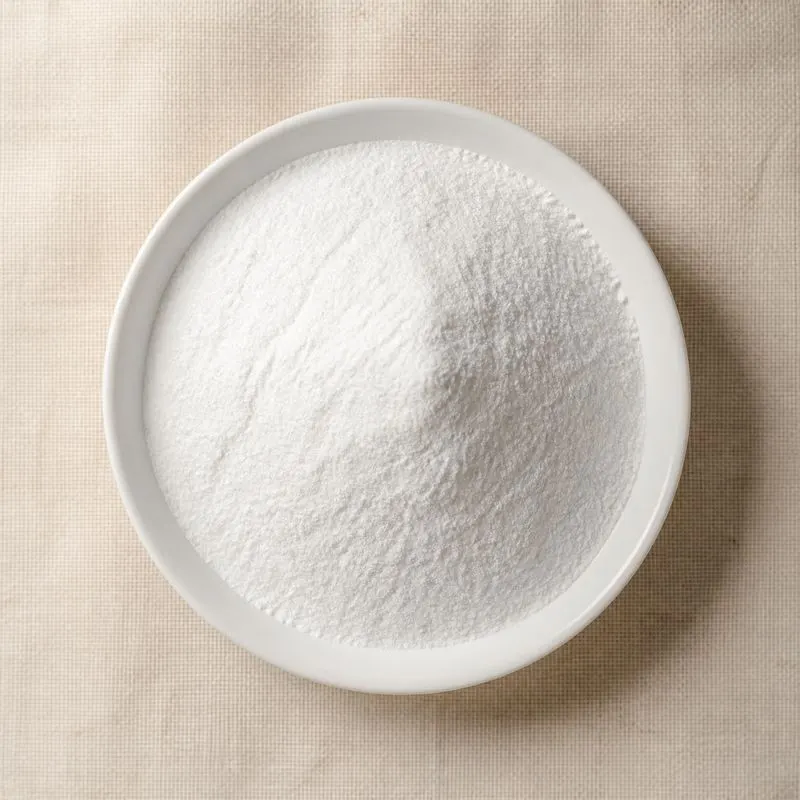
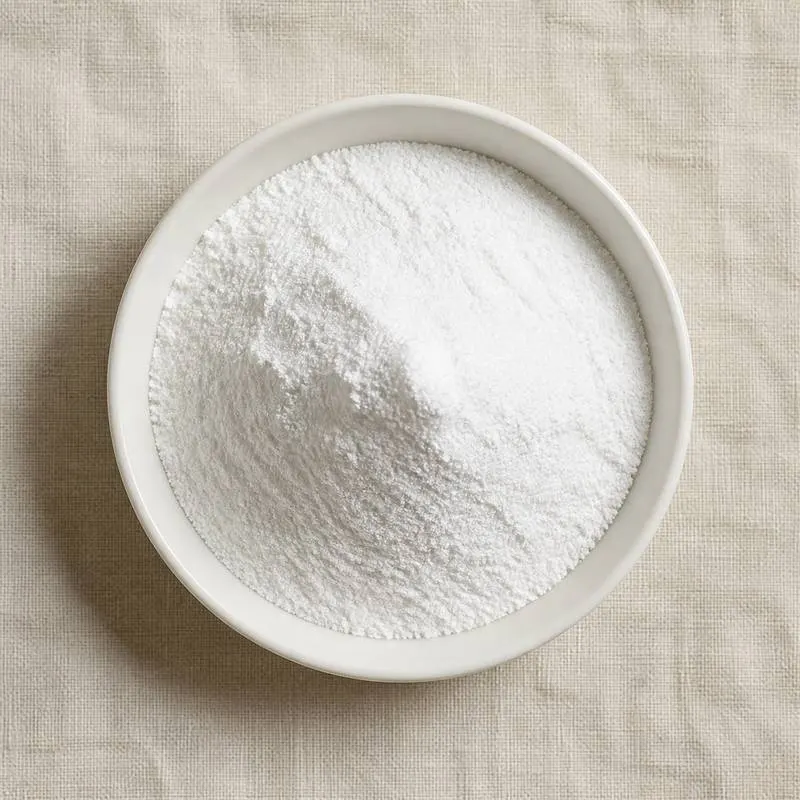
The traded product is a white crystalline powder, odourless, faintly bitter, and appreciably soluble in water compared with magnesium oxide or magnesium carbonate. It is practically insoluble in ethanol and gives a near neutral solution between pH 6.0 and 8.0. The dry solid is mildly hygroscopic and stable at ambient temperature.
Solubility decides its selection. Magnesium oxide carries far more magnesium per gram but dissolves poorly, and the undissolved fraction draws water into the gut, which is why high oxide doses have a laxative effect. An organic acid salt dissolves readily, is absorbed over a larger stretch of the small intestine and is better tolerated at a given magnesium dose, at the cost of a much larger tablet or serving to deliver the same declared amount.
We source bulk Magnesium L-Aspartate from top China manufacturers for our partners, working with several of them. The manufacturers are in Hebei, Zhejiang and Anhui. A smaller requirement can ship in a combined container with other ingredients.
Please send the grade you need, the volume and your destination port, and we will come back with a solution and a price.
or call +86-21-6858 0751
- Function
- Amino acid
Specifications
| Item | Specification |
|---|---|
| Appearance | White crystalline powder, odourless |
| Magnesium content, dried basis | 7.0 to 10.0 percent, per grade |
| Identification | Positive for magnesium and for L-aspartate |
| Specific rotation | Plus 20.0 to plus 24.0 degrees |
| Loss on Drying, 105 degrees Celsius | Not more than 25.0 percent for the tetrahydrate |
| pH, 1 percent aqueous solution | 6.0 to 8.0 |
| Free L-aspartic acid | Not more than 1.0 percent |
| Chloride as Cl | Not more than 0.05 percent |
| Sulphate as SO4 | Not more than 0.05 percent |
| Lead | Not more than 1 mg/kg |
| Arsenic | Not more than 1 mg/kg |
| Cadmium | Not more than 0.5 mg/kg |
| Total Plate Count | Not more than 1000 CFU/g |
| E. coli and Salmonella | Absent in 10 g and in 25 g |
Common Markets Grades
Magnesium L-aspartate is specified by elemental magnesium content rather than by molecular assay, because the formulator is working to a declared magnesium figure. Food and supplement grade declarations typically run from 7.0 percent minimum for the tetrahydrate through to around 10 percent for a dried grade. A pharmaceutical grade meeting the relevant pharmacopoeial requirements is available with tighter limits on related amino acids, residual solvents and microbiological counts. A feed grade is sold to looser heavy metal limits for premix use.
Physical options are limited to particle size and flow treatment. A standard powder through 80 mesh is used for capsules and wet granulation, a fine milled grade below 50 micrometres where blend uniformity at low inclusion is the concern, and a granulated or spray dried grade for direct compression. Buyers should confirm whether an offer is the L isomer or the racemic DL salt, and whether the magnesium figure quoted is on the as is or the dried basis, since the hydration state moves the number by several percentage points.
Applications
- Magnesium supplement tablets and capsules, chosen over the oxide where gastrointestinal tolerance at a full dose is the constraint
- Multivitamin and mineral premixes, delivering declared elemental magnesium in a soluble form
- Electrolyte and sports recovery formulations, commonly paired with potassium and calcium aspartates
- Effervescent tablets and instant drink powders, dissolving cleanly without the sediment that mineral oxides leave
- Muscle cramp and relaxation formulations, often combined with vitamin B6 which is claimed to support magnesium utilisation
- Clinical and enteral nutrition products, where mineral solubility affects both stability and whether the feeding tube stays clear
- Fortified beverages and dairy alternatives, at inclusion rates that stay below the bitterness threshold
- Cardiovascular and metabolic health supplements, in combination with potassium salts
- Animal feed and pet food mineral premixes, as an organic magnesium source in place of magnesium oxide
Brands Using Magnesium L-Aspartate
Widely-distributed consumer products that list Magnesium L-Aspartate on the ingredient label.
Brand names, product names and logos are the property of their owners. They appear here as published evidence that the ingredient is used, taken from the brand's own label or website. Their appearance is not an endorsement, and it does not mean the brand buys from us or from any manufacturer listed on this site.
China Manufacturers of Magnesium L-Aspartate
Top Magnesium L-Aspartate manufacturers in China.
 Hebei LiWellso Biotech Co.,Limited11 ingredients in the directory
- Zhejiang Tianrui Chemical Co., Ltd.7 ingredients in the directory
 Zymogreen (Huaibei) Food Technology Co.4 ingredients in the directory
Company names and logos are the property of the manufacturers themselves. They are listed here because our own directory records them as producing this ingredient. A listing is not an endorsement by them, and we do not represent them or speak on their behalf.
Regulatory Status
In the United States magnesium is a recognised essential nutrient with an established Daily Value, and magnesium salts of amino acids are used in dietary supplements under the Dietary Supplement Health and Education Act. 21 CFR 172.320 covers amino acids added to conventional foods for nutritive purposes, and a formulator adding magnesium L-aspartate to a conventional food rather than a supplement confirms that the regulation covers the specific compound rather than relying on the general status of magnesium as a nutrient.
In the European Union Annex II to Directive 2002/46/EC lists the magnesium compounds permitted in food supplements, and Annex II to Regulation (EC) No 1925/2006 lists those permitted for addition to foods. Both are closed lists of named salts, so the magnesium source has to appear by name for the market concerned. The compound has no E number, since it is used as a nutrient rather than a technological additive. The Joint FAO/WHO Expert Committee on Food Additives has assessed magnesium salts used as nutrient sources, and Codex advisory lists for nutrient compounds cover magnesium in its permitted forms.
Manufacturing Process
Production starts from L-aspartic acid, which is made industrially by the enzymatic amination of fumaric acid. Immobilised aspartase, usually from an Escherichia coli whole cell preparation, adds ammonia stereospecifically across the fumarate double bond in a continuous column, and the L-aspartic acid is recovered by acidifying the effluent to its isoelectric point so the free acid crystallises.
The purified acid is slurried in hot demineralised water and neutralised with magnesium hydroxide, magnesium oxide or magnesium carbonate, dosed incrementally so that the reaction stays under acid excess and the base dissolves as it is consumed. Carbonate feedstock evolves carbon dioxide, which is vented. Dosing stops when the endpoint pH stabilises. The hot liquor is held to drive the reaction to completion, then polish filtered to remove unreacted base and insoluble metal impurities. The clarified solution is concentrated under vacuum and the salt recovered by cooling crystallisation with centrifugation and fluid bed drying, or by spray drying where a free flowing powder is wanted. The dried solid is milled, screened and packed with a moisture barrier liner.