Malt Selenium
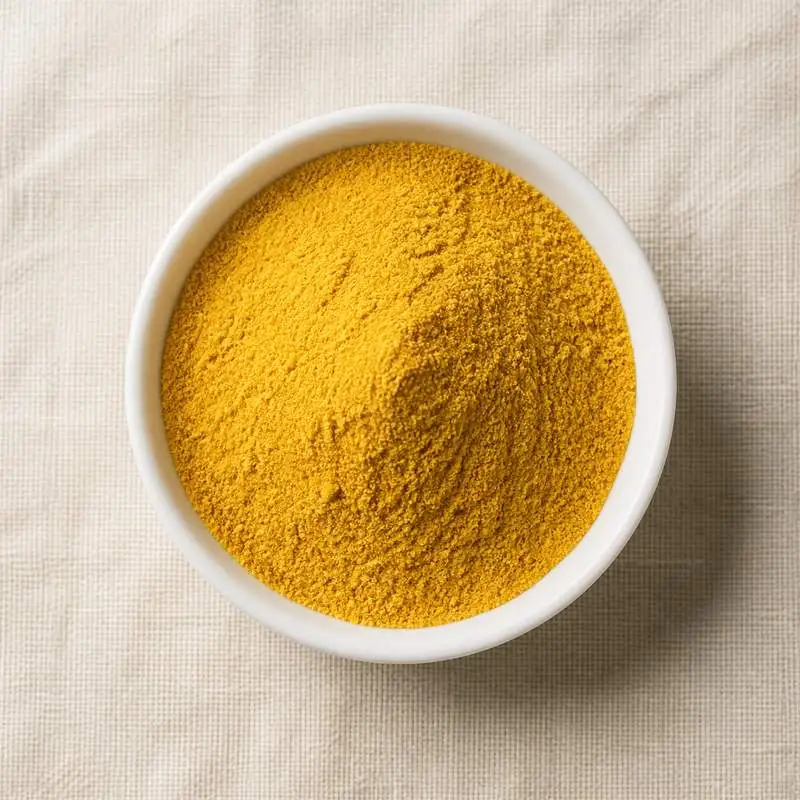
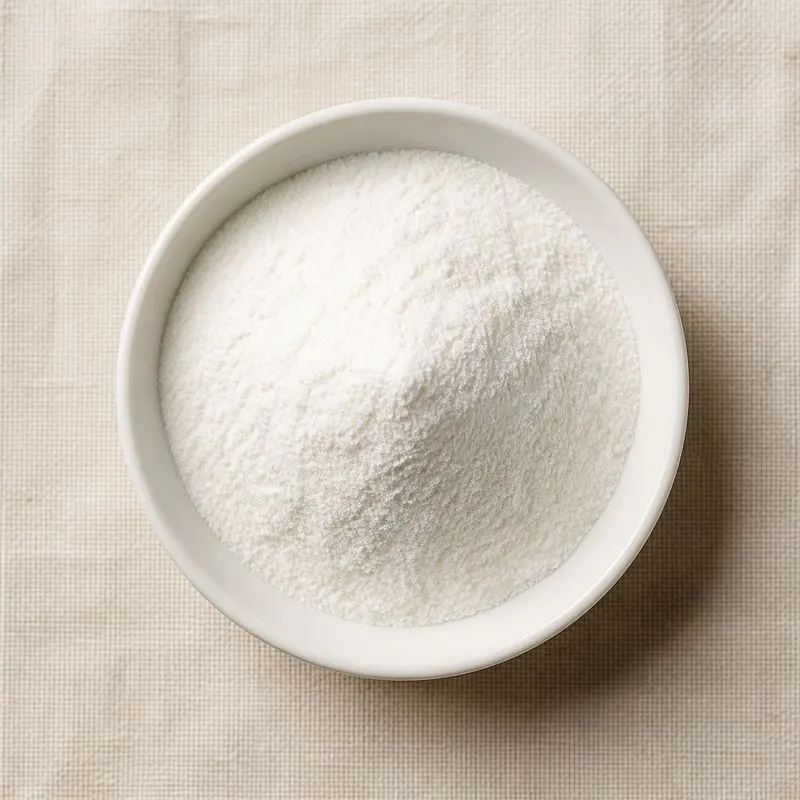
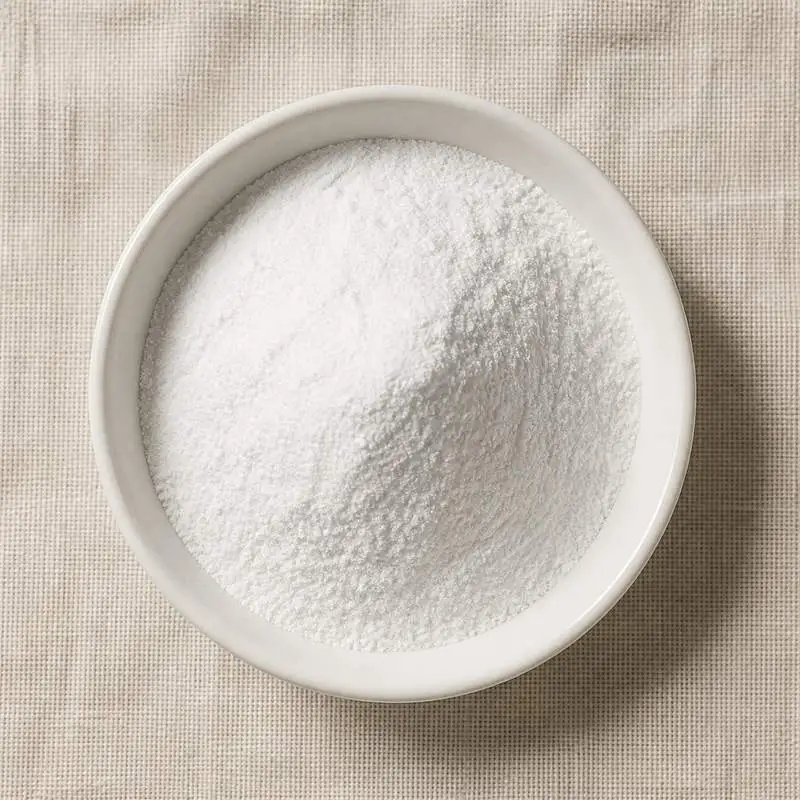
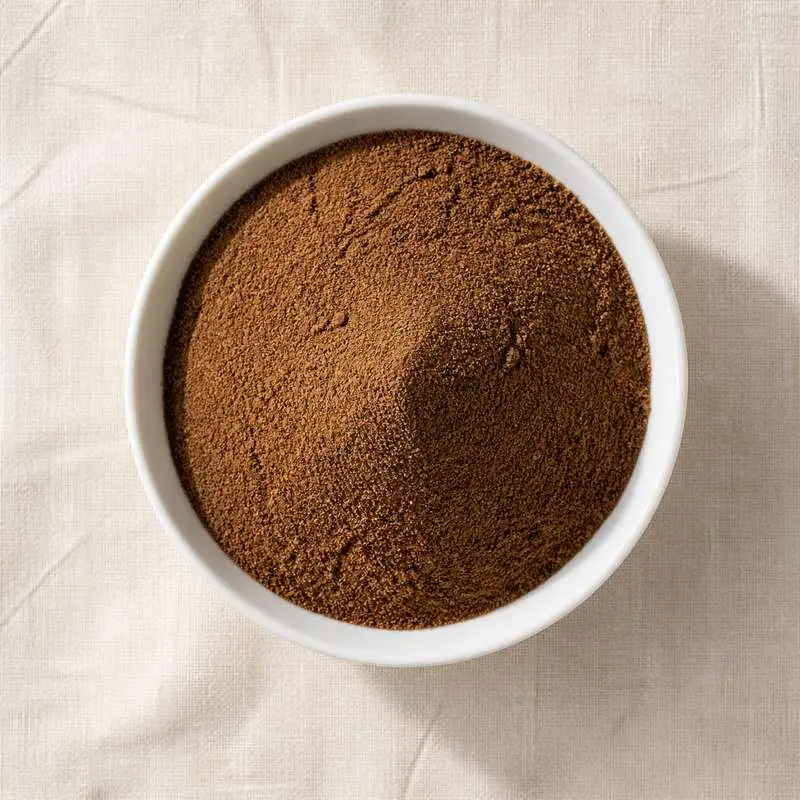
Malt selenium is selenium-enriched barley malt, a nutritional selenium source made by germinating barley in a solution containing an inorganic selenium salt so that the growing seedling assimilates the element into its own amino acids. The finished ingredient is a light brown to tan powder with a malty odour, and it delivers selenium predominantly in organic form, chiefly as selenomethionine incorporated into malt protein, rather than as the selenite or selenate the process starts from.
The distinction between organic and inorganic selenium is the whole point of the material. Plants and yeasts take up selenate and selenite and route them through the sulphur assimilation pathway, substituting selenium for sulphur in methionine and cysteine, and the resulting selenoamino acids are handled by the body as amino acids. A well-made malt selenium therefore reports both a total selenium figure and an organic selenium figure, the second expressed as a percentage of the first, and typically holds the organic fraction above 85 percent.
Selenium concentration in the finished malt is low in absolute terms, commonly 500 to 2000 mg/kg, because the material is a whole cereal matrix rather than an isolated compound, and it is used at correspondingly small inclusion rates. The powder disperses in water rather than dissolving, is mildly hygroscopic, and is stable in dry storage away from light and moisture; the selenoamino acids are not degraded at normal processing temperatures but the material should not be subjected to prolonged high heat in the presence of moisture.
We source bulk Malt Selenium from top China manufacturers for our partners. The manufacturer is in Beijing. A smaller requirement can ship in a combined container with other ingredients.
Please send the grade you need, the volume and your destination port, and we will come back with a solution and a price.
or call +86-21-6858 0751
- Function
- Nutraceutical
Specifications
| Item | Specification |
|---|---|
| Appearance | Light brown to tan free-flowing powder |
| Odour and taste | Characteristic malty odour and taste |
| Identification | Conforms to germinated Hordeum vulgare grain |
| Total selenium | 1000 mg/kg, tolerance plus or minus 10 percent |
| Organic selenium as proportion of total | Not less than 85 percent |
| Residual inorganic selenium | Not more than 2.0 percent of total selenium |
| Loss on drying | Not more than 5.0 percent |
| Total ash | Not more than 5.0 percent |
| Crude protein | Not less than 10.0 percent |
| Particle size | Passes 80 mesh, not less than 95 percent |
| Total plate count | Not more than 10000 cfu/g |
| Yeast and mould | Not more than 100 cfu/g |
| Escherichia coli | Absent in 1 g |
| Salmonella | Absent in 25 g |
Common Markets Grades
Grades are set by total selenium concentration, with 500, 1000 and 2000 mg/kg being the common declared levels, and by the organic selenium proportion, which distinguishes a properly assimilated material from one that has simply been surface dosed with selenite after drying. Residual inorganic selenium is therefore an explicit specification point and is normally held below 2 percent of total selenium. Selenomethionine content is sometimes reported separately by chromatography as the primary marker.
Physical forms are a milled powder for premix and capsule use, a coarser granular grade for tablet blending, and a diluted premix in which the malt is blended with maltodextrin or dicalcium phosphate to bring the selenium concentration down to a level that can be dosed accurately in a small batch. A feed grade sold for livestock and poultry is a separate article specified to feed rather than food criteria. Organic certified and non-genetically-modified declarations are routinely available, since barley is a conventional non-modified crop.
Applications
- Multivitamin and multimineral tablets, supplying selenium in organic form within the mineral premix
- Standalone selenium supplement capsules and tablets in the nutraceutical trade
- Antioxidant supplement blends, formulated alongside vitamin E, zinc and coenzyme Q10
- Thyroid support formulations, where selenium is a constituent of the deiodinase enzymes
- Men and prostate health supplement blends, a long-standing use category for selenium
- Fortified foods and beverage powders where an organic rather than inorganic selenium source is specified
- Medical nutrition and enteral formulations requiring a defined trace element profile
- Sports and recovery formulations sold on oxidative stress management
- Livestock, poultry and aquaculture feed premixes in the feed grade
China Manufacturers of Malt Selenium
Top Malt Selenium manufacturers in China.

Company names and logos are the property of the manufacturers themselves. They are listed here because our own directory records them as producing this ingredient. A listing is not an endorsement by them, and we do not represent them or speak on their behalf.
Regulatory Status
In the United States selenium is an essential nutrient with an established Daily Value for nutrition labelling, and selenium-enriched cereal and yeast preparations are used as dietary ingredients in supplements under the Dietary Supplement Health and Education Act. FDA has permitted specified selenium sources in infant formula and has addressed selenium supplementation of animal feed through the food additive regulations covering selenium in feed, where permitted sources and maximum inclusion levels are set. A selenium-enriched malt intended for conventional food would rest on an independent determination for the specific preparation, since the affirmed food-use selenium sources are the simple salts and selenium yeast rather than malt.
In the European Union Annex II to Directive 2002/46/EC lists the selenium compounds permitted in food supplements, among them sodium selenate, sodium hydrogen selenite, sodium selenite and selenium-enriched yeast; the same annex approach applies under Regulation (EC) No 1925/2006 for the addition of minerals to foods. Selenium-enriched malt is not among the listed sources, so a preparation of this type is not authorised as a selenium source for supplements or fortified foods in the Union without being added to those lists, and it would in addition need consideration under Regulation (EU) 2015/2283 on novel foods. Selenium compounds authorised for animal feed are listed under the feed additive rules. The material is not a food additive and has no E number. In the Codex system selenium appears in the advisory lists of nutrient compounds for use in foods for special dietary uses, again through its recognised salt and yeast forms.
Manufacturing Process
Manufacture follows a controlled malting cycle rather than a chemical synthesis. Clean two-row barley of food quality is steeped in water in cycles of immersion and air rest, and sodium selenite or sodium selenate is dosed into the steep liquor at a concentration calculated from the target selenium content of the finished malt. The grain takes the selenium up with the water it absorbs, and the dose is kept below the level at which selenium becomes toxic to the plant and germination stalls.
The steeped grain is transferred to a germination vessel and held at 15 to 18 degrees Celsius under humidified air with periodic turning for three to five days. During germination the seedling metabolism routes the absorbed selenium through the sulphur assimilation pathway into selenomethionine and, to a lesser extent, selenocysteine, which are incorporated into newly synthesised protein; this biological conversion is the step the whole process exists for. Growth is then stopped by kilning, a staged hot air drying that begins at low temperature to protect the protein and steps up to develop the malty character, bringing moisture below 5 percent. Rootlets are removed by a deculming machine, and the dried malt is milled, sieved, tested for total and organic selenium, blended to the declared concentration with previously analysed lots or with a diluent, and packed in sealed lined bags.