Monk Fruit
Monk fruit, the fruit of Siraitia grosvenorii, is a small round gourd of the cucumber family grown in the mountains of southern China, and in ingredient trade the name refers to the sweet extract prepared from it rather than to the fresh fruit. The sweetness comes from mogrosides, a family of cucurbitane triterpene glycosides of which mogroside V is the principal one.
Mogroside V is roughly 250 times as sweet as sucrose, and commercial extracts standardised on it range from around 100 to 300 times sucrose depending on assay. The sweetness is slow in onset and lingers, with a faint fruity and slightly liquorice-like character at higher doses, so extracts are commonly blended with erythritol or with other high intensity sweeteners rather than used alone as a direct sugar substitute.
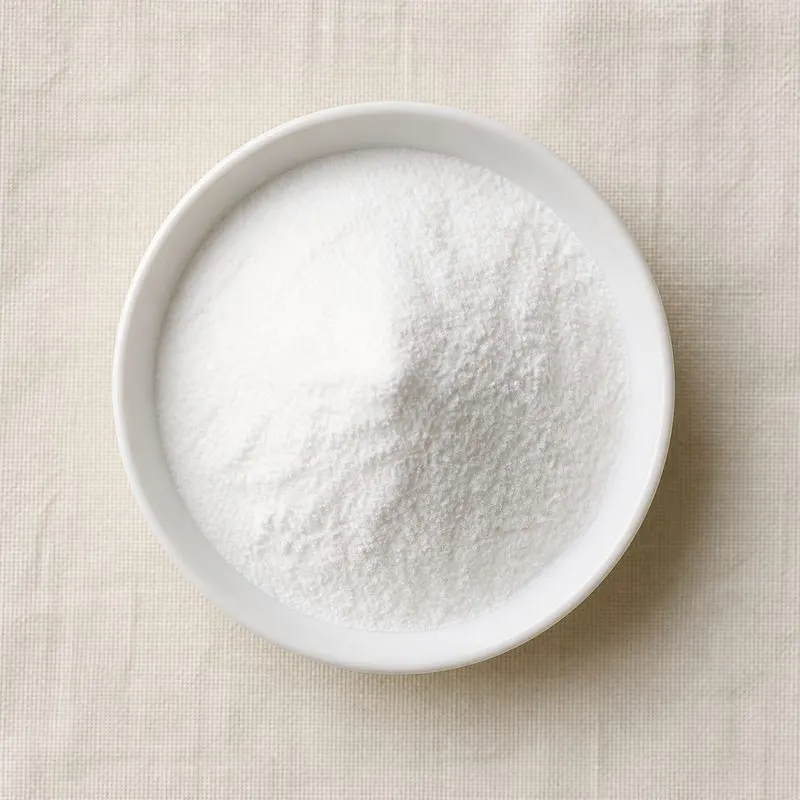
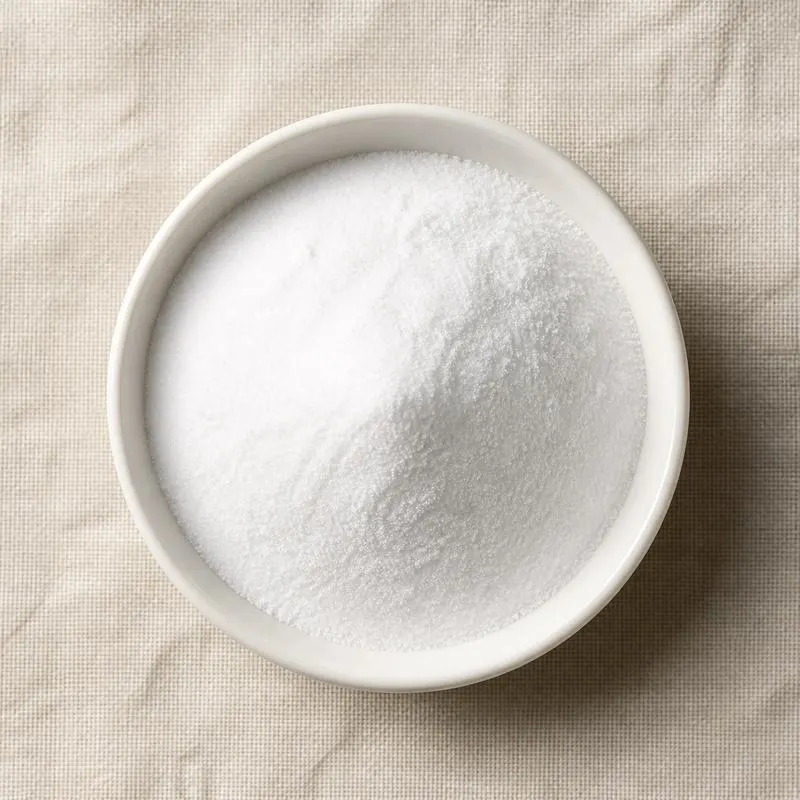
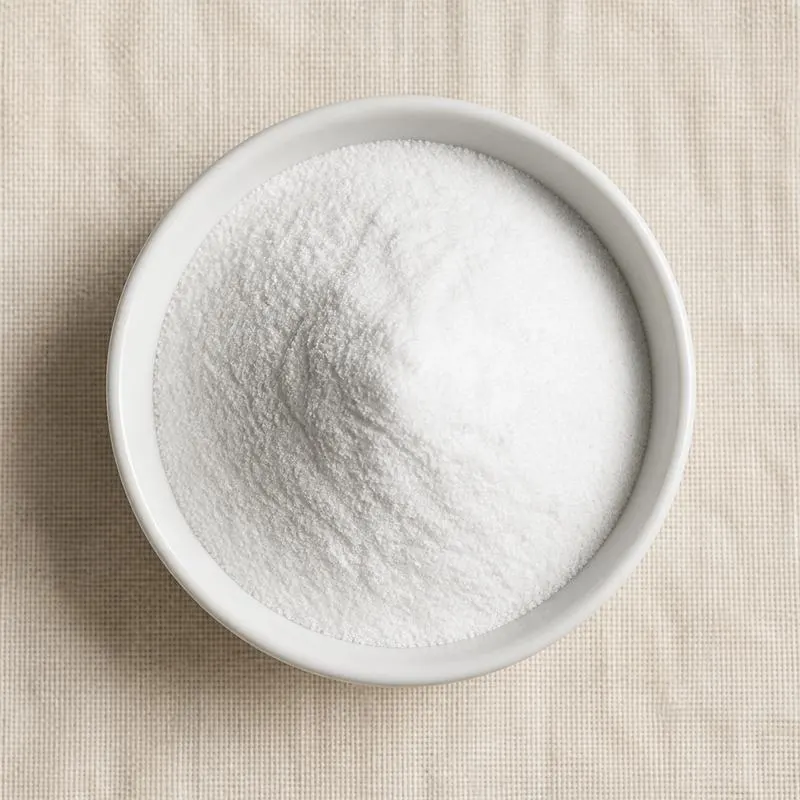
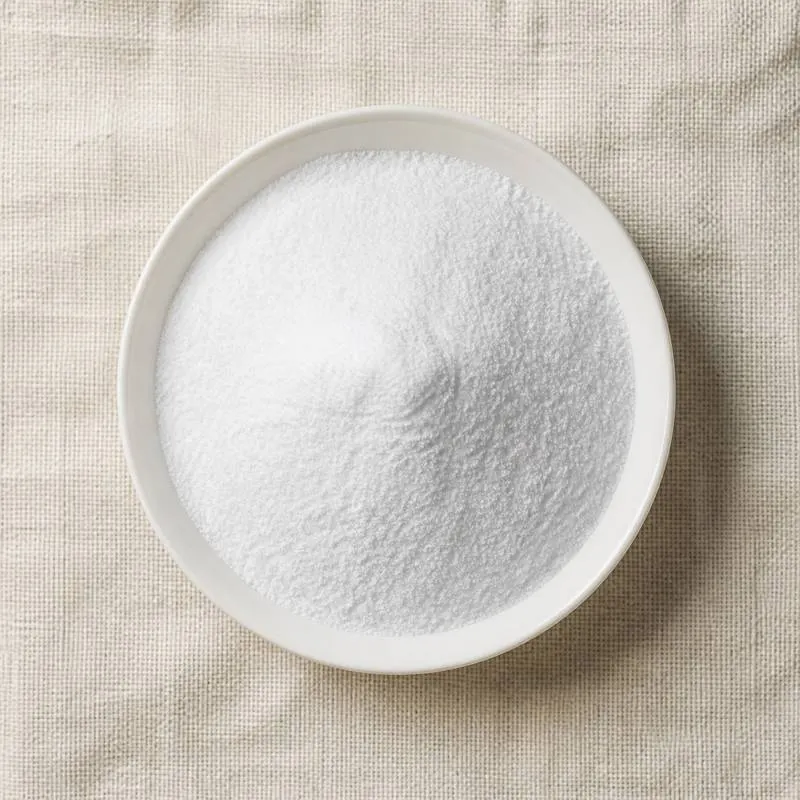
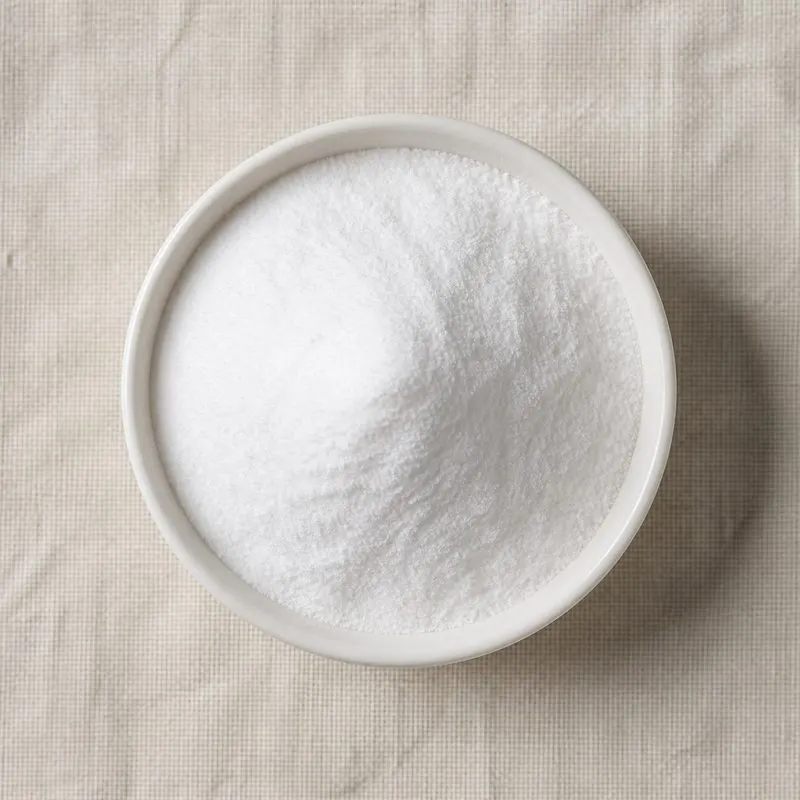
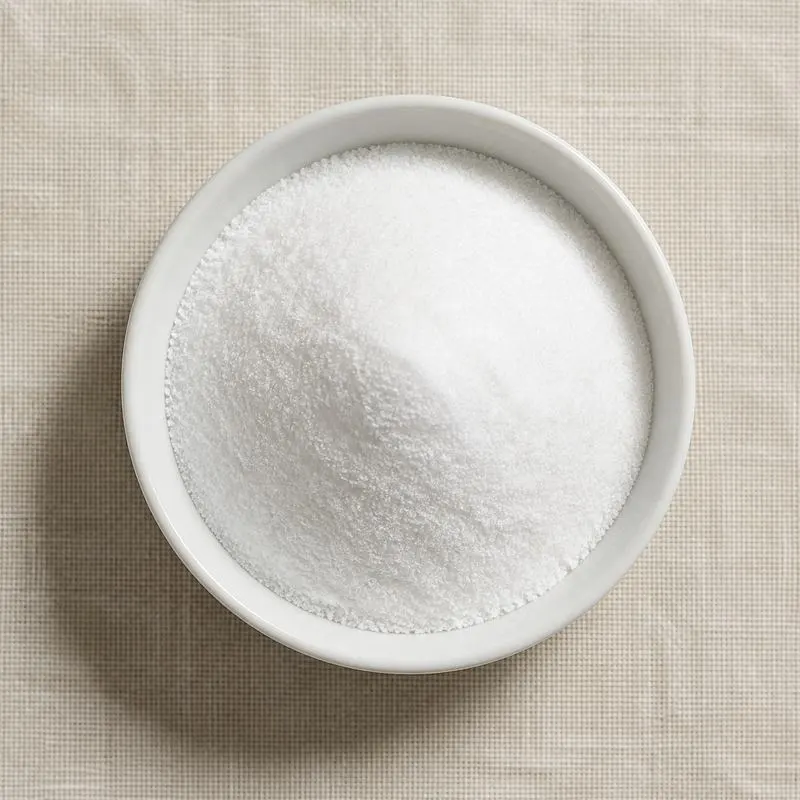
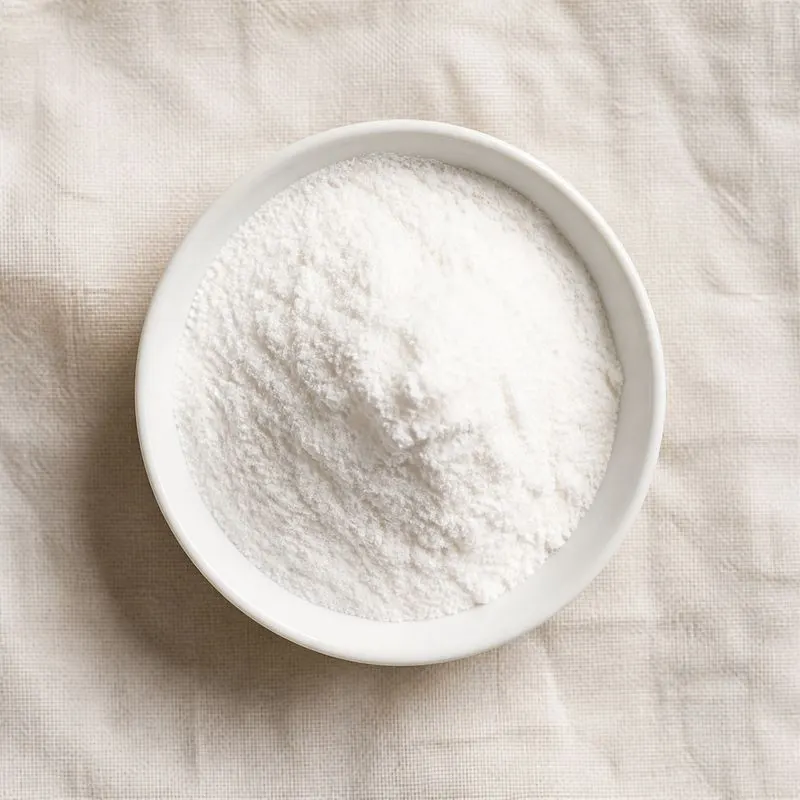
The extract is a white to light yellow or pale brown powder, freely soluble in water and in dilute alcohol. It is heat stable through pasteurisation, retort processing and baking, and stable across the acid pH range met in beverages, which distinguishes it from aspartame. It contributes no calories, is not fermented by oral bacteria and produces no glycaemic response. Colour is the main quality variable, since the extract carries residual pigments from the fruit that darken a finished product unless they have been removed.
We source bulk Monk Fruit from top China manufacturers for our partners. The manufacturer is in Guangxi. A smaller requirement can ship in a combined container with other ingredients.
Please send the grade you need, the volume and your destination port, and we will come back with a solution and a price.
or call +86-21-6858 0751
- Function
- Sweetener
Specifications
| Item | Specification |
|---|---|
| Appearance | White to light yellow fine powder |
| Odour and Taste | Slight characteristic fruit note, intensely sweet |
| Mogroside V (dry basis) | ≥ 50.0% |
| Total Mogrosides (dry basis) | ≥ 60.0% |
| Identification | Conforms by HPLC retention against reference standard |
| Loss on Drying | ≤ 6.0% |
| Residue on Ignition | ≤ 2.0% |
| pH (1% solution) | 4.0 to 7.0 |
| Residual Ethanol | ≤ 5,000 mg/kg |
| Particle Size | 100% through 80 mesh |
| Heavy Metals (as Pb) | ≤ 10 mg/kg |
| Lead | ≤ 1.0 mg/kg |
| Arsenic | ≤ 1.0 mg/kg |
| Total Plate Count | ≤ 1,000 cfu/g |
| Yeast and Mould | ≤ 100 cfu/g |
| Escherichia coli | Negative in 1 g |
| Salmonella | Negative in 25 g |
Common Markets Grades
Grades are quoted as the percentage of mogroside V on a dry basis, commonly 25, 40, 50 and 60 percent, with grades above 80 percent traded for applications where flavour cleanliness and colour matter most. Total mogrosides is stated as a separate line, since the lower grades carry a substantial fraction of mogroside IV, siamenoside and other related glycosides that contribute sweetness with a different profile.
Colour is the other axis. A decolourised grade that has been carbon treated and resin polished is near white and is used in clear beverages and pale foods; a standard grade retains a light brown cast and a trace of fruit character. Beyond the pure extract, the volume trade is in blends, most often with erythritol at a ratio designed to give a spoon for spoon sugar replacement, and these are finished sweetener systems rather than grades of extract. Organic certified material is available, and juice concentrates and dried fruit powders are separate articles with much lower mogroside content.
Applications
- Tabletop sweeteners, usually blended with erythritol for spoon for spoon replacement
- Carbonated and still beverages, where heat and acid stability allow standard processing
- Dairy drinks, yoghurts and flavoured milks
- Baked goods and biscuits, where the extract survives oven temperatures
- Confectionery and chewing gum, in combination with polyols
- Nutrition bars, powders and meal replacements sweetened without sugar
- Sauces, dressings and condiments in reduced sugar ranges
- Sweetener blends with steviol glycosides, where each covers a different part of the sweetness curve
- Traditional Chinese herbal teas and soups, where the dried fruit itself has long been used
- Pharmaceutical and supplement formulations, as a non cariogenic taste masking sweetener
Brands Using Monk Fruit
Widely-distributed consumer products that list Monk Fruit on the ingredient label.
- LakantoClassic Monkfruit and Erythritol Sweetener ↗A 1:1 white sugar replacement made only from monk fruit sweetener and erythritol.Label verified 2026-08-31
- LakantoMonkfruit Pure Extract ↗A shaker bottle of pure monk fruit extract used as a zero calorie sweetener in tea, coffee, yogurt and sauces.Label verified 2026-08-31
- Whole Earth SweetenerMonk Fruit Blend Bag ↗A granulated tabletop sweetener whose ingredient statement reads erythritol and monk fruit extract.Label verified 2026-08-31
Brand names, product names and logos are the property of their owners. They appear here as published evidence that the ingredient is used, taken from the brand's own label or website. Their appearance is not an endorsement, and it does not mean the brand buys from us or from any manufacturer listed on this site.
China Manufacturers of Monk Fruit
Top Monk Fruit manufacturers in China.
Company names and logos are the property of the manufacturers themselves. They are listed here because our own directory records them as producing this ingredient. A listing is not an endorsement by them, and we do not represent them or speak on their behalf.
Regulatory Status
In the United States, monk fruit extract, described as Siraitia grosvenorii Swingle fruit extract, is the subject of GRAS notifications to which the FDA responded without objection for use as a general purpose sweetener in food, and the position attaches to preparations meeting a defined mogroside V specification and made by the notified process. It is also widely used in dietary supplements. Extracts falling outside the notified specifications are not covered.
In the European Union, monk fruit extract is not an authorised food additive and carries no E number, and it did not have a significant history of consumption in the Union before May 1997, so it falls under the novel food regulation. Applications for authorisation have been made and the position should be checked against the current Union list before placing a product on the market, since the status of monk fruit extract in the Union differs from that of steviol glycosides. In China the fruit is a traditional food and the extract is an approved food additive sweetener, and it is likewise permitted in Japan, Canada, Australia and New Zealand under their respective frameworks. JECFA has evaluated monk fruit extract and adopted a specification monograph for it.
Manufacturing Process
Fruit is harvested while still green, then cured in warm air ovens over several days, which develops the sweetness and lowers the moisture enough for storage. The dried fruit is crushed, the shell and seed are separated where a cleaner extract is wanted, and the material is extracted with hot water or dilute aqueous alcohol in a countercurrent battery. The extract carries the mogrosides along with sugars, pectin, protein and the pigments that give it colour.
The crude extract is clarified by settling, flocculation and filtration, then passed over a macroporous adsorbent resin that binds the mogrosides while sugars, salts and much of the water soluble colour pass through to waste. The resin is washed and then eluted with aqueous ethanol, and the eluate is concentrated under vacuum with the alcohol recovered for reuse. Purification continues with activated carbon treatment and, for the higher grades, a second resin pass or preparative chromatography to separate mogroside V from the other mogrosides and lift the assay. Membrane filtration is used to remove residual macromolecules. The purified solution is concentrated, sterilised and spray dried, and the powder is milled, sieved, assayed by high performance liquid chromatography and packed with moisture protection.