Monk Fruit Extract
Monk Fruit Extract is a high-intensity natural sweetener obtained from the dried fruit of Siraitia grosvenorii (Swingle) C. Jeffrey, a perennial vine in the Cucurbitaceae family cultivated in the mountainous areas of Guangxi province, China.
The sweetness comes from a family of cucurbitane-type triterpene glycosides called mogrosides. Mogroside V is the principal commercial marker and is approximately 250 to 300 times sweeter than sucrose on a weight basis.
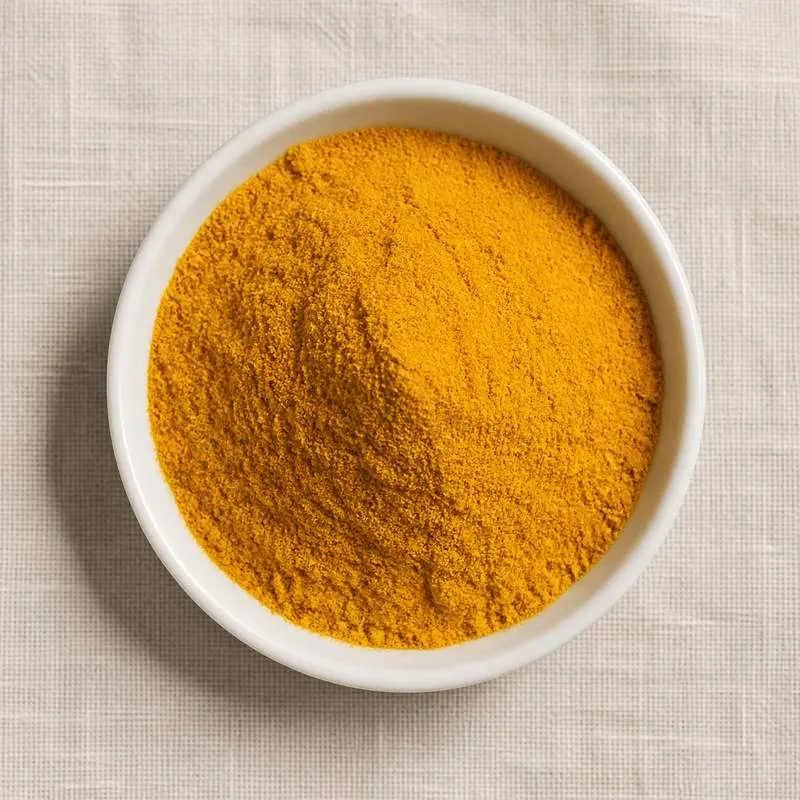
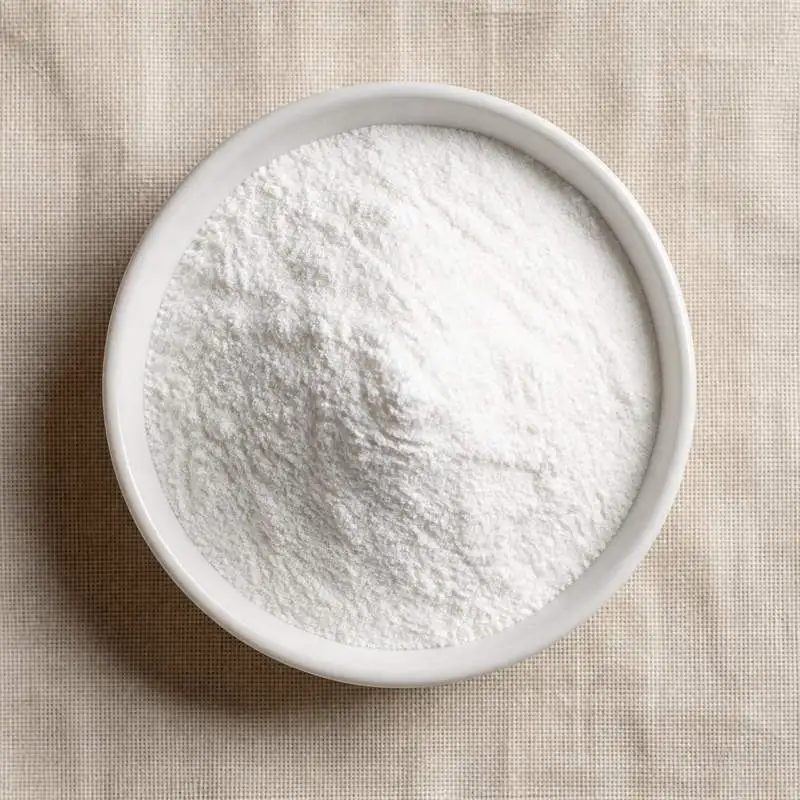
Powders range from off-white to pale yellow depending on purification level, with neutral to faintly fruity aroma.
We source bulk Monk Fruit Extract from top China manufacturers for our partners, working with several of them. The manufacturers are in Guangxi, Hunan and Hubei. For this ingredient the minimum order is 50 kg and a 20-foot container takes 17 MT, and a smaller requirement can ship in a combined container with other ingredients.
Please send the grade you need, the volume and your destination port, and we will come back with a solution and a price.
or call +86-21-6858 0751
- Minimum order
- 50 kg
- Qty in 20' FCL
- 17 MT
- Packaging
- 25 kg fibre drum with double PE liner
- ISO 9001
- HACCP
- Halal
- Kosher
Specifications
Grades / Types Available: Food Grade, Feed Grade
| Item | Specification |
|---|---|
| Appearance | Light yellow to off-white powder |
| Mogroside V Content | ≥ 25% / 40% / 50% / 55% (grade dependent) |
| Loss on Drying | ≤ 6.0% |
| pH (1% solution) | 4.5 - 6.5 |
| Heavy Metals (as Pb) | ≤ 5 mg/kg |
| Arsenic | ≤ 1 mg/kg |
| Residue on Ignition | ≤ 3.0% |
| Solvent Residues | Meets specification |
| Particle Size | 95% through 80 mesh |
| Purity/Assay | ≥ 95% (Food Grade) |
| Moisture/Loss on Drying | ≤ 5% (Food Grade) |
| Ash | ≤ 5% (Food Grade) |
| Lead | < 1 ppm (Food Grade) |
| Total Plate Count | < 1000 cfu/g (Food Grade) |
| Yeast & Mold | < 100 cfu/g (Food Grade) |
Common Markets Grades
Monk Fruit Extract is graded by mogroside V content, which sets sweetness intensity and downstream cost-in-use.
Beverage and tabletop grades are typically standardised at 25 percent, 40 percent, 50 percent, and 60 percent mogroside V by HPLC. These are the standard grades for soft drinks, dairy, and packaged food.
Higher-purity grades at 70 percent, 80 percent, and 95 percent mogroside V serve tabletop blends at the top of the market, pharmaceutical formulations, and applications where minor mogroside contributions to off-notes need to be minimised.
Total mogrosides grade at 40 percent to 60 percent (sum of mogroside V, mogroside IV, siamenoside I, and 11-oxo-mogroside V) is sold as a lower-cost option for blended sweetener systems.
Co-spray-dried blends with erythritol, allulose, or stevia serve as drop-in 1:1 sugar-replacement systems.
Organic-certified material is produced from contracted growers in Guilin and Yongfu counties.
Applications
- Sugar-reduced and zero-sugar carbonated soft drinks, juices, and flavoured waters
- Tabletop sweeteners as sachets, tablets, and liquid drops
- Dairy: yogurt, flavoured milk, ice cream, and protein drinks
- Bakery and confectionery for caloric reduction with maintained sweetness
- Sugar-free chewing gum, hard candy, and chocolate
- Nutritional shakes, meal replacements, and clinical-nutrition formulas
- Sports nutrition powders, hydration mixes, and energy gels
- Pharmaceutical syrups, lozenges, and chewable tablets for flavour masking
- Dietary supplements where a clean sweetness without bitterness is preferred
- Sauces, dressings, marinades, and condiments in low-sugar product lines
- Coffee creamers, syrups, and flavoured cold-brew concentrates
- Traditional Chinese herbal tea preparations and cough syrups
Brands Using Monk Fruit Extract
Widely-distributed consumer products that list Monk Fruit Extract on the ingredient label.
- LakantoClassic Monkfruit Sweetener (1:1 Sugar Substitute) ↗Lakanto Classic Monkfruit Sweetener combines monk fruit extract (Siraitia grosvenorii mogrosides) with erythritol as a zero-calorie 1:1 sugar replacement.Label verified 2026-05-24
- PyureOrganic Monk Fruit Sweetener (12 oz Pouch) ↗A USDA Organic granulated blend of organic monk fruit extract and organic erythritol, twice the sweetness of sugar and calorie-free.Label verified 2026-05-24
- Whole EarthMonk Fruit with Erythritol Sweetener ↗A 1:1 sugar replacement built on monk fruit (Siraitia grosvenorii) extract with erythritol, Non-GMO Project Verified.Label verified 2026-05-24
Brand names, product names and logos are the property of their owners. They appear here as published evidence that the ingredient is used, taken from the brand's own label or website. Their appearance is not an endorsement, and it does not mean the brand buys from us or from any manufacturer listed on this site.
China Manufacturers of Monk Fruit Extract
Top Monk Fruit Extract manufacturers in China.
 Gfs3 ingredients in the directory
 Guilin Gfs Monk Fruit Corp.2 ingredients in the directory
 Guilin Layn Natural Ingredients Corp.3 ingredients in the directory
 Hunan Huacheng Biotech,Inc.4 ingredients in the directory
 WuHan HuaSweet Co., Ltd.6 ingredients in the directory
Company names and logos are the property of the manufacturers themselves. They are listed here because our own directory records them as producing this ingredient. A listing is not an endorsement by them, and we do not represent them or speak on their behalf.
How We Help Source Monk Fruit Extract
Direct Factory Sourcing
We run the whole process: selecting the manufacturer from the top Chinese food ingredient producers, negotiating the price, verifying quality, and coordinating the logistics. You deal with us instead of with several factories at once.
Original Packaging and Documents from the Manufacturer
The manufacturer sends your Monk Fruit Extract out of its own factory in the original packing, through to your destination port. The COA, COO, MSDS, TDS and any certifications reach you from the manufacturer as well.
Free Samples and Lead Time
We send 100 to 500 g free for your own laboratory to test and you cover only the courier, usually within 2 to 3 working days. ETD is usually within 7 to 15 days once the order is confirmed, and we check that date against the factory's own manufacturing schedule before we give it to you.
Combined Shipment
We can load Monk Fruit Extract together with other ingredients such as Astaxanthin, Dehydrated Garlic and Lutein into one 20' FCL. If your quantity is small, we can also ship LCL.
Regulatory Status
Monk fruit extract has received affirmative regulatory clearance in major markets over the past two decades.
In the United States, monk fruit extract (luo han guo extract) was self-affirmed as Generally Recognized as Safe in 2010 and is the subject of multiple FDA GRAS notices without objection (GRN 301, 359, 522, and others).
In the European Union the extract was authorised as a novel food under Regulation (EU) 2015/2283, with Commission Implementing Regulation (EU) 2024/2682 establishing the use conditions and specifications.
JECFA evaluated mogroside V at its 90th meeting in 2021 and established specifications for siraitia grosvenorii swingle (luo han guo) fruit extract as a sweetener.
The ingredient is approved in Australia and New Zealand (FSANZ Standard 1.3.1), Japan (listed in the List of Existing Food Additives), Canada, South Korea, Brazil, and most Southeast Asian markets.
Halal, Kosher, and organic certifications are routinely available.
Manufacturing Process
Mature monk fruit is harvested in autumn when the rind turns from green to brown. Fresh fruit has a short shelf life and is traditionally dried in low-temperature kilns to a hard, hollow shell before further processing.
Modern production increasingly shifts toward fresh-fruit extraction to limit the cooked, caramelized off-notes that come with long kiln drying. Fresh fruit is washed, pulped, and pressed within hours of harvest.
The aqueous extract is clarified by centrifugation and filtration, then loaded onto macroporous adsorption resin columns. The mogrosides bind to the resin while sugars, organic acids, and pigments pass through. The resin is washed with water and the mogrosides are eluted with food-grade ethanol-water.
The eluate is concentrated under vacuum, decolorised through activated carbon, and either crystallised or spray-dried to the target mogroside V specification. Successive chromatographic polishing steps lift the purity to the 80 to 95 percent grades.
The remaining mother liquor is recovered to a total-mogrosides grade, and the spent fruit pulp is composted or returned to feed.