Myocardial Peptide
Myocardial peptide is a protein hydrolysate prepared from the heart muscle of food animals, most often cattle and pigs, by enzymatic digestion of the trimmed and defatted myocardium. It belongs to the family of organ derived peptide ingredients traded in the Chinese health food sector, where the tissue of origin rather than a defined chemical structure is what the name identifies.
Chemically the material is a mixture of short peptides and free amino acids released from the contractile and structural proteins of cardiac muscle, principally actin, myosin and cardiac collagen, together with the naturally occurring small molecules carried through from the tissue such as taurine, carnosine and residual coenzyme Q10. Commercial specifications describe it by peptide content and molecular weight distribution, with the bulk of the material usually falling below 1000 daltons, rather than by any single marker compound.
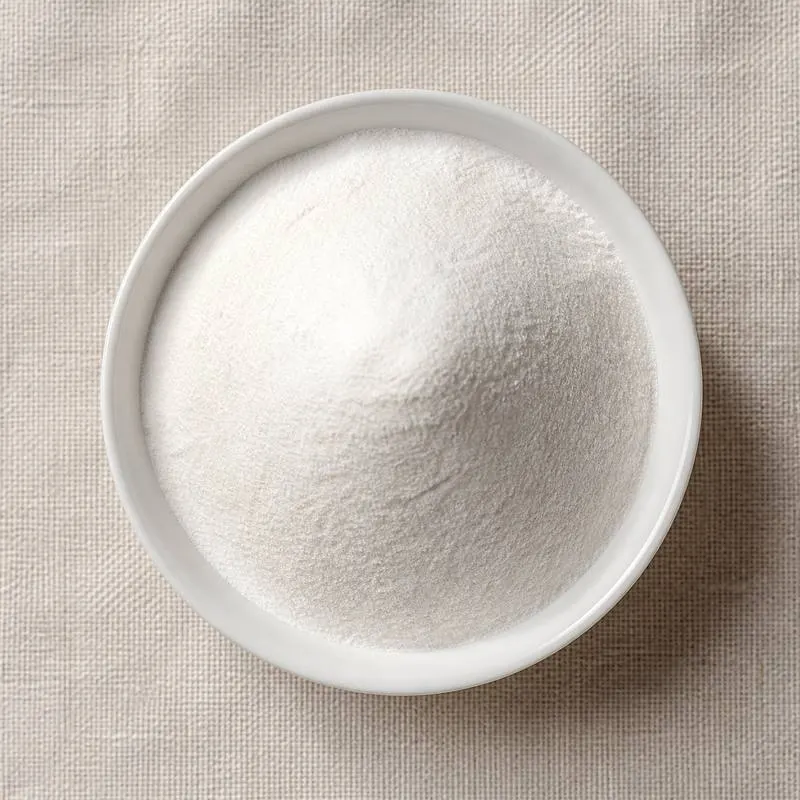
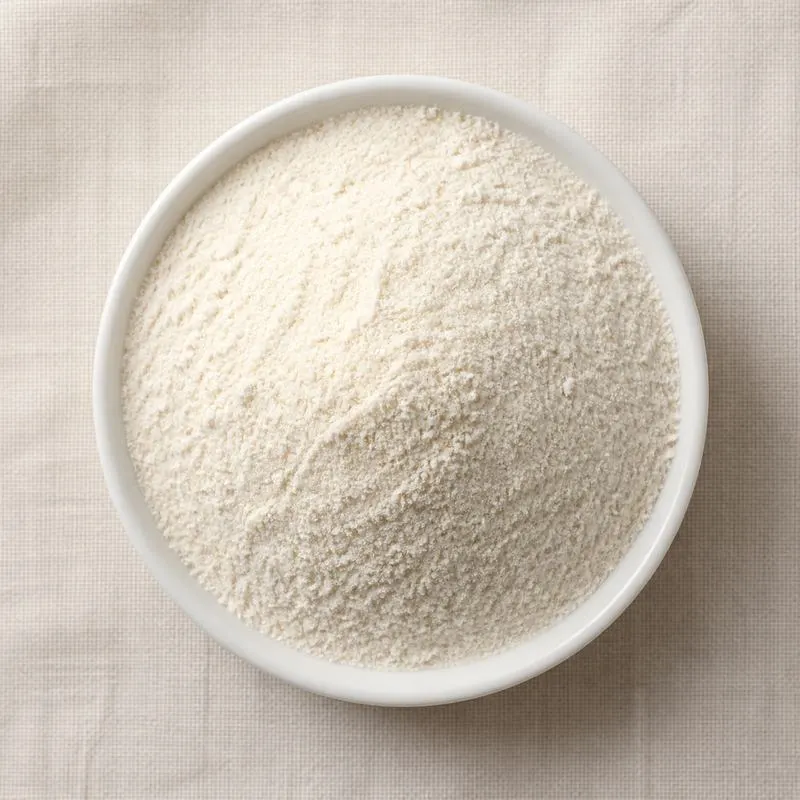
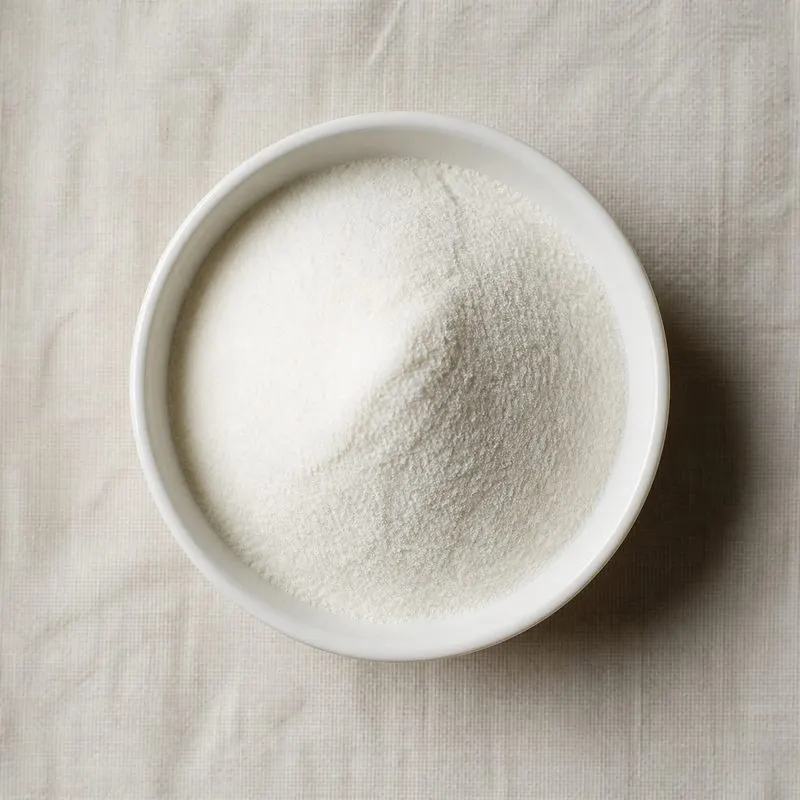
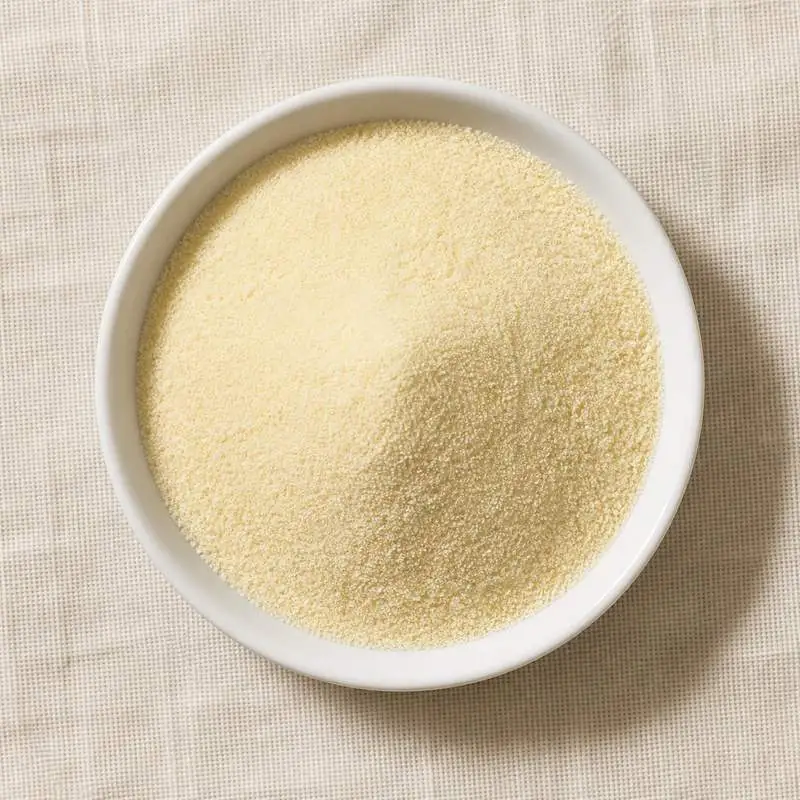
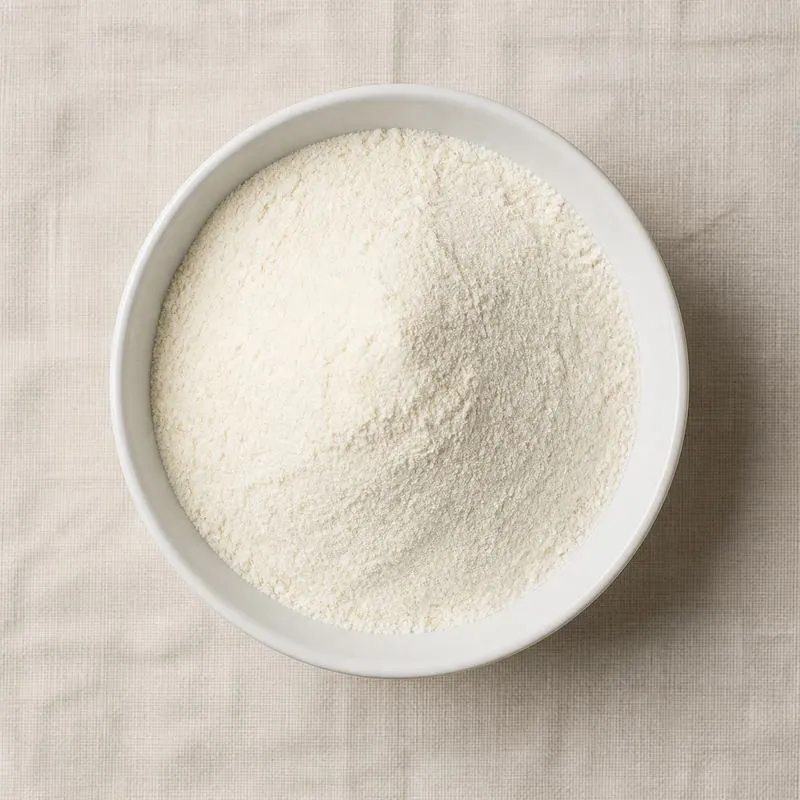
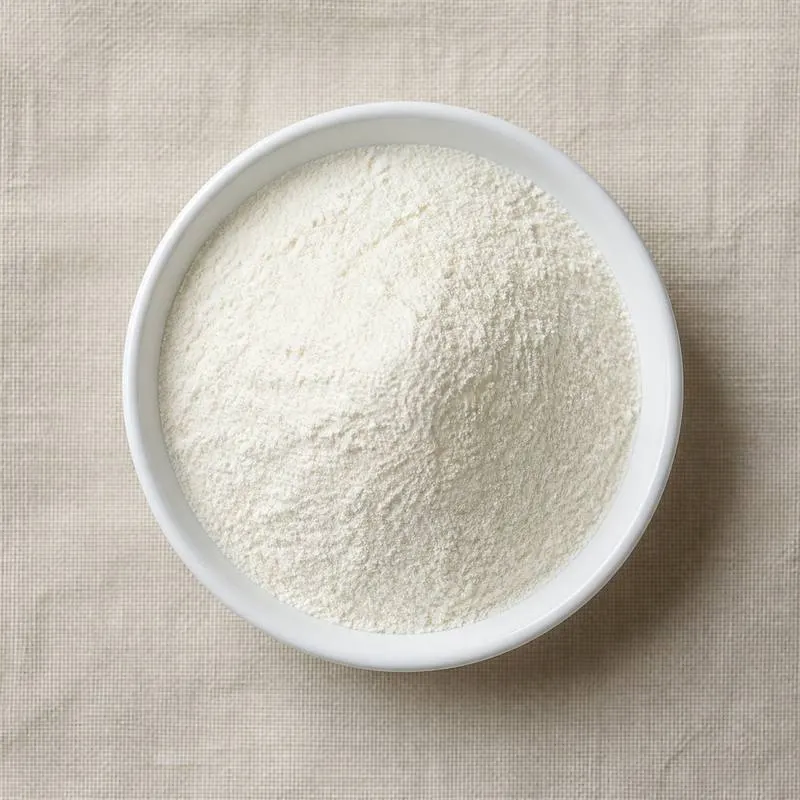
It is a light yellow to pale brown spray dried or freeze dried powder with a meaty odour. Solubility in water is high and solutions are clear to slightly hazy, the peptides are stable to pasteurisation and to the acid conditions of a beverage, and because hydrolysis has removed the protein conformation the powder contributes almost no viscosity or gelling behaviour to a formulation.
We source bulk Myocardial Peptide from top China manufacturers for our partners. The manufacturers are in Hainan and Inner Mongolia. A smaller requirement can ship in a combined container with other ingredients.
Please send the grade you need, the volume and your destination port, and we will come back with a solution and a price.
or call +86-21-6858 0751
- Function
- Protein
Specifications
| Item | Specification |
|---|---|
| Appearance | Light yellow to pale brown fine powder |
| Odour and Taste | Characteristic meaty odour, slightly bitter taste |
| Peptide Content (dry basis) | Not less than 80.0 percent |
| Peptides below 1000 Daltons | Not less than 80.0 percent |
| Identification | Amino acid profile conforms to reference |
| Loss on Drying | Not more than 7.0 percent |
| Ash | Not more than 8.0 percent |
| Fat | Not more than 1.0 percent |
| pH (1 percent solution) | 5.5 to 7.5 |
| Solubility in Water | Not less than 98.0 percent |
| Heavy Metals (as Pb) | Not more than 10 mg/kg |
| Lead | Not more than 0.5 mg/kg |
| Arsenic | Not more than 0.5 mg/kg |
| Total Plate Count | Not more than 10000 cfu/g |
| Yeast and Mould | Not more than 100 cfu/g |
| E. coli | Negative in 1 g |
| Salmonella | Negative in 25 g |
Common Markets Grades
Grades differ mainly in species of origin and in the extent of purification. Bovine and porcine myocardium are traded separately because religious certification and end market both depend on the species, and mixed source material is discounted. Peptide content on a dry basis runs from about 70 percent in a simple dried hydrolysate to 85 percent or more where membrane desalting and ion exchange have removed salt and ash.
The second distinction is drying route and molecular weight cut. Spray dried powder is the bulk presentation for capsules, tablets and dry blends. Freeze dried grades are offered where the manufacturer wants to protect heat sensitive constituents carried over from the tissue and to keep the colour light, and they carry a premium. Higher specification grades declare the fraction below 1000 daltons at 85 to 90 percent and are decoloured and deodorised with activated carbon to reduce the meaty note for beverage use. Material sold for feed or pet applications is specified on crude protein and ash alone.
Applications
- Capsule and tablet supplements in the Chinese health food market, positioned on cardiac and circulatory support
- Sachet and stick pack peptide powders, where the material dissolves clear and needs no suspending system
- Middle aged and elderly nutrition formulations, blended with other organ and marine peptides
- Functional beverages and shots, where a high peptide load must sit in a small volume without adding viscosity
- Sports recovery products, as a source of taurine and carnosine bearing peptide material
- Savoury seasoning and broth bases, where the free amino acids contribute meaty depth
- Pet supplements and premium pet food toppers, where hydrolysed organ protein improves palatability
- Traditional tonic formulations combined with botanical extracts
China Manufacturers of Myocardial Peptide
Top Myocardial Peptide manufacturers in China.
 Hainan Yotide Biopharmaceutical Co., Ltd.13 ingredients in the directory
 Inner Mongolia Taihao Biological Products Co., Ltd.6 ingredients in the directory
Company names and logos are the property of the manufacturers themselves. They are listed here because our own directory records them as producing this ingredient. A listing is not an endorsement by them, and we do not represent them or speak on their behalf.
Regulatory Status
In the United States there is no generally recognised as safe listing covering myocardial peptide as such. Hydrolysates of edible animal tissue from species slaughtered under inspection are handled as food ingredients, with the responsibility for establishing safety resting on the manufacturer, and material aimed at the supplement market is sold under the dietary supplement framework. Because it derives from bovine or porcine tissue, the raw material must come from establishments under federal meat inspection, and bovine sourcing additionally has to satisfy the specified risk material controls that exclude central nervous tissue and animals from countries with an unfavourable transmissible spongiform encephalopathy status.
In the European Union a peptide preparation from animal heart tissue has no history of significant consumption in that form and would in practice require novel food authorisation before it could be sold as a food or supplement ingredient. Animal by products intended for food use are governed by the hygiene rules for food of animal origin, and the transmissible spongiform encephalopathy regulation sets the sourcing and processing conditions for ruminant material. The substance is not a food additive and carries no E number. Neither JECFA nor Codex has evaluated it or published a specification, so buyers rely on the manufacturer specification and on the general Codex contaminant limits for the heavy metal expectations.
Manufacturing Process
Production begins with heart muscle recovered from an approved abattoir and held chilled or frozen. The tissue is trimmed of pericardium, valve tissue, large vessels and fat, then minced and washed to remove blood and residual lipid, since haem pigment and fat are the main causes of dark colour and rancid odour in the finished powder. The mince is slurried in water, brought to the working temperature and pH of the enzyme system, and hydrolysed with a food grade protease, commonly an alkaline endoprotease taken to a defined degree of hydrolysis and then followed by an exopeptidase to trim the bitter hydrophobic fragments. The reaction is stopped by heating, which also inactivates the enzymes.
The hydrolysate is centrifuged and filtered to remove undigested residue and separated fat, then passed through ultrafiltration to hold back high molecular weight material and nanofiltration to concentrate the peptide permeate and remove part of the salt. Activated carbon treatment strips colour and odour, and ion exchange is used on higher grades to bring ash down. The concentrate is evaporated under vacuum and either spray dried or, for premium material, frozen and freeze dried, then milled, sieved, metal checked and packed with a moisture barrier.