Nadh
NADH is the reduced form of nicotinamide adenine dinucleotide, formed when the pyridinium ring of NAD accepts a hydride to become a 1,4 dihydropyridine. It is the electron carrying half of the NAD and NADH redox couple, the currency in which catabolic reactions deliver reducing equivalents to the mitochondrial electron transport chain.
Two properties define its commercial identity. First, the dihydropyridine ring absorbs strongly at 340 nanometres while the oxidised form does not, and that difference is the optical signal behind a large part of clinical chemistry and enzyme kinetics. Second, in supplements it is sold directly rather than as a precursor, positioned on cellular energy and fatigue, with a body of small clinical studies behind it that is older than the current nicotinamide adenine dinucleotide precursor category.
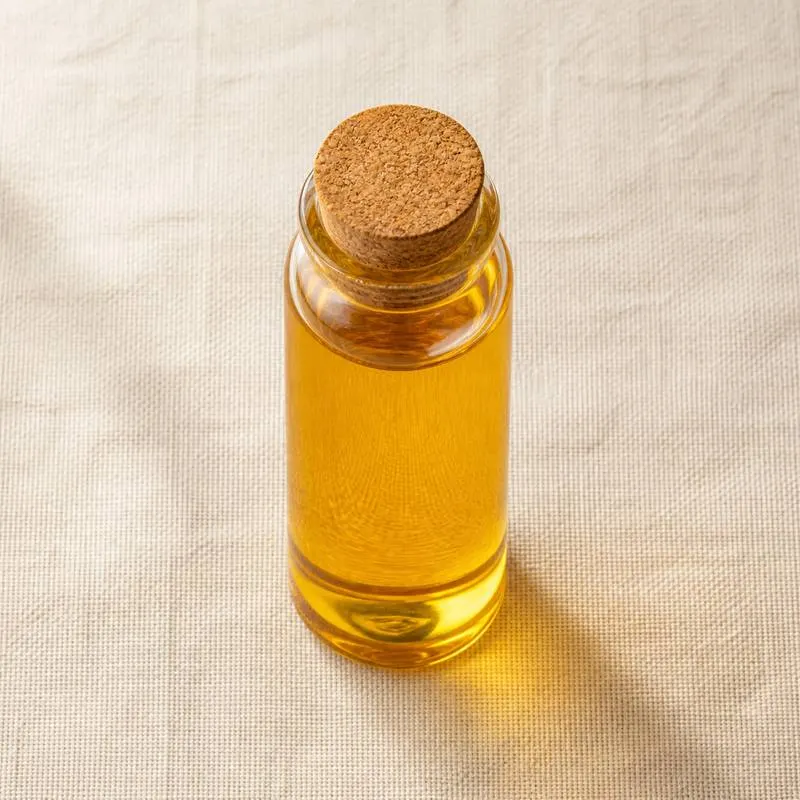
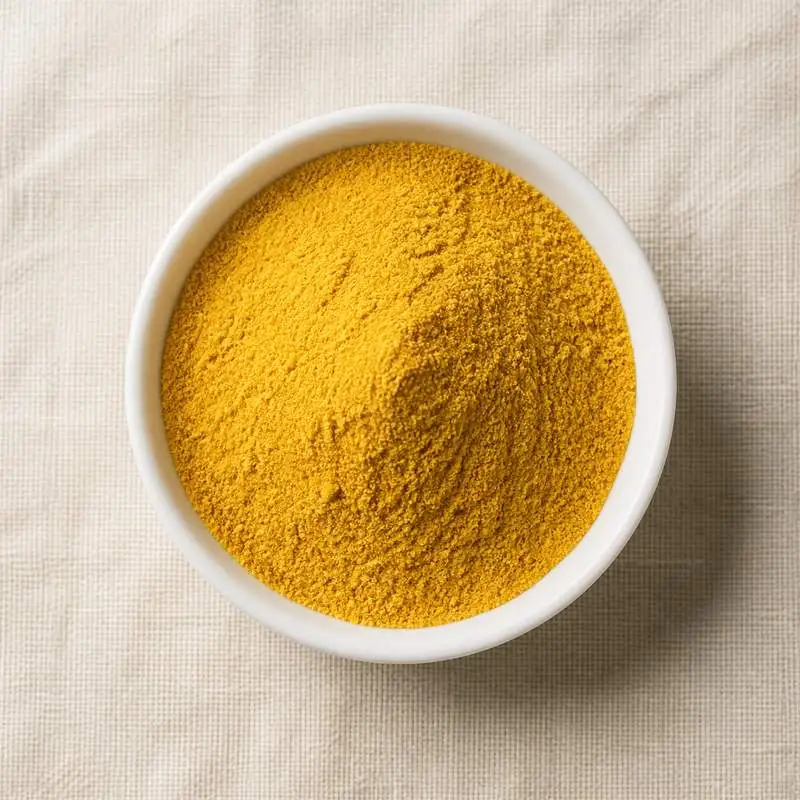
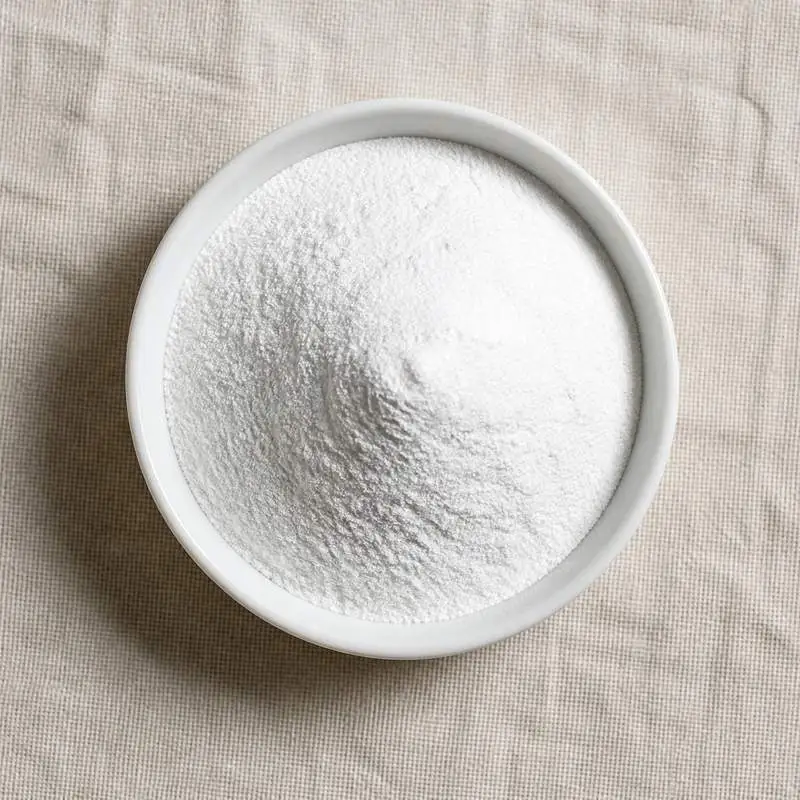
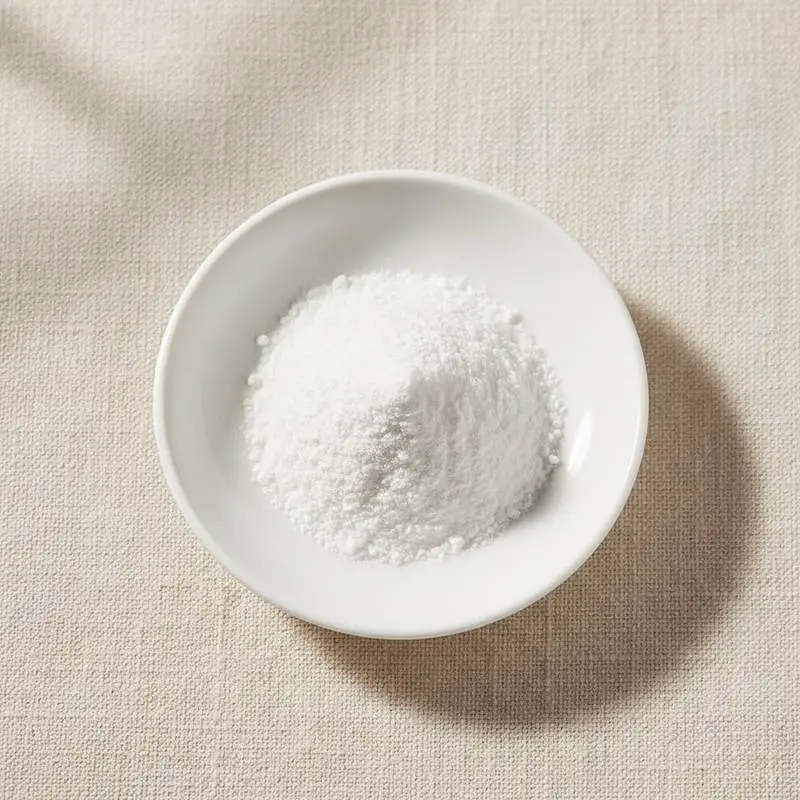
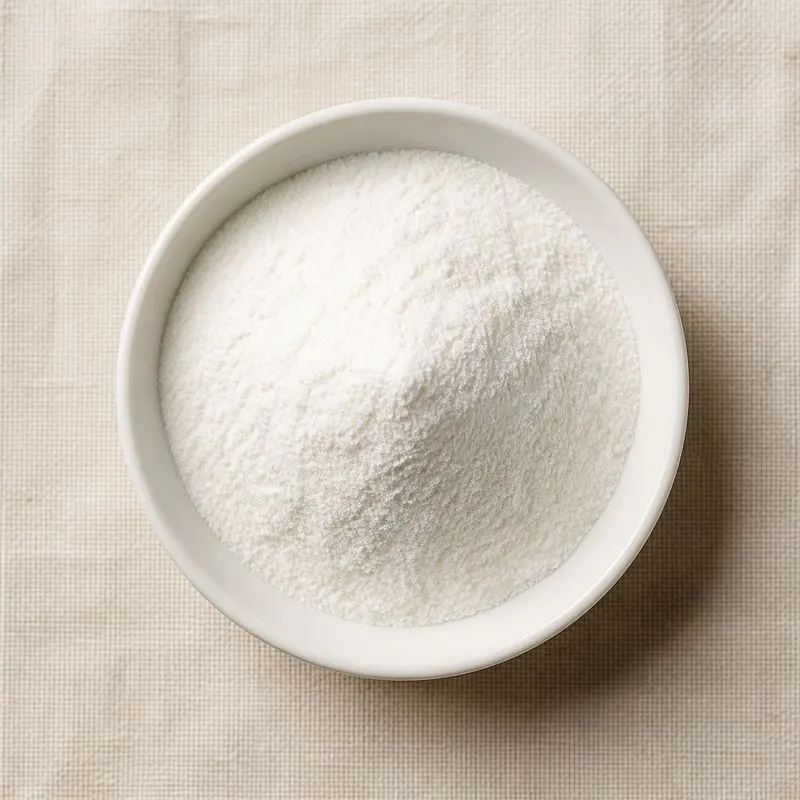
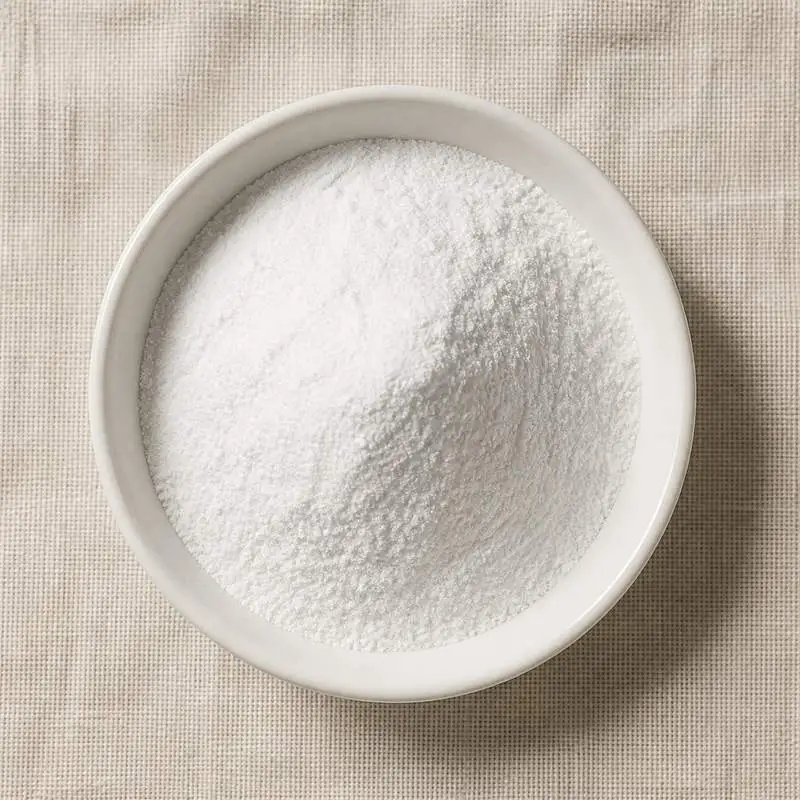
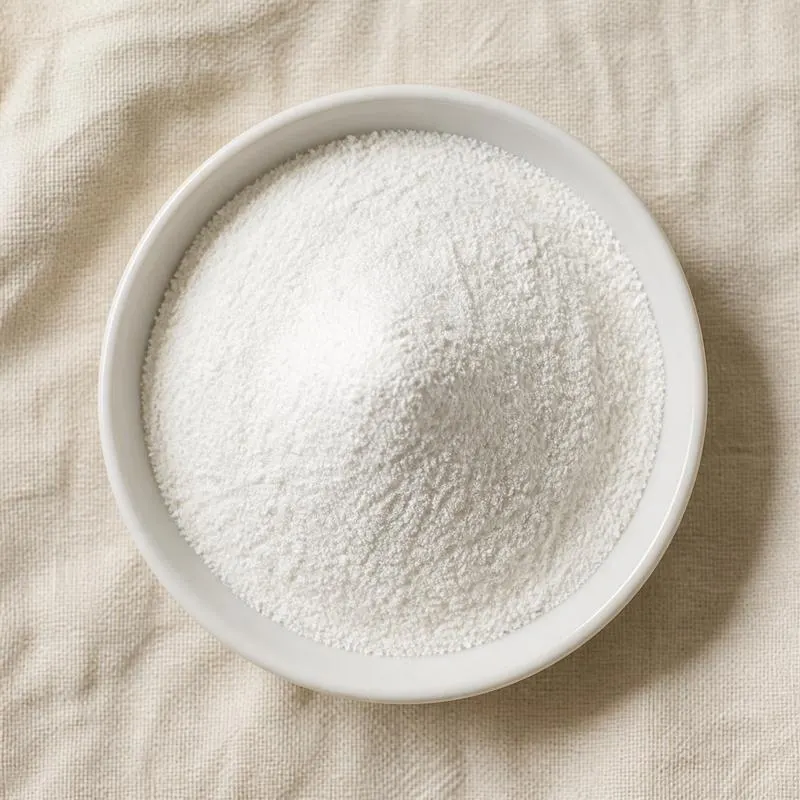
The material is a white to pale yellow or slightly greenish powder, soluble in water and practically insoluble in ethanol. Its handling follows from an acid sensitivity that is the reverse of the oxidised form: NADH is reasonably stable under alkaline conditions and degrades rapidly in acid, so solutions are buffered above neutral, the powder is packed under inert gas with desiccant and held frozen or refrigerated, and oral supplement formats are commonly stabilised or enterically protected to survive gastric transit.
We source bulk Nadh from top China manufacturers for our partners. The manufacturers are in Jilin and Guangdong. A smaller requirement can ship in a combined container with other ingredients.
Please send the grade you need, the volume and your destination port, and we will come back with a solution and a price.
or call +86-21-6858 0751
- Function
- Nutraceutical
Specifications
| Item | Specification |
|---|---|
| Appearance | White to pale yellow powder |
| Assay (HPLC, anhydrous basis) | Not less than 97.0 percent |
| Identification | Ultraviolet maxima near 260 and 340 nm conform to reference |
| Absorbance Ratio A260 to A340 | 2.20 to 2.40 |
| Oxidised Form (NAD) | Not more than 1.0 percent |
| Related Substances (total) | Not more than 2.0 percent |
| Loss on Drying | Not more than 5.0 percent |
| Residue on Ignition | Not more than 0.5 percent |
| pH (1 percent solution) | 9.0 to 11.0 |
| Residual Solvents | Conforms to ICH Class 3 limits |
| Lead | Not more than 0.5 mg/kg |
| Arsenic | Not more than 0.5 mg/kg |
| Heavy Metals (as Pb) | Not more than 10 mg/kg |
| Total Plate Count | Not more than 1000 cfu/g |
| Yeast and Mould | Not more than 100 cfu/g |
| Salmonella | Absent in 25 g |
Common Markets Grades
Assay grades of 95 percent, 97 percent and 98 percent minimum cover most supply, determined by high performance liquid chromatography or by the absorbance ratio at 260 and 340 nanometres, the latter being the classical purity check. Residual oxidised NAD is the critical named impurity, since partial oxidation during production, drying or storage converts product back to the oxidised form and degrades performance in both diagnostic and supplement use.
The commercial split follows end use. Diagnostic and biochemical grade is specified on enzymatic performance and on the 260 to 340 nanometre absorbance ratio and is the largest established outlet. Food supplement grade is specified on assay, heavy metals and microbiological quality, and is commonly sold as a stabilised preparation rather than as the compound alone, since unprotected NADH loses potency quickly in a finished tablet. The disodium salt is the usual traded form. Physical presentation is fine powder, with stabilised, microencapsulated and enteric coated versions offered for supplement manufacture, and buyers should note that these carry a much lower nominal NADH content and are specified on that basis.
Applications
- Clinical chemistry reagents, where the absorbance fall at 340 nanometres reports dehydrogenase linked assays
- Enzymatic diagnostic kits for lactate, pyruvate, ammonia and urea determination
- Industrial biocatalysis, supplying reducing equivalents to ketoreductase and dehydrogenase reactions
- Cofactor regeneration systems in enzymatic manufacture of chiral intermediates
- Energy and fatigue supplements in sublingual tablet and enteric coated formats
- Cognitive support and jet lag formulations, a long standing position for the ingredient
- Sports nutrition products aimed at cellular energy production
- Cell culture and research media for redox and mitochondrial studies
- Cosmetic preparations positioned on skin cell energy
- Analytical reference standard for coenzyme and nucleotide method development
Brands Using Nadh
Widely-distributed consumer products that list Nadh on the ingredient label.
- Source NaturalsNADH Peppermint Lozenges ↗Source Naturals sells NADH as a peppermint sublingual lozenge in 10 mg and 20 mg strengths, with NADH named as the active coenzyme.Label verified 2026-08-31
- Country LifeCoenzyme B-Complex Advanced ↗The supplement facts panel lists Nicotinamide Adenine Dinucleotide Reduced (NADH) at 500 mcg per serving alongside the coenzyme B vitamins.Label verified 2026-08-31
Brand names, product names and logos are the property of their owners. They appear here as published evidence that the ingredient is used, taken from the brand's own label or website. Their appearance is not an endorsement, and it does not mean the brand buys from us or from any manufacturer listed on this site.
China Manufacturers of Nadh
Top Nadh manufacturers in China.


Company names and logos are the property of the manufacturers themselves. They are listed here because our own directory records them as producing this ingredient. A listing is not an endorsement by them, and we do not represent them or speak on their behalf.
Regulatory Status
In the United States NADH is marketed as a dietary ingredient under the dietary supplement framework, where it has a longer commercial history than the newer nicotinamide adenine dinucleotide precursors, and it is sold with structure function claims rather than disease claims. It has no generally recognised as safe determination for use as a conventional food ingredient, and material sold for diagnostic and biocatalysis use moves under chemical and in vitro diagnostic rules rather than food rules.
In the European Union the position needs verifying for the specific preparation and member state. NADH has been sold in food supplements in some member states, but it does not appear as an authorised substance on the Union list of novel foods, and national authorities have taken differing views on whether particular preparations require novel food authorisation, so the status should be established for the destination market rather than assumed from another country's practice. It is not a food additive and holds no E number, no health claim covers it, and neither JECFA nor Codex has published specifications for the material.
Manufacturing Process
Commercial NADH is made by reducing NAD rather than by building the molecule from scratch, with the oxidised dinucleotide itself produced by fermentation or by enzymatic coupling of nicotinamide mononucleotide with adenosine triphosphate. Two reduction routes are used. Chemical reduction treats NAD in a buffered alkaline aqueous solution with sodium dithionite under an inert atmosphere, delivering hydride to the pyridinium ring to give the 1,4 dihydro product. Enzymatic reduction uses a dehydrogenase with a sacrificial substrate, most commonly formate with formate dehydrogenase or glucose with glucose dehydrogenase, which gives clean regiochemistry and avoids the sulphur containing by products of the dithionite route.
Because the product is both oxygen sensitive and acid sensitive, the entire downstream train runs under nitrogen or argon, at low temperature and at alkaline pH. The reaction is quenched and clarified by microfiltration to remove enzyme and particulates, then the product is captured on an anion exchange resin and eluted with a buffered gradient, with the reduced species tracked by its absorbance at 340 nanometres. Preparative reversed phase chromatography separates NADH from residual oxidised NAD and from degradation products. Purified fractions are desalted by nanofiltration, concentrated by low temperature vacuum evaporation, and freeze dried rather than spray dried, since heat and air would reoxidise the material. The dried solid is milled in a low humidity inert atmosphere room, blended, and filled into foil laminate with desiccant under inert gas for refrigerated or frozen shipment. Stabilised supplement grades add a further step in which the dried compound is blended or coated with a protective matrix before packing.