Nata De Coco
Nata De Coco is a chewy, translucent gel produced by the bacterial fermentation of coconut water with Komagataeibacter xylinus (formerly Acetobacter xylinum).
The bacteria spin a network of pure cellulose fibres in the liquid, building a thick, rubbery pellicle at the surface that is cut, washed, and sold as cubes or strips for use in desserts, drinks, and confectionery.
We source bulk Nata De Coco from top China manufacturers for our partners. The manufacturers are in Hubei and Shanghai. A smaller requirement can ship in a combined container with other ingredients.
Please send the grade you need, the volume and your destination port, and we will come back with a solution and a price.
or call +86-21-6858 0751
- Packaging
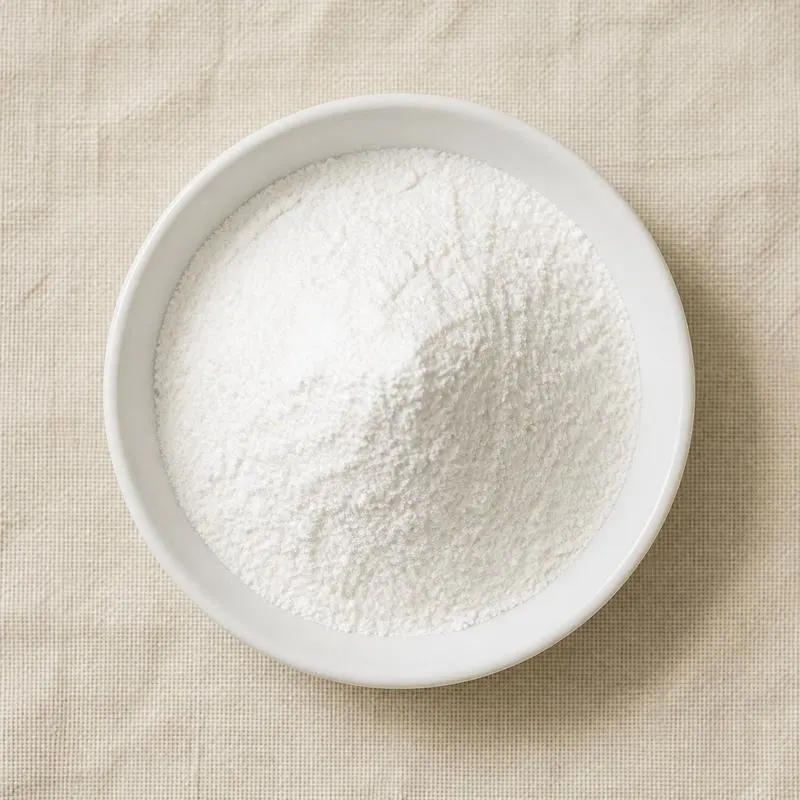
- 25 kg kraft paper bag with PE inner liner
- ISO 9001
- HACCP
- Halal
- Kosher
Specifications
Grades / Types Available: Acetic acid preserved Nata De Coco, Sugared Nata De Coco, Compressed Nata De Coco
| Item | Specification |
|---|---|
| Appearance | Translucent white to off-white gel cubes, gel-like chewy texture |
| Size | 3×3×3 mm / 5×5×5 mm / 8×8×8 mm / 10×10×10 mm / 12×12×12 mm / 15×15×15 mm |
| Dietary Fiber | ≥ 4.0% |
| Moisture | 92.0–96.0% |
| pH | 3.5–4.5 (with acetic acid preservation) / 6.0–7.0 (sugared) |
| Brix (sugared) | 18–25° |
| SO₂ Residual | ≤ 10 mg/kg |
| Heavy Metals (as Pb) | ≤ 1 mg/kg |
| Lead (as Pb) | ≤ 0.2 mg/kg |
| Total Plate Count | ≤ 100 CFU/g |
| Yeast & Mold | ≤ 50 CFU/g |
| E. coli | Negative/g |
| Salmonella | Negative/25g |
| Shelf Life | 12–18 months in sealed packaging |
| Particle Size/Mesh | 3x3x3mm, 5x5x5mm, 8x8x8mm, 10x10x10mm, 12x12x12mm, 15x15x15mm |
| Compressed ratio | 1:5, 1:6 |
Common Markets Grades
Nata de coco is graded by cut size, sugar content, and treatment.
Cube size grades include small (5 by 5 by 5 millimeters) for bubble tea and drink toppings, medium (10 by 10 by 10 millimeters) for fruit cocktails and jellies, and large (15 by 15 by 15 millimeters) or strip-cut for desserts and snack packs.
Plain (unsweetened) nata de coco packs in light brine or water for industrial reformulation. Sweetened grades carry 30 to 50 percent sugar in the syrup and are ready for direct retail packaging.
Flavoured grades carry added pineapple, mango, lychee, or pandan flavour and colour, with corresponding sugar adjustment.
Bulk grades pack at 10 to 25 kilograms in HDPE drums with brine cover for further processing. Retail grades pack at 200 grams to 1 kilogram in plastic jars, cans, or pouches with sweetened syrup.
Applications
- Bubble tea, milk tea, and Asian-style beverage toppings
- Fruit cocktail and tropical fruit dessert blends
- Halo-halo, es campur, and other Southeast Asian shaved-ice desserts
- Yogurt and dairy dessert inclusions for textural contrast
- Jelly, pudding, and gelatin dessert ingredients
- Bakery fillings for pastries, buns, and tarts
- Ice cream and gelato inclusions and toppings
- Sweetened canned and pouched retail snacks
- Cocktail and mocktail garnishes for tropical-themed drinks
- Reduced-calorie dessert formulations using nata as a low-energy bulking ingredient
Brands Using Nata De Coco
Widely-distributed consumer products that list Nata De Coco on the ingredient label.
- Thai CocoCoconut Milk Drink with Nata De Coco ↗Product is marketed and named 'Coconut Milk Drink with Nata De Coco' on the official brand page, with 'the tasty texture of nata de coco' highlighted on the product description.Label verified 2026-05-24
- BossenCoconut Jelly (Nata de Coco) ↗Listed: 'NATA DE COCO PULP, HIGH FRUCTOSE SYRUP, WATER, SUGAR, CITRIC ACID, CALCIUM LACTATE, POTASSIUM SORBATE (AS PRESERVATIVE), XANTHAN GUM, COCONUT FLAVOR.'Label verified 2026-05-24
Brand names, product names and logos are the property of their owners. They appear here as published evidence that the ingredient is used, taken from the brand's own label or website. Their appearance is not an endorsement, and it does not mean the brand buys from us or from any manufacturer listed on this site.
China Manufacturers of Nata De Coco
Top Nata De Coco manufacturers in China.
 Hubei Homeyard Food Co., Ltd.2 ingredients in the directory
- Shanghai Yeshen Industrial Co., Ltd.1 ingredient in the directory
Company names and logos are the property of the manufacturers themselves. They are listed here because our own directory records them as producing this ingredient. A listing is not an endorsement by them, and we do not represent them or speak on their behalf.
How We Help Source Nata De Coco
Direct Factory Sourcing
We run the whole process: selecting the manufacturer from the top Chinese food ingredient producers, negotiating the price, verifying quality, and coordinating the logistics. You deal with us instead of with several factories at once.
Original Packaging and Documents from the Manufacturer
The manufacturer sends your Nata De Coco out of its own factory in the original packing, through to your destination port. The COA, COO, MSDS, TDS and any certifications reach you from the manufacturer as well.
Free Samples and Lead Time
We send 100 to 500 g free for your own laboratory to test and you cover only the courier, usually within 2 to 3 working days. ETD is usually within 7 to 15 days once the order is confirmed, and we check that date against the factory's own manufacturing schedule before we give it to you.
Combined Shipment
We can load Nata De Coco together with other ingredients such as Instant Coffee, Instant Tea and Tea Concentrate into one 20' FCL. If your quantity is small, we can also ship LCL.
Regulatory Status
Nata de coco is a traditional Southeast Asian food and is permitted in all major markets.
The Philippines, Indonesia, and Thailand maintain national product standards. Philippine National Standard PNS/BAFS 145:2014 covers nata de coco compositional and quality requirements.
Codex Alimentarius does not have a dedicated nata de coco standard, but general fruit and dessert standards apply when sweetened versions are produced internationally.
The European Union accepts nata de coco as a traditional food and applies Regulation 1333/2008 on food additives for any added preservatives or sweeteners. The U.S. Food and Drug Administration treats it under general food regulations.
Halal certification is widely available and important for the Indonesian and Malaysian domestic markets. Kosher certification is available from several producers. The product is naturally vegan and gluten free.
Manufacturing Process
Production begins with fresh coconut water, the clear liquid from the endosperm cavity of mature or young coconuts, which provides the sugar substrate for fermentation.
The coconut water is filtered, adjusted to about 5 percent sucrose, acidified to pH 4 with acetic acid, and pasteurised. It is poured into shallow trays at a depth of 2 to 3 centimeters and inoculated with a 10 percent starter culture of Komagataeibacter xylinus.
The trays are held in a static incubation room at 28 to 30 degrees Celsius for 8 to 14 days. The aerobic bacteria float at the liquid surface and synthesise cellulose microfibrils, building a pellicle that thickens day by day.
At harvest the pellicle is lifted from the tray, washed in running water to remove acid and free bacteria, and boiled for 30 to 60 minutes to inactivate residual organisms and remove residual flavour compounds.
The cleaned pellicle is cut into cubes or strips of the target size, soaked in fresh water to neutralise, then immersed in sugar syrup or packed plain in brine for industrial sale. Sweetened cubes are pasteurised in their final pack and sealed.