Natural Chicken Extract
Natural chicken extract is a concentrated savoury ingredient made by cooking chicken meat and bone in water and reducing the resulting stock, often with a controlled enzymatic hydrolysis step, to a paste or powder. It carries the soluble fraction of the muscle: free amino acids, peptides, 5'-inosinate, gelatine derived collagen and rendered fat, together with the aroma compounds formed when those precursors react during cooking.
Functionally it delivers chicken character and general savoury depth in one addition. The glutamate and inosinate content gives umami taste, the peptide fraction contributes mouthfeel and a lingering finish, and the volatile fraction supplies the roast and boiled notes that a compounded flavour alone struggles to reproduce. Because it is derived from meat it can be declared as chicken extract rather than as a flavour enhancer.
Trade forms are a thick brown paste at 60 to 80 percent solids, a spray dried powder on maltodextrin or salt carrier, and a clear defatted liquid concentrate. Paste and powder dissolve fully in hot water, are stable through retort processing, and darken with prolonged heating as Maillard reaction continues in the pack.
We source bulk Natural Chicken Extract from top China manufacturers for our partners. The manufacturer is in Fujian. A smaller requirement can ship in a combined container with other ingredients.
Please send the grade you need, the volume and your destination port, and we will come back with a solution and a price.
or call +86-21-6858 0751
- Function
- Plant extract
Specifications
| Item | Specification |
|---|---|
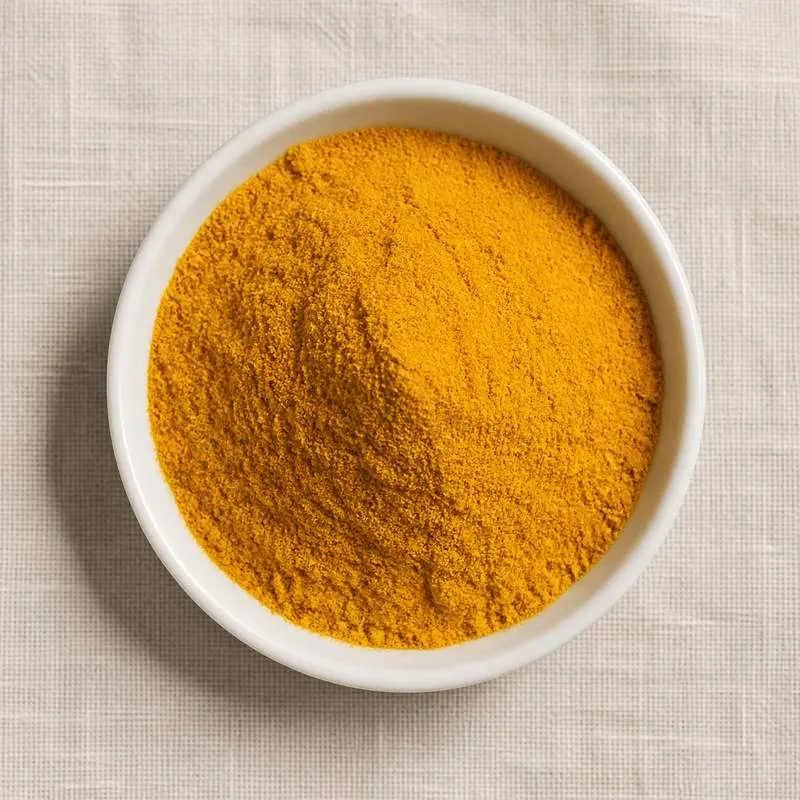
| Appearance | Light brown free flowing powder |
| Odour and Taste | Characteristic cooked chicken, savoury, no rancid note |
| Total Nitrogen (dry basis) | ≥ 8.0% |
| Amino Nitrogen | ≥ 2.5% |
| Protein (N x 6.25) | ≥ 50.0% |
| Fat | ≤ 5.0% |
| Sodium Chloride | ≤ 5.0% |
| Loss on Drying | ≤ 5.0% |
| Total Ash | ≤ 12.0% |
| Heavy Metals (as Pb) | ≤ 10 mg/kg |
| Lead | ≤ 1.0 mg/kg |
| Arsenic | ≤ 0.5 mg/kg |
| Total Plate Count | ≤ 10,000 cfu/g |
| Yeast and Mould | ≤ 100 cfu/g |
| E. coli | Negative |
| Salmonella | Absent in 25 g |
Common Markets Grades
Grades are distinguished first by raw material. Extracts made from whole meat command a different specification from those built on bone and mechanically separated residue, and the difference shows in protein content, fat and ash. Within each type, products are sold on total nitrogen, amino nitrogen and sodium chloride content, with amino nitrogen expressed as a percentage of total nitrogen indicating how far hydrolysis has been taken.
Physical grades cover paste at around 70 percent solids in pails or drums, spray dried powder at 95 percent solids, and low sodium versions for salt reduced applications. Defatted and low fat versions are produced for clear soup and beverage use where fat separation is unacceptable. Halal certified production is common, and organic and antibiotic free chicken sourcing is offered as a separate line.
Applications
- Bouillon cubes and stock powders, forming the meat base that a compounded chicken flavour is layered onto
- Instant noodle soup sachets, where powder must dissolve in boiling water within seconds
- Retort and canned soups, where it survives sterilisation without losing savoury character
- Ready meals and frozen entrées, restoring the roast note lost during freezing and reheating
- Chinese style sauces and marinades, including stir fry bases and braising liquids
- Savoury snack seasonings applied topically to crisps and extruded snacks
- Chicken nuggets and coated poultry products, added to the brine or batter to reinforce the meat note
- Gravies and roux based sauces, where the gelatine fraction adds body
- Pet food palatants, where the nucleotide and peptide fraction drives acceptance
Brands Using Natural Chicken Extract
Widely-distributed consumer products that list Natural Chicken Extract on the ingredient label.
- BRAND'SEssence of Chicken ↗The ingredient statement for this bottled drink reads concentrated chicken extract (water, chicken) and colour E150a.Label verified 2026-08-31
- BRAND'SEssence of Chicken Drink with Cordyceps Extract ↗Essence of chicken is the first listed ingredient, combined with wild cordyceps, tangkwei and Chinese licorice.Label verified 2026-08-31
Brand names, product names and logos are the property of their owners. They appear here as published evidence that the ingredient is used, taken from the brand's own label or website. Their appearance is not an endorsement, and it does not mean the brand buys from us or from any manufacturer listed on this site.
China Manufacturers of Natural Chicken Extract
Top Natural Chicken Extract manufacturers in China.

Company names and logos are the property of the manufacturers themselves. They are listed here because our own directory records them as producing this ingredient. A listing is not an endorsement by them, and we do not represent them or speak on their behalf.
Regulatory Status
In the United States chicken extract is a meat derived food ingredient rather than an additive. Production for the domestic market falls under Food Safety and Inspection Service jurisdiction and the plant operates under a meat inspection programme, with labelling handled as chicken stock or chicken extract on the ingredient statement. No food additive regulation or GRAS listing applies to the extract itself, though any carrier or preservative added to it must be permitted.
In the European Union the material is an animal origin food ingredient, Regulation 853/2004 on hygiene rules for products of animal origin governs it, and imports must come from an approved third country establishment with the correct health certificate. It carries no E number. Codex has no commodity standard for meat extracts, so contaminant and hygiene expectations follow the general Codex contaminant standard and the code of hygienic practice for meat.
Manufacturing Process
Chicken frames, trimmings or whole carcass are received chilled, ground and loaded into jacketed extraction vessels with water. Cooking runs at 90 to 100 degrees Celsius, or under mild pressure, which solubilises collagen as gelatine and releases free amino acids and nucleotides. Many plants add a food grade protease at a controlled temperature and pH before the main cook, then inactivate it by heating, which raises soluble yield and lifts amino nitrogen.
The cooked mass is separated by decanter centrifuge into solids, aqueous stock and fat, and the stock is polished by disc centrifuge and filtration. It is then concentrated in a multiple effect or falling film vacuum evaporator to 60 to 80 percent solids, at which point the paste is either packed as is or blended with carrier and salt and spray dried. A short reaction stage with reducing sugars is sometimes run on the concentrate to build additional roast notes before drying.