Mixed Tocopherols
Mixed Tocopherols is a concentrate of the four naturally occurring tocopherol homologues, alpha, beta, gamma and delta, recovered from vegetable oil refining and used mainly as a fat soluble antioxidant rather than as a vitamin source.
All four share a chromanol ring bearing a saturated phytyl side chain and differ only in how many methyl groups sit on that ring. The methylation pattern decides the balance of the two functions: alpha-tocopherol has the highest vitamin E activity in the body, while gamma and delta are the more effective chain breaking antioxidants in an oil or a fat. Because the concentrate is made from soybean, sunflower or rapeseed deodoriser distillate, gamma-tocopherol is usually the dominant homologue, and that composition is why the material is bought for oxidative stability.
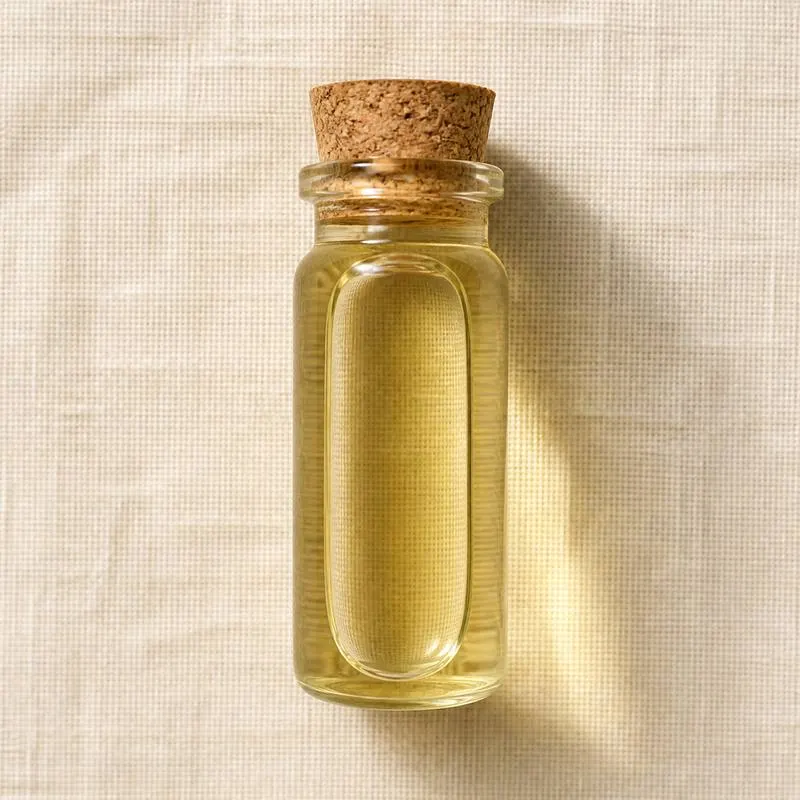
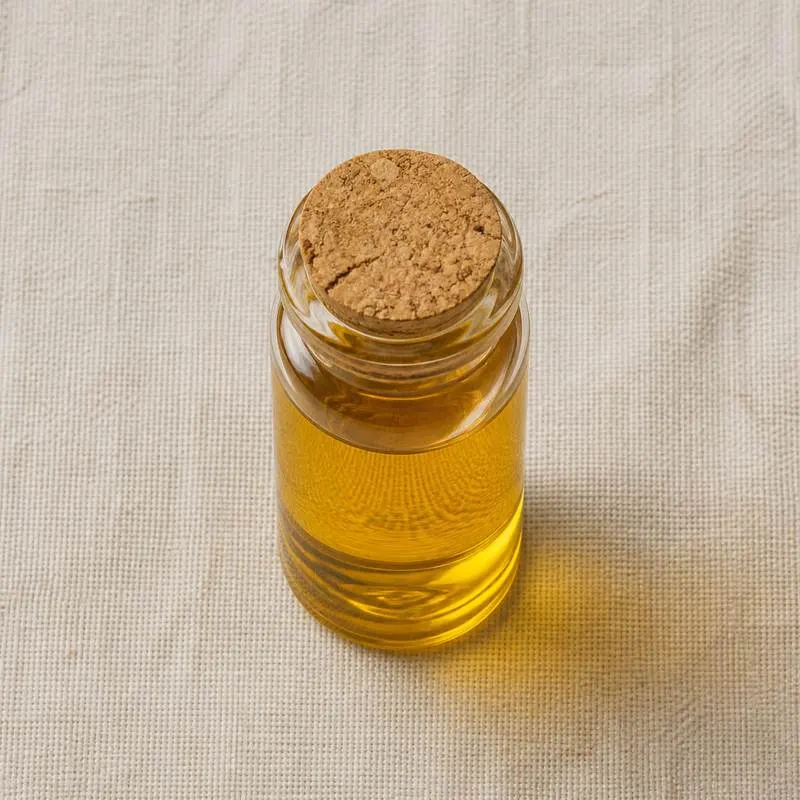
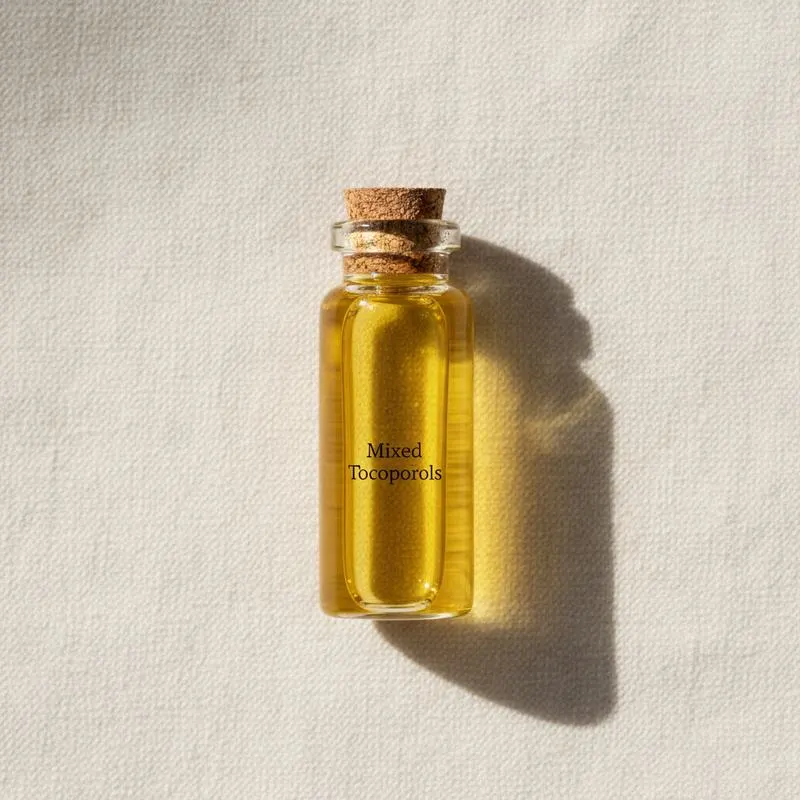
It is a clear to slightly cloudy viscous oil, amber to reddish brown, with a characteristic vegetable oil odour. It is insoluble in water, miscible with oils, fats and ethanol, and it darkens on exposure to air and light, so it is handled and stored under nitrogen. In use it interrupts the propagation of lipid oxidation by donating a hydrogen atom to peroxyl radicals, and it works in synergy with ascorbyl palmitate and with chelators such as citric acid, which regenerate the tocopherol and remove the metal ions that initiate oxidation.
We source bulk Mixed Tocopherols from top China manufacturers for our partners. The manufacturers are in Zhejiang and Jiangsu. A smaller requirement can ship in a combined container with other ingredients.
Please send the grade you need, the volume and your destination port, and we will come back with a solution and a price.
or call +86-21-6858 0751
Specifications
| Item | Specification |
|---|---|
| Appearance | Clear to slightly turbid viscous oil, amber to reddish brown |
| Odour | Characteristic vegetable oil odour |
| Identification | HPLC retention matches alpha, beta, gamma and delta reference standards |
| Total Tocopherol Assay | 70.0 to 80.0% |
| Alpha-Tocopherol | 10 to 20% of total tocopherols |
| Gamma-Tocopherol | ≥ 50% of total tocopherols |
| Delta-Tocopherol | 15 to 30% of total tocopherols |
| Refractive Index at 20 °C | 1.503 to 1.507 |
| Acid Value | ≤ 3.0 mg KOH/g |
| Peroxide Value | ≤ 10 meq/kg |
| Moisture | ≤ 0.5% |
| Residual Hexane | ≤ 25 mg/kg |
| Lead | ≤ 2.0 mg/kg |
| Arsenic | ≤ 1.0 mg/kg |
Common Markets Grades
The trade grades a buyer sees are set by total tocopherol content, commonly 30, 50, 70 and 90 percent, with the balance made up of the vegetable oil in which the concentrate is diluted. Sunflower oil, soybean oil and medium chain triglyceride are the usual diluents, and the choice matters for allergen labelling and for the oxidative stability of the finished blend itself.
Composition is the second axis. Standard concentrates carry a gamma dominant profile with modest alpha content and are sold for antioxidant duty; alpha enriched grades, produced by fractionation or by methylation of the lower homologues, are sold where vitamin E activity is the point. Delta enriched grades exist for the most demanding oxidative applications. Beyond the oils, dry dispersible grades are made by adsorbing or spray drying the concentrate onto silica, maltodextrin or modified starch for use in dry mixes and premixes, and non-GMO and identity preserved documentation is routine because the feedstock is a commodity oilseed stream.
Applications
- Edible oils, frying oils and fat blends, delaying the onset of rancidity in storage and in use
- Meat products, sausage and rendered fat, protecting against oxidative flavour deterioration and colour loss
- Snack foods, nuts and fried products, added to the frying medium or the seasoning oil
- Bakery fats, margarine and shortening, protecting the fat phase through shelf life
- Omega-3 fish and algal oils, where the highly unsaturated chains oxidise fastest and need the most protection
- Infant formula and clinical nutrition, protecting the lipid fraction and contributing vitamin E activity
- Animal feed and pet food, stabilising the added fat and replacing synthetic antioxidants in clean label ranges
- Vitamin and carotenoid premixes, protecting other oxidisable actives in the same carrier
- Cosmetic emulsions and skin oils, functioning as both antioxidant and label ingredient
- Encapsulated flavour oils, limiting oxidation of citrus and terpene components
Brands Using Mixed Tocopherols
Widely-distributed consumer products that list Mixed Tocopherols on the ingredient label.
- Bob's Red MillHoney Oat Granola ↗Mixed tocopherols appear at the end of the ingredient list as the antioxidant used to keep the granola oils from going rancid.Label verified 2026-08-31
- Bob's Red MillCranberry Almond Homestyle Granola ↗The ingredient list closes with mixed tocopherols, labelled as an antioxidant.Label verified 2026-08-31
- Nature ValleyRoasted Mixed Nut Sweet & Salty Granola Bars ↗The bar's ingredient list names vitamin E (mixed tocopherols) added to retain freshness.Label verified 2026-08-31
Brand names, product names and logos are the property of their owners. They appear here as published evidence that the ingredient is used, taken from the brand's own label or website. Their appearance is not an endorsement, and it does not mean the brand buys from us or from any manufacturer listed on this site.
China Manufacturers of Mixed Tocopherols
Top Mixed Tocopherols manufacturers in China.
- Ningbo Dahongying Bio-engineering Co., Ltd.4 ingredients in the directory
 Wilmar Nutrition (Jiangsu) Co., Ltd.4 ingredients in the directory
Company names and logos are the property of the manufacturers themselves. They are listed here because our own directory records them as producing this ingredient. A listing is not an endorsement by them, and we do not represent them or speak on their behalf.
Regulatory Status
In the European Union Regulation (EC) No 1333/2008 authorises tocopherols as antioxidants, listing tocopherol-rich extract as E306, synthetic alpha-tocopherol as E307, synthetic gamma-tocopherol as E308 and synthetic delta-tocopherol as E309. A concentrate of natural origin of the kind described here falls under E306, and the specifications regulation sets its identity and purity criteria. Where the material is added for nutritional purposes rather than as an antioxidant, it is instead covered by the vitamin addition rules of Regulation (EC) No 1925/2006 and by the food supplements directive.
In the United States tocopherols are generally recognised as safe for use as chemical preservatives under 21 CFR 182.3890, and alpha-tocopherol is separately affirmed as GRAS for nutrient use. JECFA has evaluated tocopherols and published identity and purity specifications, and Codex lists tocopherol concentrate, mixed, in the General Standard for Food Additives as an antioxidant. Pharmacopoeial monographs exist for tocopherol preparations in the United States and European pharmacopoeias.
Manufacturing Process
The feedstock is deodoriser distillate, the condensate collected under vacuum from the deodorisation stage of vegetable oil refining, in which tocopherols are concentrated alongside free fatty acids, sterols, sterol esters, squalene and glycerides. Soybean distillate is the largest single source.
The distillate is first esterified or transesterified with methanol under acid catalysis so that free fatty acids are converted into methyl esters, which boil far below the tocopherols and can be stripped off. Sterols are then removed by crystallisation from a solvent at low temperature, taking advantage of their poor solubility, and the mother liquor is carried forward. The tocopherol rich stream is concentrated by short path or molecular distillation under high vacuum, a low residence time technique that avoids the thermal degradation a conventional column would cause. One or more distillation passes raise the tocopherol content to the target grade, and the concentrate may be decoloured on adsorbent and deodorised. It is then standardised with refined vegetable oil to the declared assay, blanketed with nitrogen and filled into lined drums.