Non GMO Soy Oil
Non GMO soy oil is refined soybean oil pressed and extracted from identity preserved soybeans that have not been genetically modified, with the non GM status carried through segregated handling and documented from the field to the finished oil. Chemically it is the same triglyceride mixture as conventional soybean oil, dominated by linoleic acid at roughly half the fatty acid profile, with oleic and palmitic acids next and a smaller share of alpha linolenic acid.
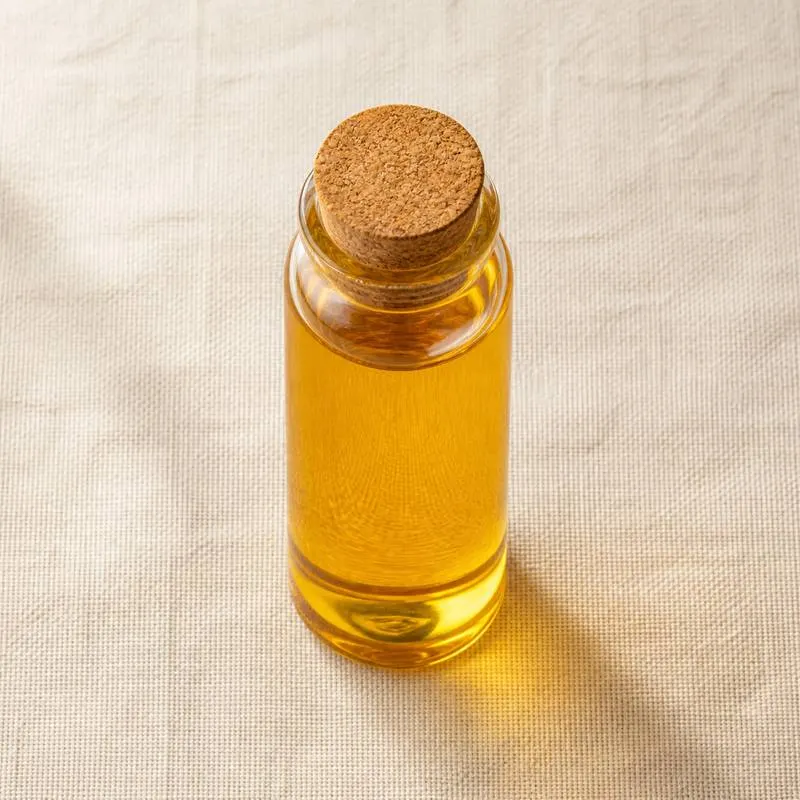
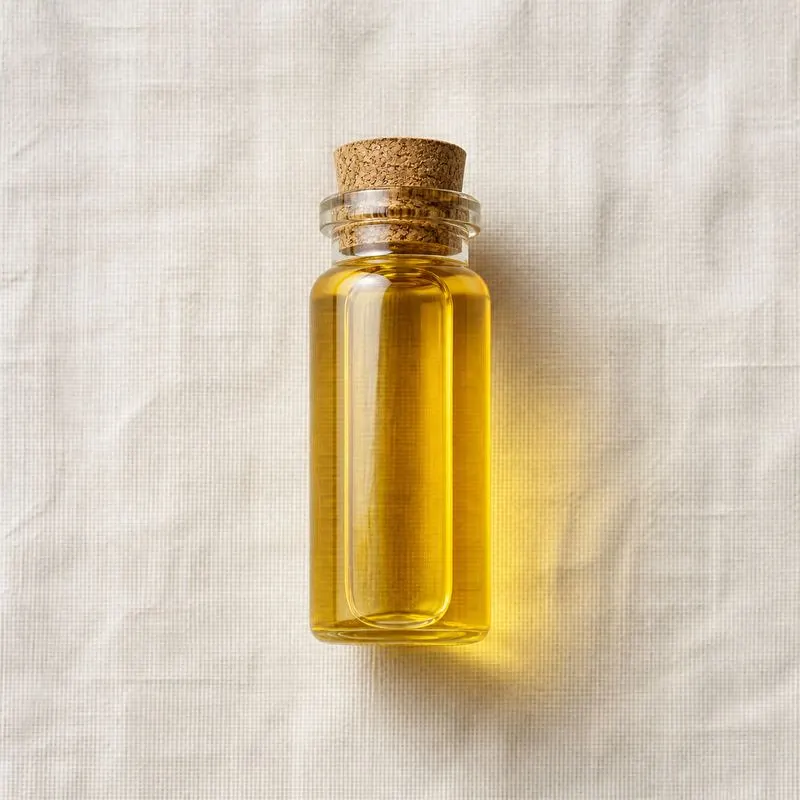
The refined oil is a clear pale yellow liquid at ambient temperature, bland in odour and taste, with a smoke point high enough for general frying. It is a significant natural source of vitamin E as tocopherols, which also contribute to its oxidative stability. The high polyunsaturated content makes the oil more prone to oxidation than palm or high oleic oils, so packaging under nitrogen and protection from light and heat decide its shelf life.
Crude soybean oil is also the industrial source of lecithin, recovered from the gums removed during degumming, so non GM lecithin production is tied to the same identity preserved supply chain. Fully refined oil ships in flexi tanks, drums and IBCs, and in bottled retail formats.
We source bulk Non GMO Soy Oil from top China manufacturers for our partners. The manufacturers are in Shandong. A smaller requirement can ship in a combined container with other ingredients.
Please send the grade you need, the volume and your destination port, and we will come back with a solution and a price.
or call +86-21-6858 0751
- Function
- Nutraceutical
Specifications
| Item | Specification |
|---|---|
| Appearance | Clear pale yellow oil, free from sediment at 20 degrees C |
| Odour and Taste | Bland, free from rancid or foreign notes |
| Free Fatty Acid, as oleic | Not more than 0.10 percent |
| Peroxide Value | Not more than 2.0 meq/kg |
| Moisture and Volatile Matter | Not more than 0.10 percent |
| Colour, Lovibond 5.25 inch | Not more than 2.0 red |
| Iodine Value | 124 to 139 |
| Phosphorus | Not more than 10 mg/kg |
| Soap Content | Not detected |
| Lead (Pb) | Not more than 0.1 mg/kg |
| Arsenic (As) | Not more than 0.1 mg/kg |
| Residual Solvent | Not more than 10 mg/kg |
| Genetically Modified Material | Not detected by PCR, identity preserved documentation supplied |
Common Markets Grades
The primary grades are crude, degummed, and fully refined, bleached and deodorised oil. Crude and degummed grades move between processors; the fully refined grade is the food grade sold for cooking, frying and formulation. Within refined oil, a winterised grade has the higher melting fractions removed so that it stays clear under refrigeration, which matters for dressings and mayonnaise.
Processing grades include partially and fully hydrogenated oil for bakery fats, interesterified blends, and high oleic non GM soybean oil grown from conventionally bred varieties, which trades at a premium for frying because of its longer fry life. Organic non GM oil is a separate grade, usually expeller pressed rather than solvent extracted. Non GM status itself is a documentation grade rather than an analytical one, supported by identity preservation certificates and periodic polymerase chain reaction testing.
Applications
- Frying oils and fry blends for foodservice and industrial fryers
- Mayonnaise, dressings and emulsified sauces, in winterised grade
- Margarine and spread bases, usually in blends with harder fats
- Bakery doughs, batters and release agents
- Infant and clinical nutrition, as a source of linoleic acid where non GM status is required
- Feedstock for lecithin recovery, itself an emulsifier for chocolate and bakery
- Carrier oil for oil soluble flavours, colours and vitamin premixes
- Encapsulation base for softgel supplement fills
- Snack seasoning oils and spray oils for coating extruded products
China Manufacturers of Non GMO Soy Oil
Top Non GMO Soy Oil manufacturers in China.
 Gaotang Lufaxinde Biotechnology Co., Ltd.8 ingredients in the directory
 Shandong Yuxin Bio-tech Co., Ltd.8 ingredients in the directory
Company names and logos are the property of the manufacturers themselves. They are listed here because our own directory records them as producing this ingredient. A listing is not an endorsement by them, and we do not represent them or speak on their behalf.
Regulatory Status
In the United States soybean oil is a common food ingredient and is generally recognised as safe for its intended uses. The Food and Drug Administration has authorised a qualified health claim relating the consumption of soybean oil to a reduced risk of coronary heart disease, based on its unsaturated fat content. Labelling of soybean oil as an allergen follows the treatment of highly refined oils under the allergen labelling rules. Non GMO claims are voluntary and rest on the manufacturer substantiating them; certification schemes are private rather than federal.
In the European Union soybean oil is a food, not a food additive, and is subject to the general food law framework together with the contaminants and pesticide residue regulations. Regulation (EC) No 1829/2003 and Regulation (EC) No 1830/2003 govern genetically modified food and feed labelling, and they are the reference point for a non GM claim and for the traceability documentation behind it. Codex has adopted a standard for named vegetable oils that sets the fatty acid composition ranges and quality criteria for soybean oil.
Manufacturing Process
Identity preserved non GM soybeans are cleaned, cracked and dehulled, then conditioned with heat and rolled into thin flakes to open the cell structure. Most industrial plants extract the flakes with food grade hexane in a countercurrent extractor, giving a miscella of oil and solvent, which is distilled to recover the solvent and leave crude oil; the defatted meal is desolventised and toasted. Expeller pressed lines skip the solvent step and use mechanical screw presses, giving a lower yield but a solvent free oil.
Crude oil is degummed with water and acid to remove phosphatides, which are dried to lecithin, then neutralised with alkali to strip free fatty acids as soapstock. The neutral oil is bleached with activated clay to remove pigments and oxidation products, optionally winterised by chilling and filtering out high melting fractions, and finally deodorised by steam stripping under high vacuum. Segregation of equipment, silos and tankers from GM material is maintained throughout, with cleaning and sampling records supporting the non GM claim.