Nutmeg Extract
Nutmeg extract is the concentrated flavour fraction of the dried kernel of Myristica fragrans, sold either as a steam distilled essential oil or as a solvent extracted oleoresin. The essential oil is dominated by monoterpenes and monoterpene alcohols, principally sabinene, alpha-pinene, beta-pinene, terpinen-4-ol and limonene, together with the aromatic ethers myristicin, elemicin and safrole that give nutmeg its distinctive warm sweet character.
The oleoresin carries the same volatile fraction plus the fixed oil of the kernel, which is largely trimyristin, so it sets to a soft semi-solid at ambient temperature and is warmed before dosing. Both forms are used as a direct replacement for ground nutmeg, with one kilogram of oleoresin standing in for roughly twenty to thirty kilograms of the ground spice.
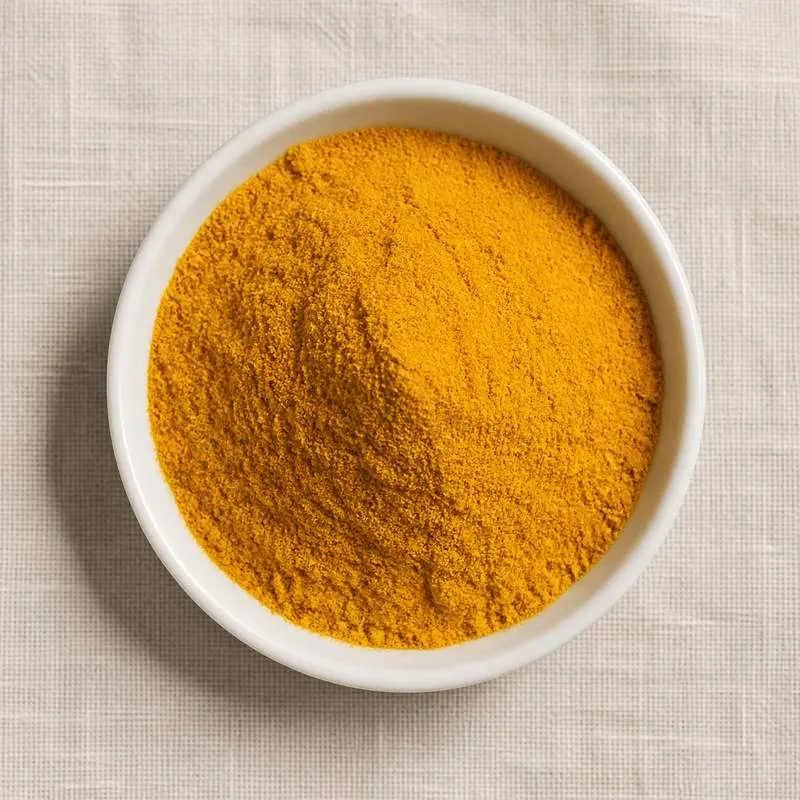
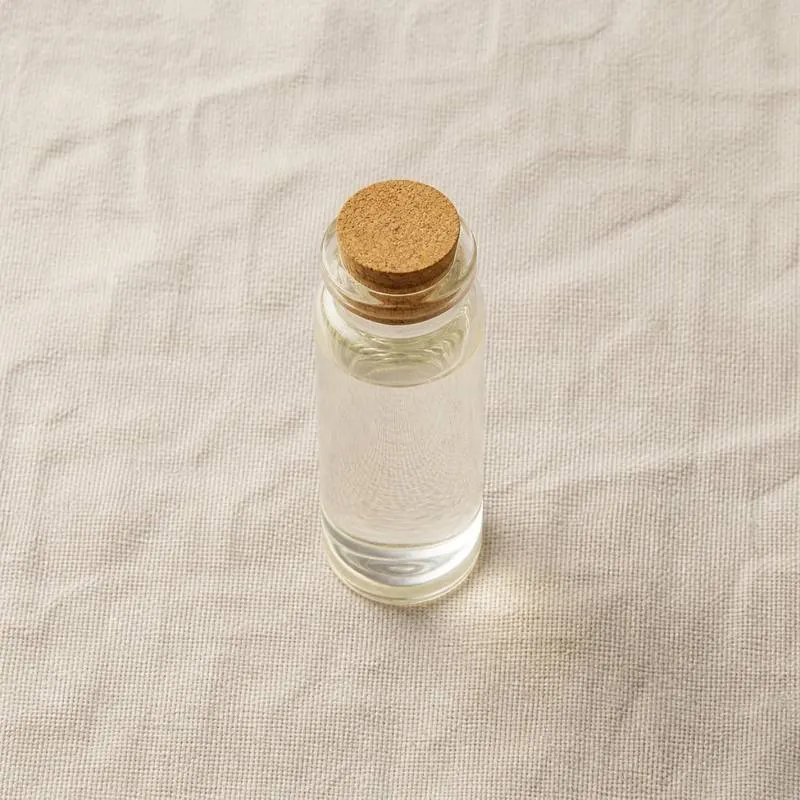
Physically the oil is a pale yellow mobile liquid and the oleoresin an orange brown viscous mass. Neither is water soluble. Both dissolve in ethanol and vegetable oil, and for aqueous systems they are emulsified with polysorbate or spray dried into a gum acacia or modified starch matrix. The volatile fraction is heat sensitive and oxidises on exposure to air, so material is filled under nitrogen and held cold.
We source bulk Nutmeg Extract from top China manufacturers for our partners. The manufacturer is in Henan. A smaller requirement can ship in a combined container with other ingredients.
Please send the grade you need, the volume and your destination port, and we will come back with a solution and a price.
or call +86-21-6858 0751
- Function
- Plant extract
Specifications
| Item | Specification |
|---|---|
| Appearance | Pale yellow to amber mobile liquid |
| Odour and Taste | Characteristic warm spicy nutmeg |
| Identification | Conforms by GC-MS against reference oil |
| Sabinene Content | 15.0 to 35.0% |
| Terpinen-4-ol | 2.0 to 8.0% |
| Myristicin | 2.0 to 12.0% |
| Specific Gravity at 20°C | 0.880 to 0.910 |
| Refractive Index at 20°C | 1.474 to 1.488 |
| Optical Rotation at 20°C | +8° to +30° |
| Solubility | Soluble in 3 volumes of 90% ethanol |
| Moisture | ≤ 0.5% |
| Residual Solvent | ≤ 25 mg/kg |
| Heavy Metals (as Pb) | ≤ 10 mg/kg |
| Lead | ≤ 2.0 mg/kg |
| Arsenic | ≤ 1.0 mg/kg |
Common Markets Grades
Two extraction routes define the main grades. Steam distilled nutmeg oil is specified on optical rotation, refractive index and sabinene content, and is used where a clean top note without fixed oil is wanted. Solvent oleoresin, made with hexane, ethanol or supercritical carbon dioxide, is specified on volatile oil content in millilitres per hundred grams, typically between 20 and 40, and carries a residual solvent limit where a hydrocarbon solvent is used.
Within nutmeg oil, trade distinguishes East Indian material from West Indian material, the latter running lower in myristicin and giving a milder profile. Reduced myristicin and myristicin free grades are produced by fractional distillation for markets that limit the aromatic ether content. Dispersible forms cover polysorbate emulsions, oil dilutions and encapsulated powders on gum acacia at a stated load.
Applications
- Processed meat, particularly frankfurters, bologna and liver sausage, where nutmeg is a defining note of the traditional seasoning
- Bakery goods including doughnuts, spiced cakes and custard tarts, where the oleoresin survives baking better than ground spice
- Dairy desserts such as custard, eggnog and rice pudding, using a dispersible grade for even distribution
- Savoury sauces including béchamel and cream based pasta sauces, where a low dosage rounds the dairy note
- Soup and stock bases, contributing warmth behind pepper and clove
- Confectionery and chocolate fillings in spiced and seasonal profiles
- Beverages, in mulled wine concentrates, chai style ready to drink teas and spiced cola flavours
- Compounded seasoning blends such as garam masala and pumpkin spice, dosed as extract for batch consistency
- Fragrance and personal care accords built on the warm spicy character of the oil
China Manufacturers of Nutmeg Extract
Top Nutmeg Extract manufacturers in China.
Company names and logos are the property of the manufacturers themselves. They are listed here because our own directory records them as producing this ingredient. A listing is not an endorsement by them, and we do not represent them or speak on their behalf.
Regulatory Status
In the United States nutmeg and its oil and oleoresin appear among the spices and natural flavourings generally recognised as safe, with nutmeg oil and oleoresin named in the essential oils and natural extractives listing at 21 CFR 182.20. 21 CFR 189.180 prohibits safrole as an added substance, which in practice limits how nutmeg derived material may be concentrated, and 21 CFR 173 controls extraction solvents as secondary direct additives.
In the European Union nutmeg oil and oleoresin are natural flavouring preparations under Regulation 1334/2008, and that regulation sets maximum levels for the naturally present substances myristicin and safrole in finished foods to which nutmeg is added. Extraction solvents fall under Directive 2009/32/EC. Codex has a standard covering nutmeg as a dried spice, and the Joint FAO WHO Expert Committee has evaluated safrole and related alkenylbenzenes as constituents of concern rather than as permitted additives.
Manufacturing Process
Dried nutmeg kernels are cleaned, graded and crushed immediately before processing, since the volatile fraction is lost from broken material on storage. For essential oil the crushed kernel is charged to a still and steam distilled for several hours, the vapour condensed, and the oil separated from the aqueous distillate by density in a Florentine separator. The oil is dried over anhydrous sodium sulphate, polish filtered and filled under nitrogen. Where a reduced myristicin grade is required, the crude oil is fractionally distilled under vacuum and the higher boiling aromatic ether fraction removed.
For oleoresin the crushed kernel is extracted in counter current flow with hexane, ethanol or ethyl acetate in a percolation battery, or with supercritical carbon dioxide where a solvent free product is specified. The miscella is filtered and the solvent recovered in a falling film evaporator followed by vacuum stripping to bring residual solvent within the permitted limit. The resulting oleoresin is standardised by blending to a target volatile oil content, and dispersible grades are made by emulsifying with polysorbate or by spray drying with a gum acacia carrier.