Oat Flour
Oat flour is milled from the groat of Avena sativa, the oat kernel with its inedible hull removed. Almost all oat flour is wholegrain, because the oat groat resists the bran and germ separation that wheat and maize milling depend on, and because the bran carries most of what makes oats commercially interesting.
In composition it stands apart from the other common cereal flours. Protein runs at 12 to 17 percent and is dominated by globulins rather than the prolamins of wheat, so the flour forms no gluten and no viscoelastic dough. Fat content is 5 to 9 percent, far above any other cereal flour, and it is largely unsaturated, which is why shelf life is the central quality issue. Most distinctive of all is beta glucan, a soluble fibre present at 3 to 6 percent, which dissolves into a viscous solution and is responsible for both the thickening behaviour of oat flour and its authorised cholesterol and glycaemic health claims.
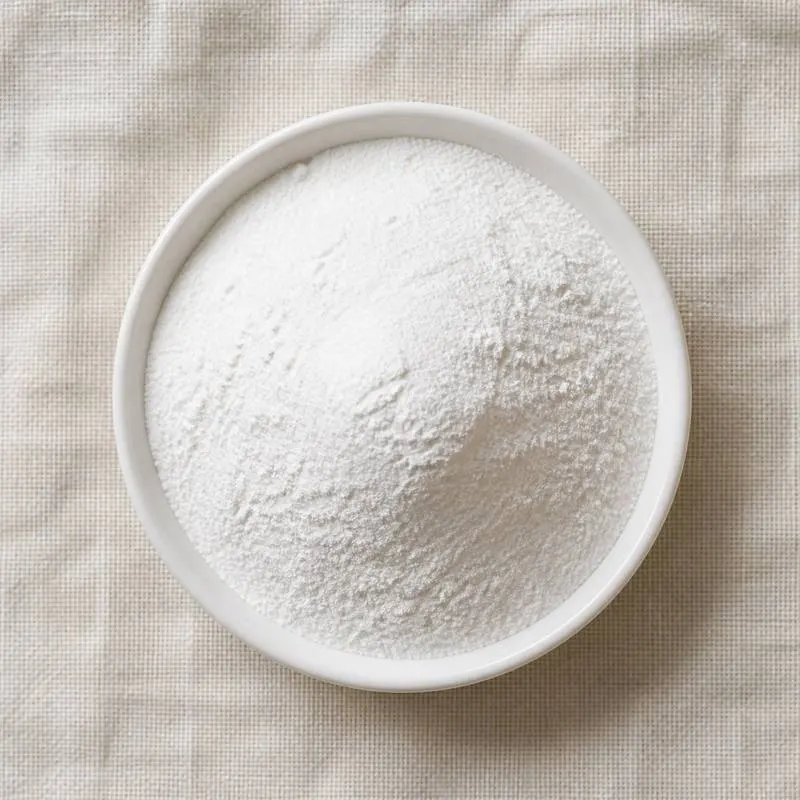
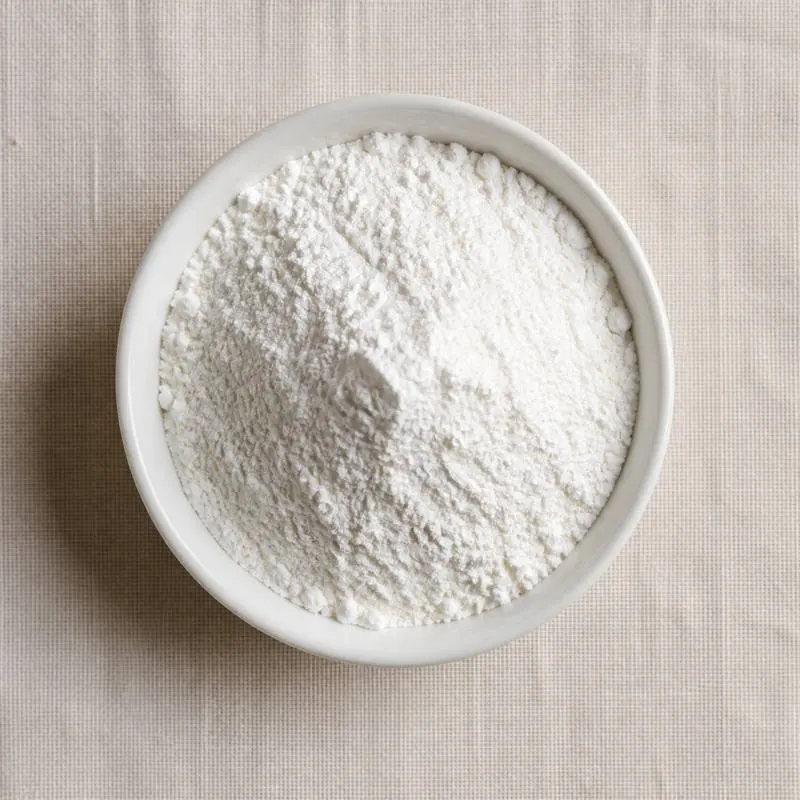
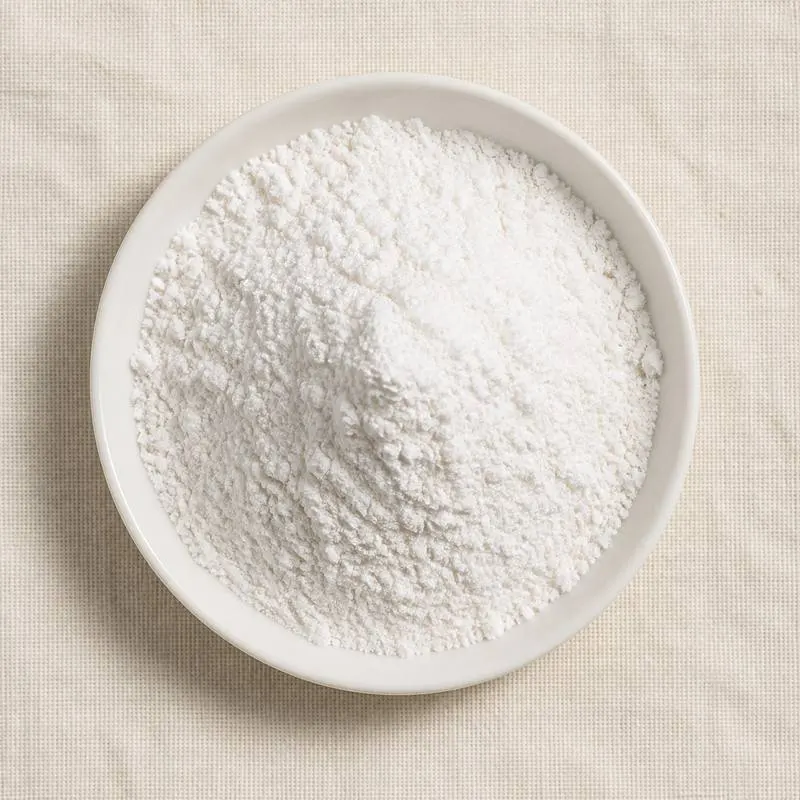
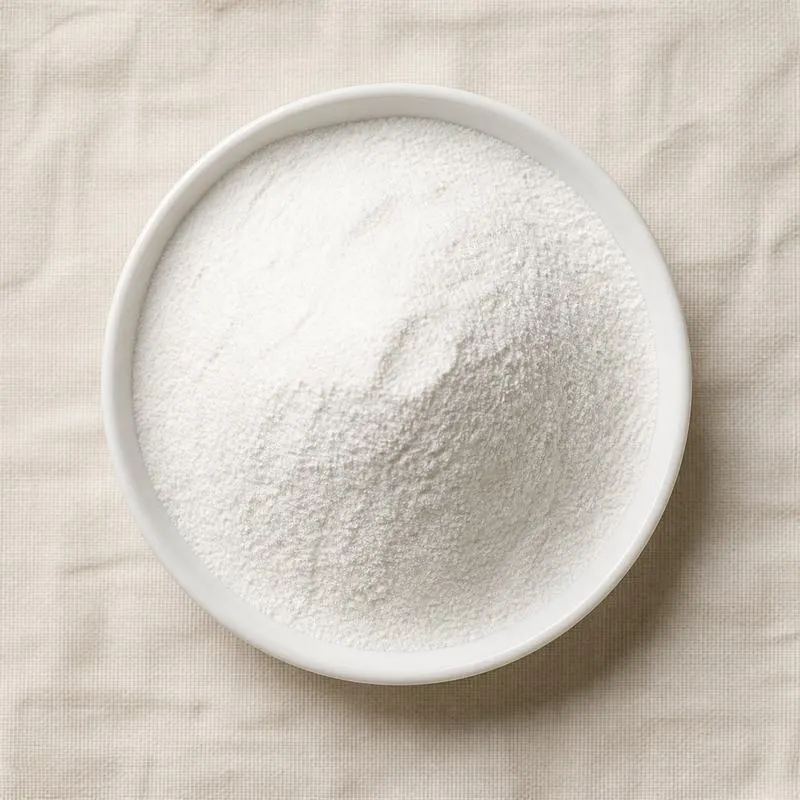
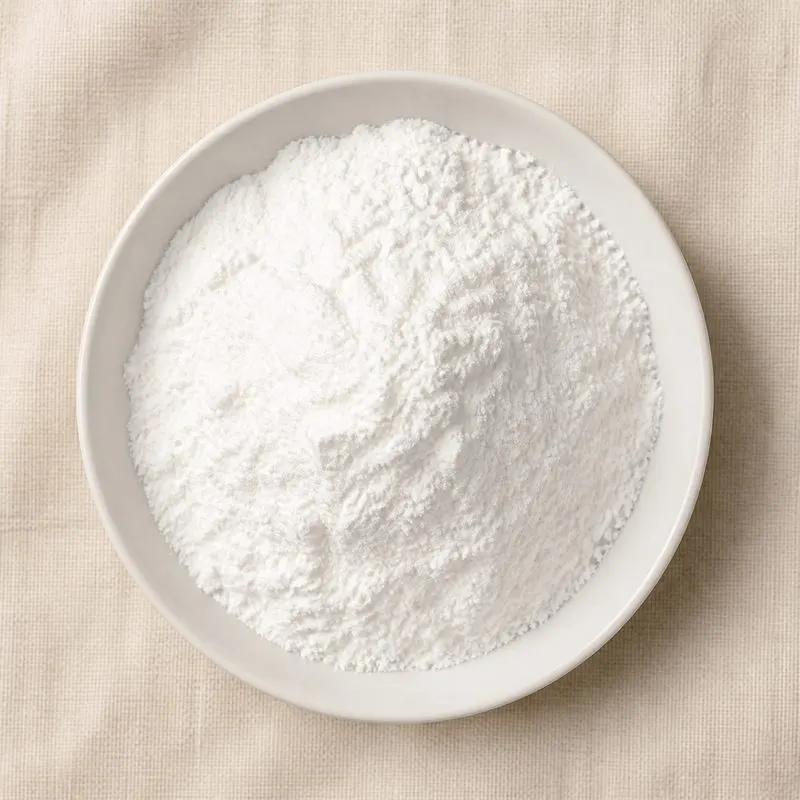
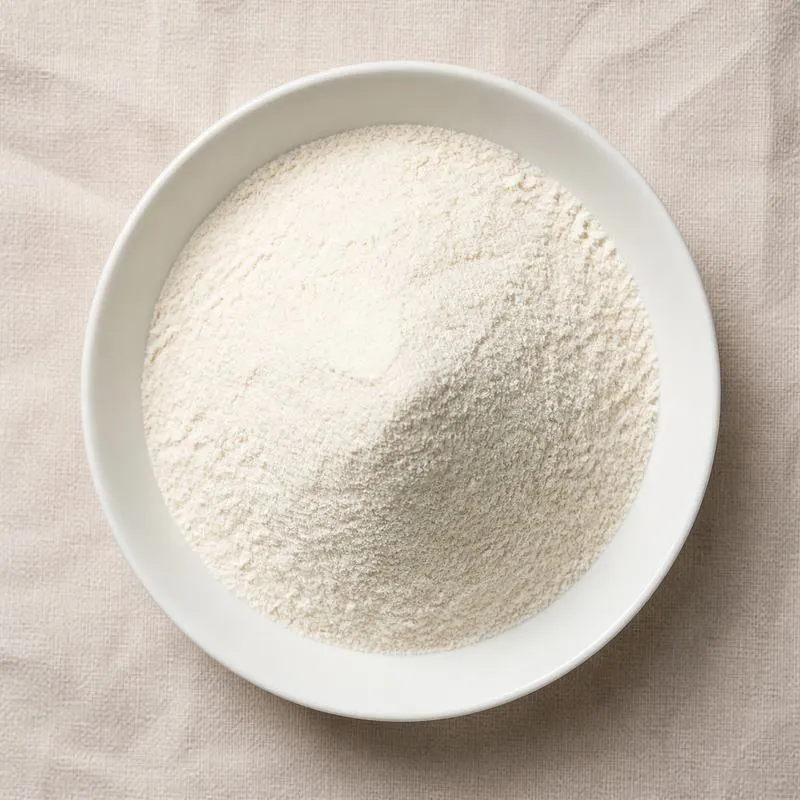
Functionally the flour thickens, binds and holds moisture. Its starch gelatinises from about 55 to 70 degrees Celsius, but the beta glucan builds viscosity independently and at ambient temperature, giving a smooth, mouth coating body that no other cereal flour matches. In baking it contributes tenderness and moisture retention but no structure, so it is blended with wheat flour or with starches and hydrocolloids. The flour is a pale cream free flowing powder with a mild, sweet, characteristically toasted oat flavour.
We source bulk Oat Flour from top China manufacturers for our partners. The manufacturer is in Jiangsu. A smaller requirement can ship in a combined container with other ingredients.
Please send the grade you need, the volume and your destination port, and we will come back with a solution and a price.
or call +86-21-6858 0751
- Function
- Texturisers
Specifications
| Item | Specification |
|---|---|
| Appearance | Pale cream free flowing powder, free of foreign matter |
| Odour and taste | Mild toasted oat, sweet, no rancid, soapy or musty note |
| Particle size, through 60 mesh | 95 percent minimum |
| Moisture | 11.0 percent maximum |
| Protein, nitrogen times 6.25, dry basis | 12.0 percent minimum |
| Fat | 5.0 to 9.0 percent |
| Beta glucan, dry basis | 3.5 percent minimum |
| Total dietary fibre | 9.0 percent minimum |
| Ash, dry basis | 2.2 percent maximum |
| Free fatty acids, as oleic | 0.5 percent maximum |
| Peroxide value | 5 milliequivalents oxygen per kg maximum |
| Gluten, certified gluten free grade | 20 mg/kg maximum |
| Sum of T-2 and HT-2 toxins | 200 micrograms per kg maximum |
| Lead | 0.2 mg/kg maximum |
| Total plate count | 50000 cfu/g maximum |
| Yeast and mould | 1000 cfu/g maximum |
| E. coli | Absent in 1 g |
| Salmonella | Absent in 25 g |
Common Markets Grades
Wholegrain oat flour is the standard article, graded by particle size, moisture, fat, beta glucan content and free fatty acid level; the free fatty acid figure is the practical measure of how well the lipase was inactivated and how fresh the flour is. Fine and coarse grinds are traded, with fine grinds for beverages and smooth baked goods and coarser grinds where texture is wanted.
Sifted or refined oat flour, from which part of the bran has been removed, is made in small volumes for lighter coloured products. Defatted oat flour, made by solvent extracting the oil, is offered where a long shelf life or a higher protein content is required. Pregelatinised oat flour, cooked and drum dried, hydrates in cold water and is used in instant products. Oat bran, oat protein concentrate and beta glucan concentrate are separate fractionated articles from the same groat. The certification tier matters more than usual here: gluten free certified oat flour, grown and handled under purity protocols and tested below the gluten threshold, is a distinct and higher priced line, as is organic certified flour.
Applications
- Oat drinks and plant based beverages, as the base that supplies solids, body and beta glucan
- Bread and baked goods, blended with wheat flour for moisture retention, tenderness and flavour
- Gluten free baking, in the certified gluten free grade, contributing structure and a soft crumb alongside starches and gums
- Cereal bars, granola and breakfast products, as a binder and bulk component
- Infant and toddler cereals, as a mild, easily digested wholegrain carbohydrate
- Cookies, muffins and pancakes, where the fat and fibre give a soft, moist eating quality
- Soups and sauces, thickening with a smooth, mouth coating body from the beta glucan
- Fibre and beta glucan fortification of products carrying a cholesterol or glycaemic response claim
- Meat and plant based patties, binding water and holding the matrix together
- Colloidal oatmeal preparations for skin care, in the finely milled cosmetic grade
Brands Using Oat Flour
Widely-distributed consumer products that list Oat Flour on the ingredient label.
- Terrasoul SuperfoodsOrganic Oat Flour ↗Finely milled gluten free oats sold as a single ingredient flour whose ingredient statement reads organic oats.Label verified 2026-08-31
- Kodiak CakesBlueberry Minute Muffin ↗100% whole grain oat flour is the third ingredient in this single-serve muffin cup, after whole grain wheat flour and brown sugar.Label verified 2026-08-31
- Kodiak CakesDark Chocolate Power Waffles ↗Frozen waffles made with 100% whole grain wheat and 100% whole grain oat flour.Label verified 2026-08-31
Brand names, product names and logos are the property of their owners. They appear here as published evidence that the ingredient is used, taken from the brand's own label or website. Their appearance is not an endorsement, and it does not mean the brand buys from us or from any manufacturer listed on this site.
China Manufacturers of Oat Flour
Top Oat Flour manufacturers in China.
Company names and logos are the property of the manufacturers themselves. They are listed here because our own directory records them as producing this ingredient. A listing is not an endorsement by them, and we do not represent them or speak on their behalf.
Regulatory Status
Oat flour is a food, not a food additive, and carries no E number. In the United States it is a common food ingredient subject to the general food safety and preventive controls framework, and the Food and Drug Administration permits a health claim linking beta glucan soluble fibre from whole oats to reduced risk of coronary heart disease, subject to a minimum beta glucan content per serving, which is why beta glucan assay forms part of the traded specification.
In the European Union oat flour is regulated under general food law and the contaminants legislation. Two matters dominate. The first is gluten: oats are a declarable allergen as a cereal containing gluten in the European Union and are subject to allergen labelling and cross contact control in the United States, but oats grown, harvested, transported and milled under purity protocols and tested below the gluten threshold may be labelled gluten free in both jurisdictions. The second is health claims: oat beta glucan carries authorised claims in the European Union relating it to the maintenance of normal blood cholesterol concentrations and to the reduction of post prandial glycaemic response, each conditional on a stated beta glucan content. Mycotoxin limits for deoxynivalenol, zearalenone, ochratoxin A and, for oats specifically, T-2 and HT-2 toxins apply under the contaminants legislation. Codex maintains a standard for oats covering composition and quality.
Manufacturing Process
Oats are cleaned to remove straw, dust, weed seeds and other grains, then sized and dehulled. Dehulling is done by impact, throwing the grain against a ring at high speed so that the hull splits and releases the groat, after which hulls are aspirated away and the groats are separated from unhulled grain on gravity or indent separators. The hull is not edible and goes to feed or to furfural manufacture.
The decisive step is kilning. Oats carry an unusually active lipase which, once the groat is broken, releases free fatty acids rapidly and turns the flour soapy and bitter within days. The groats are therefore steamed and kilned, held at high temperature and controlled moisture for long enough to inactivate the enzyme, and this treatment simultaneously develops the toasted flavour that characterises oat products. Kilned groats are cooled, dried to a stable moisture, and may be cut or flaked before milling. Milling to flour is done on hammer, pin or roller mills, with the choice affecting particle size distribution and starch damage, and the flour is screened to the target granulation with oversize returned. Because the flour is high in fat it is handled cool, passed over a magnet and metal detector and packed in moisture and oxygen barrier bags. Free fatty acids and peroxide value are checked at release and monitored through shelf life.