Opl
OPL is the trade designation for 1-oleoyl-2-palmitoyl-3-linoleoyl-glycerol, a structured triglyceride in which palmitic acid occupies the middle, sn-2, position of the glycerol backbone with oleic acid at one outer position and linoleic acid at the other. It belongs to the same family of human milk fat substitutes as OPO, 1,3-dioleoyl-2-palmitoyl-glycerol, and the two are usually made and sold alongside each other, since human milk fat contains both.
The positional arrangement is the whole point of the ingredient. In ordinary vegetable fats palmitic acid sits mainly at the outer positions, where pancreatic lipase releases it as a free fatty acid that can form insoluble calcium soaps in the infant gut. When palmitic acid is esterified at the sn-2 position instead, lipase leaves it in place and it is absorbed as a monoglyceride, which is why sn-2 palmitate fats are specified for infant formula. Chinese human milk fat carries a higher proportion of OPL relative to OPO than European milk fat does, which is the reason OPL is manufactured as a distinct article rather than as a by-product of OPO production.
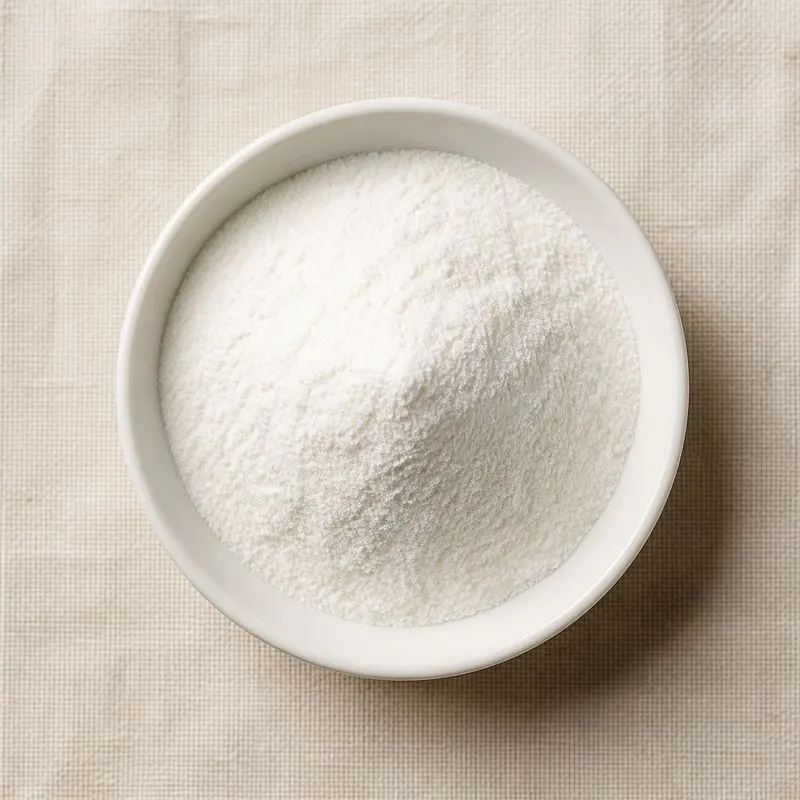
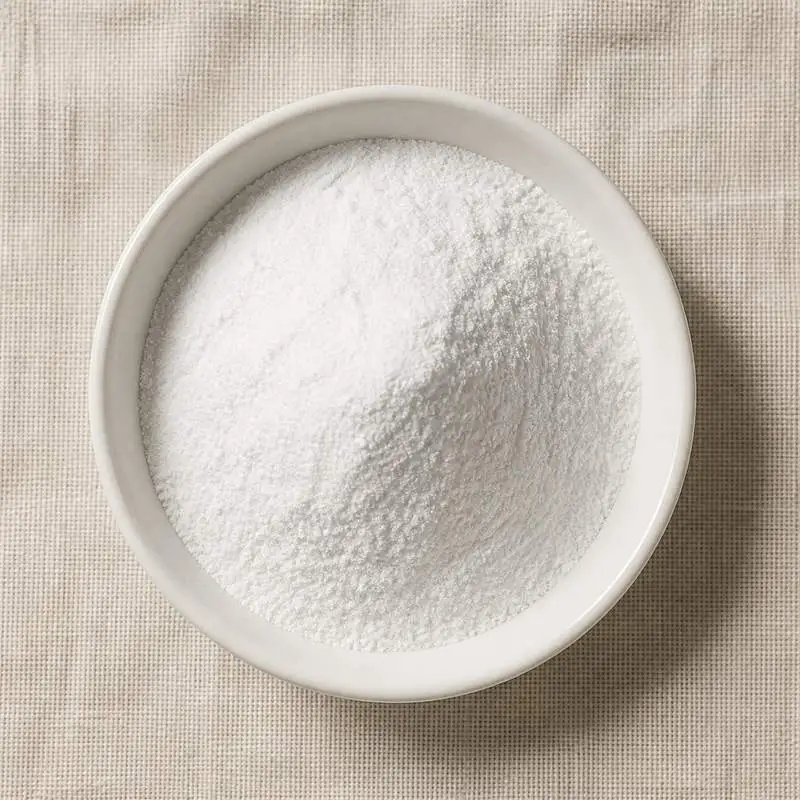
The material is a pale yellow to near white semi-solid or soft fat, melting over a broad range around 30 to 40 degrees Celsius, and also comes as a microencapsulated powder for dry blending into formula base powder. It is insoluble in water and miscible with other fats, and its moderate unsaturation means it needs antioxidant protection, nitrogen blanketing and cool storage, though it is more stable than a long chain polyunsaturated oil.
We source bulk Opl from top China manufacturers for our partners. The manufacturer is in Sichuan. A smaller requirement can ship in a combined container with other ingredients.
Please send the grade you need, the volume and your destination port, and we will come back with a solution and a price.
or call +86-21-6858 0751
- Function
- Nutraceutical
Specifications
| Item | Specification |
|---|---|
| Appearance | Pale yellow to near white soft fat at 25 degrees Celsius, free from sediment when melted |
| Odour and taste | Bland, free from rancid or soapy notes |
| Identification by gas chromatography | Fatty acid profile conforms to reference range |
| Palmitic acid at the sn-2 position | Not less than 55.0 percent of total palmitic acid |
| Total palmitic acid | 38.0 to 48.0 percent of total fatty acids |
| Oleic acid | 25.0 to 38.0 percent of total fatty acids |
| Linoleic acid | 12.0 to 22.0 percent of total fatty acids |
| Free fatty acid as oleic acid | Not more than 0.2 percent |
| Peroxide value | Not more than 1.0 meq/kg |
| Anisidine value | Not more than 5.0 |
| Moisture and volatile matter | Not more than 0.1 percent |
| Trans fatty acids | Not more than 1.0 percent of total fatty acids |
| Unsaponifiable matter | Not more than 1.5 percent |
| Glycidyl fatty acid esters as glycidol | Not more than 500 micrograms/kg |
| 3-monochloropropanediol esters as 3-MCPD | Not more than 750 micrograms/kg |
| Residual hexane | Not more than 1.0 mg/kg |
| Lead | Not more than 0.1 mg/kg |
| Arsenic | Not more than 0.1 mg/kg |
| Total plate count, powder grade | Not more than 1000 cfu/g |
| Salmonella | Absent in 25 g |
| Cronobacter species, powder grade | Absent in 10 g |
Common Markets Grades
Grades are defined by the proportion of palmitic acid esterified at the sn-2 position, expressed as a percentage of total palmitic acid, and the article is not meaningful without that figure. Commercial grades commonly run at not less than 50, 55 or 60 percent sn-2 palmitate, with total palmitic acid and total OPL and OPO triglyceride content declared alongside. The OPL to OPO ratio is itself a specification point, since a producer will formulate the ratio to match the milk fat profile of the target market.
Beyond the positional assay, grades differ by physical form and by declaration. Oil or soft fat for wet mix dosing is distinguished from spray dried microencapsulated powder, which is specified additionally on oil load, surface oil, particle size and dispersibility. Infant formula grade carries tighter limits on free fatty acid, peroxide and anisidine value, on residual solvent, on trans fatty acids and on the process contaminants glycidyl esters and 3-monochloropropanediol esters than a general nutrition grade, and is subject to customer audit. Feedstock declarations, palm origin with sustainability certification, or non-palm where a customer requires it, form part of the specification, as do non-genetically-modified and, in some cases, organic certification.
Applications
- Infant and follow-on formula, the dominant outlet, where it supplies the sn-2 palmitate fraction of the fat blend
- Formula tailored to the Chinese market, where the OPL to OPO ratio is set to match local milk fat composition
- Growing-up milks and toddler nutrition powders
- Preterm and low birth weight nutrition, where fat and calcium absorption are the formulation constraints
- Medical nutrition for infants with fat malabsorption or poor stool consistency
- Maternal nutrition powders formulated with the same structured fat
- Encapsulated fat powders for dry blended nutritional bases
- Fat blend component sold to formula manufacturers alongside vegetable oils and long chain polyunsaturated oils
China Manufacturers of Opl
Top Opl manufacturers in China.

Company names and logos are the property of the manufacturers themselves. They are listed here because our own directory records them as producing this ingredient. A listing is not an endorsement by them, and we do not represent them or speak on their behalf.
Regulatory Status
In the United States structured triglycerides of this kind are used in infant formula on the basis of a generally recognised as safe determination for the specific preparation, and sn-2 palmitate fats have been the subject of GRAS notifications to FDA for use in infant formula and other foods, to which the agency responded with letters raising no questions. Use in infant formula additionally requires the manufacturer of the finished formula to submit a new infant formula notification to FDA under section 412 of the Federal Food, Drug, and Cosmetic Act before marketing, covering the change in composition. The finished formula must also meet the nutrient requirements and the quality factor and quality control provisions of 21 CFR Part 106 and Part 107. The fat ingredient itself is manufactured under the preventive controls rules, with imported material subject to foreign supplier verification.
In the European Union infant formula and follow-on formula composition is governed by Commission Delegated Regulation (EU) 2016/127, which sets the permitted fat sources, the fatty acid limits and the labelling requirements, and food for special medical purposes for infants by Delegated Regulation (EU) 2016/128. A structured triglyceride preparation of this type has been assessed as a novel food and authorised entries appear in the Union list established by Implementing Regulation (EU) 2017/2470, fixing the specification, the permitted categories and the maximum use levels, so an operator matches its preparation to an entry. Contaminant limits, and in particular the limits for glycidyl fatty acid esters and for 3-monochloropropanediol esters in fats intended for infant food set in Regulation (EU) 2023/915, are what limits the refining conditions. Codex Alimentarius covers the finished product through the Standard for Infant Formula and Formulas for Special Medical Purposes Intended for Infants, which addresses the fat composition, and the general standards for contaminants and food hygiene apply.
Manufacturing Process
Manufacture is an enzymatic acidolysis rather than a chemical interesterification, because only an enzyme can distinguish the outer positions from the middle one. The substrate is a triglyceride rich in palmitic acid at the sn-2 position, typically palm stearin or a fractionated tripalmitin rich fraction. It is reacted with a mixture of free oleic and linoleic acid, or with their ethyl esters, obtained by hydrolysis and fractionation of high oleic sunflower, sunflower and soybean oils. The reaction is run in a packed bed or stirred reactor over an immobilised sn-1,3 specific lipase, most often from Rhizomucor miehei or Thermomyces lanuginosus, at 55 to 70 degrees Celsius under low moisture and with nitrogen sparging. The enzyme exchanges the acyl groups at the outer positions only, leaving the palmitic acid at sn-2 untouched, and the ratio of oleic to linoleic acid in the feed sets the OPL to OPO ratio in the product.
The reaction mixture leaving the bed contains the structured triglyceride together with a large excess of free fatty acids, which are removed by short path molecular distillation or by deacidification under high vacuum and recycled to the reactor. The deacidified fat is then refined through a conventional but low severity train: it is neutralised or physically stripped of residual free acid, bleached over activated earth and silica under vacuum to remove colour bodies and oxidation products, and deodorised by steam stripping at the lowest temperature that will remove the volatiles. High deodorisation temperatures generate glycidyl and chloropropanediol esters that infant formula specifications do not tolerate. Antioxidant is dosed on cooling, the fat is filtered, nitrogen blanketed and filled, and where a powder is required it is emulsified with a protein or carbohydrate wall material, homogenised and spray dried. Positional analysis by pancreatic lipase digestion followed by chromatography of the resulting monoglycerides is the release test that confirms the sn-2 palmitate figure.