Oyster Extract
Oyster Extract is a hydrolysate of the soft tissue of the Pacific oyster, Crassostrea gigas, processed under controlled enzymatic conditions to produce a water-soluble concentrate of peptides, free amino acids, minerals, and glycogen.
It carries a high natural load of zinc, taurine, and glycogen relative to other marine raw materials, which is the basis of its position as a supplement ingredient for energy, liver, and male-vitality formulations.
The extract is produced both as a flavour-active savory ingredient for sauces and seasonings and as a standardised nutraceutical for capsules and tablets, with the two grade families differing in degree of hydrolysis, residual lipid content, and aroma profile.
We source bulk Oyster Extract from top China manufacturers for our partners. The manufacturers are in Beijing and Fujian. A smaller requirement can ship in a combined container with other ingredients.
Please send the grade you need, the volume and your destination port, and we will come back with a solution and a price.
or call +86-21-6858 0751
- Packaging
- 25 kg fibre drum with double PE liner
- ISO 9001
- HACCP
- Halal
- Kosher
Specifications
Grades / Types Available: Food Grade, Feed Grade
| Item | Specification |
|---|---|
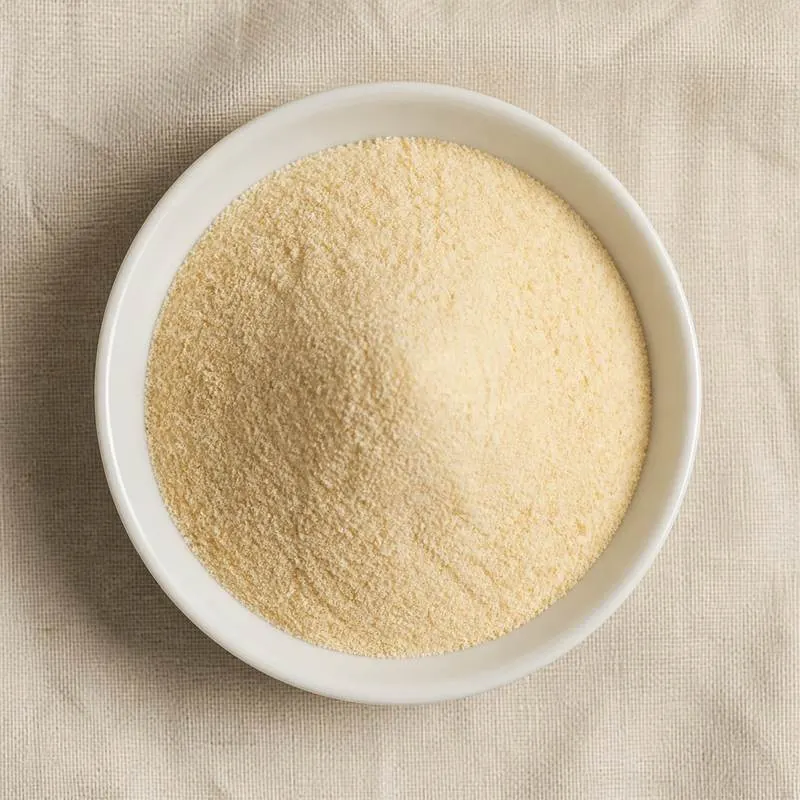
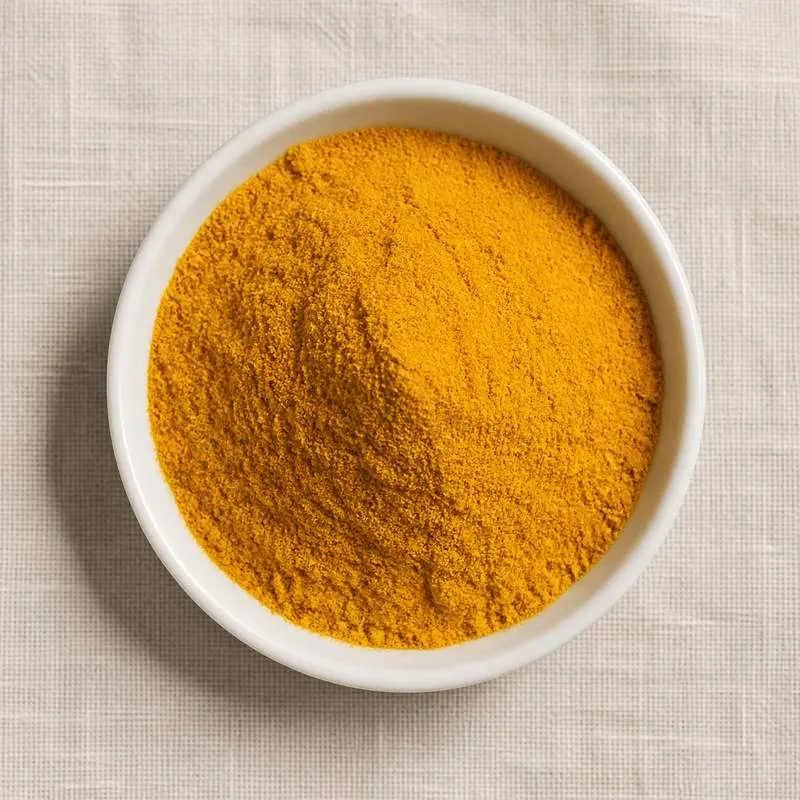
| Appearance | Light yellow to brown fine powder |
| Moisture | ≤6.0% |
| Protein (N×6.25) | ≥50% |
| Taurine | ≥1.0% |
| Zinc | ≥300 mg/kg |
| Amino Acid Nitrogen | ≥3.0% |
| Ash | ≤15% |
| Solubility | ≥95% |
| Heavy Metals (as Pb) | ≤1 mg/kg |
| Cadmium | ≤2 mg/kg |
| Arsenic | ≤2 mg/kg |
| Total Plate Count | ≤10,000 cfu/g |
| Salmonella | Absent in 25g |
| Purity (Food Grade) | ≥ 80% |
| Moisture/Loss on Drying | ≤ 8% |
| pH | 6.0 - 7.5 |
| Lead | ≤ 1 ppm |
| Yeast & Mold | ≤ 100 cfu/g |
Common Markets Grades
Oyster Extract is segmented by application.
Seasoning-grade liquid concentrate is typically sold at 40 to 60 degrees Brix and carries the full savory profile of cooked oyster meat. It is the basis of bottled oyster sauce, marinade bases, and stock blends.
Seasoning-grade powder is the spray-dried form of the same hydrolysate, often standardised to a target glutamic acid or free amino nitrogen value. It is used in seasoning blends, instant noodle sachets, and snack coatings.
Supplement-grade powder is deodorised and decolorised to a pale beige or cream colour. It is standardised to one or more marker nutrients, typically zinc at 1 to 3 milligrams per gram, taurine at 30 to 80 milligrams per gram, or glycogen at 100 to 300 milligrams per gram.
Premium supplement grades are concentrated further into a small-volume powder that fits high-dose softgels and capsules, often with declared mineral and amino acid profiles on a lot-by-lot basis.
Applications
- Bottled oyster sauce and Chinese-style stir-fry bases
- Japanese and Korean noodle broths, dipping sauces, and ramen tare
- Seafood soup bases and bisque concentrates in foodservice
- Savory snack seasonings for crackers, chips, and rice-cracker coatings
- Marinades and glazes for grilled and roasted meat and seafood
- Instant noodle, congee, and meal-kit seasoning sachets
- Dietary supplements for zinc, taurine, and glycogen support
- Male-vitality and reproductive-health formulations
- Liver-support stacks paired with milk thistle, schisandra, or curcumin
- Sports and recovery products positioned on glycogen and electrolyte replenishment
- Functional shots and ready-to-drink wellness beverages
- Pet supplements for joint, coat, and reproductive support
Brands Using Oyster Extract
Widely-distributed consumer products that list Oyster Extract on the ingredient label.
- SmidgeOysterZinc Capsules ↗Smidge's OysterZinc capsules use whole Crassostrea gigas (Pacific oyster) extract as a naturally bioavailable whole-food source of zinc, taurine and trace minerals.Label verified 2026-05-24
- SwansonKyoto Japanese Oyster Extract 500 mg Capsules ↗Swanson's Kyoto Japanese Oyster Extract is a 500 mg Crassostrea gigas oyster meat extract capsule sold for natural zinc and taurine content.Label verified 2026-05-24
- Ancient PurityIrish Oyster Extract Capsules ↗Ancient Purity sells a wild Irish Crassostrea gigas oyster extract capsule providing natural zinc, taurine and amino acids.Label verified 2026-05-24
Brand names, product names and logos are the property of their owners. They appear here as published evidence that the ingredient is used, taken from the brand's own label or website. Their appearance is not an endorsement, and it does not mean the brand buys from us or from any manufacturer listed on this site.
China Manufacturers of Oyster Extract
Top Oyster Extract manufacturers in China.
 Beijing Semnl Biotechnology Co., Ltd.10 ingredients in the directory
 Xiamen Yangjiang Foods Co., Ltd.4 ingredients in the directory
Company names and logos are the property of the manufacturers themselves. They are listed here because our own directory records them as producing this ingredient. A listing is not an endorsement by them, and we do not represent them or speak on their behalf.
How We Help Source Oyster Extract
Direct Factory Sourcing
We run the whole process: selecting the manufacturer from the top Chinese food ingredient producers, negotiating the price, verifying quality, and coordinating the logistics. You deal with us instead of with several factories at once.
Original Packaging and Documents from the Manufacturer
The manufacturer sends your Oyster Extract out of its own factory in the original packing, through to your destination port. The COA, COO, MSDS, TDS and any certifications reach you from the manufacturer as well.
Free Samples and Lead Time
We send 100 to 500 g free for your own laboratory to test and you cover only the courier, usually within 2 to 3 working days. ETD is usually within 7 to 15 days once the order is confirmed, and we check that date against the factory's own manufacturing schedule before we give it to you.
Combined Shipment
We can load Oyster Extract together with other ingredients such as Astaxanthin, Dehydrated Garlic and Lutein into one 20' FCL. If your quantity is small, we can also ship LCL.
Regulatory Status
Oyster Extract is regulated as a seafood-derived food ingredient. It does not carry an E number and is not treated as a food additive.
In Japan the ingredient is widely accepted as a conventional food and as a functional food component. Several proprietary oyster extract preparations have been registered under the Foods with Function Claims framework administered by the Consumer Affairs Agency.
In the United States, oyster meat and its hydrolysates are accepted as conventional food ingredients. Dietary-supplement use falls under DSHEA.
In the European Union the substance is treated as a conventional food ingredient. Mollusk allergen labelling applies in all major jurisdictions, and the ingredient is declared as oyster on the finished product.
Heavy-metal limits, marine-biotoxin testing, and HACCP plans for seafood processing apply to the production site. Halal certification depends on the certifying body, as some Islamic schools restrict mollusk consumption. Kosher certification is not applicable.
Manufacturing Process
Production starts with whole oyster meat harvested from farmed beds, mainly in Hiroshima Bay in Japan, the southern coast of Korea, and the coastal provinces of southern China.
Live oysters are shucked, washed, and inspected. The meat is minced and brought into water at controlled temperature, then dosed with food-grade proteases. Typical enzyme blends combine bacterial alkaline proteases with fungal acid proteases to deliver a high degree of hydrolysis without bitter peptide off-notes.
The hydrolysis runs for several hours under agitation, with pH and temperature held within tight ranges. The enzymes are inactivated by a short hold at higher temperature.
The hot hydrolysate is centrifuged to remove insoluble residue and is then defatted by centrifugal separation or by chilled phase separation. The defatted liquid is filtered, decolorised over activated carbon where required, and concentrated under vacuum.
Supplement-grade material undergoes additional purification. Ultrafiltration removes high-molecular-weight aggregates, ion-exchange polishing standardises mineral content, and the final solution is spray-dried into a free-flowing powder.
Each lot is screened for heavy metals, marine biotoxins, and microbiological load, and is assayed for the declared marker nutrients by validated wet-chemistry and instrumental methods.