Panthenol
Panthenol is the alcohol analogue of pantothenic acid, in which the carboxyl group of vitamin B5 is replaced by a hydroxymethyl group, and it is described as a provitamin because the body oxidises it to pantothenic acid after absorption.
Only the D-enantiomer, also called dexpanthenol, carries vitamin activity; the L form is inactive, and the racemic DL-panthenol traded for cosmetic use has half the provitamin content of the D material for the same weight. The molecule is chemically 2,4-dihydroxy-N-(3-hydroxypropyl)-3,3-dimethylbutanamide.
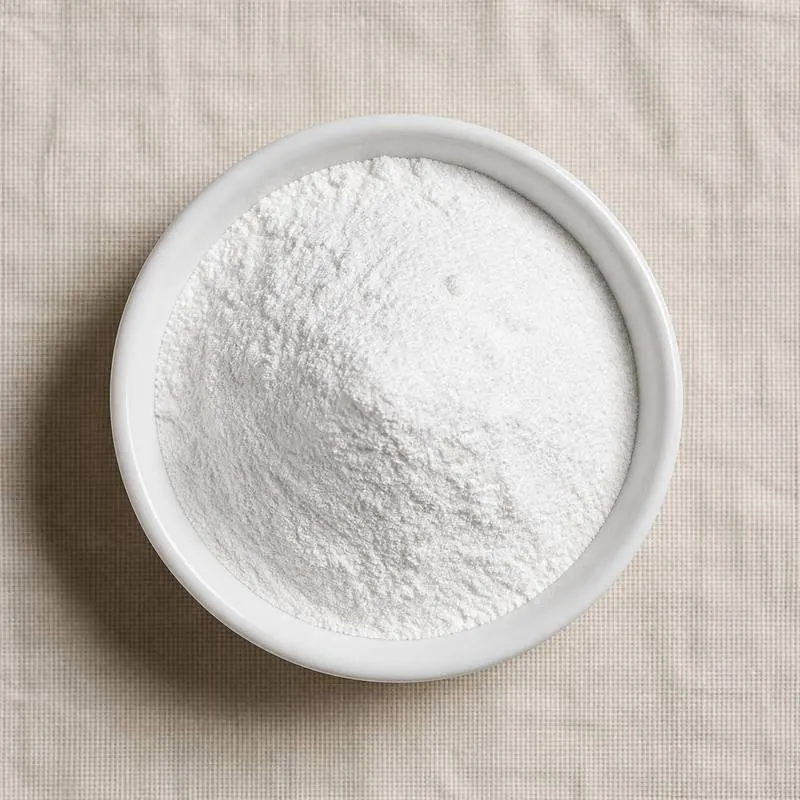
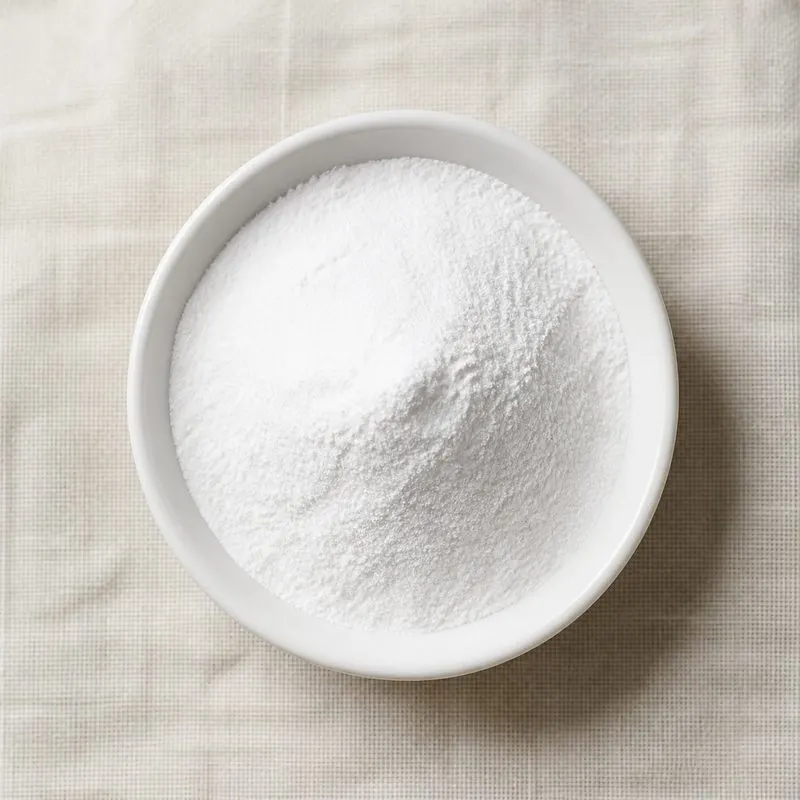
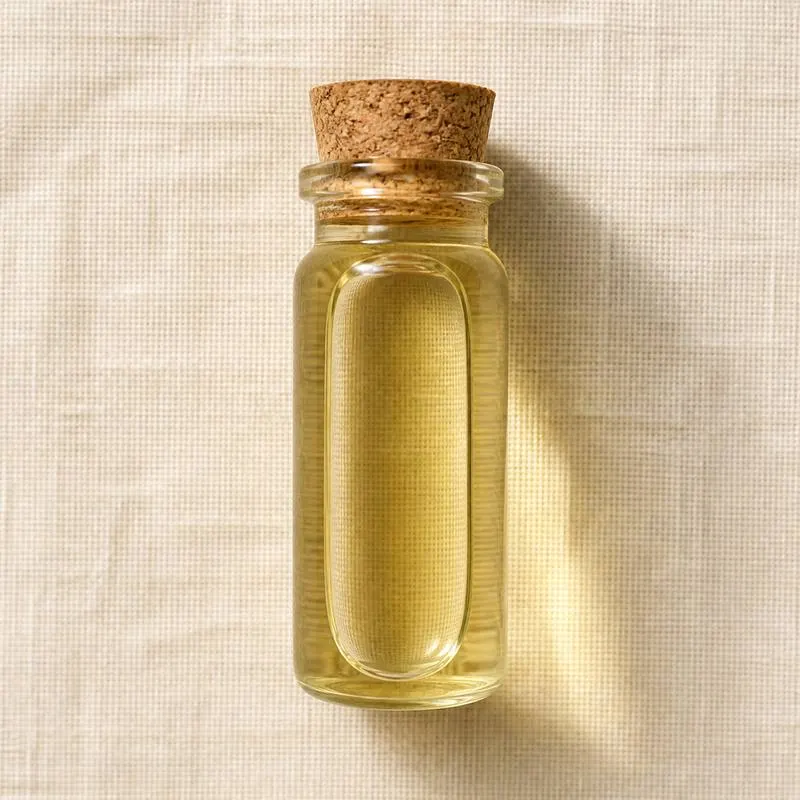
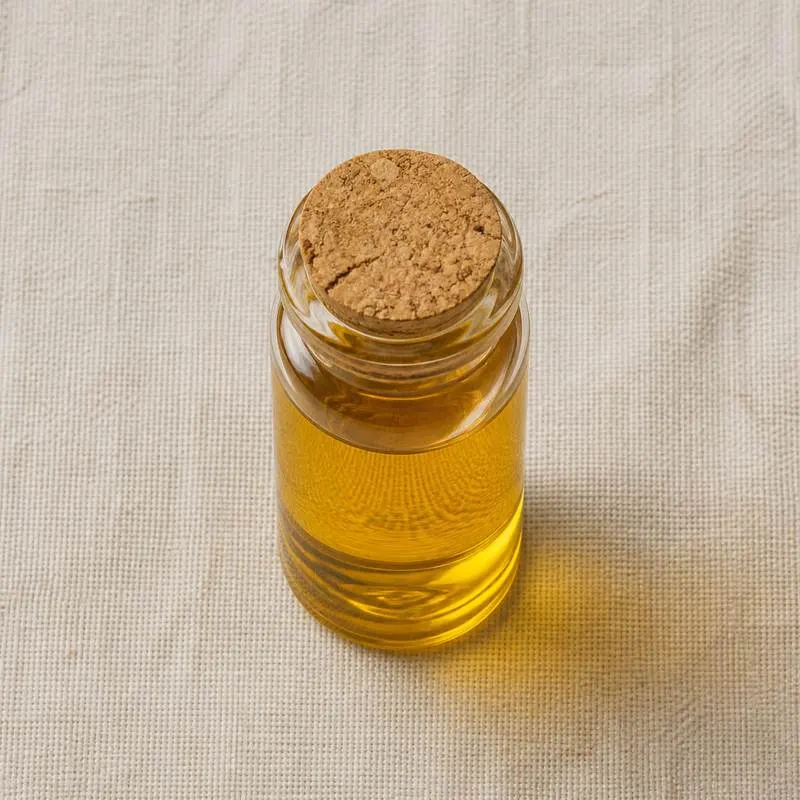
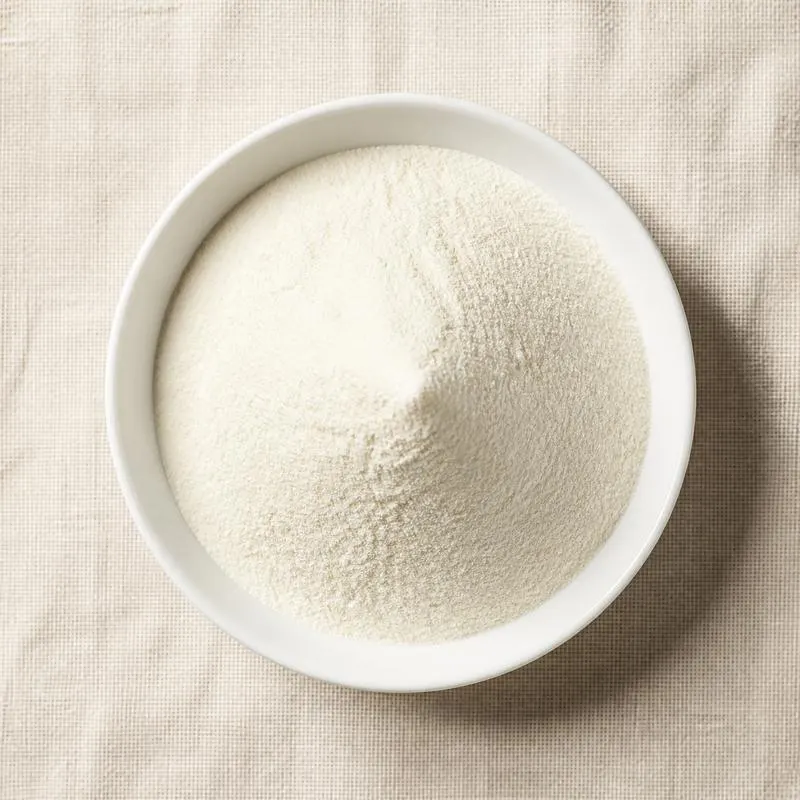
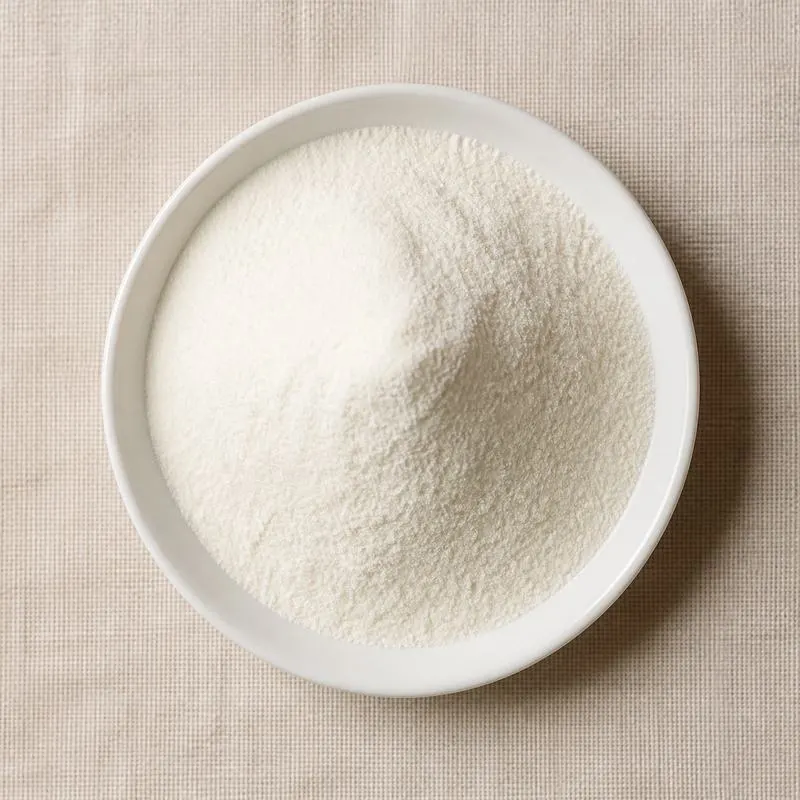
D-panthenol is a clear, colourless to pale yellow viscous liquid, hygroscopic and fully miscible with water, ethanol and glycerol, while DL-panthenol is also available as a white crystalline solid. It is markedly more stable than calcium pantothenate in liquid systems, which is the main reason formulators choose it, though it hydrolyses under strong acid or alkaline conditions and at elevated temperature, so it is added late and held near neutral pH. In topical use its humectant behaviour and its penetration into the stratum corneum, where it is converted to pantothenic acid, account for the moisturising and barrier repair claims made for it.
We source bulk Panthenol from top China manufacturers for our partners. The manufacturers are in Zhejiang. A smaller requirement can ship in a combined container with other ingredients.
Please send the grade you need, the volume and your destination port, and we will come back with a solution and a price.
or call +86-21-6858 0751
- Function
- Vitamin
Specifications
| Item | Specification |
|---|---|
| Appearance | Clear colourless to pale yellow viscous liquid |
| Identification | Infrared spectrum conforms to reference standard |
| Assay | 98.0 to 101.0% |
| Specific Rotation | +29.0° to +32.0°, 5% aqueous solution |
| Refractive Index at 20 °C | 1.495 to 1.502 |
| pH, 5% aqueous solution | 9.0 to 11.0 |
| Water Content | ≤ 1.0% |
| 3-Aminopropanol | ≤ 1.0% |
| Related Substances | Total ≤ 1.0% |
| Residue on Ignition | ≤ 0.1% |
| Heavy Metals | ≤ 10 mg/kg |
| Lead | ≤ 2.0 mg/kg |
| Arsenic | ≤ 2.0 mg/kg |
| Total Plate Count | ≤ 100 cfu/g |
Common Markets Grades
The primary division is stereochemical. D-panthenol, produced to United States Pharmacopeia and European Pharmacopoeia monographs as dexpanthenol, is the grade used where vitamin activity or pharmaceutical status is required. DL-panthenol is a cheaper racemate sold for cosmetic use only, where the claim rests on its moisture holding action rather than on provitamin content, and it is not interchangeable with the D form in a nutritional application.
Within the D grade the liquid at 98 percent and above is the standard article. A 50 percent aqueous solution is traded for ease of dosing into water based systems, a 75 percent solution in propylene glycol or water is common in personal care, and powdered grades adsorbed onto silica or maltodextrin are made for dry premixes and tableting, where handling a hygroscopic syrup is impractical. Panthenyl ethyl ether, a more lipophilic derivative, is sold separately for hair care.
Applications
- Skin creams and lotions, as a humectant and for the barrier repair and soothing claims attached to it
- Shampoo, conditioner and hair treatments, where it binds to the hair shaft and improves manageability and gloss
- After sun and post shave preparations, applied for the calming effect on irritated skin
- Wound care ointments and nasal sprays, used pharmaceutically as dexpanthenol
- Oral supplements and multivitamins, as a source of pantothenic acid activity
- Liquid and effervescent supplement formats, where it outlasts calcium pantothenate in solution
- Fortified beverages, contributing the declared vitamin B5 content
- Baby care products, in wipes, creams and nappy preparations
- Nail and cuticle treatments, as a conditioning agent
- Animal feed and pet care, as a stable source of pantothenic acid activity in liquid formats
Brands Using Panthenol
Widely-distributed consumer products that list Panthenol on the ingredient label.
- The OrdinaryHyaluronic Acid 2% + B5 Serum ↗Panthenol is the B5 in the product name and appears in the ingredient list of this hydrating serum.Label verified 2026-08-31
- The OrdinaryAmino Acids + B5 Water-Based Serum ↗The formula pairs amino acids with panthenol, listed in the ingredients as the B5 component.Label verified 2026-08-31
- CeraVeHydrating Mineral Sunscreen Face Lotion SPF 50 ↗Panthenol appears among the inactive ingredients of this mineral sunscreen lotion.Label verified 2026-08-31
Brand names, product names and logos are the property of their owners. They appear here as published evidence that the ingredient is used, taken from the brand's own label or website. Their appearance is not an endorsement, and it does not mean the brand buys from us or from any manufacturer listed on this site.
China Manufacturers of Panthenol
Top Panthenol manufacturers in China.
 Brother Enterprises Holding Co., Ltd.11 ingredients in the directory
 Hangzhou Xinfu Science & Technology Co., Ltd.3 ingredients in the directory
Company names and logos are the property of the manufacturers themselves. They are listed here because our own directory records them as producing this ingredient. A listing is not an endorsement by them, and we do not represent them or speak on their behalf.
Regulatory Status
In the United States D-pantothenyl alcohol is affirmed as generally recognised as safe for use as a nutrient in food, and dexpanthenol is the subject of a United States Pharmacopeia monograph for pharmaceutical use. Cosmetic use is not subject to premarket approval, and the ingredient is listed in the international cosmetic ingredient nomenclature as panthenol.
In the European Union panthenol is not a food additive and has no E number. D-panthenol appears among the vitamin forms permitted for the addition of pantothenic acid to foods under Regulation (EC) No 1925/2006 and for use in food supplements under Directive 2002/46/EC, and it is also covered by the European Pharmacopoeia monograph for dexpanthenol. In cosmetics Regulation (EC) No 1223/2009 governs it, and it is neither restricted nor prohibited. Feed use falls under the European feed additives regulation, and the DL racemate is not accepted where the D form is specified, so the enantiomeric identity must be stated on the specification.
Manufacturing Process
The route is chemical synthesis in two converging halves. The first builds D-pantolactone, the same chiral intermediate used to make calcium pantothenate. Isobutyraldehyde is condensed with formaldehyde to give hydroxypivaldehyde, which is treated with hydrogen cyanide or sodium cyanide to form the cyanohydrin, and hydrolysis of that nitrile followed by ring closure gives racemic pantolactone. The racemate is resolved, classically by crystallising a diastereomeric salt with a chiral base such as quinine or an amine, or in modern plants by enzymatic hydrolysis with a lactonohydrolase that opens only one enantiomer, with the unwanted isomer racemised and recycled.
The second half is 3-aminopropanol, made by the ammonolysis of acrylonitrile or by hydrogenation of the corresponding nitrile. D-pantolactone and 3-aminopropanol are reacted together, and the lactone ring opens under mild conditions to form the amide bond and give D-panthenol directly. The crude product is stripped of residual amine and water under vacuum, decoloured on carbon, filtered and standardised to assay, then filled under nitrogen because the material is hygroscopic and darkens with prolonged air exposure. Solid and powdered grades are made by crystallisation of the racemate or by adsorption onto a carrier.