Pea Peptide
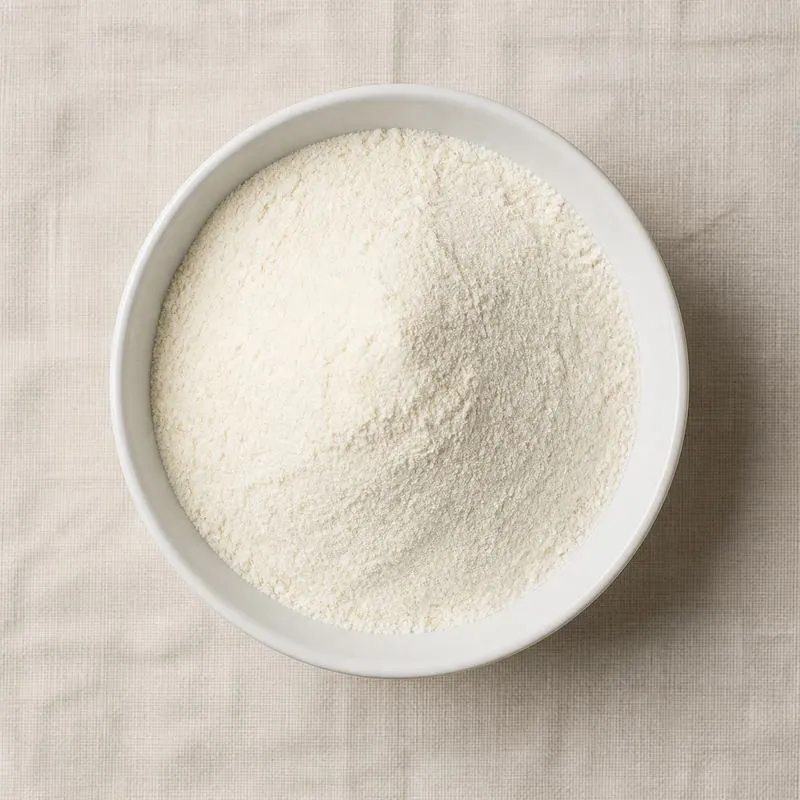
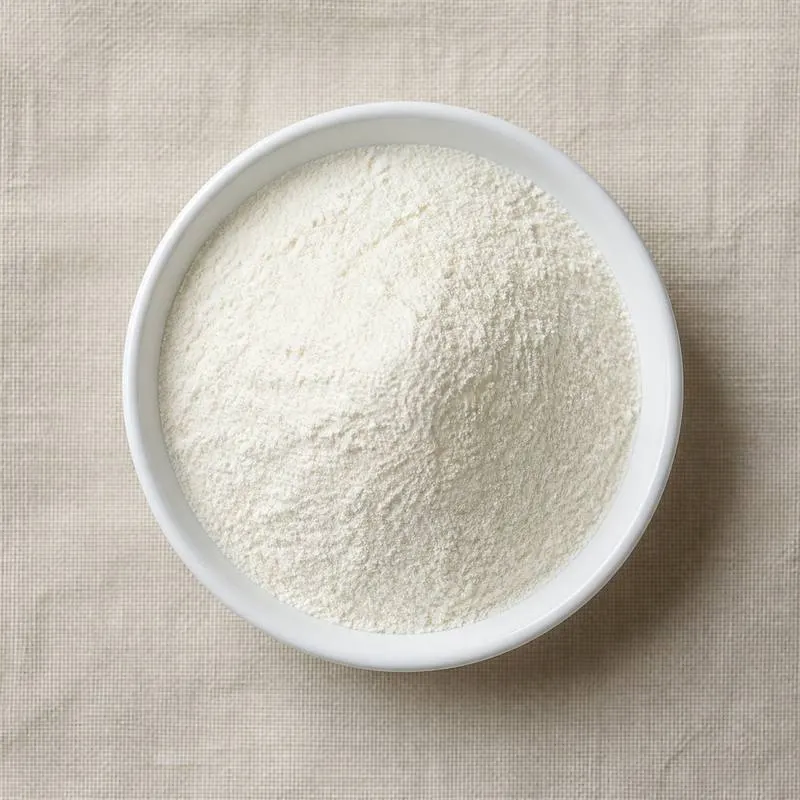
Pea Peptide is an enzymatic hydrolysate of pea protein in which the storage proteins of the yellow pea have been cleaved into short di-, tri-, and oligopeptide fragments, typically of 2 to 10 amino acid residues.
The hydrolysis improves solubility across a wide pH range, accelerates digestive absorption through the PepT1 transporter, and reduces the allergenicity and antigenicity of the parent protein.
We source bulk Pea Peptide from top China manufacturers for our partners, working with several of them. The manufacturers are in Shandong and Beijing. A smaller requirement can ship in a combined container with other ingredients.
Please send the grade you need, the volume and your destination port, and we will come back with a solution and a price.
or call +86-21-6858 0751
- Packaging
- 25 kg kraft paper bag with PE inner liner
- ISO 9001
- HACCP
- Halal
- Kosher
Specifications
Grades / Types Available: Food Grade, Feed Grade
| Item | Specification |
|---|---|
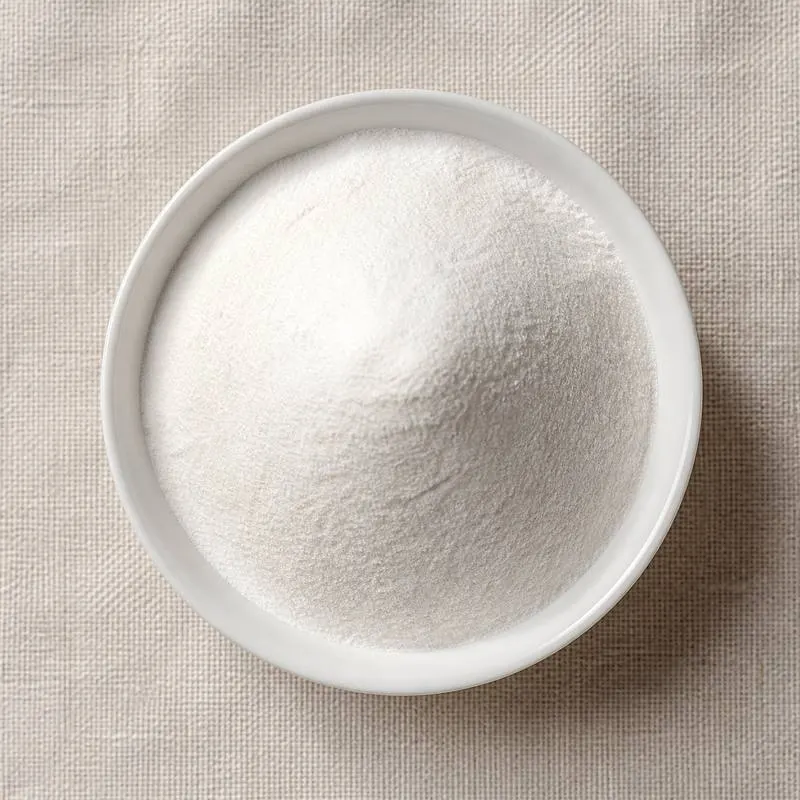
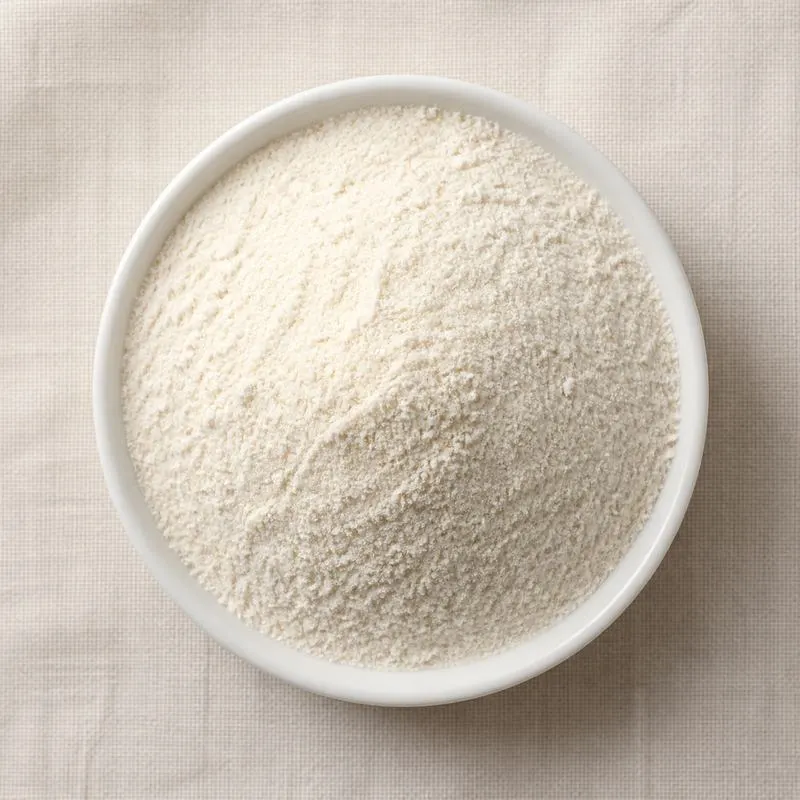
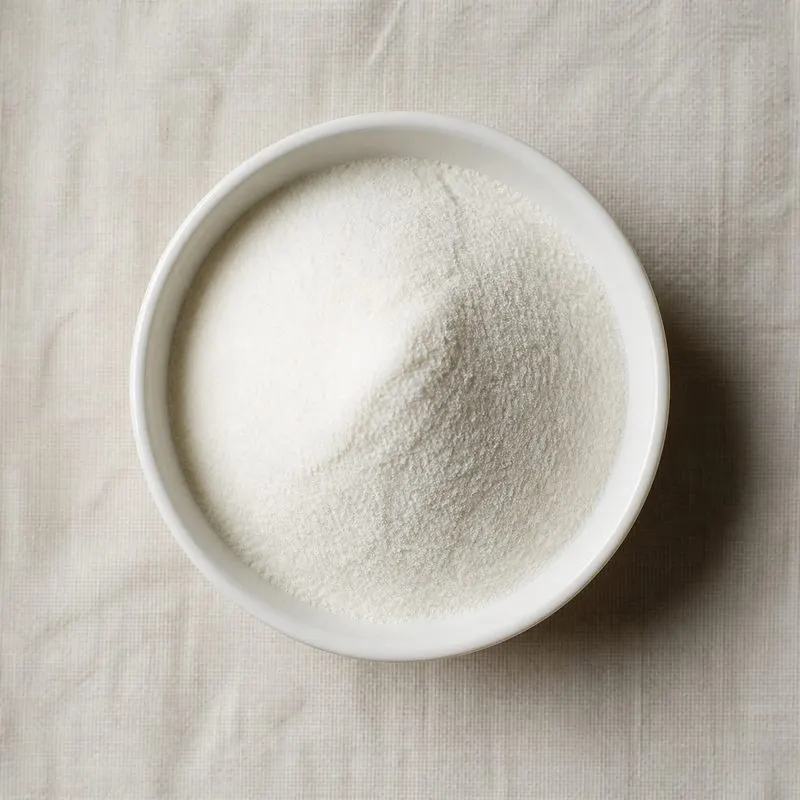
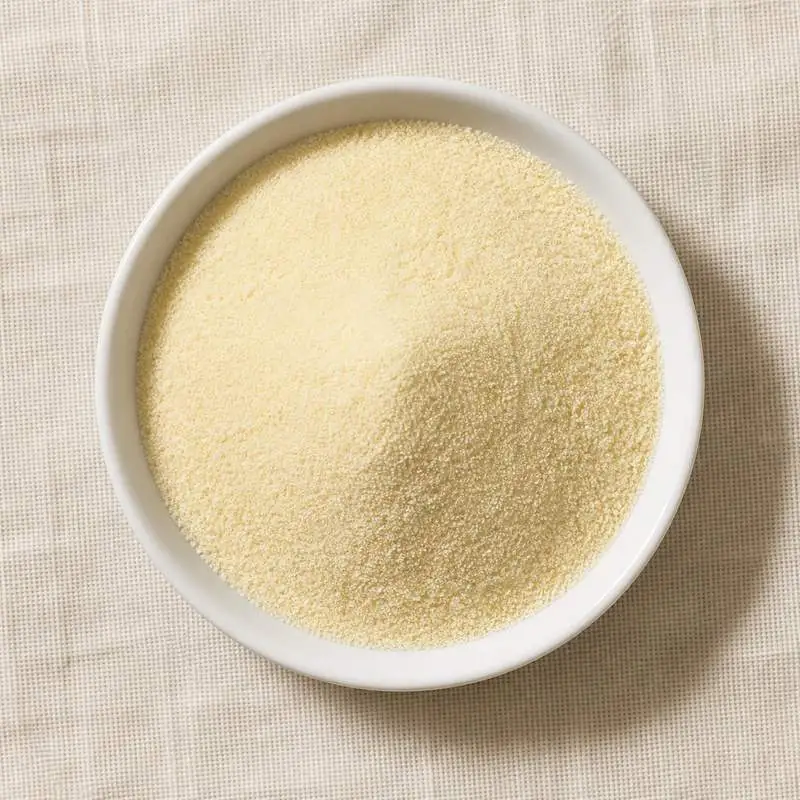
| Appearance | Light yellow fine powder |
| Protein (dry basis, N×6.25) | ≥80% |
| Peptide Content | ≥85% |
| Molecular Weight (<3000 Da) | ≥90% |
| Free Amino Acids | ≤15% |
| Moisture | ≤7.0% |
| Ash | ≤6.0% |
| Fat | ≤1.0% |
| Solubility | ≥98% |
| Heavy Metals (as Pb) | ≤1 mg/kg |
| Total Plate Count | ≤10,000 cfu/g |
| Salmonella | Absent in 25g |
| Purity (Food Grade) | ≥ 85% |
| Viscosity | < 100 mPa.s |
| Moisture/Loss on Drying | < 8% |
| pH | 6.0 - 7.5 |
| Particle Size/Mesh | 100% pass 80 mesh |
| Lead | < 1 ppm |
| Arsenic | < 0.5 ppm |
| Yeast & Mold | < 100 cfu/g |
Common Markets Grades
Pea Peptide is classified by degree of hydrolysis (DH), average molecular weight, and protein content.
Low DH grades (5 to 12 percent) preserve much of the functional behaviour of intact pea protein and target functional beverage and dairy alternative applications.
Medium DH grades (15 to 25 percent) target sports nutrition and meal replacement products. Average molecular weights typically fall between 500 and 1500 Da.
High DH grades (above 30 percent) target clinical and medical nutrition, with average molecular weights below 500 Da and a high proportion of free amino acids.
Protein content typically runs at 80 to 90 percent on a dry basis. Spray-dried powder is the dominant format. Granulated and instantized grades exist for direct stick-pack and sachet use.
Applications
- Sports nutrition powders and ready-to-drink recovery beverages
- Pre-workout and intra-workout drinks where rapid amino acid availability is wanted
- Meal replacement bars and shakes
- Medical nutrition formulas for surgical recovery and post-operative use
- Enteral tube-feeding products
- Geriatric nutrition products targeting sarcopenia and muscle preservation
- Clear, acid-stable protein beverages and waters
- Vegan and dairy-free protein shots
- Functional confectionery including protein gummies and chews
- Skincare for film-forming and humectant effect
- Hair care conditioners and repair treatments
- Pet supplements for senior and convalescent animals
China Manufacturers of Pea Peptide
Top Pea Peptide manufacturers in China.
 Beijing Semnl Biotechnology Co., Ltd.10 ingredients in the directory
 Dezhou Lanli Biotechnology Co., Ltd.10 ingredients in the directory
 Shandong Jindu Talin Foods.Co., Ltd.6 ingredients in the directory
Company names and logos are the property of the manufacturers themselves. They are listed here because our own directory records them as producing this ingredient. A listing is not an endorsement by them, and we do not represent them or speak on their behalf.
How We Help Source Pea Peptide
Direct Factory Sourcing
We run the whole process: selecting the manufacturer from the top Chinese food ingredient producers, negotiating the price, verifying quality, and coordinating the logistics. You deal with us instead of with several factories at once.
Original Packaging and Documents from the Manufacturer
The manufacturer sends your Pea Peptide out of its own factory in the original packing, through to your destination port. The COA, COO, MSDS, TDS and any certifications reach you from the manufacturer as well.
Free Samples and Lead Time
We send 100 to 500 g free for your own laboratory to test and you cover only the courier, usually within 2 to 3 working days. ETD is usually within 7 to 15 days once the order is confirmed, and we check that date against the factory's own manufacturing schedule before we give it to you.
Combined Shipment
We can load Pea Peptide together with other ingredients such as Collagen Peptide, Soy Protein Isolate and Fish Collagen Peptide into one 20' FCL. If your quantity is small, we can also ship LCL.
Regulatory Status
Pea Peptide is regulated as a conventional food ingredient or as a protein hydrolysate, depending on jurisdiction.
In the United States it is treated as a standard food ingredient when produced from food-grade pea isolate using food-grade enzymes. GRAS notifications cover specific commercial grades.
The European Union accepts pea peptide as a standard food ingredient. Pea is not on the mandatory allergen list, which is an advantage in positioning against soy and dairy peptide alternatives.
No genetically modified yellow pea is in commercial cultivation, so the supply chain is non-GMO by default. Organic, Kosher, Halal, and Vegan certifications are widely available.
Codex Alimentarius general food ingredient standards apply alongside contaminant and pesticide residue limits for pulse crops.
Manufacturing Process
Production begins with pea protein isolate at 80 to 85 percent protein. The isolate is dispersed in water at 8 to 12 percent solids and pH adjusted to the optimum for the chosen enzyme system.
Food-grade endo- and exopeptidases are added in sequence. Common selections include alcalase for the primary cut followed by flavourzyme or a fungal protease for secondary hydrolysis and debittering.
The reaction is run at 50 to 60 degrees Celsius for 2 to 6 hours, depending on the target degree of hydrolysis. Reaction progress is tracked by pH-stat or osmometry and stopped by heat inactivation at 85 to 95 degrees Celsius.
The hydrolysate is centrifuged to remove insoluble residue, then treated with activated carbon to reduce bitter peptides and off-flavour compounds carried over from the parent isolate.
Membrane ultrafiltration with 1 to 10 kDa cutoff membranes fractionates the hydrolysate by molecular weight, with the permeate going to the lower molecular weight product and the retentate either recycled or sold as a separate grade.
The clarified peptide solution is concentrated by evaporation or reverse osmosis and spray-dried into a free-flowing powder.