Polygonatum Sibiricum Extract
Polygonatum Sibiricum Extract is a water-soluble preparation obtained from the rhizome of Polygonatum sibiricum, a temperate perennial of the asparagus family known in traditional Chinese medicine as huang jing and commonly grouped in the West with the Solomon's seal genus.
The dominant bioactive class is a family of fructose- and mannose-rich polysaccharides, often referred to in commercial documentation as PSP. Secondary constituents include steroidal saponins, homoisoflavanones, and small amounts of amino acids and trace minerals.
The extract is produced mainly to dietary-supplement, herbal-tonic, and functional-beverage manufacturers, with a smaller stream into cosmetic actives positioned on hydration and skin-aging claims.
We source bulk Polygonatum Sibiricum Extract from top China manufacturers for our partners. The manufacturer is in Beijing. A smaller requirement can ship in a combined container with other ingredients.
Please send the grade you need, the volume and your destination port, and we will come back with a solution and a price.
or call +86-21-6858 0751
- Packaging
- 25 kg fibre drum with double PE liner
- ISO 9001
- HACCP
- Halal
- Kosher
Specifications
Grades / Types Available: Food Grade, Pharmaceutical Grade
| Item | Specification |
|---|---|
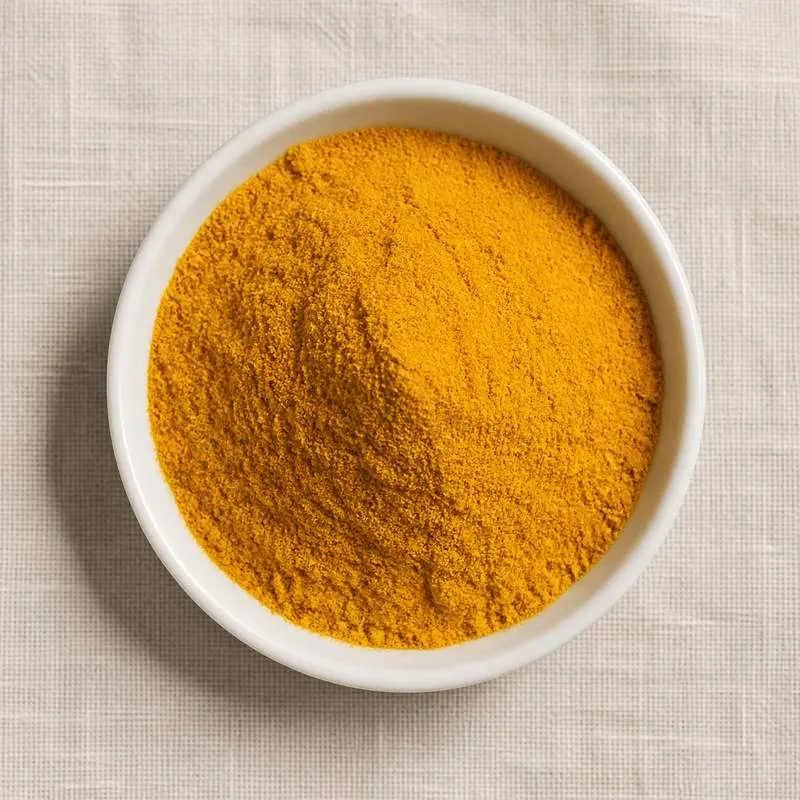
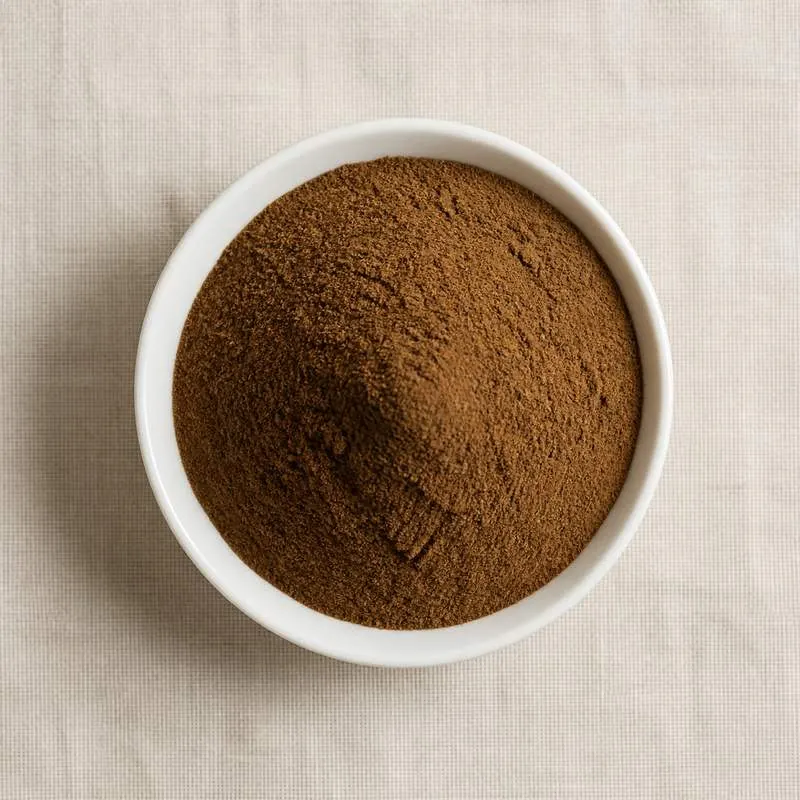
| Appearance | Light brown fine powder |
| Polysaccharides (UV) | ≥20% |
| Moisture | ≤5.0% |
| Ash | ≤5.0% |
| Extraction Solvent | Water / ethanol |
| Ratio (crude:extract) | 10:1 to 20:1 |
| Particle Size (80 mesh) | ≥95% |
| Heavy Metals (as Pb) | ≤2 mg/kg |
| Pesticide Residues | Complies |
| Total Plate Count | ≤10,000 cfu/g |
| Salmonella | Absent in 25g |
| Purity (Food Grade) | ≥ 80% |
| Moisture/Loss on Drying | ≤ 5% |
| pH | 5.0 - 7.0 |
| Lead | ≤ 1 ppm |
| Arsenic | ≤ 0.5 ppm |
| Yeast & Mold | ≤ 100 cfu/g |
Common Markets Grades
Polygonatum Sibiricum Extract is produced along two main grade lines: ratio extracts and standardised polysaccharide extracts.
Ratio extracts such as 4:1, 10:1, and 20:1 are described by the weight of dried raw material reduced to one weight of finished powder. They carry the full constituent profile of the rhizome and are popular in traditional formula products.
Standardised polysaccharide extracts declare a target polysaccharide value measured by the phenol-sulphuric acid method, usually 30, 50, 70, or 80 percent on a dry basis. The 50 and 70 percent grades are the workhorses for capsule and tablet formulation.
Saponin-standardised grades are produced for niche supplement positionings, with total steroidal saponin content declared by gravimetric or HPLC methods.
Premium grades are produced from rhizome that has undergone the traditional nine-cycle steam-and-sun processing known as jiu zheng jiu shai, which darkens the root, sweetens the flavour, and is held to refine the tonic action in TCM theory.
Applications
- Traditional Chinese medicine herbal formula tablets and capsules
- Standalone dietary supplements for energy, stamina, and general tonic positioning
- Inner-beauty and skin-from-within formulations alongside collagen peptides and hyaluronic acid
- Functional beverages and herbal tonic shots in the wellness category
- Powdered drink mixes and effervescent stick packs
- Herbal coffee and tea blends in the adaptogen category
- Sports recovery and post-exercise formulations for glycogen and hydration support
- Senior-nutrition and healthy-aging stacks alongside vitamin D and omega-3
- Cosmetic essences, serums, and masks for botanical hydration claims
- Hair care products positioned on scalp health and follicle support
- Pet supplements in the longevity and vitality segment
- Herbal liquor infusions and wellness cordials in regional Asian markets
Brands Using Polygonatum Sibiricum Extract
Widely-distributed consumer products that list Polygonatum Sibiricum Extract on the ingredient label.
- ActiveHerb (Guang Ci Tang)Huang Jing (Polygonatum Rhizome, 黄精) 5x Extract Granules ↗ActiveHerb's official Huang Jing extract granule product is a 5:1 concentrated Polygonatum (Rhizoma Polygonati) extract granule used as a single-herb Yin-tonifying TCM finished product.Label verified 2026-05-24
- ActiveHerbHuang Jing (Solomon Seal Rhizome) Bulk Herb ↗Dried Polygonatum sibiricum rhizome sold as a finished retail TCM herb for decoction.Label verified 2026-05-24
- Treasure of the EastHuang Jing (Jiu Zhi), 酒黄精, Polygonatum Rhizome (Processed) Granules ↗Treasure of the East's official site sells wine-processed Huang Jing (Polygonatum sibiricum/cyrtonema) as 5:1 extract granules, a finished single-herb TCM supplement.Label verified 2026-05-24
- Rainforest FoodsPolygonatum Sibiricum (Huang Jing) Powder 100 g ↗Polygonatum sibiricum (Huang Jing) sold as a 100 g retail powder for tea and decoction.Label verified 2026-05-24
Brand names, product names and logos are the property of their owners. They appear here as published evidence that the ingredient is used, taken from the brand's own label or website. Their appearance is not an endorsement, and it does not mean the brand buys from us or from any manufacturer listed on this site.
China Manufacturers of Polygonatum Sibiricum Extract
Top Polygonatum Sibiricum Extract manufacturers in China.

Company names and logos are the property of the manufacturers themselves. They are listed here because our own directory records them as producing this ingredient. A listing is not an endorsement by them, and we do not represent them or speak on their behalf.
How We Help Source Polygonatum Sibiricum Extract
Direct Factory Sourcing
We run the whole process: selecting the manufacturer from the top Chinese food ingredient producers, negotiating the price, verifying quality, and coordinating the logistics. You deal with us instead of with several factories at once.
Original Packaging and Documents from the Manufacturer
The manufacturer sends your Polygonatum Sibiricum Extract out of its own factory in the original packing, through to your destination port. The COA, COO, MSDS, TDS and any certifications reach you from the manufacturer as well.
Free Samples and Lead Time
We send 100 to 500 g free for your own laboratory to test and you cover only the courier, usually within 2 to 3 working days. ETD is usually within 7 to 15 days once the order is confirmed, and we check that date against the factory's own manufacturing schedule before we give it to you.
Combined Shipment
We can load Polygonatum Sibiricum Extract together with other ingredients such as Astaxanthin, Dehydrated Garlic and Lutein into one 20' FCL. If your quantity is small, we can also ship LCL.
Regulatory Status
Polygonatum Sibiricum Extract is regulated as a botanical food and supplement ingredient rather than as a food additive. It carries no E number.
In China the rhizome is listed in the national catalogue of substances that are both food and traditional Chinese medicine, which permits its use in conventional foods and in beverages without separate health-food registration.
In the United States Polygonatum rhizome and its extracts are used in dietary supplements under DSHEA. Use as a conventional food ingredient depends on a self-determined GRAS conclusion or on a GRAS notification to the FDA.
In the European Union the substance falls under botanical food-supplement legislation. Whether a particular extract preparation requires Novel Food authorisation under Regulation (EU) 2015/2283 depends on the documented history of consumption of that specific preparation in the Union before May 1997.
Pharmacopoeial monographs for the raw rhizome appear in the Pharmacopoeia of the People's Republic of China. Halal, Kosher, vegan, and organic certifications exist depending on cultivation and processing setup.
Manufacturing Process
Cultivation is concentrated in the temperate provinces of northern and southwestern China, including Shaanxi, Yunnan, Guizhou, and Hunan. The plant is typically harvested at three to four years of age, when the rhizome has reached a usable size and the polysaccharide content has built up.
The fresh rhizome is washed, trimmed, and sliced. The traditional jiu zheng jiu shai processing alternates steaming and sun-drying for nine cycles, transforming the raw root into a soft, sweet, dark material. Industrial extract producers either use this processed rhizome as the starting material or work directly with cleaned raw root, depending on the product positioning.
Extraction is carried out with hot water at 80 to 100 degrees Celsius for several hours, often with multiple extraction passes to maximise polysaccharide yield.
The combined extract is filtered to remove particulate matter and is then concentrated under vacuum. Polysaccharides are recovered by ethanol precipitation at 70 to 80 percent final ethanol concentration, washed with fresh ethanol, and dried.
For ratio extracts the concentrated liquid is spray-dried on a carrier such as maltodextrin without the ethanol precipitation step.
Each lot is characterised by polysaccharide content, monosaccharide composition by HPLC, total saponin where relevant, heavy metals, residual pesticides, and microbiological load.