Pomegranate Seed Oil
Pomegranate seed oil is the fixed oil pressed or extracted from the kernels of Punica granatum seeds, the residue left after juicing. It is distinguished from almost every other vegetable oil by its punicic acid content, a conjugated linolenic acid of the 9-cis, 11-trans, 13-cis configuration that makes up around 65 to 80 percent of the total fatty acids. Linoleic, oleic and palmitic acids make up most of the rest, alongside an unsaponifiable fraction containing sterols, tocopherols and small amounts of punicic acid derived phytosterols.
The conjugated triene system is what defines the oil commercially and also what limits it. It gives the oil its interest as a cosmetic and supplement lipid, and it makes the material far more prone to oxidation and polymerisation than an ordinary seed oil, so it is not used as a cooking or frying oil.
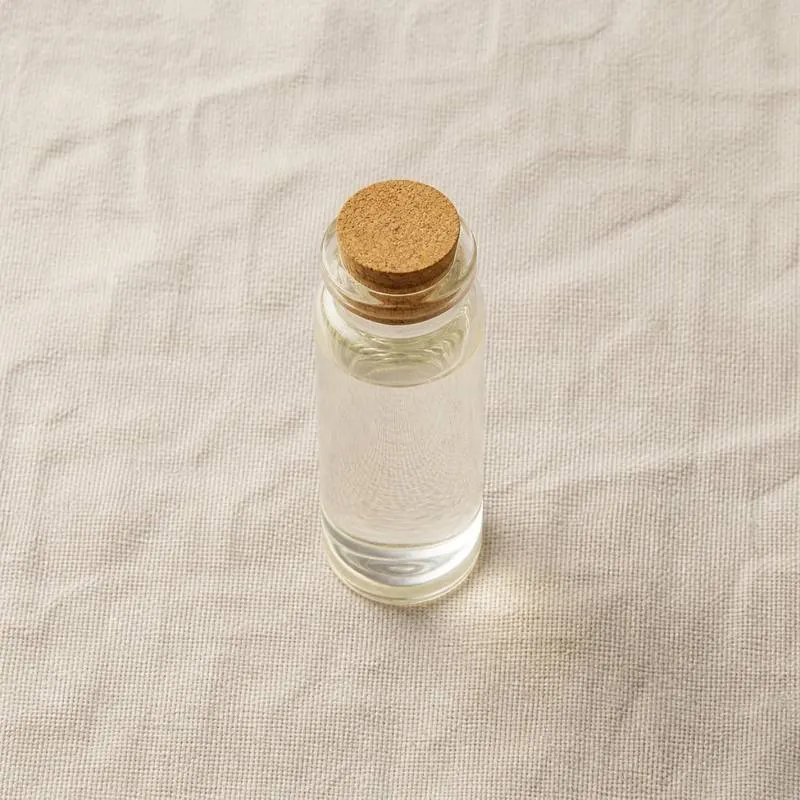
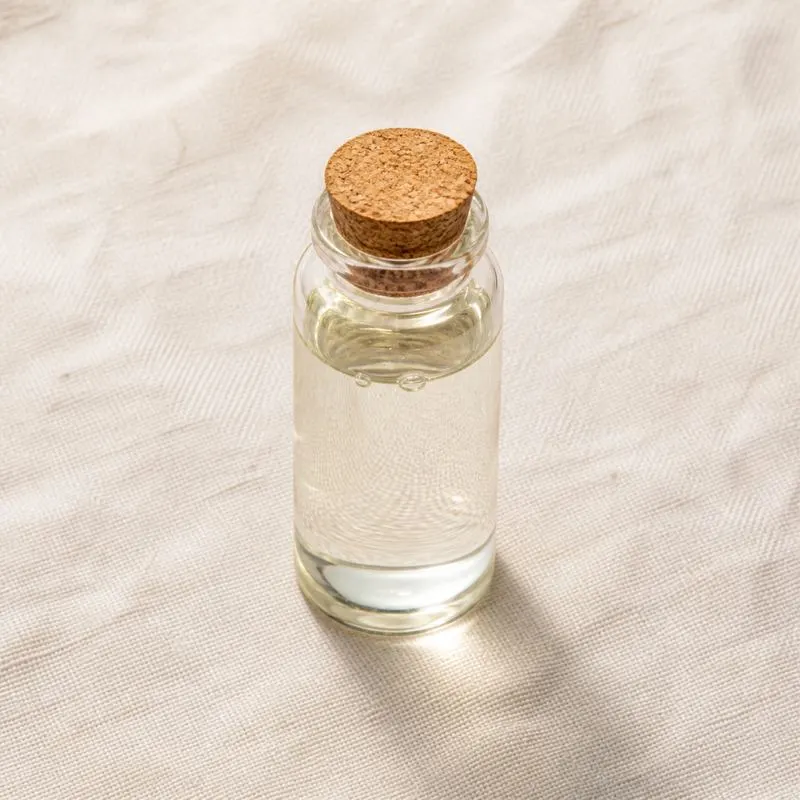
Cold pressed oil is a golden yellow to amber liquid with a faint fruity and slightly nutty aroma. It is insoluble in water, miscible with vegetable oils and with most cosmetic esters, and thickens noticeably on cooling. Because the conjugated bonds absorb ultraviolet light and react with oxygen, the oil is stabilised with tocopherols or rosemary extract, filled under nitrogen into light resistant packaging and held cool.
We source bulk Pomegranate Seed Oil from top China manufacturers for our partners. The manufacturer is in Guangdong. A smaller requirement can ship in a combined container with other ingredients.
Please send the grade you need, the volume and your destination port, and we will come back with a solution and a price.
or call +86-21-6858 0751
- Function
- Plant extract
Specifications
| Item | Specification |
|---|---|
| Appearance | Clear golden yellow to amber oily liquid |
| Odour and Taste | Faint fruity and nutty, no rancid note |
| Punicic Acid (GC) | ≥ 70.0% of total fatty acids |
| Linoleic Acid | 4.0 to 10.0% |
| Oleic Acid | 3.0 to 8.0% |
| Identification | Conforms by fatty acid profile against reference |
| Free Fatty Acid (as oleic) | ≤ 2.0% |
| Peroxide Value | ≤ 5.0 meq/kg |
| Anisidine Value | ≤ 10.0 |
| Moisture and Volatiles | ≤ 0.1% |
| Unsaponifiable Matter | ≤ 2.0% |
| Refractive Index at 20°C | 1.510 to 1.520 |
| Residual Solvent (hexane) | ≤ 5 mg/kg |
| Lead | ≤ 0.1 mg/kg |
| Arsenic | ≤ 0.1 mg/kg |
Common Markets Grades
The primary distinction is between cold pressed and solvent extracted oil. Cold pressed material is produced without heat or solvent, carries the fruity aroma and the fuller unsaponifiable fraction, and commands the cosmetic and supplement grades. Solvent extracted oil gives higher yield from the same seed and is refined, bleached and lightly deodorised to a paler, blander product, with a residual solvent limit on the specification. Supercritical carbon dioxide extracted oil is traded as a solvent free alternative to both.
Within each route the oil is quoted on punicic acid content, most commonly at a minimum of 65, 70 or 75 percent of total fatty acids by gas chromatography, together with peroxide value, anisidine value and free fatty acid content, since those three describe how fresh the oil is. Organic certified and cosmetic grade material is common. Encapsulated powder versions on a modified starch or gum acacia carrier are made for dry supplement and food applications, and softgel grade oil is sold with a tightened peroxide limit.
Applications
- Skin care serums, facial oils and night creams, where the conjugated fatty acid and sterol fraction is used as a regenerative lipid
- Anti-ageing and mature skin formulations, the largest single outlet for the oil
- Lip care, balms and body butters, where it contributes a rich emollient feel
- Hair and scalp oils, used for conditioning and shine
- Dietary supplements in softgel form, positioned on punicic acid content
- Women's health supplement blends, where the oil is combined with other botanical lipids
- Sun care and after sun formulations, using the tocopherol and sterol fraction
- Encapsulated powder for functional food and beverage applications where a dry lipid is needed
- Massage and aromatherapy carrier blends, usually diluted into a more stable base oil
Brands Using Pomegranate Seed Oil
Widely-distributed consumer products that list Pomegranate Seed Oil on the ingredient label.
- Leven RosePomegranate Seed Oil 2 oz ↗A single ingredient face and body oil listed as 100 percent unrefined organic cold-pressed pomegranate seed oil from Punica granatum.Label verified 2026-08-31
- SULU OrganicsOrganic Unrefined Pomegranate Seed Oil ↗Sold as a single ingredient oil whose ingredient statement reads pure pomegranate seed oil.Label verified 2026-08-31
Brand names, product names and logos are the property of their owners. They appear here as published evidence that the ingredient is used, taken from the brand's own label or website. Their appearance is not an endorsement, and it does not mean the brand buys from us or from any manufacturer listed on this site.
China Manufacturers of Pomegranate Seed Oil
Top Pomegranate Seed Oil manufacturers in China.

Company names and logos are the property of the manufacturers themselves. They are listed here because our own directory records them as producing this ingredient. A listing is not an endorsement by them, and we do not represent them or speak on their behalf.
Regulatory Status
In the United States pomegranate seed oil is used as a dietary ingredient in supplements under the Dietary Supplement Health and Education Act and as a cosmetic ingredient under the general safety provisions of the Federal Food, Drug, and Cosmetic Act. It has no food additive regulation and no colour additive listing, and general food use rests on a self affirmed or notified GRAS conclusion rather than on a blanket permission, since the oil is not among the vegetable oils with an established listing.
In the European Union the oil carries no E number because it is not an additive. Its food status depends on Regulation 2015/2283: pomegranate seed oil has been assessed as a novel food, and authorisation is granted for a defined specification and set of food categories rather than for the species generally, so market access depends on the applicable authorisation. Regulation 1223/2009 governs cosmetic use, and the oil is neither prohibited nor restricted. Codex has a standard for named vegetable oils that does not cover pomegranate seed oil, so the general Codex standard for fats and oils not covered by individual standards provides the reference quality parameters.
Manufacturing Process
Seeds are recovered from the press cake of pomegranate juicing, washed to remove adhering pulp and juice residue, and dried in warm air to below about 8 percent moisture, since damp seed presses poorly and the oil picks up hydrolytic rancidity. The dried seed is cleaned, dehulled where the plant is equipped for it, and conditioned to a controlled temperature before pressing.
Cold pressed oil is expressed on a screw press run at low speed and with the barrel temperature held below 45 degrees Celsius to protect the conjugated fatty acids, then settled, filtered through a plate and frame or bag filter, and filled. Yield from this route is modest and the remaining cake still holds oil. Where the higher yield route is used, the cake is extracted with hexane in a percolation extractor, the miscella filtered and the solvent recovered in an evaporator and vacuum stripping column, and the crude oil is then degummed, neutralised, bleached on activated earth and deodorised under vacuum at the lowest workable temperature. Supercritical carbon dioxide extraction replaces the solvent train entirely and separates the oil by pressure release. All finished oil is dosed with tocopherol antioxidant, polish filtered and filled under nitrogen.