Potato Protein
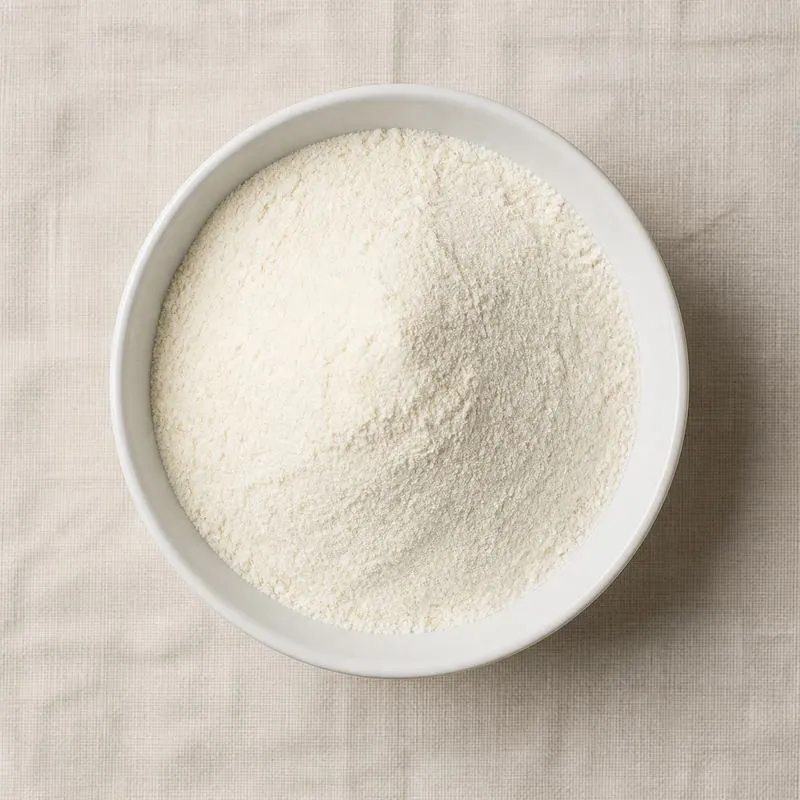
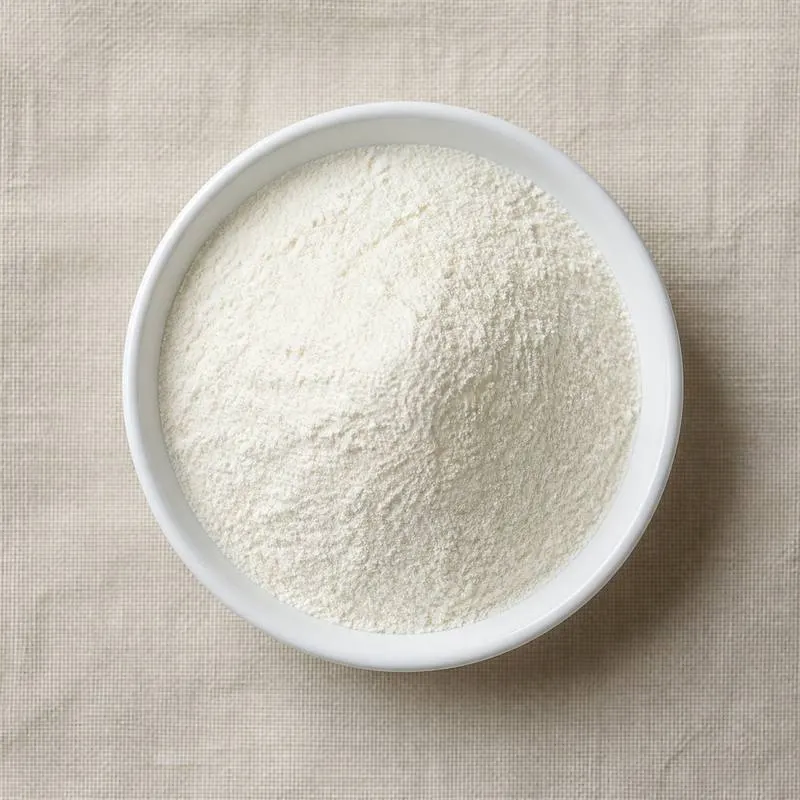
Potato protein is the protein recovered from potato fruit juice, the liquid side stream of potato starch manufacture, and dried into a powder containing between 75 and 90 percent protein depending on how it is recovered.
Potato juice holds around 1.5 to 2 percent protein, in two main groups. Patatin, a storage glycoprotein with lipid acyl hydrolase activity, makes up roughly 40 percent of the total, and protease inhibitors of low molecular weight make up a further large share, with the rest a mixture of enzymes and minor proteins. The amino acid profile is unusually good for a plant protein, complete in the indispensable amino acids and comparable with animal protein in lysine content, which is the main reason the ingredient attracts interest despite the difficulty of recovering it.
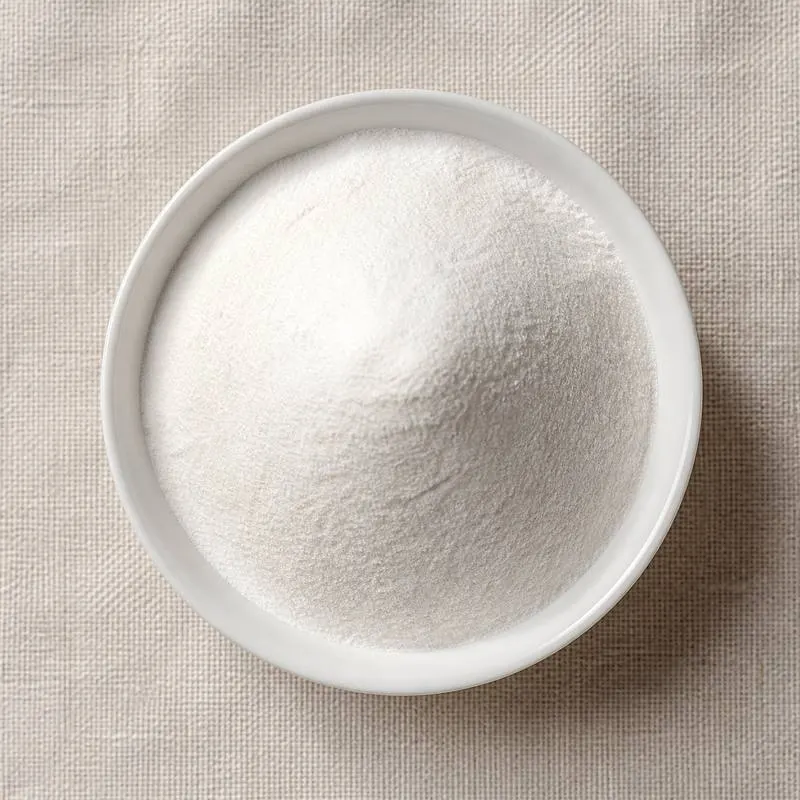
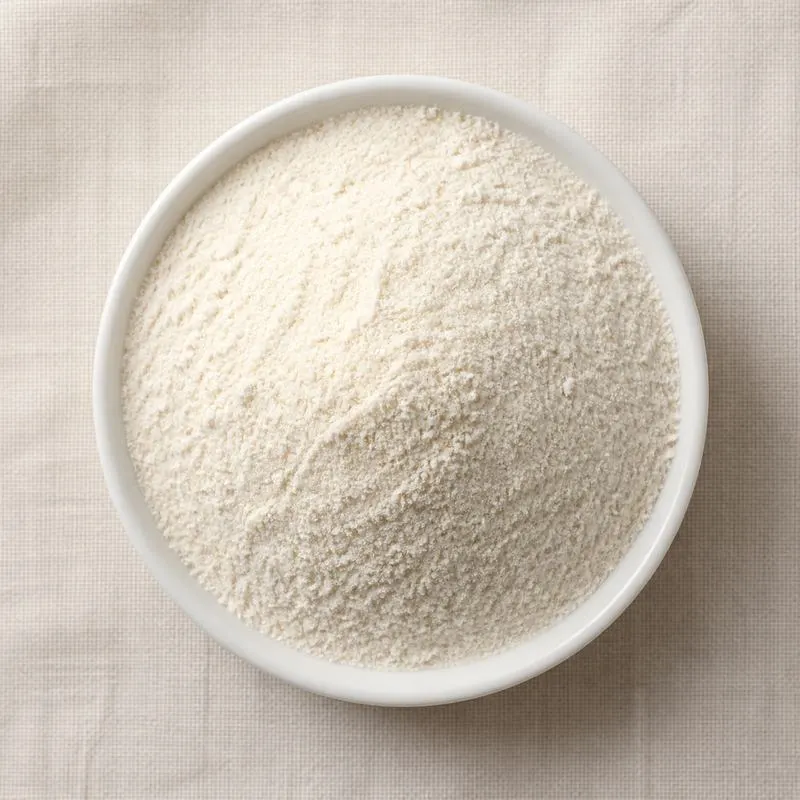
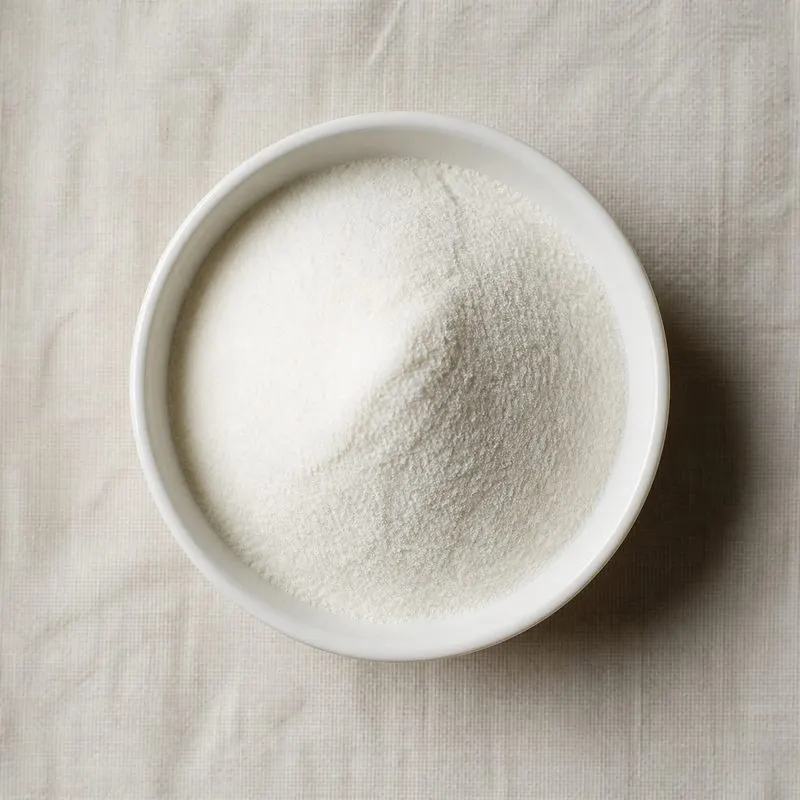
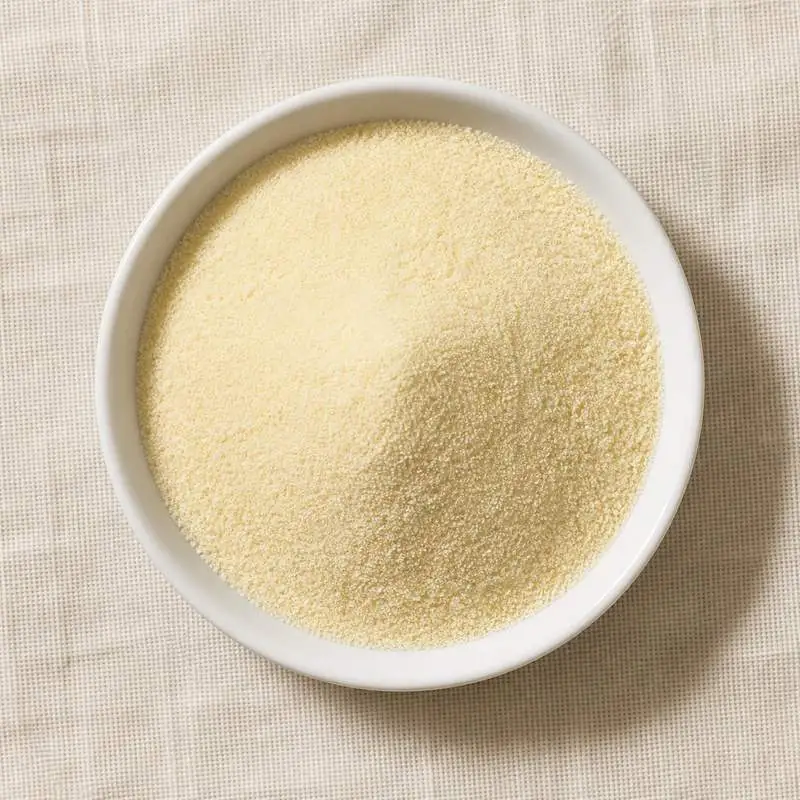
Two very different products result from the same juice. Thermally coagulated potato protein is denatured, insoluble, brownish and sold mainly as feed. Native potato protein isolate, recovered without heat, is cream to pale yellow, soluble across a wide pH range, and functional, foaming and gelling in a way the coagulated material cannot. Glycoalkaloid removal is central to either process, since solanine and chaconine follow the protein unless deliberately stripped.
We source bulk Potato Protein from top China manufacturers for our partners. The manufacturer is in Gansu. A smaller requirement can ship in a combined container with other ingredients.
Please send the grade you need, the volume and your destination port, and we will come back with a solution and a price.
or call +86-21-6858 0751
- Function
- Protein
Specifications
| Item | Specification |
|---|---|
| Appearance | Cream to pale yellow powder for native isolate, light brown for coagulated grade |
| Odour and Taste | Mild characteristic potato note, free from bitter or earthy off flavour |
| Protein (N x 6.25, dry basis) | Minimum 85.0% for native isolate |
| Moisture | Maximum 8.0% |
| Fat | Maximum 1.0% |
| Ash | Maximum 5.0% |
| Total Glycoalkaloids | Maximum 150 mg/kg |
| Solubility (1% in water, pH 7) | Minimum 90.0% for native isolate |
| pH (2% solution) | 5.0 to 7.5 |
| Particle Size | Minimum 95% through 100 mesh |
| Lead | Maximum 0.5 mg/kg |
| Arsenic | Maximum 0.5 mg/kg |
| Total Plate Count | Maximum 10,000 cfu/g |
| Escherichia coli and Salmonella | Absent in 25 g |
Common Markets Grades
The recovery route defines the grade. Coagulated potato protein concentrate, produced by acid and heat precipitation, runs around 75 to 80 percent protein, is insoluble and dark, and is priced and traded as a feed material, principally for piglets and pets. Native potato protein isolate, recovered by adsorption chromatography or membrane processes at low temperature, reaches 85 to 90 percent protein or more, is soluble and functional, and is sold into food at several times the price.
Within the native tier, suppliers separate patatin enriched fractions, which foam and gel well, from protease inhibitor enriched fractions, which are more heat stable and are sold on a different functional basis, and some offer both as one blended isolate. Glycoalkaloid content is a stated specification in every food grade rather than an optional test. Further options include hydrolysed potato protein for solubility in acid systems, and organic certified material where the potatoes are certified. Non genetically modified status is automatic for the varieties in commercial starch use in most producing regions.
Applications
- Plant based meat analogues, where the gelling behaviour of native isolate binds the structure on cooking
- Egg replacement in bakery, using the foaming capacity of patatin to aerate cakes and meringue style products
- Plant protein beverages and powders, where the complete amino acid profile complements pulse proteins
- Nutrition bars, contributing protein without introducing a major allergen
- Dairy alternative products, where the isolate emulsifies fat and builds body
- Confectionery aeration, replacing egg white or gelatin foam in marshmallow and nougat style products
- Clinical and elderly nutrition, valued for protein quality per gram
- Piglet starter feeds and calf milk replacers, the traditional outlet for coagulated protein
- Higher tier pet food, used as a highly digestible plant protein in limited ingredient diets
- Aquaculture diets, substituting for part of the fishmeal protein
China Manufacturers of Potato Protein
Top Potato Protein manufacturers in China.
Company names and logos are the property of the manufacturers themselves. They are listed here because our own directory records them as producing this ingredient. A listing is not an endorsement by them, and we do not represent them or speak on their behalf.
Regulatory Status
In the United States potato protein isolate is used as a food ingredient on the basis of generally recognised as safe conclusions covering the specific preparation, with the safety assessment centring on glycoalkaloid content and on the completeness of removal during processing. Feed grade coagulated potato protein is handled under the animal feed framework with ingredient definitions maintained through the Association of American Feed Control Officials. Potato is not a major food allergen under the Food Allergen Labelling and Consumer Protection Act, which is part of the ingredient's commercial appeal, and it is declared in the ingredient statement in the ordinary way.
In the European Union potato protein for food use falls under the novel food rules, since protein isolated from potato juice has no significant history of consumption in that form, and coagulated potato proteins together with their hydrolysates have been authorised as a novel food with conditions of use and a specification that includes a limit on total glycoalkaloids. Suppliers of native isolates should be asked to show the authorisation or equivalence they rely on. No E number applies, since the material is an ingredient rather than an additive. Feed use is governed by the feed hygiene and undesirable substances rules. Codex has no specific standard for potato protein, addressing the wider category through its standard for vegetable protein products.
Manufacturing Process
Potatoes delivered to a starch plant are washed, rasped and separated, and the starch is recovered by hydrocyclones and washing. What leaves the process alongside the starch and fibre is potato fruit juice, a dilute protein solution that also carries glycoalkaloids, free amino acids, sugars and minerals, and which was historically a waste disposal problem for starch factories.
In the traditional feed route the juice is acidified and injected with steam, which denatures and coagulates the protein into a floc that is separated on decanters and dried. The heat destroys solubility and functionality, and the product is brown, but it is simple and cheap. The native route instead keeps the juice cold. It is clarified and passed through expanded bed or fixed bed adsorption chromatography on ion exchange resin, which binds the protein while the glycoalkaloids and soluble impurities pass through, and the bound protein is then eluted with a salt or pH shift. The eluate is desalted and concentrated by ultrafiltration and diafiltration, which is also where residual glycoalkaloids are washed out, and it is spray dried at an inlet temperature low enough to leave the protein undenatured. The powder is sieved, tested for glycoalkaloid content and packed. Both routes leave a depleted juice stream that is concentrated as a fertiliser or fermentation feedstock.